











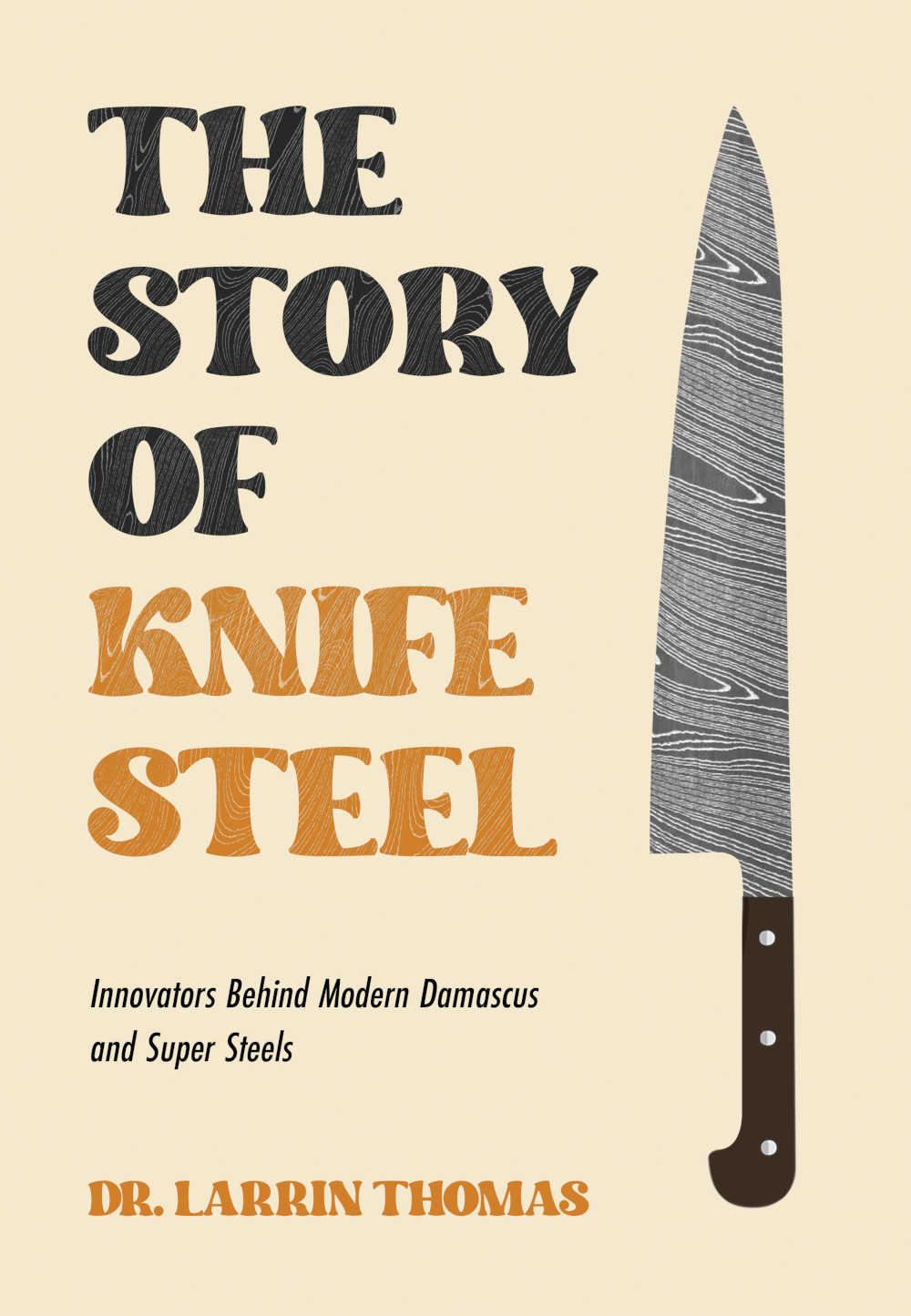
The history of knife steel is a chronicle of industrial innovation, shifting material science, and the gradual intersection of heavy manufacturing with artisan craftsmanship. While modern enthusiasts often focus on high-performance "super steels," the path to today’s market was marked by long delays, supply chain limitations, and a slow adoption rate among traditional manufacturers. Understanding this history requires looking beyond the blades themselves to the metallurgical advancements that allowed steel to evolve from simple high-carbon alloys to complex, powder-metallurgy marvels.
The 19th Century: The Foundation of Carbon Steel
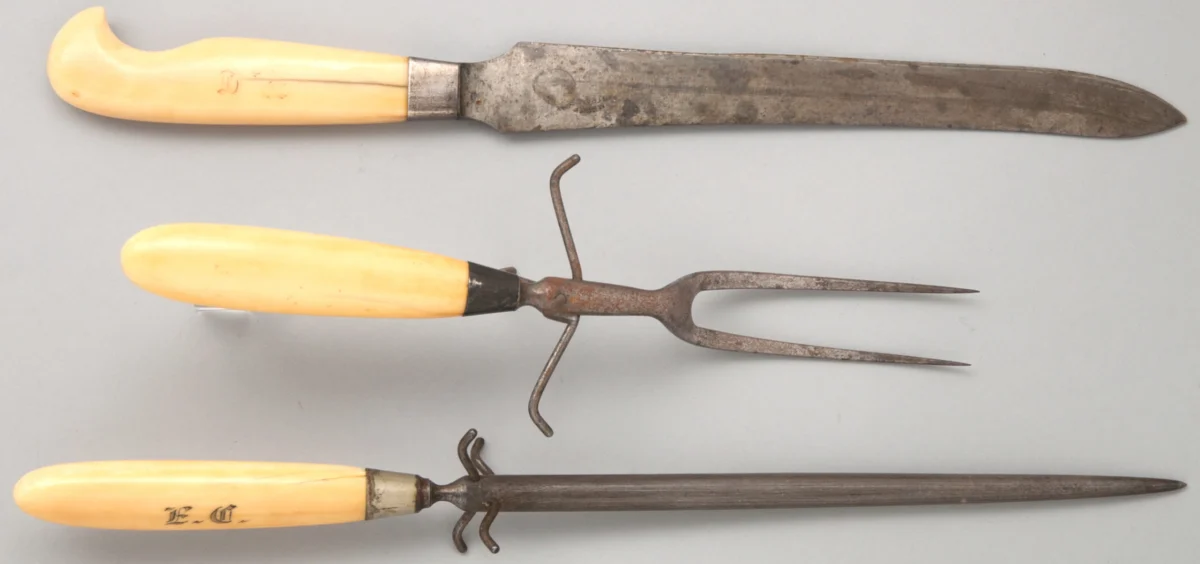
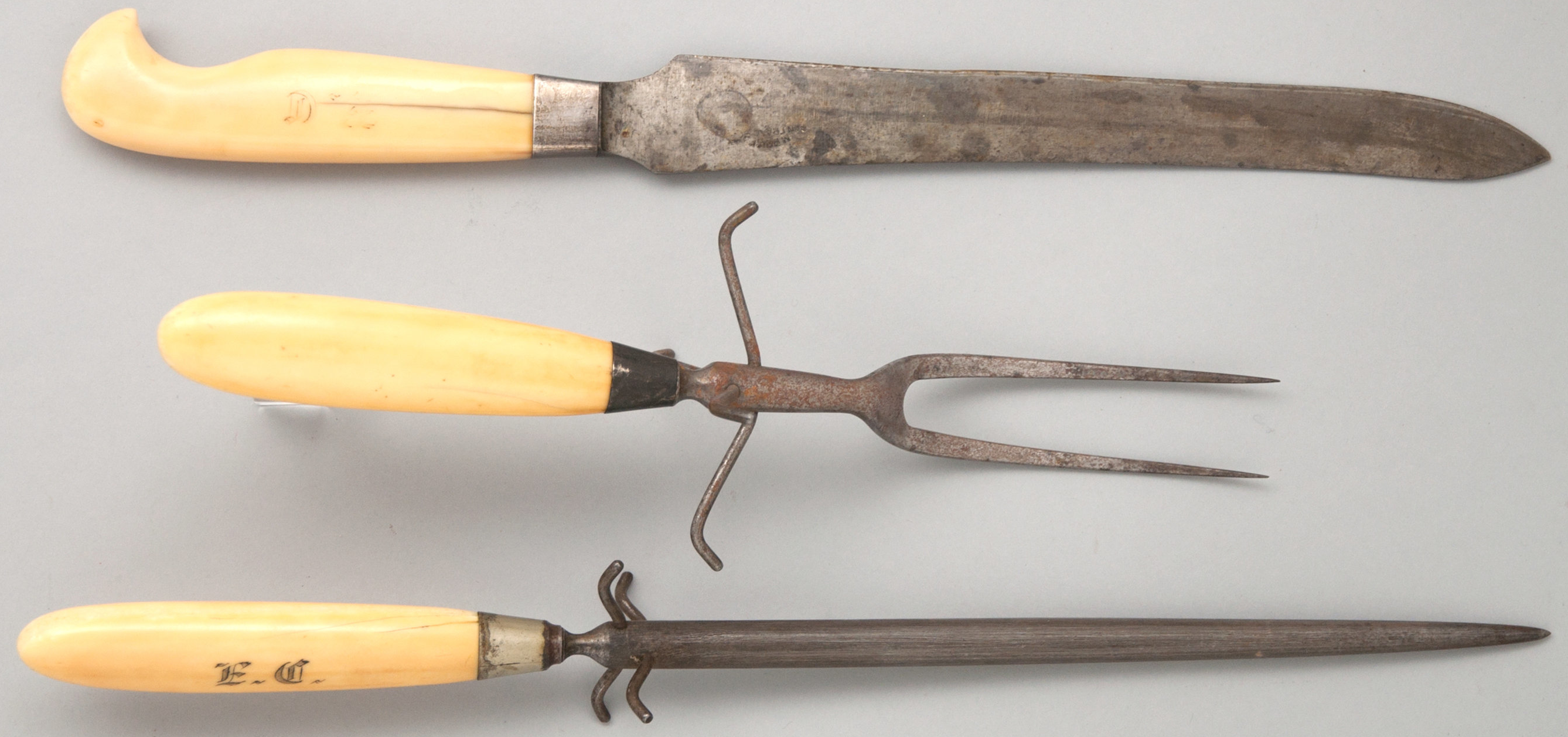
In the 1800s, the cutlery industry was defined by simplicity. The standard material was crucible-melted high-carbon steel, most commonly identified today as W1 tool steel. While 1095 steel is frequently cited as the standard of the era, the chemical specifications of 19th-century cutlery often fluctuated based on the specific crucible batch.
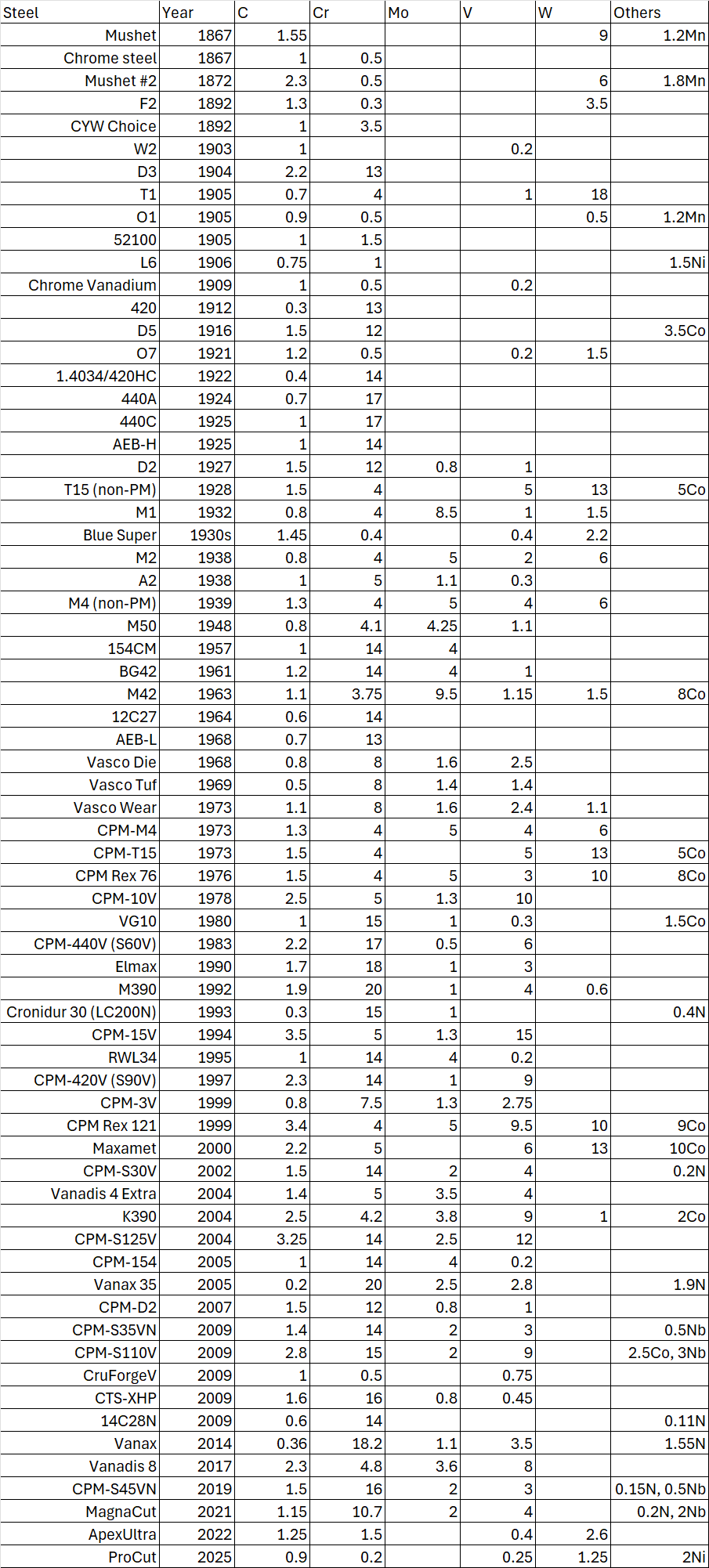
The first significant shift toward alloyed steel began in the 1870s. The 1874 Mechanics’ Fair in San Francisco showcased knives from companies like Will & Finck and Michael Price that claimed to utilize "chrome steel." This move was largely influenced by Julius Baur’s development of Adamantine chromium steel in the late 1860s. While some manufacturers used the term "chrome steel" as a marketing tactic without actual chromium content, genuine chromium-alloyed steel provided the first glimpse into the benefits of modern metallurgy, including improved wear resistance and better heat-treatment stability.
1900–1939: The Advent of Stainless Alloys
The early 20th century saw the introduction of vanadium and chromium-vanadium alloys, which offered a marked improvement over the standard W1 carbon steels. By 1926, industry specifications began standardizing, with chrome-vanadium types (similar to modern 1095CV) becoming a recognized, if niche, category.
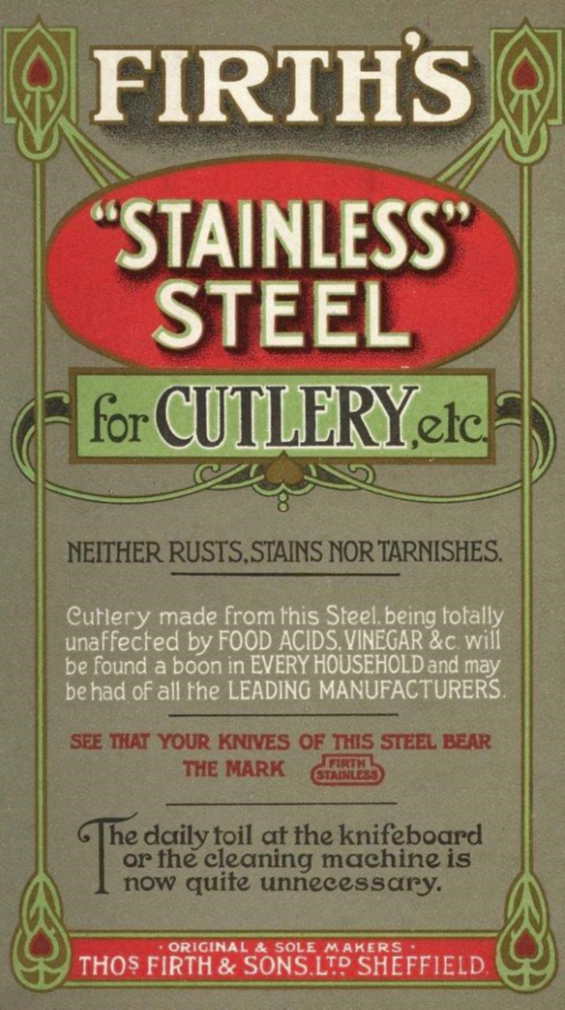
The most transformative event of this era was Harry Brearley’s 1912 discovery of stainless steel. The initial iteration, containing roughly 0.3% carbon and 13% chromium, faced significant skepticism. The cutlery industry, deeply entrenched in traditional forging and grinding techniques, found stainless steel difficult to process. Consequently, stainless steel was largely relegated to table cutlery, with pocket knives remaining almost exclusively carbon-based until the mid-1930s.
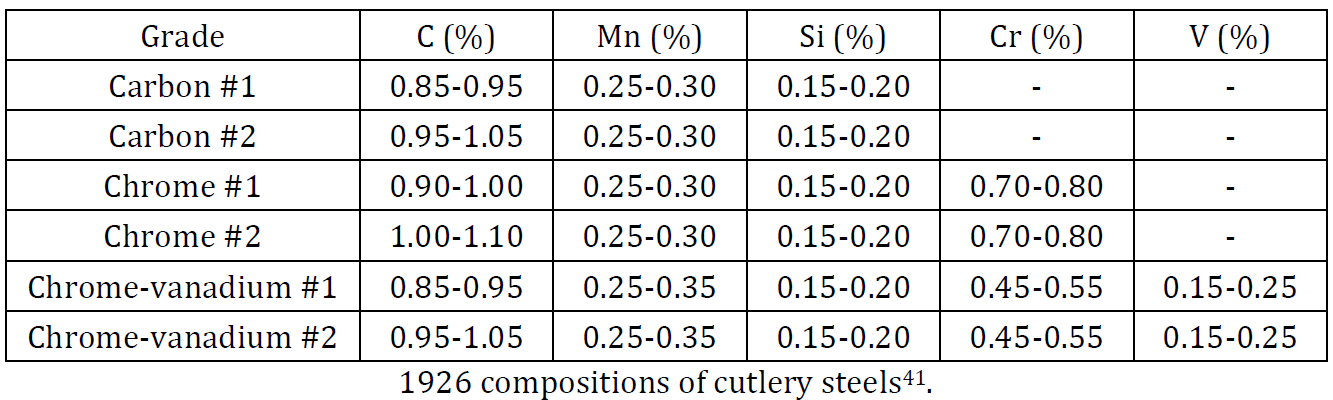
During this period, "hard cutlery" types like 440A and 440C emerged (1924–1925), allowing for higher hardness levels—approaching 59 HRC—compared to the low 50s HRC of earlier stainless iterations. Despite this, the transition remained slow; data from the 1930s indicates that while 90% of table knives were stainless, only 10% of pocket knives had made the switch.
1940–1989: Custom Knifemaking and the Rise of High-Speed Steel
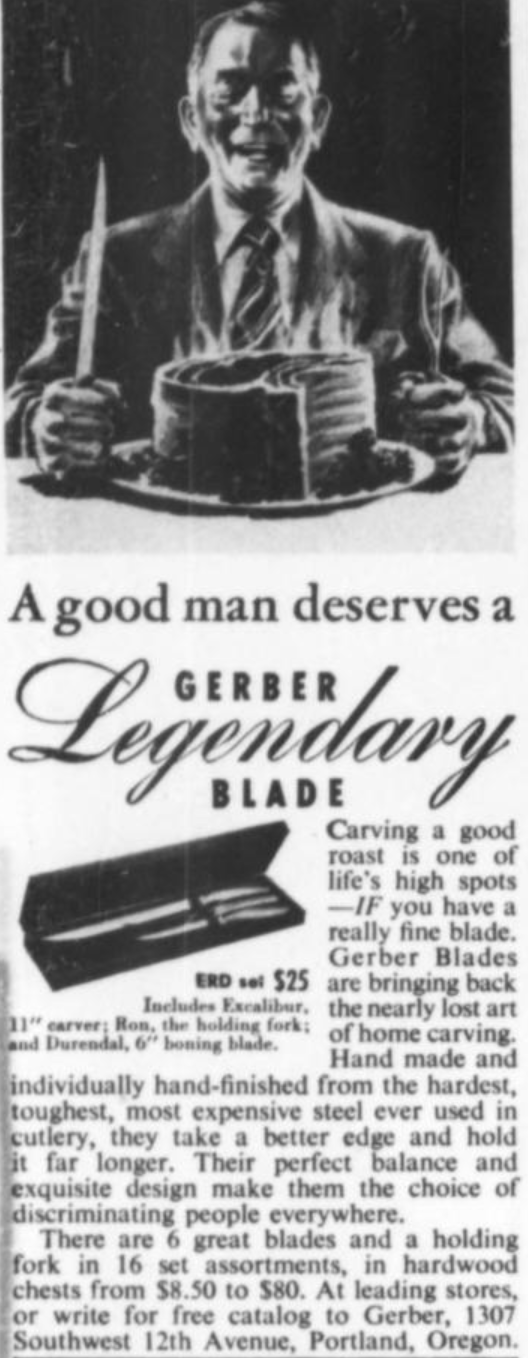
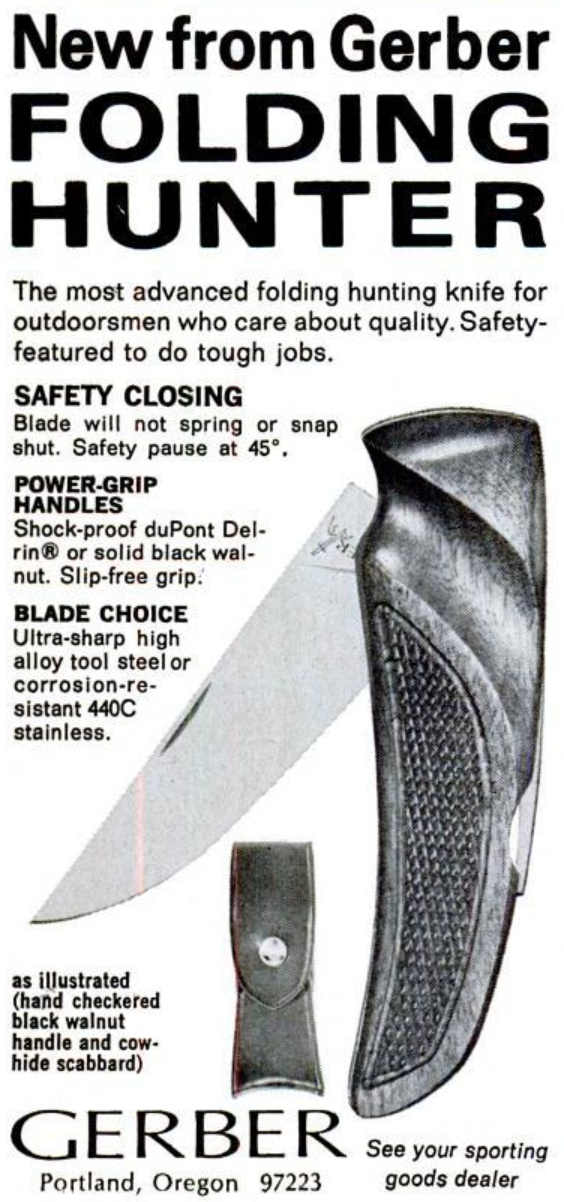
World War II acted as a catalyst for steel innovation. Supply shortages forced makers like Hoyt Buck to repurpose industrial materials, such as files, into high-quality blades. Post-war, the industry saw a surge in specialized steel usage. Gerber Legendary Blades, for instance, famously utilized repurposed high-speed T1 and M2 hacksaw blades, setting a precedent for using industrial-grade materials in consumer products.
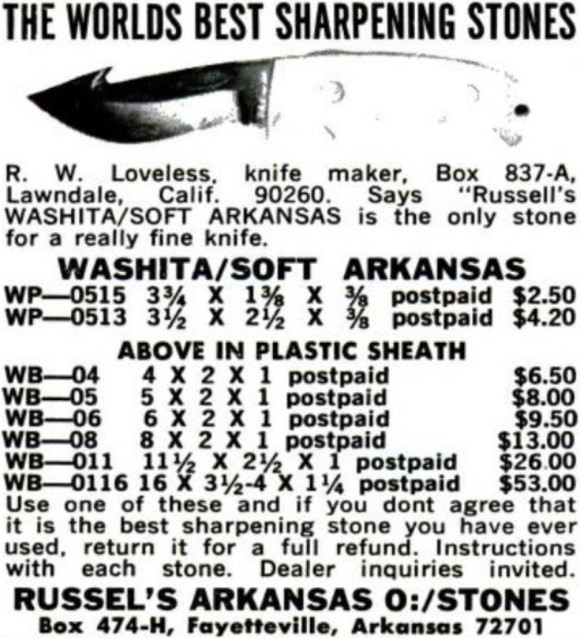
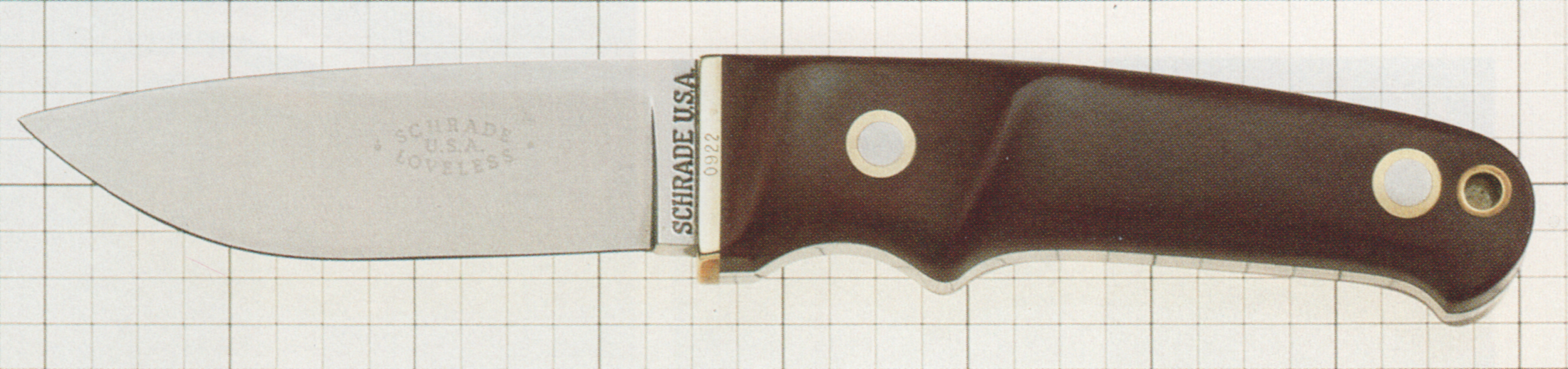
The 1960s and 1970s marked a golden age for custom knifemakers, facilitated by the formation of the Knifemakers Guild in 1970. This era saw the emergence of 154CM, which became the industry benchmark for high-performance stainless steel after being popularized by legends like Bob Loveless. Simultaneously, Bill Moran’s 1973 reintroduction of pattern-welded Damascus steel challenged the dominance of stock-removal industrial steels, sparking a debate between the merits of traditional forging versus modern metallurgical precision.
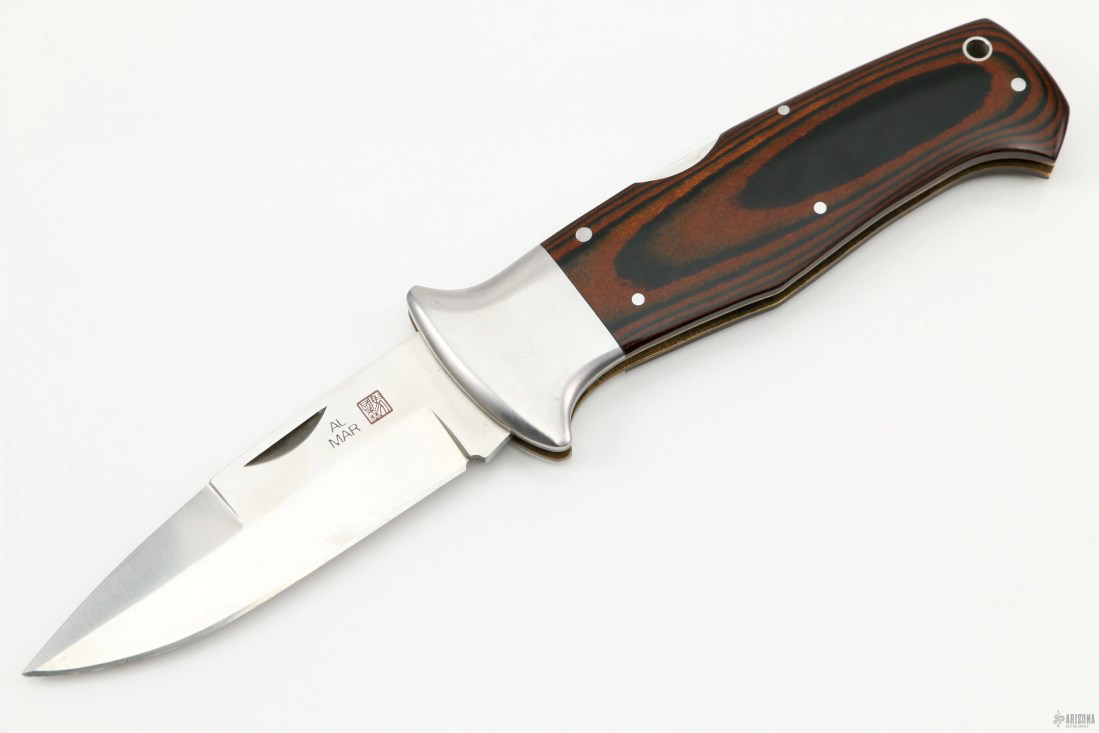
The 1980s brought an influx of Japanese manufacturing, with companies like Kershaw and Al Mar introducing the AUS series (AUS-6, AUS-8A). Simultaneously, the realization that 154CM suffered from impurity issues led the industry to adopt Hitachi’s ATS-34, which became the dominant custom knife steel for the remainder of the century.
1990–2001: The Search for Consistency and Performance
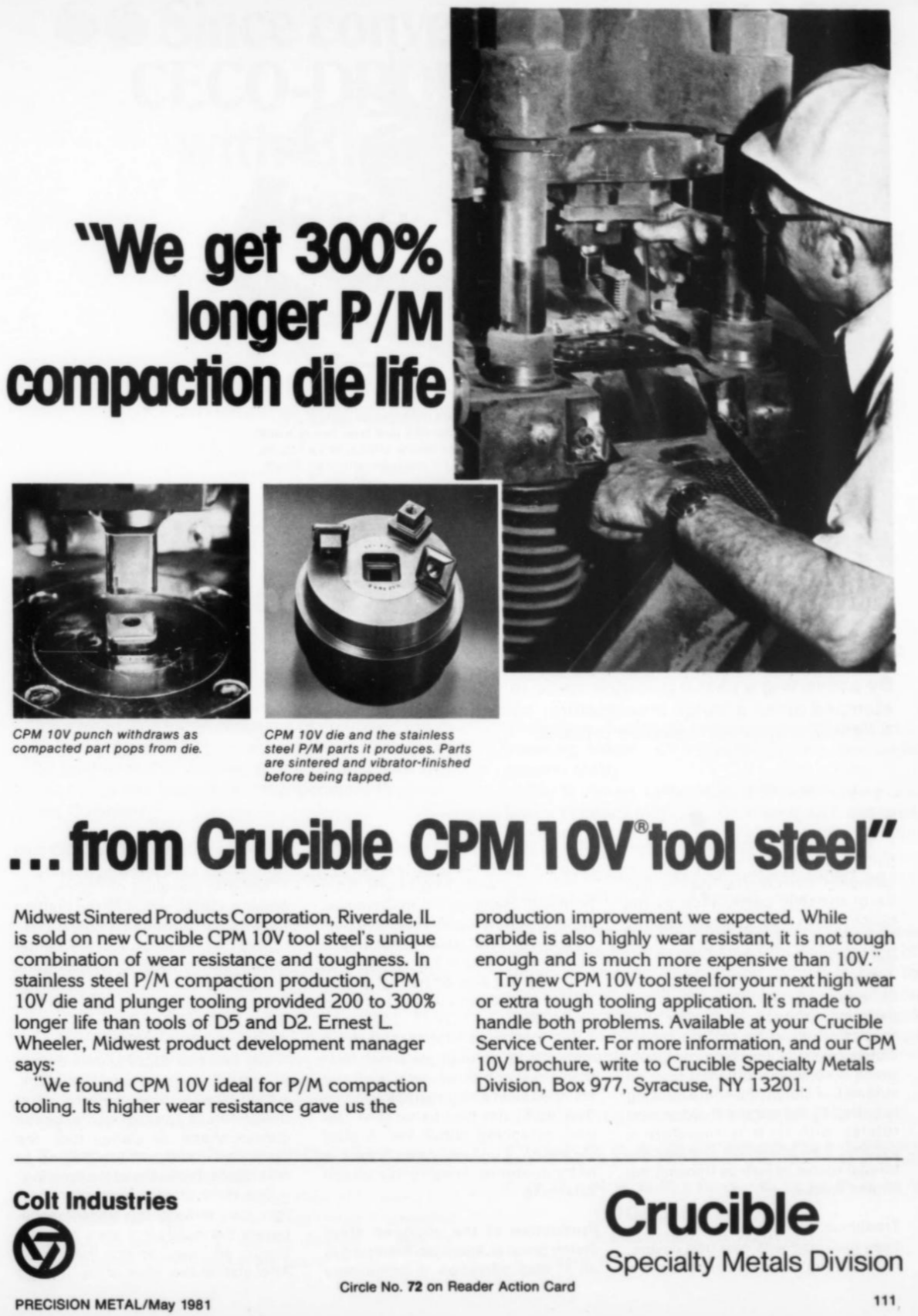
The final decade of the 20th century was defined by a transition toward powder metallurgy and the quest for cleaner, more consistent steel. While advanced alloys like Elmax (1990) and M390 (1992) were introduced, they were not immediately embraced by the knife industry due to high costs and the difficulty of grinding these vanadium-rich materials with existing industrial abrasives.
Instead, the industry turned to BG42. Championed by Chris Reeve, BG42 offered a high-performance alternative to ATS-34. By the mid-90s, Crucible Steel re-introduced 154CM in thin-sheet form, providing American knifemakers with a reliable, domestically produced steel that mitigated the supply chain volatility of Japanese imports.
2002–2019: The Era of Knife-Specific Steels
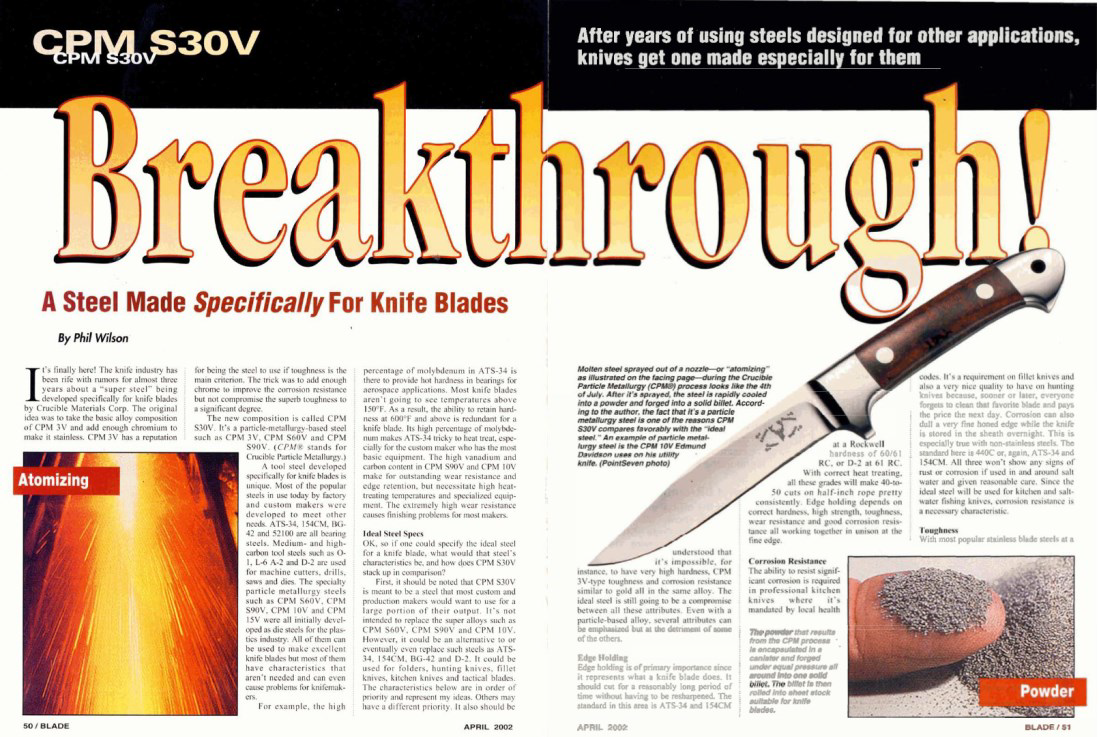
The year 2002 represents a major turning point in modern metallurgy: the release of CPM-S30V. Developed by Crucible specifically at the request of the knife industry, S30V solved the machinability issues that plagued earlier high-vanadium steels. It became the industry standard almost overnight, rendering older steels like BG42 largely obsolete.
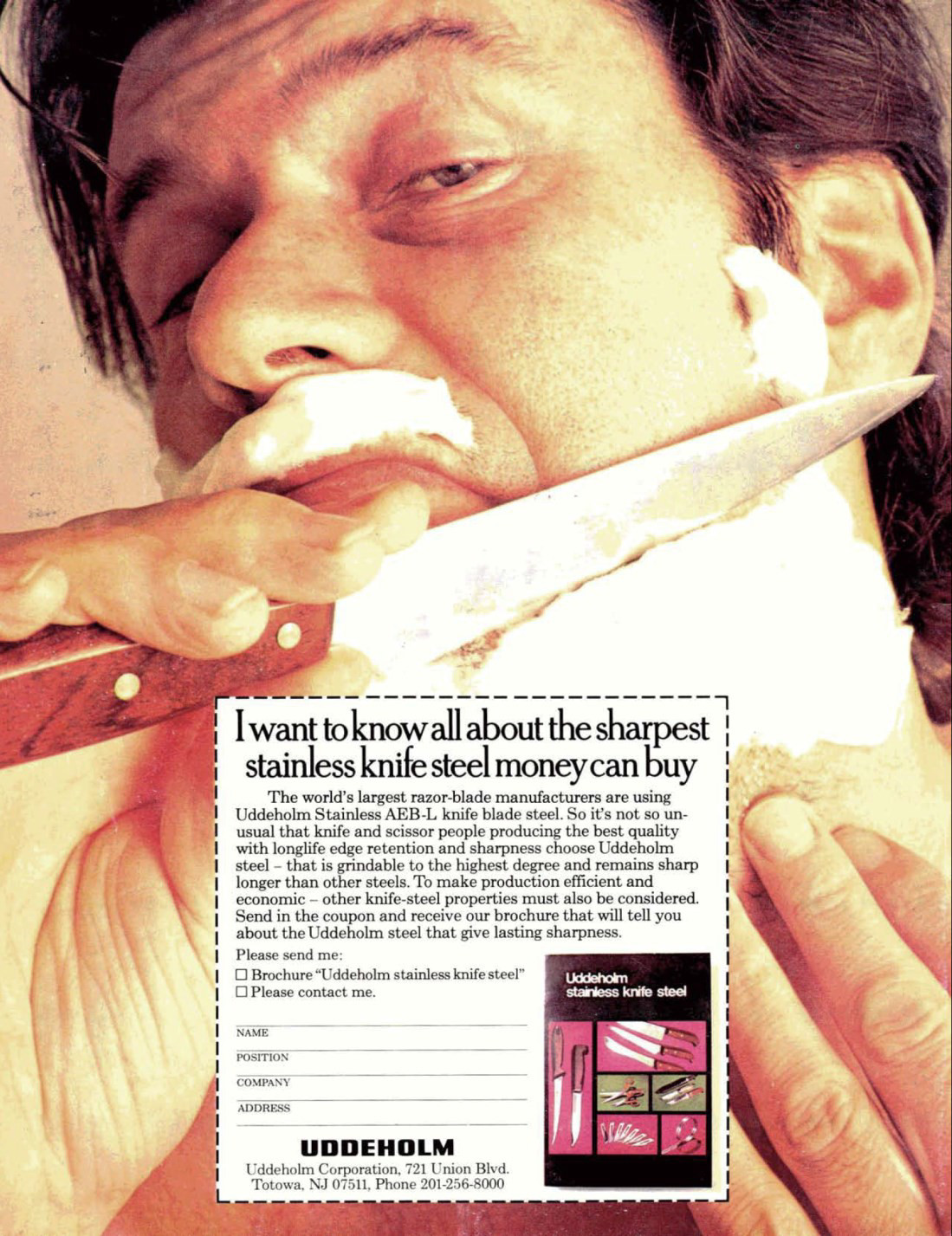
The subsequent years saw a rapid succession of specialized alloys. CPM-S35VN (2009) improved upon S30V by increasing toughness, while Bohler-Uddeholm began successfully marketing M390, Elmax, and K390 in the United States. Furthermore, the development of 14C28N by Sandvik provided a high-corrosion-resistance, cost-effective solution for non-powder metallurgy blades.
Implications and Future Outlook
The historical trajectory of knife steel reveals a systemic lag between scientific discovery and commercial application. In many instances, the "best" steel for a given decade was already available in industrial markets, yet failed to reach the knife industry for years due to manufacturing constraints, minimum order quantities, or a lack of institutional knowledge regarding heat treatment.
The implications of this history are twofold. First, the industry has shifted from a reliance on repurposed industrial scraps to the creation of bespoke, purpose-built alloys. Second, the democratization of high-performance steel, driven by entities like Crucible and Bohler-Uddeholm, has narrowed the gap between custom, high-end blades and mass-produced factory knives.
As the industry moves forward, the focus is likely to shift toward fine-tuning the balance between corrosion resistance, toughness, and edge retention. The transition from the "messy", inconsistent history of the 1800s to the precise, data-driven metallurgy of today highlights the relentless pursuit of performance that defines the modern knife industry. Whether through the refinement of existing powder metallurgy processes or the introduction of entirely new alloying elements, the evolution of knife steel remains a testament to the persistent intersection of tradition and technological progress.