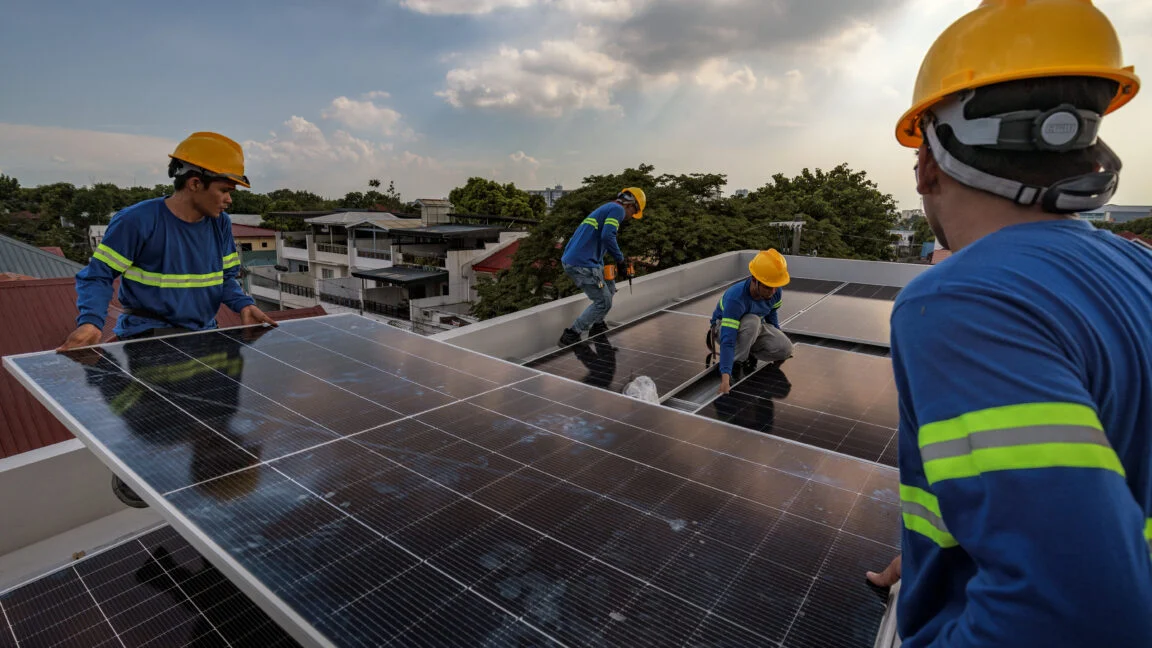
The Economics of the Solar Surge
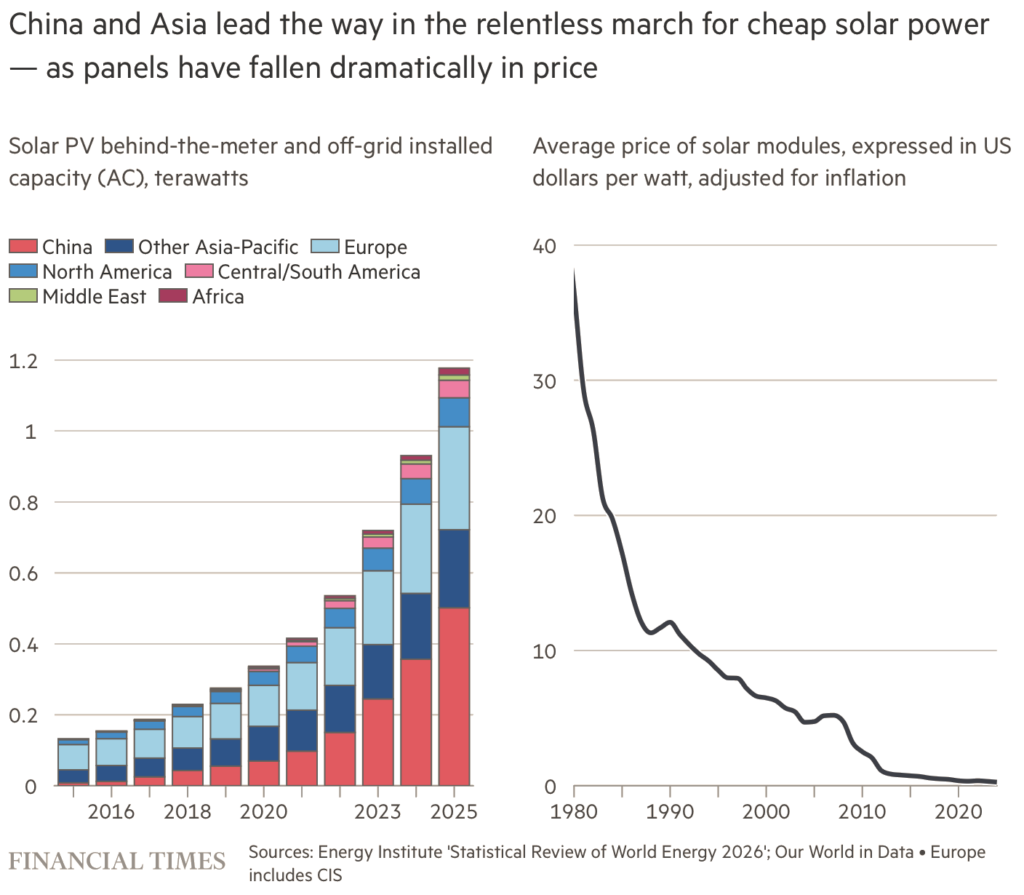
The shift in global energy dynamics is largely driven by a precipitous decline in the cost of solar technology. At the dawn of the millennium, solar panels were a boutique, high-cost investment, trading at roughly $5 to $6 per watt of generation capacity. Today, that figure has plummeted to approximately 12 cents per watt—a price point described by industry experts as "offensively cheap."
This deflationary trend is the direct result of an industrial explosion in China. According to data from Wood Mackenzie, China’s production capacity for solar components now stands at roughly 1.36 terawatts. Even as Beijing attempts to temper output to manage domestic price deflation, the sheer volume of global supply has democratized access to electricity. By the end of 2025, global rooftop solar capacity reached nearly 1.2 terawatts—a figure equivalent to three times the total capacity of the world’s entire nuclear power fleet.
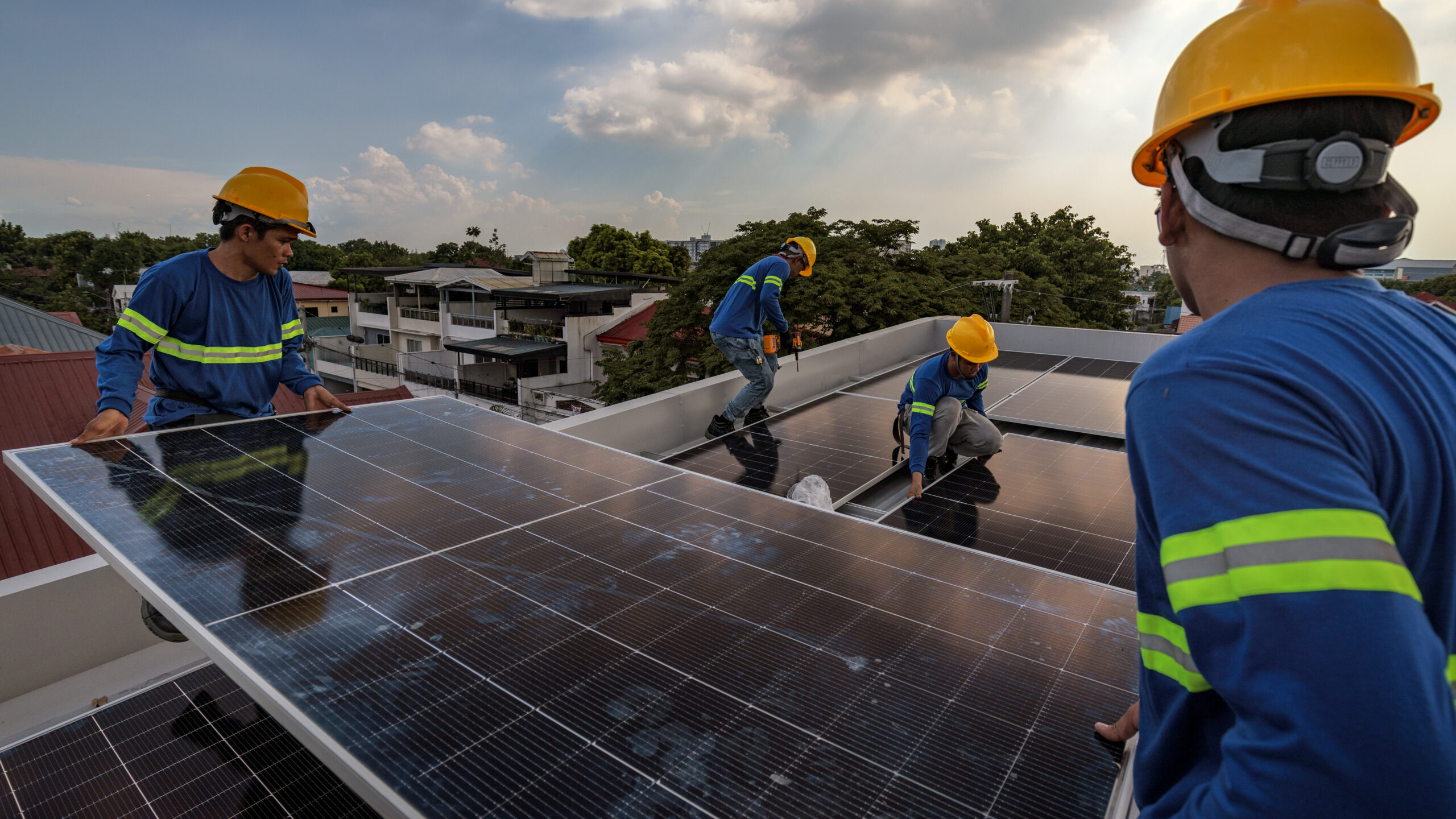
For businesses, the transition is a matter of survival. In the Chakwal region of Pakistan, Bestway Cement has transformed swathes of dry land and agricultural groves into a sprawling forest of solar panels. By the end of the year, the firm expects to add 6.34 megawatts to its existing 26 megawatts of photovoltaic capacity. For Bestway, solar now provides over a quarter of the energy required to produce 3 million tonnes of cement annually. As general manager Abdul Waheed notes, the move is no longer optional; it is a competitive necessity.
A Global Phenomenon: From Pakistan to the Philippines
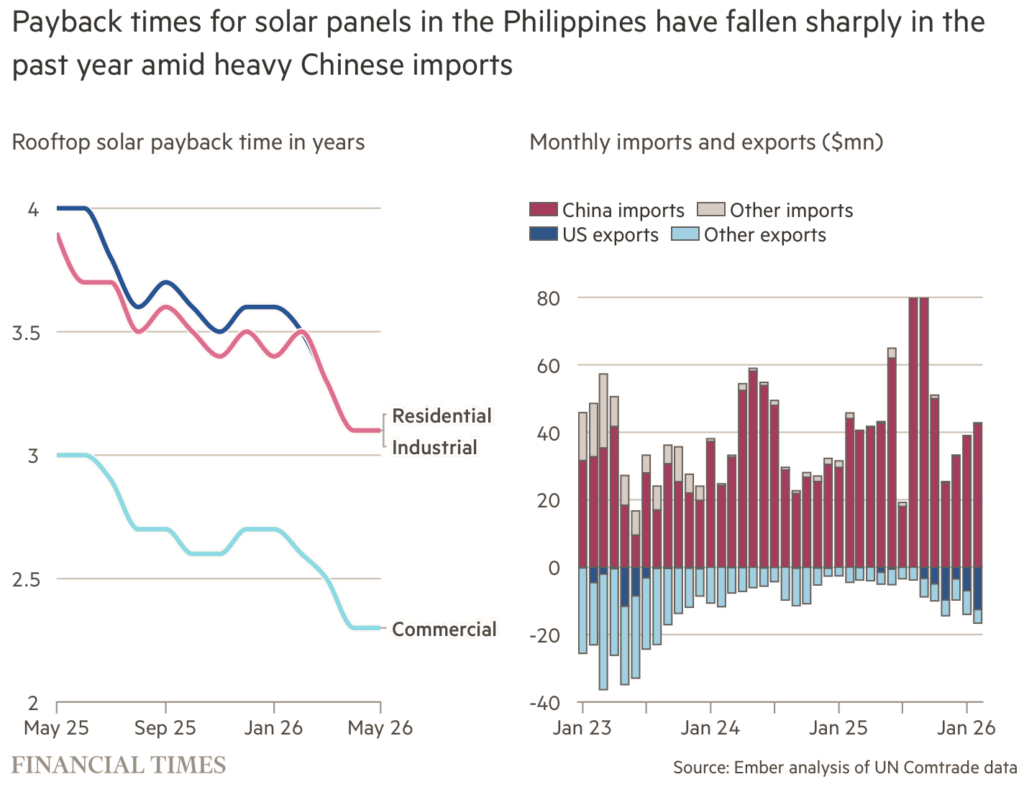
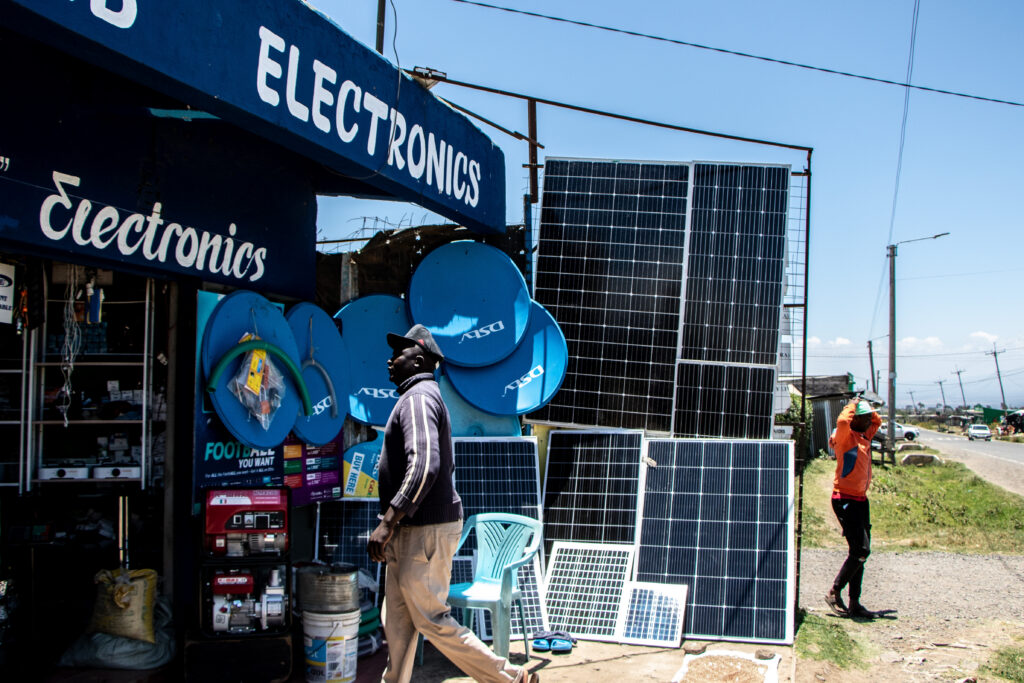
The adoption of solar is not limited to heavy industry. In the Philippines, residential and commercial rooftop solar capacity nearly doubled in the 12 months leading up to April. The appeal is straightforward: solar panels now offer a return on investment for many households in just over three years.
In India, the government has accelerated this trend through a massive subsidized program launched in February 2024. With an $8 billion budget, the initiative has successfully installed solar arrays on over 5 million homes, adding approximately 500,000 installations each month. Tata Power CEO Praveer Sinha characterizes this shift as the "democratization of the use of electricity," noting that while the loss of high-paying, grid-reliant customers poses a risk to utilities, the scale of the rollout is creating new, more resilient energy markets.
Similarly, in Africa, companies like Shoprite are leveraging their vast rooftop real estate to power operations. With 43 megawatts of peak capacity, the supermarket giant is effectively operating its own decentralized power network. For many families in developing regions, the transition is even more profound; moving from reliance on expensive, hazardous kerosene lanterns to consistent, clean light has immediate socio-economic impacts.
The Grid in Crisis: Utilities and the "Death Spiral"
While individual consumers and businesses benefit from lower bills and energy independence, the broader utility infrastructure is struggling to adapt. Traditional power grids were designed as centralized, one-way systems—from a large power plant to the consumer. The emergence of a "prosumer" class, where households and businesses feed excess power back into the grid, has introduced unprecedented complexity.
In Karachi, Syed Muhammad Taha, CEO of the utility provider K-Electric, describes the influx of solar as a "curse and a blessing." The wealthiest customers—those most capable of investing in private solar arrays—are the ones opting out of the traditional grid during peak daylight hours. This leaves utilities with the responsibility of maintaining the grid for non-paying or lower-income customers, while simultaneously dealing with a decline in total revenue.
This phenomenon is leading to fears of a "utility death spiral," where falling sales force providers to hike rates, further incentivizing customers to install their own solar systems and batteries. This is particularly evident in South Africa, where state utility Eskom reported that rooftop solar and battery storage were responsible for a significant portion of an 11.7 terawatt-hour reduction in electricity sales for the year ending in March. Eskom CEO Dan Marokane warns that the cost of maintaining a grid that must remain available for the inevitable cloudy day will ultimately be passed on to the consumer, potentially exacerbating energy poverty.
Stability and the Technical Challenge
The technical risks of this transition are as significant as the financial ones. Grid stability relies on the precise balancing of supply and demand. In Australia, a global leader in solar adoption, system operators have frequently faced "minimum demand" events where rooftop solar output is so high that it threatens the stability of the grid. Conversely, a sudden cloud cover over a city like Perth can lead to a drop in supply equivalent to the sudden loss of a nuclear reactor, forcing grid operators to scramble for backup power.
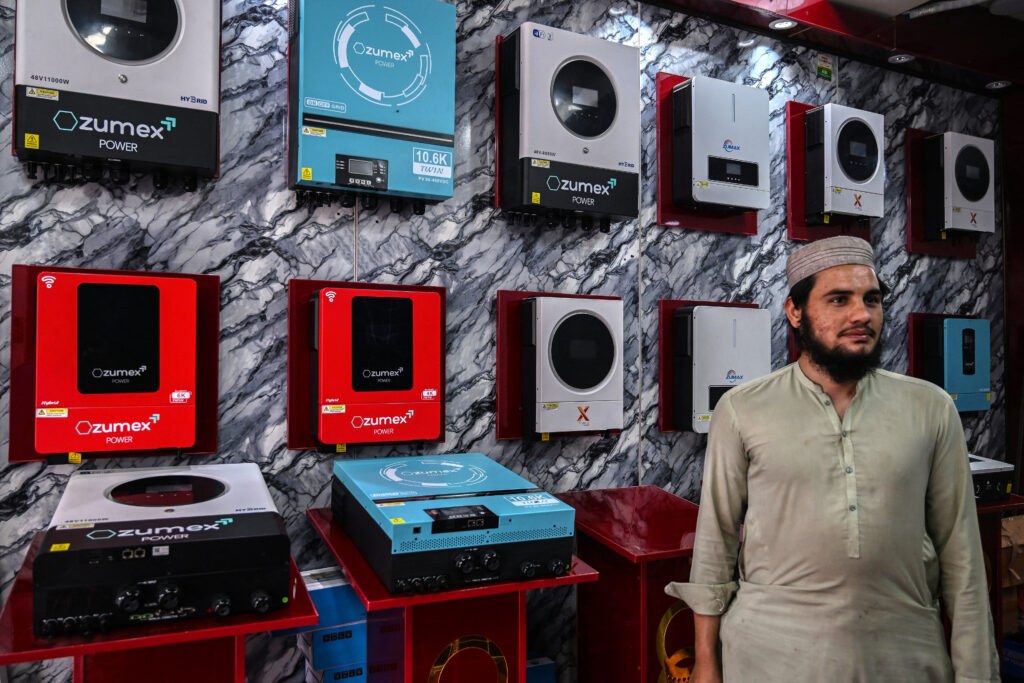
Professor Janusz Bialek of Imperial College London notes that modern power systems are experiencing a "profound change" that remains only partially understood. The push for "plug-and-play" solar panels—devices that consumers can purchase in hardware stores and connect directly to domestic circuits—is adding further unpredictability. While these panels offer "breathing space" on household bills, they often go unregistered, leaving system operators blind to the true volume of generation capacity connected to the network.
The Path Forward: AI, Storage, and Regulatory Reform
To manage this transition, the energy sector is increasingly turning to advanced technology. Artificial Intelligence and machine learning are being deployed to predict solar output and grid load with granular accuracy. UK Power Networks recently completed a major study on machine-learning models to better estimate the solar generation capacity connected to its network, while companies like Amperon utilize models that retrain every hour to account for shifting weather patterns and demand cycles.
Furthermore, the integration of residential battery storage is seen as a critical, albeit expensive, piece of the puzzle. As battery costs continue to fall, they allow households to store excess solar energy for evening use rather than dumping it onto the grid, thereby smoothing out the daily demand curve.
For utilities, the strategy is shifting from resistance to adaptation. Many are now redesigning tariffs to decouple network maintenance costs from electricity usage fees, ensuring that those who use the grid—even if they generate their own power—pay their fair share of the infrastructure upkeep. Others are looking to diversify their customer base, targeting high-demand users like data centers and emerging digital infrastructure to stabilize their load profiles.
Conclusion: A New Energy Paradigm
The rapid rise of "offensively cheap" solar power represents a structural shift that will likely define the energy landscape for the next several decades. It has effectively dismantled the monopoly of centralized generation and empowered millions of individual stakeholders. However, the legacy infrastructure of the 20th century was not built for this reality.
The lesson for governments and grid operators, as emphasized by experts like Pierluigi Mancarella of the University of Melbourne, is that inaction is not an option. "Don’t wait until the last minute," he advises. The transition to a distributed, solar-heavy energy system is irreversible, and the focus must now turn to creating the regulatory and technical frameworks necessary to ensure this new, democratic grid is as reliable as the one it is replacing. Whether this leads to a more equitable energy future or a period of prolonged grid instability depends largely on how quickly utilities can modernize their pricing, their technology, and their relationship with the power-generating consumer.