









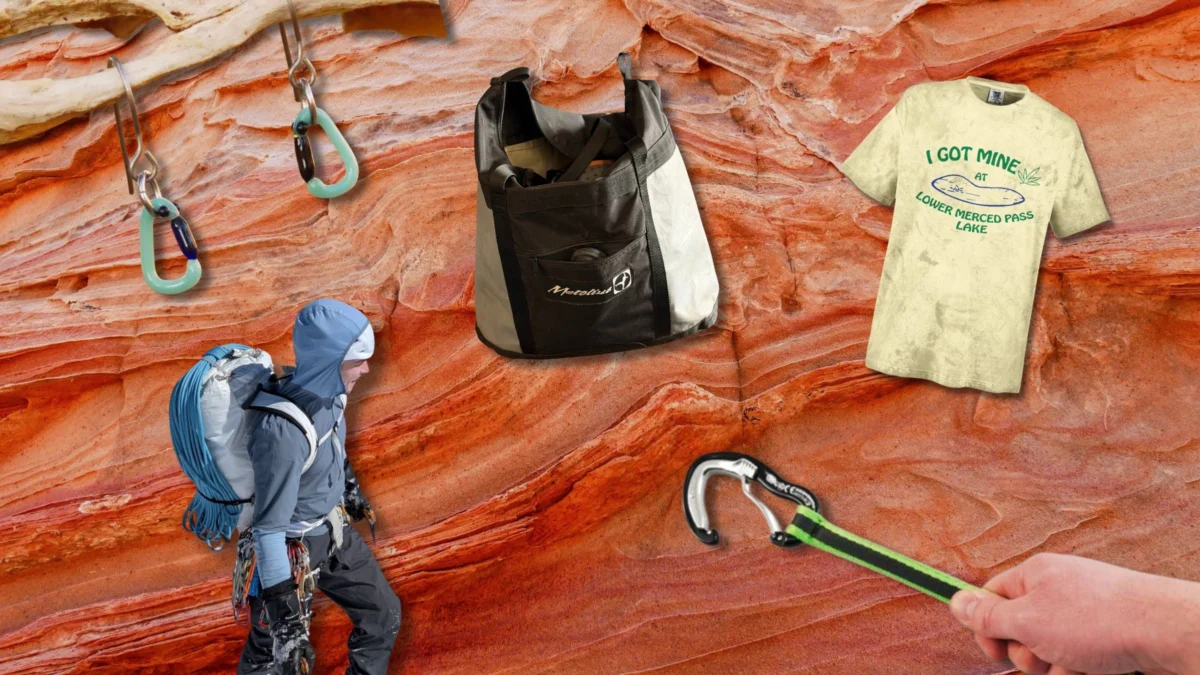
As the 2026 climbing season reaches its winter transition, the gear landscape has shifted toward a synthesis of ultra-lightweight technology, sustainable manufacturing, and functional design. Climbing editors Sam MacIlwaine, Anthony Walsh, and Maya Silver have analyzed the current market to identify essential equipment and accessories that address the specific needs of modern climbers. Whether focusing on performance gains in high-altitude environments or addressing the logistical challenges of daily gym training, this selection reflects the technological advancements and cultural trends defining the sport in 2026.
The Evolution of Climbing Apparel and Sustainable Materials
The intersection of aesthetic design and technical utility has become a primary focus for manufacturers. The Lolo Hoodie V1, a flagship product from Lolo Hardware, exemplifies this shift. Originally developed by former industry commentator Nate Barton, the garment features a specialized chest pocket configuration that addresses a long-standing logistical pain point for cold-weather climbers: the accessibility of essential items without compromising harness or shell integrity. By utilizing the chest area, the design prevents the freezing of electronics and loss of equipment often associated with traditional pant pockets during complex maneuvers like chimneying or ice climbing.
Parallel to design innovations, the industry is experiencing a critical pivot regarding the environmental impact of consumables. Magnesium carbonate, the primary component of climbing chalk, has historically been sourced from environmentally taxing mining operations, particularly in China. Data indicates that these mining processes contribute significantly to local water and soil degradation. Consequently, there has been a market-wide shift toward seawater-sourced chalk. This production method leverages solar energy to evaporate ocean brine, resulting in a cleaner, more sustainable supply chain. Products such as Trango REAL Chalk and Midnight Lightning Sea Grip represent this new industry standard, offering high-performance friction while mitigating the ecological footprint associated with traditional mineral extraction.

Performance Hardware: Improving Safety and Efficiency
Technological improvements in hardware are increasingly centered on accident prevention and weight reduction. A primary concern in traditional climbing remains the cross-loading of carabiners, which can result in catastrophic failure during a fall. The introduction of the Avant Climbing Flip-Stop Cam Carabiner Stabilizer addresses this risk by ensuring the carabiner remains in the correct orientation. By mimicking the functionality of a quickdraw’s dogbone, these stabilizers prevent the carabiner from rotating onto its weak X-axis. From a safety perspective, this is a significant advancement for climbers operating in high-stress, high-pump environments where focus may be compromised.
The trend toward "ultralight" gear is further exemplified by the Arc’teryx Alpha SL harness. Weighing in at 78 grams, the harness utilizes Aluula-composite construction to maintain structural integrity while minimizing bulk. This level of weight reduction is essential for alpine specialists and ski-mountaineers who must balance safety equipment with the need to minimize load for endurance-based objectives. The integration of adjustable features allows for a degree of versatility previously unseen in ultralight climbing equipment, accommodating a broader range of body types without sacrificing the weight-to-performance ratio.

Chronology of Cultural Significance: The 1976 Yosemite Incident
Cultural artifacts continue to play a role in the climbing community’s identity, with 2026 marking the 50th anniversary of the infamous "weed plane" crash in Yosemite National Park. In 1976, an aircraft transporting illicit cargo crashed into a mountain lake, sparking an informal recovery effort by local climbers—a period now frequently referred to as the "climber gold rush."
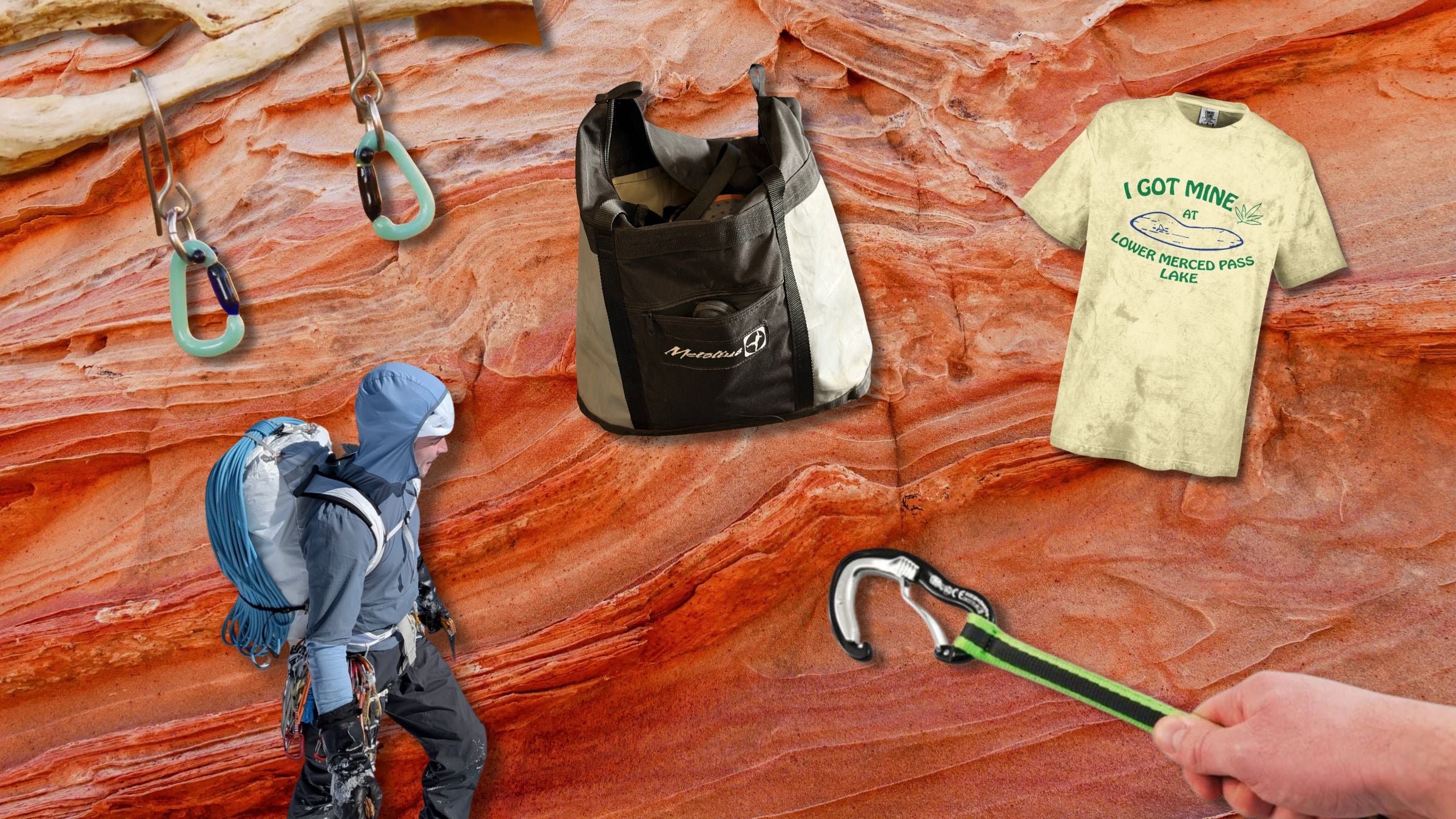
To mark the anniversary, the Yosemite Climbing Association has released a commemorative collection of apparel. This is not merely a merchandising effort; the proceeds are directed toward the upkeep of the Yosemite Climbing Museum and the preservation of regional climbing history. This initiative highlights the community’s desire to memorialize its complex past while supporting the institutional infrastructure that protects climbing access and historical documentation.

Logistical Solutions and Training Aids
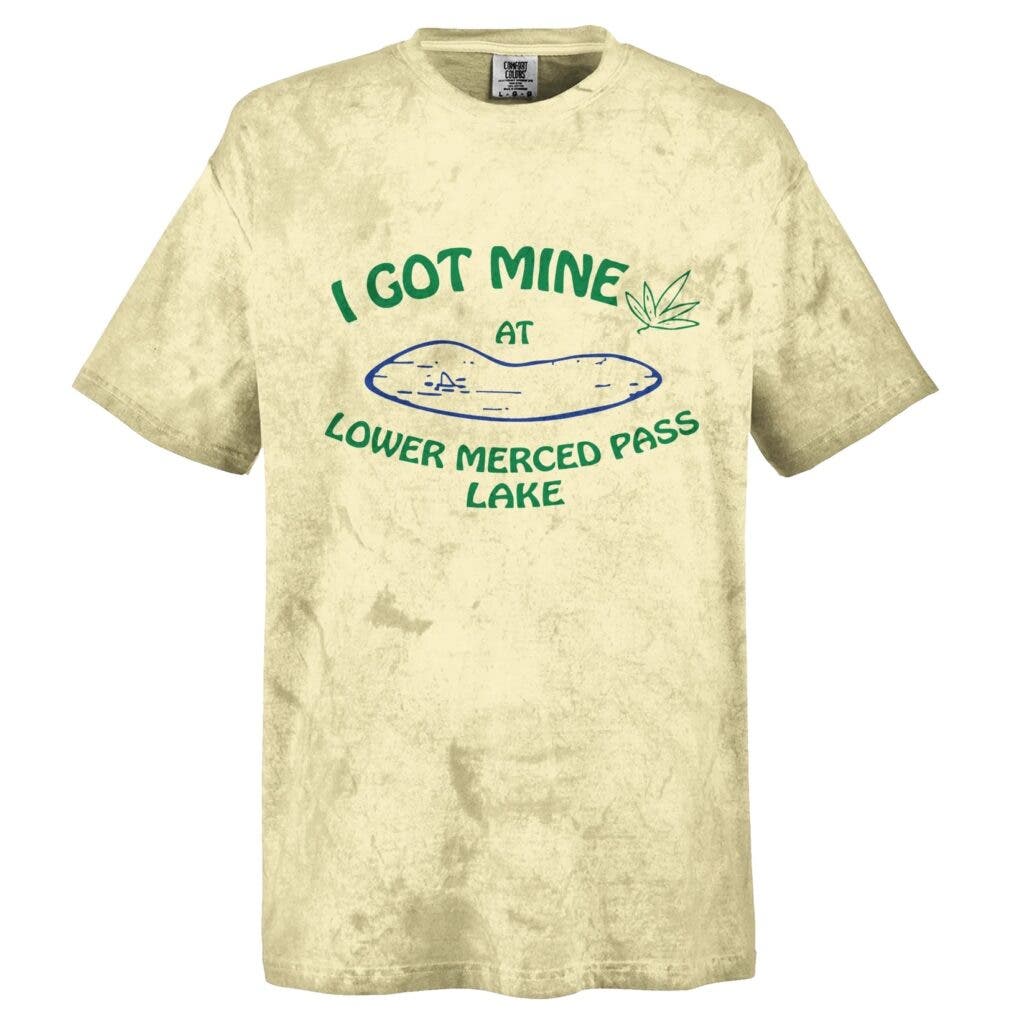
For the average climber, the challenges are often logistical rather than alpine. The rise of multi-purpose, high-durability gear bags, such as the Metolius Climbers Tote, reflects the transition from specialized crag gear to multi-functional equipment. These bags are engineered to accommodate the increasing volume of gear required for modern gym and outdoor climbing, featuring reinforced materials that resist the abrasive nature of climbing shoes and hardware.
Furthermore, training aids such as the Kong Panic Draw have become essential for climbers looking to push their physical limits. Designed to assist those who struggle with clipping bolts from difficult stances, the device serves as a bridge for shorter climbers or those operating at their limit, allowing for safe progression on sport routes. This represents a pragmatic approach to training: acknowledging physical limitations and utilizing mechanical assistance to overcome them, thereby maintaining the flow of a climb without compromising safety.
Literary Reflections in the Climbing Community
The intellectual side of the sport is currently represented by works like Brian Laidlaw’s Erratica. As the climbing community grows, so does the demand for literature that transcends simple "how-to" manuals. Erratica provides a narrative analysis of the climbing experience, offering a reflective look at the life of a long-term climber. The popularity of such texts suggests that the community is increasingly interested in the philosophical and cultural implications of their pursuit, rather than just the physical statistics of a climb.
Broader Implications and Market Outlook
The current landscape of climbing gear suggests three primary trajectories for the near future:
- Sustainable Sourcing: The transition to seawater-derived magnesium carbonate is expected to become the industry baseline as environmental regulations tighten and consumer awareness regarding mining practices increases.
- Safety Through Automation: The development of passive safety devices, such as cam stabilizers and standardized clipping aids, indicates a focus on "idiot-proofing" the sport, which is vital as the climbing population continues to expand with the growth of indoor gym culture.
- Weight Optimization: The utilization of space-age materials, such as NASA-developed insulation in apparel and high-modulus composites in harnesses, will continue to drive the industry toward gear that is nearly imperceptible to the user, allowing for longer, more ambitious objectives in the mountains.
The 2026 gift guide is not merely a list of products; it is a snapshot of an industry that is balancing its traditional roots with the rapid acceleration of material science and environmental responsibility. As climbers prepare for the upcoming seasons, the focus remains clear: gear must be lighter, safer, and more sustainable than ever before. Whether for the elite alpine athlete or the weekend gym enthusiast, the equipment of 2026 provides a robust foundation for the continued evolution of the sport.