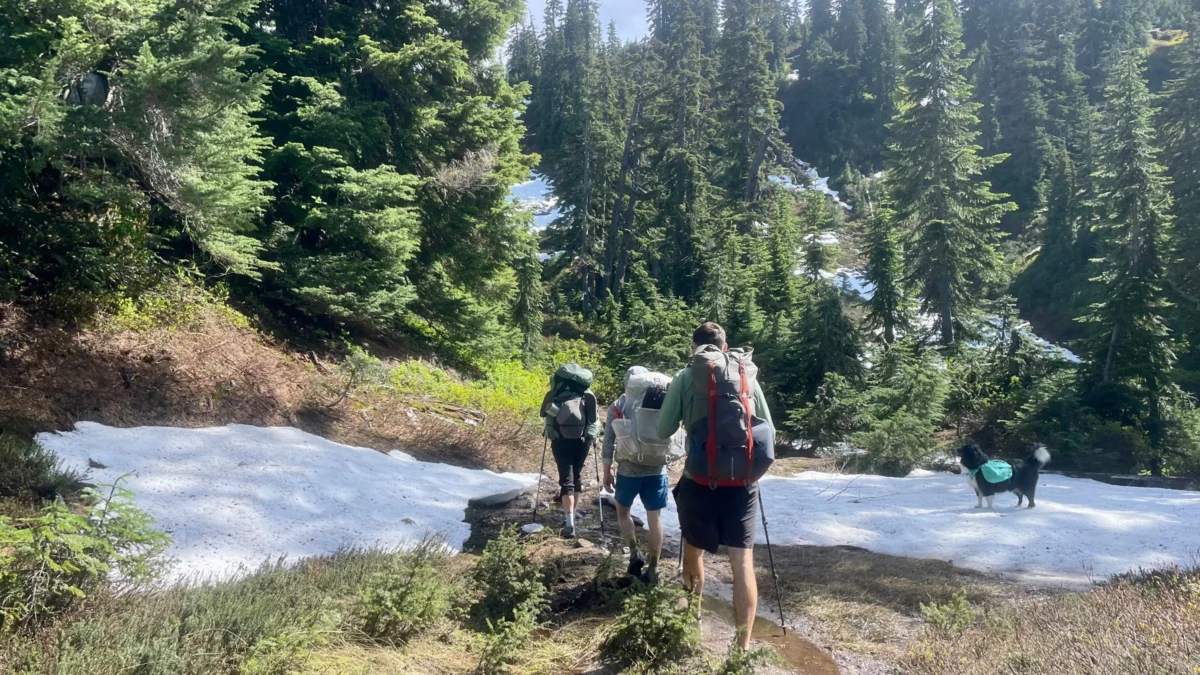
Long-distance backpacking has long operated as a subterranean testing ground for the broader outdoor recreation industry. From the Pacific Crest Trail (PCT) to the Appalachian Trail (AT) and the Continental Divide Trail (CDT), thru-hikers push equipment to absolute structural and material limits over the course of thousands of miles. What begins as a clever modification by a single trekker in a remote wilderness shelter frequently translates into commercial mainstream success within a matter of seasons. As the popularity of long-distance trekking surges—driven by post-pandemic shifts toward outdoor recreation and the proliferation of trail content across digital media platforms—the economic and environmental influence of the thru-hiking community has expanded exponentially. Examining the gear trends that dominated the trails this past season provides a clear window into how technological innovation, environmental consciousness, and shifting consumer preferences are reshaping the multi-billion-dollar outdoor gear market.
The Shifting Landscape of Trail Culture and Regional Gear Divides
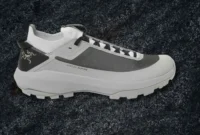
Trail culture has always possessed its own unique social architecture, complete with unwritten rules, aesthetic standards, and cyclical fads. Where previous generations of backpackers prioritized heavy-duty leather boots, external-frame packs, and durable canvas garments, the modern thru-hiker is defined by an obsession with marginal gains, weight reduction, and distinct trail aesthetics. Caps have largely given way to technical bucket hats, and heavy footwear has been replaced by trail runners that require frequent replacement every 500 miles.
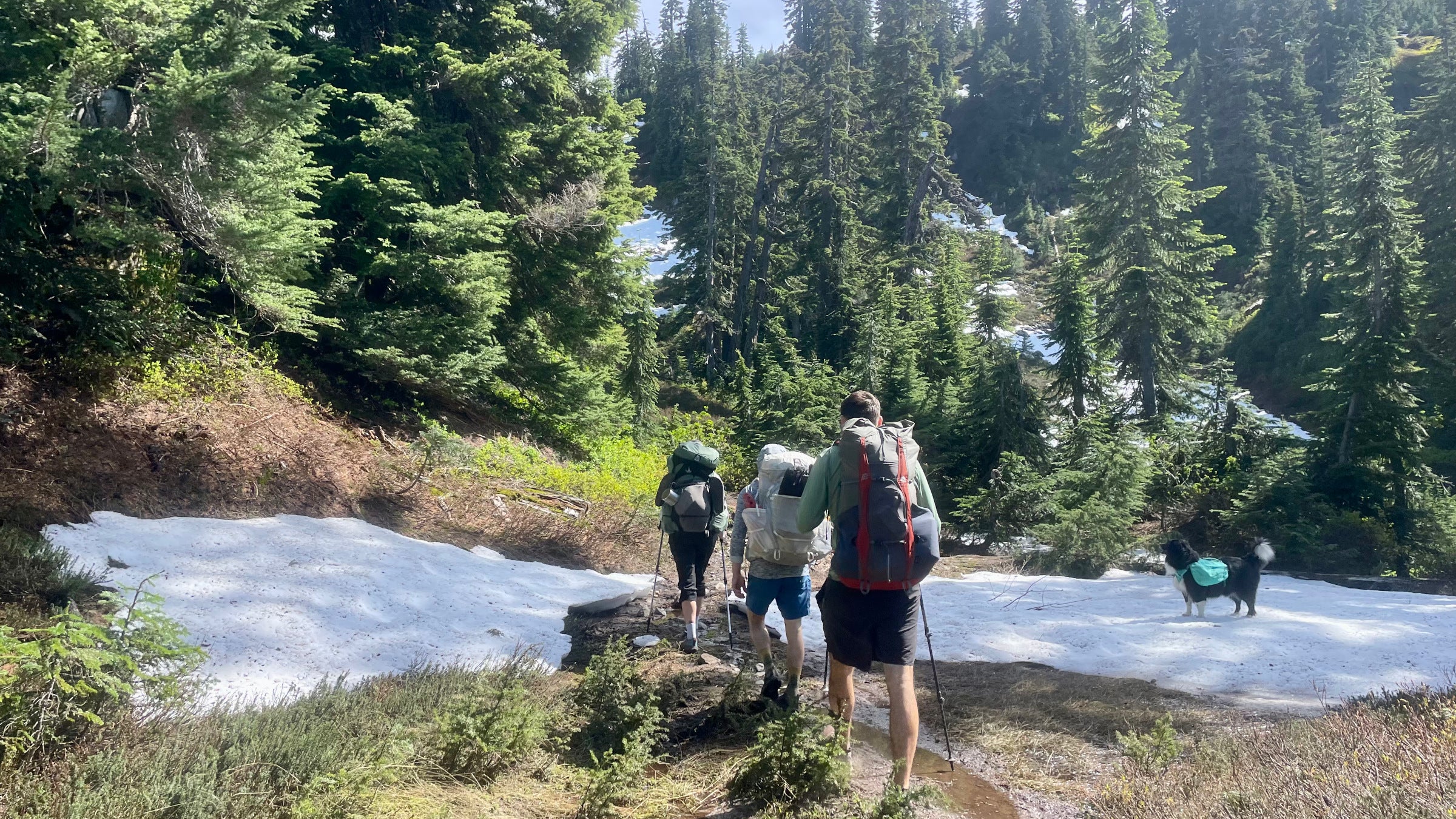
However, trail culture is not a monolith. Regional disparities continue to dictate what equipment populates a hiker’s pack depending on the geography of the route. According to veteran thru-hiker Madelyn Dukart, the adoption of ultralight philosophies varied noticeably between the eastern and western United States this past season. "Ultralight felt very ‘in’ out west in a way that it didn’t out east," Dukart observes, pointing to the contrasting environments of the arid, long-resupply stretches of the PCT versus the damp, root-and-rock-strewn terrain of the Appalachian Trail, where durability often trumps gram-counting.
Despite these regional nuances, manufacturers increasingly design their products with the uncompromising demands of the thru-hiking community in mind. When a piece of gear achieves critical mass on long trails, it inevitably trickles down to weekend warriors, section hikers, and casual campers. Retailers situated near major trail arteries, such as Mary Pillsbury, owner of 2 Foot Adventures outdoor stores located along the PCT in Julian and Kennedy Meadows, find themselves on the front lines of these consumer shifts. "When something catches on in this community, the demand is immediate and absolute," Pillsbury notes.
Head-to-Toe Alpha Direct Fleece: The Death of the Microgrid Hoodie
Perhaps the most definitive apparel shift of the recent season has been the total usurpation of the traditional fleece hoodie by Direct Alpha fleece materials. For years, microgrid fleeces manufactured by brands like Patagonia served as the gold standard for dynamic insulation on long trails. However, the thru-hiking community has rapidly pivoted toward ultra-permeable, high-pile synthetic materials like Polartec Alpha Direct.

Retailers report that hikers are no longer limiting this fabric to upper-layer hoodies. This past season saw an unprecedented surge in demand for Alpha Direct pants, beanies, socks, and gloves. The material’s primary advantage lies in its remarkable warmth-to-weight ratio and exceptional breathability. Because Alpha Direct is designed to be worn in conjunction with a windproof shell, it allows hikers to fine-tune their microclimate on the move without overheating. As cottage industries and specialized manufacturers continue to refine these garments, traditional fleece layers are rapidly being relegated to closet storage for long-distance trekkers.
Micro-Manufacturing and the 3D-Printing Revolution in Fuel Management
Logistical hurdles have always defined the thru-hiking experience, particularly when it comes to managing camp kitchen fuel. Hikers traversing remote sections frequently encounter trail town hiker boxes—communal bins where travelers leave behind surplus gear and food—littered with partially used IsoPro fuel canisters. Carrying a nearly empty canister to avoid waste is anathema to weight-conscious backpackers, yet discarding fuel carries both an environmental and financial cost.
The introduction of fuel transfer devices has effectively solved this dilemma, but recent manufacturing innovations have radically altered the product category. Historically, fuel transfer valves were constructed from heavy, machined metals that added noticeable weight to a pack. This season, however, lightweight 3D-printed plastic versions—pioneered by brands such as Alpenglow Gear—became ubiquitous across major trails. Weighing in at a mere 2.4 grams, these inexpensive devices allow hikers to combine multiple partial canisters into a single container before leaving a resupply town. This shift highlights a broader manufacturing trend: the cottage industry’s embrace of 3D printing is democratizing gear innovation, allowing small-scale creators to rapidly prototype and distribute hyper-specialized tools that legacy outdoor brands often overlook.

The Reusable Water Bottle Movement and the Microplastics Conversation
For decades, the standard hydration setup for a thru-hiker consisted of repurposed, single-use polyethylene terephthalate (PET) Smartwater bottles paired with a screw-on hollow-fiber water filter. While economically efficient and remarkably lightweight, this reliance on single-use plastics has increasingly sat uneasily with the ethical core of the outdoor recreation community.
This past season marked a distinct cultural inflection point regarding environmental sustainability on the trail. "This is the first year I’ve heard thru-hikers talk about microplastics," notes Pillsbury. Scientific studies indicating that reusing single-use plastic bottles can lead to the ingestion of microscopic plastic particles have prompted a significant behavioral shift. More hikers are transitioning to dedicated, reusable hard-sided bottles specifically engineered for thru-hiking, such as the CNOC ThruBottle and the Mazama Designs M!Go bottle.
Dukart emphasizes the psychological dissonance that previously plagued long-distance backpackers: "Most people that get involved in outdoor recreation begin with their love for nature, and it can feel dissonant to preach respecting nature while relying on single-use plastics for such a crucial piece of gear. Seeing multiple brands with thru-hiker-friendly water bottles seems to alleviate some of that dissonance." These reusable alternatives offer the slim profile and compatibility of traditional beverage bottles while promising years of structural durability, marking a maturing environmental consciousness within the community.

Sleeping Pad Pumps and the Elimination of Manual Inflation
The ritual of spending five to ten minutes manually inflating an insulated sleeping pad at the end of an exhausting twenty-mile day has long been an accepted hardship of backpacking. However, the proliferation of ultra-lightweight, battery-operated pad pumps has nearly eradicated manual inflation from modern basecamps.
Fuel-efficient engineering and advanced battery technology have allowed manufacturers to produce inflation devices weighing only a few ounces. Options range from ultra-minimalist models like the Alpenblow—which plugs directly into an existing power bank—to self-contained units like the Flextail Zero Pump. The widespread adoption of these devices reflects a broader industry push toward minimizing camp-setup friction and preserving physical recovery time for hikers who must wake up and repeat punishing physical efforts day after day.
Durston Tents and the Mainstreaming of Offset Trekking-Pole Architecture
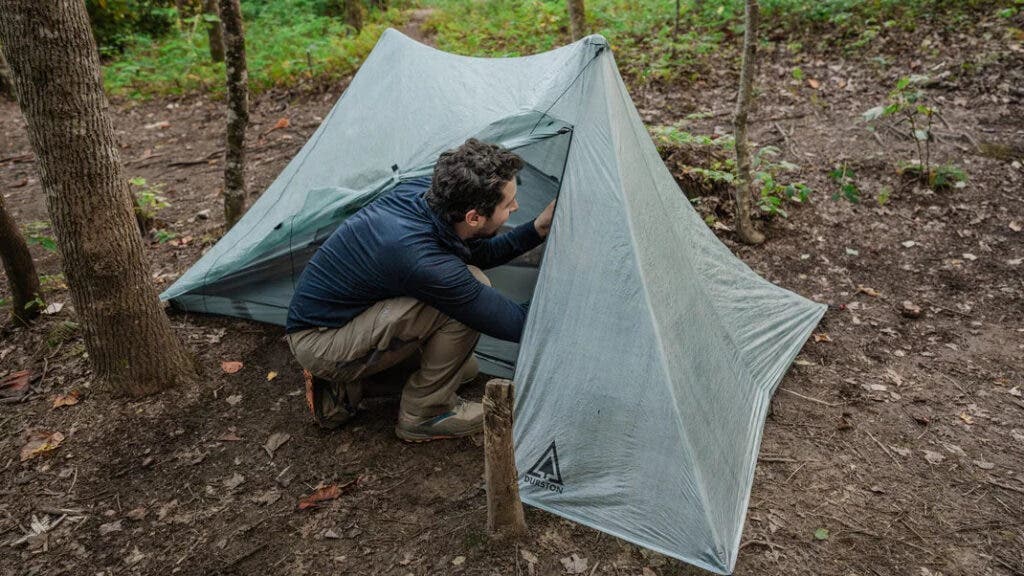
In the shelter category, the Durston X-Mid series has transitioned from a cult favorite known primarily among gear enthusiasts to the definitive dominant tent on long trails. Thru-hikers navigating the PCT and AT report that campsites are frequently saturated with the distinctive asymmetrical silhouette of the X-Mid.

The tent’s architectural success stems from its unique offset geometry, which utilizes standard trekking poles to create expansive interior living space and superior wind-shedding capabilities without the structural complexity of traditional tent poles. While early production runs suffered from supply constraints and limited release windows, increased manufacturing capacity this past season enabled thousands of long-distance trekkers to adopt the shelter. The widespread presence of Durston tents underscores a broader market preference for hybrid, trekking-pole-supported shelters over freestanding, heavier legacy designs.
The Analog Resurgence: Standalone Cameras on the Trail
Perhaps the most unexpected trend of the recent hiking season is the renaissance of dedicated, standalone cameras. While smartphones equipped with advanced computational photography software remain ubiquitous, a growing segment of thru-hikers is deliberately choosing to carry separate digital, film, or disposable cameras.
Amber Rae Hedman, a veteran of multiple long trails including repeated treks on the PCT, highlights the cultural shift driving this behavior. "Documenting the journey has become such a big part of the thru-hiking experience," Hedman explains. For many modern hikers, the constant distraction of a smartphone—which serves as a navigation tool, communication device, and financial portal—detracts from the immersive nature of the wilderness experience.
Carrying a dedicated camera represents a conscious effort to decouple memory-making from digital connectivity. While the additional weight requires careful calculation, proponents argue that dedicated optical sensors deliver superior image quality and dynamic range while preserving smartphone battery life for essential navigation and safety functions.
Broader Implications for the Outdoor Gear Industry
The gear trends observed across the long trails this past season signal a maturing consumer base that demands higher performance, reduced environmental impact, and specialized utility. As cottage brands and agile manufacturers leverage technologies like 3D printing and advanced synthetic textiles, legacy outdoor corporations are forced to adapt or risk obsolescence.
Ultimately, the choices made by thru-hikers testing equipment in extreme conditions serve as a reliable crystal ball for the future of camping and backpacking. Whether through the elimination of single-use plastics, the optimization of ultralight sleep systems, or the return of intentional analog photography, the modern thru-hiker continues to redefine what it means to travel lightly and purposefully through the natural world.