










While the outdoor industry has shifted significantly over the past decade toward lightweight, low-cut trail runners, a dedicated segment of the hiking population remains tethered to the traditional mid-cut hiking boot. For those with compromised ankle stability, chronic ligament issues, or a history of sprains, the minimalist trend in footwear can present a legitimate safety hazard. Data from orthopedic injury reports suggests that on uneven, technical terrain, the mechanical support provided by a structured collar can significantly reduce the incidence of inversion sprains by providing a physical barrier against extreme joint rotation.
As of October 2026, the footwear market has responded to this need by blending heritage-style stability with modern material science. Expert reviewers, led by Blair Braverman and the editorial team at Backpacker, have concluded a comprehensive testing cycle involving over 700 miles of varied terrain to identify the most effective boots for hikers who require extra structural reinforcement.
The Evolution of Ankle Support: A Chronology of Design
The development of the modern hiking boot has undergone three distinct phases in the last fifteen years. From 2010 to 2015, the industry focused on heavy, leather-bound boots that prioritized durability over comfort, often requiring extensive break-in periods. The subsequent "fast-and-light" revolution from 2016 to 2022 saw manufacturers stripping away weight, which left a void for hikers needing structural support.
Since 2023, the industry has entered a "hybrid era." This current trend focuses on using lightweight, high-tensile materials—such as carbon fiber shanks, nitrogen-infused foams, and Kevlar-reinforced uppers—to provide the support of an old-school boot without the weight or stiffness that historically characterized the category. This shift is a direct response to the growing demographic of older hikers and those recovering from lower-extremity injuries who want to maintain access to backcountry trails without compromising their physical health.
Top-Tier Selections for 2026
Our analysis identified seven standout models that balance the competing requirements of ankle protection and trail agility.
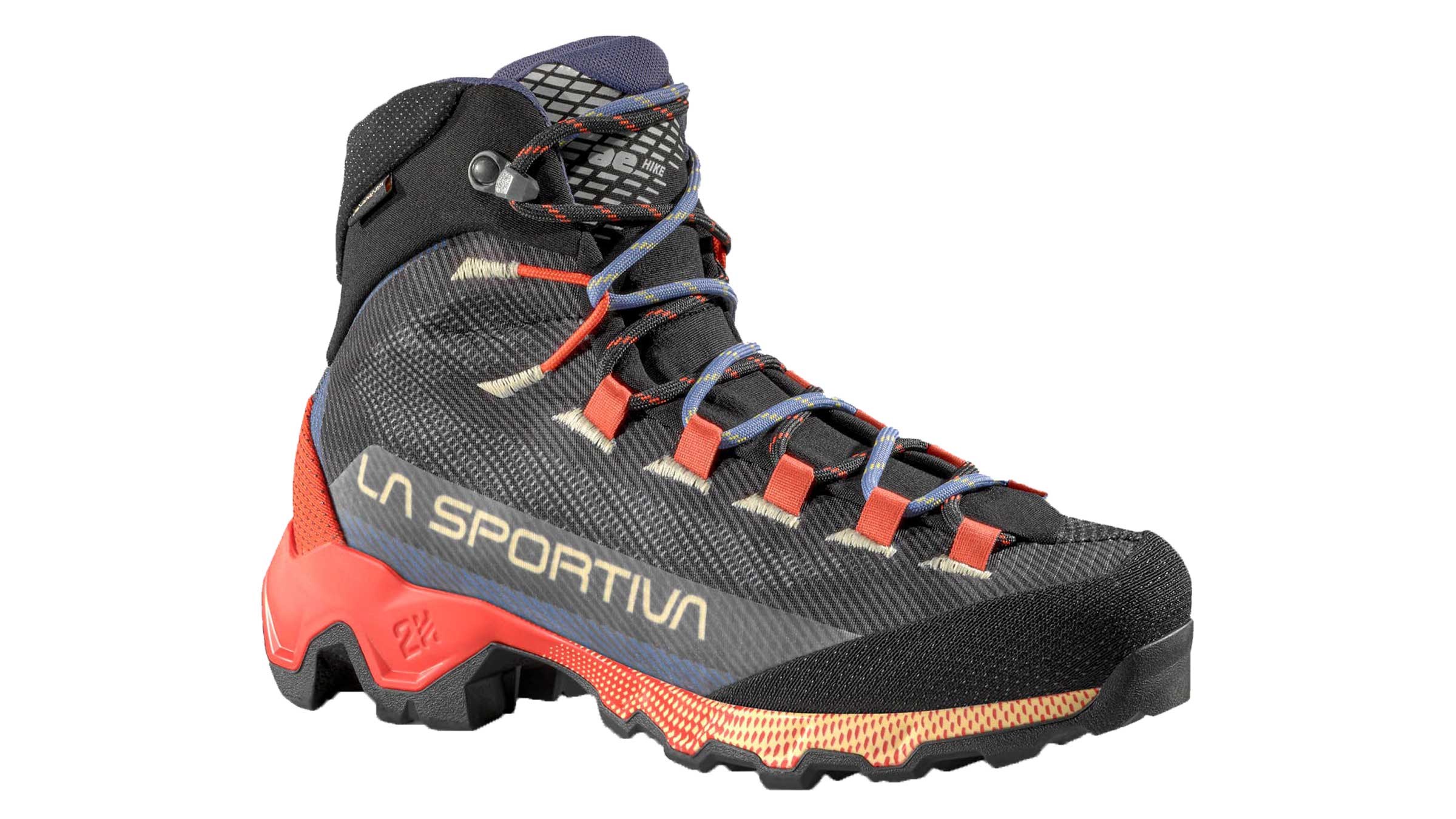
La Sportiva Aequilibrium Hike GTX: The All-Around Standard
The Aequilibrium Hike GTX currently sets the industry benchmark for versatility. By utilizing a polypropylene-stiffened midsole and a highly responsive, PU-injected rubber outsole, it offers a level of rigidity that protects the ankle during lateral shifts without feeling like a mountaineering boot. Testing across 100 miles of rough terrain revealed that the structural integrity of the toe and heel remained largely unmarred, making it a viable long-term investment for serious backpackers.
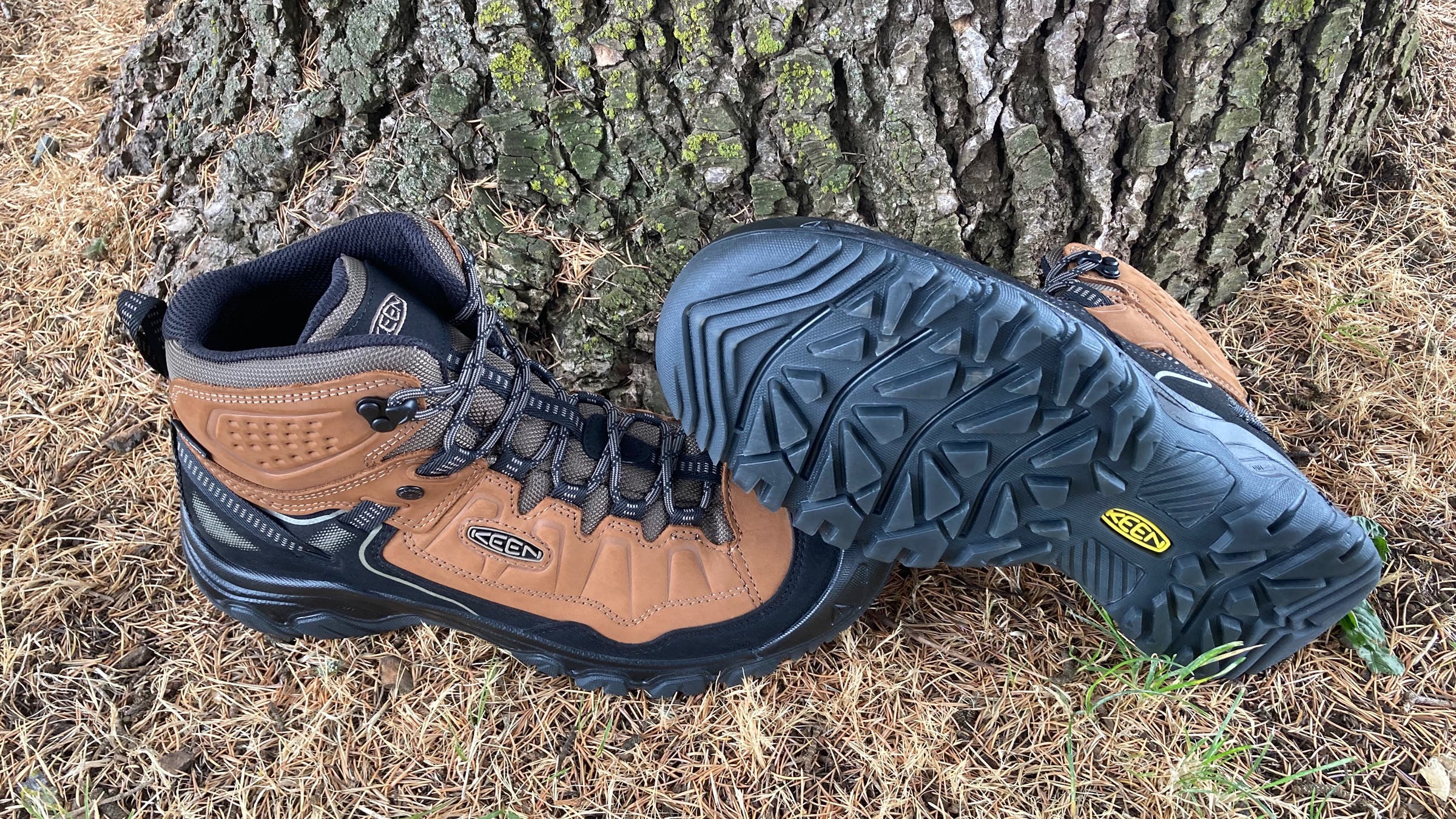
Keen Targhee IV Waterproof Mid: The Value-Driven Choice
For hikers prioritizing longevity and cost-efficiency, the Keen Targhee IV remains a reliable constant. Its construction relies on a traditional, high-cushion leather build that excels in wet, muddy conditions. A key differentiator for this model is the manufacturer’s lifetime guarantee against sole delamination—a common point of failure in cheaper footwear. While the break-in period is longer than that of synthetic competitors, its durability profile makes it an essential choice for high-mileage, budget-conscious users.
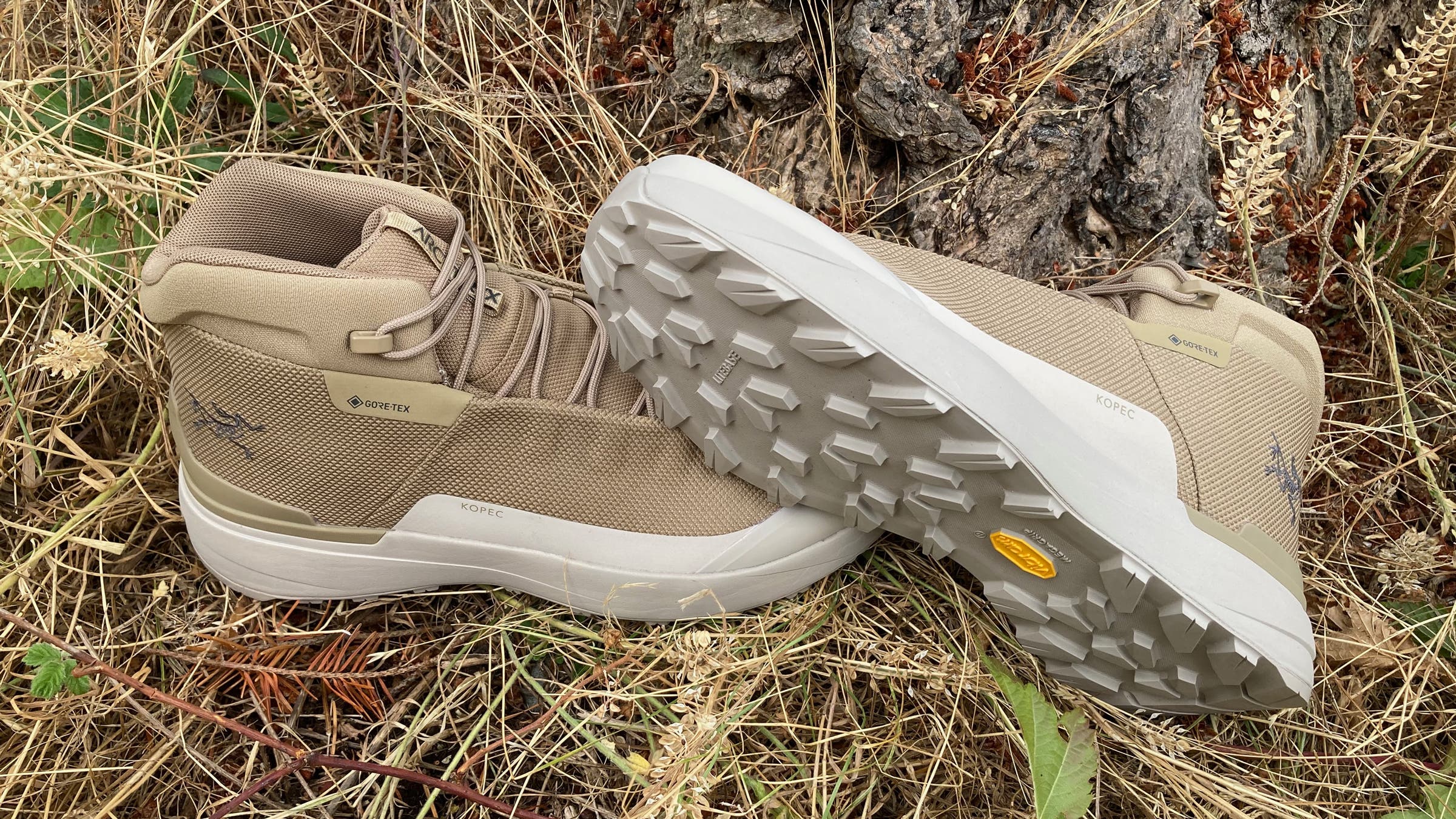
Arc’teryx Kopec Mid GTX: Engineering for Energy Efficiency
Physics plays a major role in hiker fatigue; industry standards often cite that one pound of weight on the feet is equivalent to three pounds carried in a pack. The Kopec Mid GTX addresses this by utilizing advanced synthetic materials to maintain a weight of just 12 ounces for the men’s model. It is specifically designed for the "do-it-all" hiker, providing sufficient lateral support for heavy packs while maintaining the responsiveness needed for high-tempo day hikes.
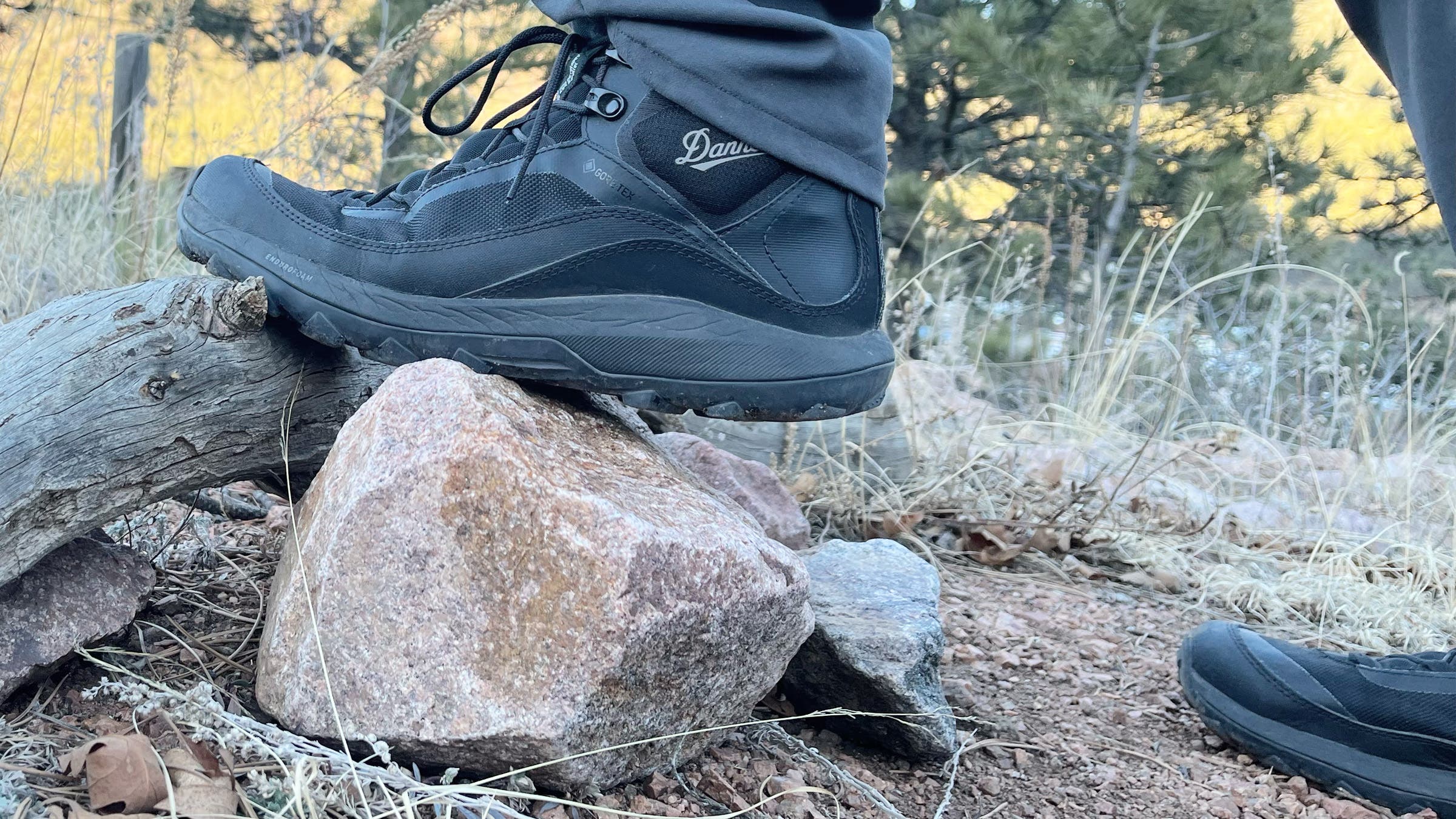
Danner N45 Mid GTX: Support for Heavy Loads
For expedition-style hiking, where packs may exceed 35–40 pounds, the Danner N45 Mid GTX serves a specialized purpose. The inclusion of a TPU rock plate provides an rigid platform that prevents the foot from twisting under the weight of a heavy load. The nitrogen-infused foam midsole offers a dampening effect that reduces joint impact, a critical factor for hikers prone to fatigue-induced stumbles.
The North Face Offtrail Hike LT Mid GTX: The "Hug" Fit
A common critique of supportive boots is that they feel constricting. The North Face has addressed this by pairing a flexible rockguard with a plush, high-padded collar. Testers described the experience as a "firm hug," noting that the boot provides the necessary physical feedback to warn the hiker of an impending roll without causing the discomfort associated with overly rigid leather cuffs.
Meindl Air Revolution Alpine 4.1: The Mountaineering Specialist
For those venturing into high-alpine environments or traversing talus slopes, the Meindl Air Revolution 4.1 represents the extreme end of the support spectrum. It is not designed for casual trail use; rather, it is a tool for rugged, off-trail environments where ankle stability is paramount. While it carries a premium price and significant weight, its breathability and out-of-box comfort set it apart from traditional mountaineering boots that typically require weeks to break in.
Arc’teryx Konseal Trek: High-Tech Security
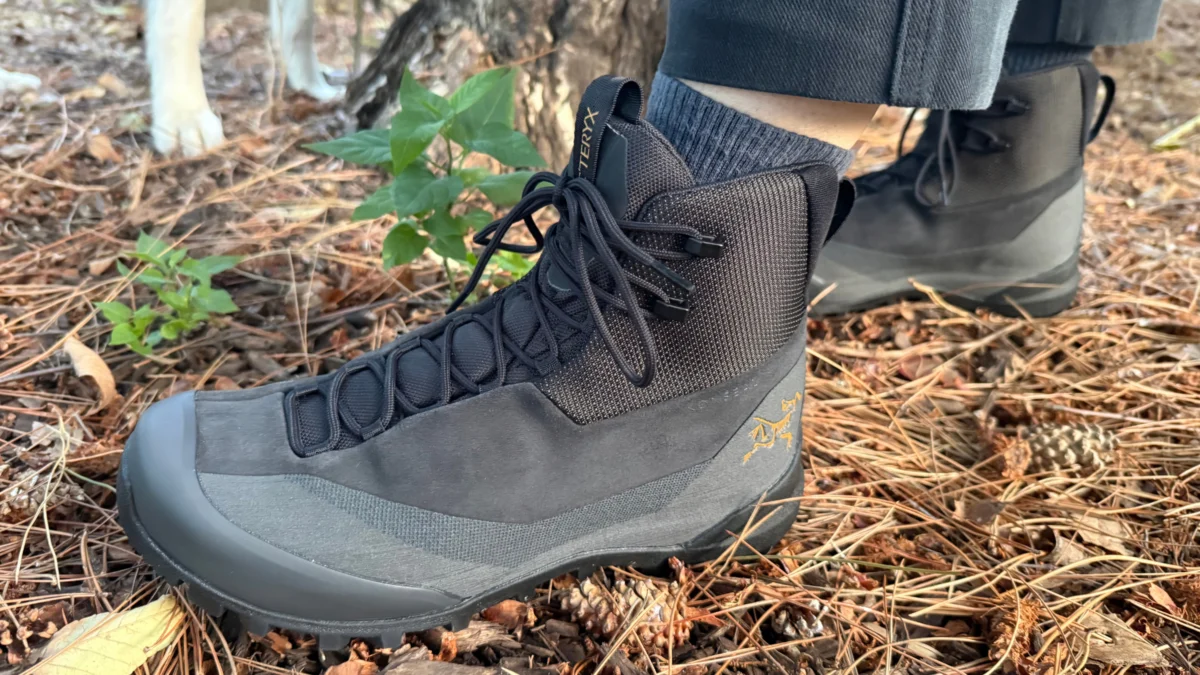
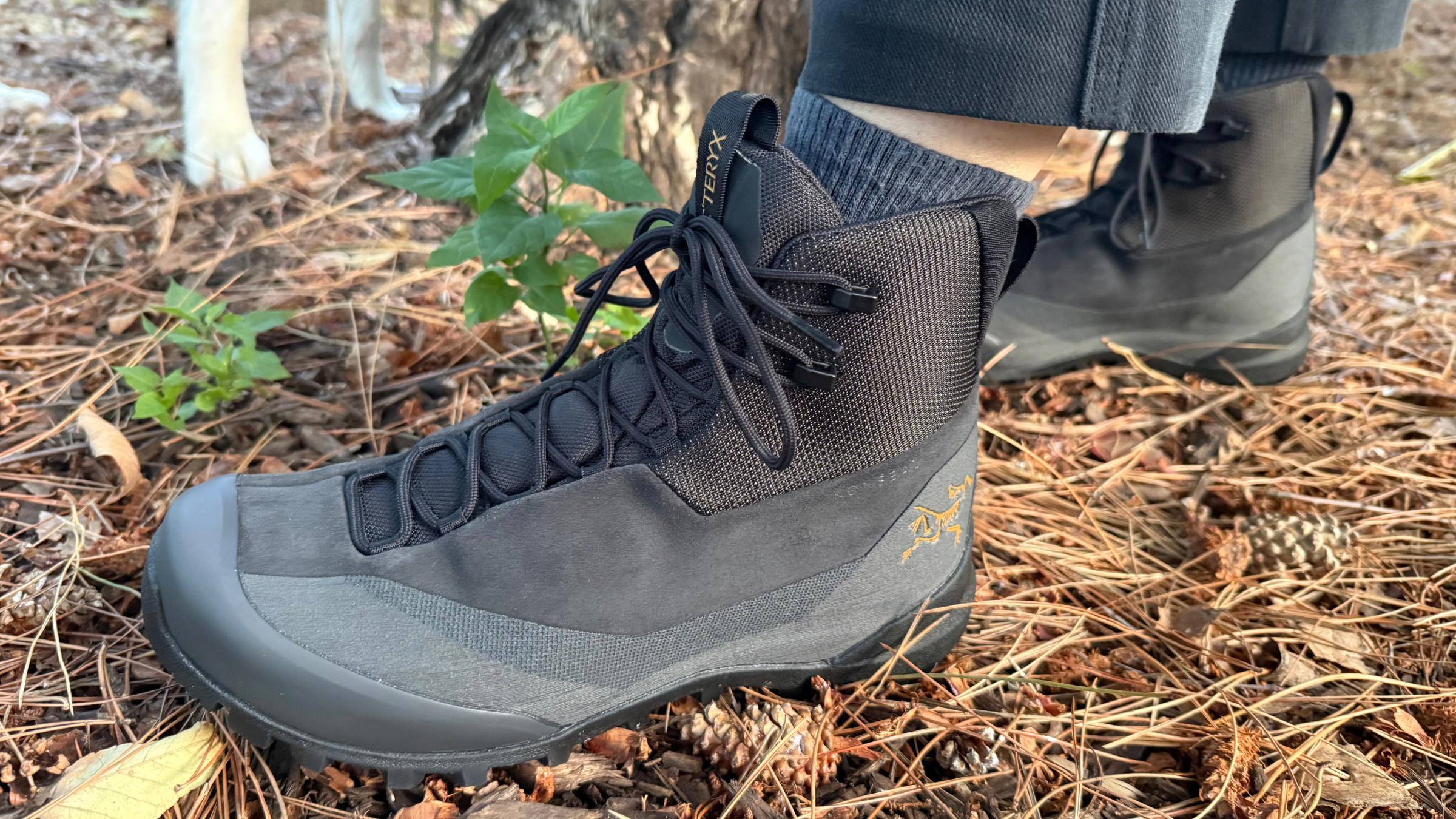
The Konseal Trek incorporates a Kevlar exterior and a carbon fiber shank. This combination creates a "safety cell" for the foot. While the lacing system is notoriously precise and time-consuming, it allows for a custom-fit pressure distribution that holds the ankle securely in place, preventing the heel slippage that often leads to blisters and instability on steep descents.
Technical Analysis: What Defines "Support"
When evaluating a boot for weak ankles, the technical specifications go beyond simple height. A boot must offer three core features:
- Torsional Rigidity: The ability of the sole to resist twisting. If the boot twists like a rag, it offers no protection during an uneven landing.
- Heel Counter Security: A rigid, well-shaped heel cup is the primary anchor for the foot. If the heel moves, the ankle is forced to compensate, leading to premature fatigue.
- Cuff Interface: The transition point between the boot collar and the lower leg. The ideal boot uses padding to bridge this gap, ensuring that the support is firm enough to block over-rotation but soft enough to prevent pressure points that can lead to numbness.
Testing Methodology and Data Collection
The conclusions presented here are the result of a rigorous, multi-continental testing program. Over the course of 2026, 15 testers—ranging from professional guides to long-distance hikers—logged over 700 miles in varied environments, from the coastal trails of British Columbia to the rocky, unpredictable summits of the Northeastern United States.
Every boot underwent a dual-load test: one with a light daypack and one with a multi-day expedition load. This allowed the team to assess how the chassis of the boot reacts to different levels of compression and strain. Furthermore, after every 50 miles, testers provided qualitative data on three key metrics: outsole grip on slick surfaces, the degradation of the midsole cushioning, and the structural integrity of the ankle collar.
The Broader Impact: A Shift in Industry Standards
The sustained popularity of these boots signals a broader realization in the hiking community: equipment should be chosen based on personal physiology rather than current fashion trends. As the average age of the outdoor enthusiast continues to rise, the demand for footwear that mitigates injury risk is expected to grow.
The integration of advanced materials like carbon fiber and nitrogen-infused foam into traditional silhouettes represents the future of the category. These innovations prove that hikers do not have to choose between the safety of a heavy, restrictive boot and the comfort of a trail runner. By focusing on the intersection of support, weight, and material science, the industry is successfully bridging the gap between performance and protection, ensuring that the trails remain accessible to hikers of all ability levels.