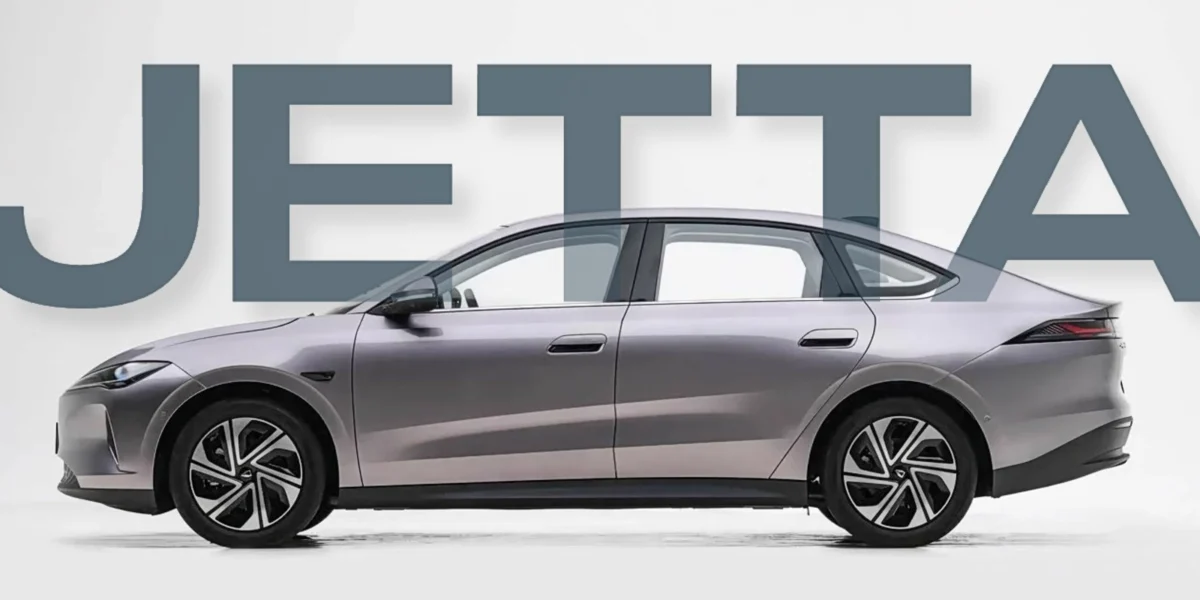
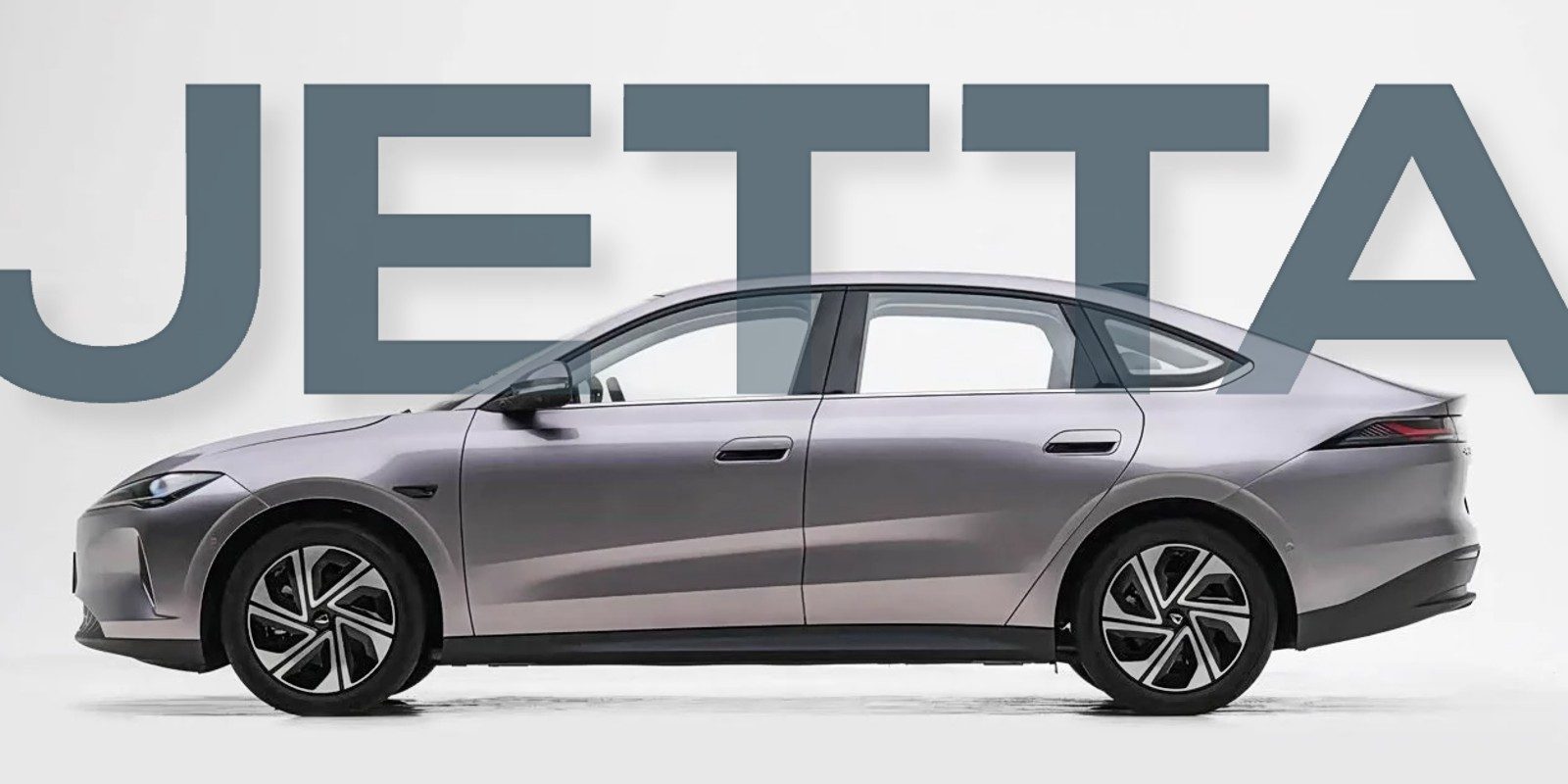
Volkswagen Group, through its joint venture with FAW in China, has officially introduced the Jetta M6, marking the brand’s first foray into the fully electric vehicle market. Aimed squarely at budget-conscious consumers, the new sedan debuts with an aggressive starting price of 79,800 yuan, equivalent to roughly $11,800 USD. By combining a low price point with impressive battery range and modern in-cabin technology, the vehicle seeks to redefine accessibility in the world’s largest electric vehicle market.
The launch of the M6 underscores a broader strategic pivot by legacy automakers operating in China. As domestic manufacturers continue to slash prices and introduce feature-rich electric alternatives, foreign joint ventures are forced to adapt rapidly. The Jetta M6 represents a direct response to this hyper-competitive environment, offering an affordable, family-oriented option designed to capture high-volume sales in China’s rapidly expanding entry-level segment.
Chronology and Development Background
The evolution of Jetta from a specific vehicle model into a standalone brand represents a strategic realignment by Volkswagen Group. Originally introduced as a popular sedan variant of the Volkswagen Golf, the Jetta nameplate gained decades of global recognition for offering reliable, straightforward, and affordable transportation. In 2019, Volkswagen officially spun off Jetta as a distinct budget brand tailored specifically for the Chinese market, managed through its long-standing partnership with First Automotive Works (FAW).
Plans to electrify the Jetta lineup began to take shape as market dynamics in China shifted heavily toward New Energy Vehicles (NEVs). Over the preceding years, FAW-Volkswagen utilized its domestic supply chains and engineering resources to develop a dedicated platform for cost-effective electric vehicles. The architecture underpinning the M6—known as FAW’s Jiesi platform—was engineered explicitly to minimize manufacturing overhead while accommodating modern battery layouts and digital cockpits. Teasers and early design disclosures emerged throughout early 2026, culminating in the official market launch of the M6 in three distinct variants: the 465 Pro, the 555 Max, and the 555 Ultra.
Technical Specifications and Variant Breakdown
The Jetta M6 is offered in three trim levels, with pricing and numerical designations directly corresponding to their estimated range under the China Light-Duty Vehicle Test Cycle (CLTC).
The entry-level variant, the 465 Pro, is priced at 79,800 yuan (~$11,800) and features a 42.9 kWh lithium iron phosphate (LFP) battery pack. Powered by a single front-mounted electric motor generating 113 kilowatts (approximately 150 horsepower), this model achieves a CLTC-rated range of roughly 465 kilometers, translating to approximately 285 miles. Acceleration from 0 to 100 km/h (62 mph) is accomplished in 8.3 seconds.
Stepping up to the mid-tier 555 Max, priced at 89,800 yuan, and the top-tier 555 Ultra, priced at 99,800 yuan, buyers receive a larger 51.9 kWh LFP battery paired with a more potent electric motor delivering 145 kilowatts (approximately 195 horsepower). This configuration reduces the 0 to 100 km/h sprint time to 6.8 seconds while extending the CLTC range to 555 kilometers, or roughly 345 miles.
Battery cells across all variants are supplied by CALB, a prominent domestic battery manufacturer. The charging architecture supports rapid energy replenishment, allowing the vehicles to transition from a 20% to an 80% state of charge in approximately 30 minutes under optimal conditions.
Interior Technology and Ergonomics

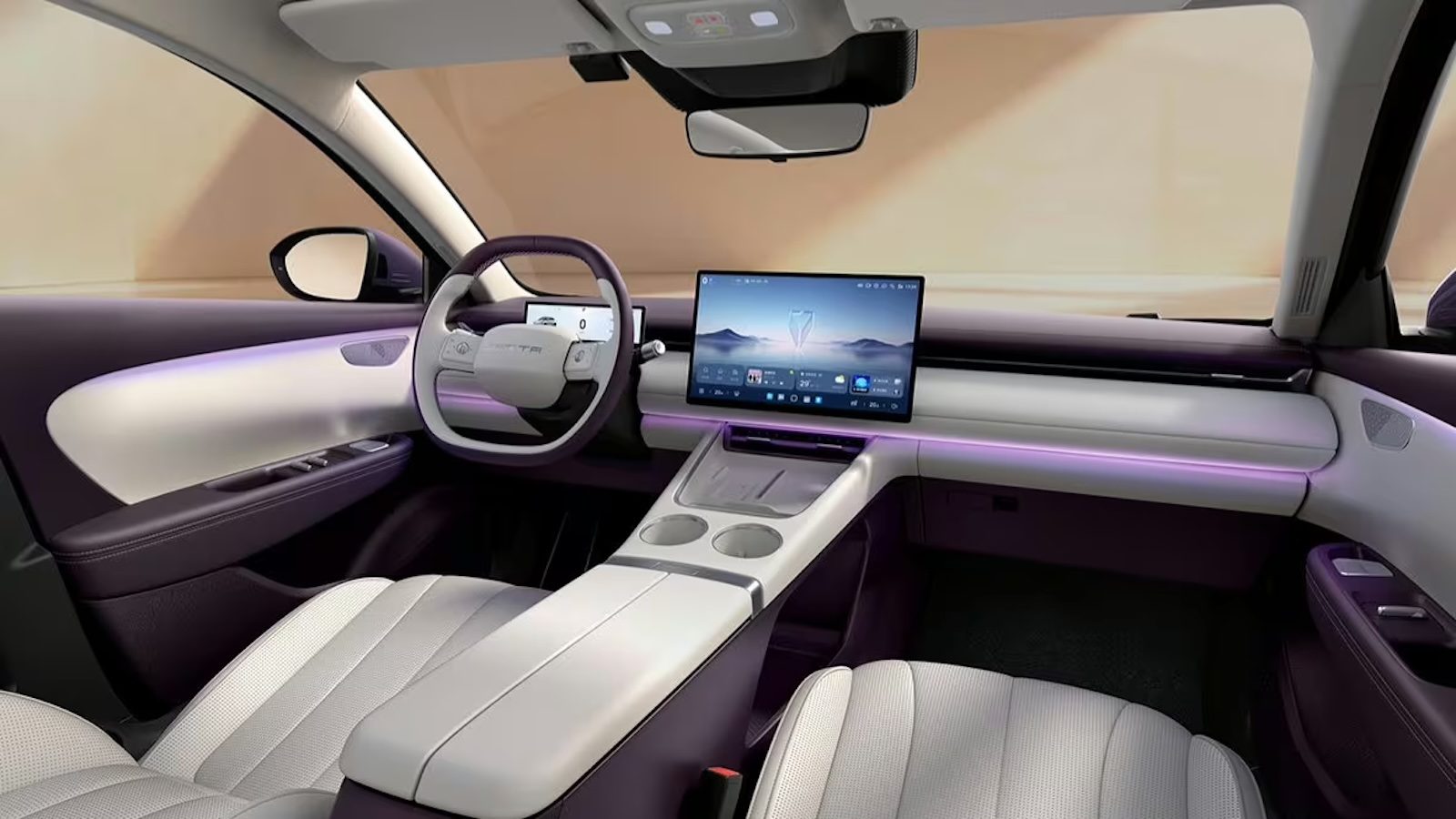
Despite its low cost, the Jetta M6 incorporates a robust suite of digital and driver-assistance technologies. The interior layout features an 8.88-inch digital driver instrument display complemented by a 15.6-inch central touchscreen interface. The infotainment system is integrated with prominent Chinese artificial intelligence assistants, including Doubao and DeepSeek, alongside native support for Apple CarPlay.
Advanced Driver Assistance Systems (ADAS) come standard across all trim levels. The safety suite includes intelligent cruise assistance, automatic emergency braking, and automated parking functions. These features reflect consumer expectations in the contemporary Chinese automotive market, where digital connectivity and driver-assist capabilities are heavily prioritized even in entry-level segments.
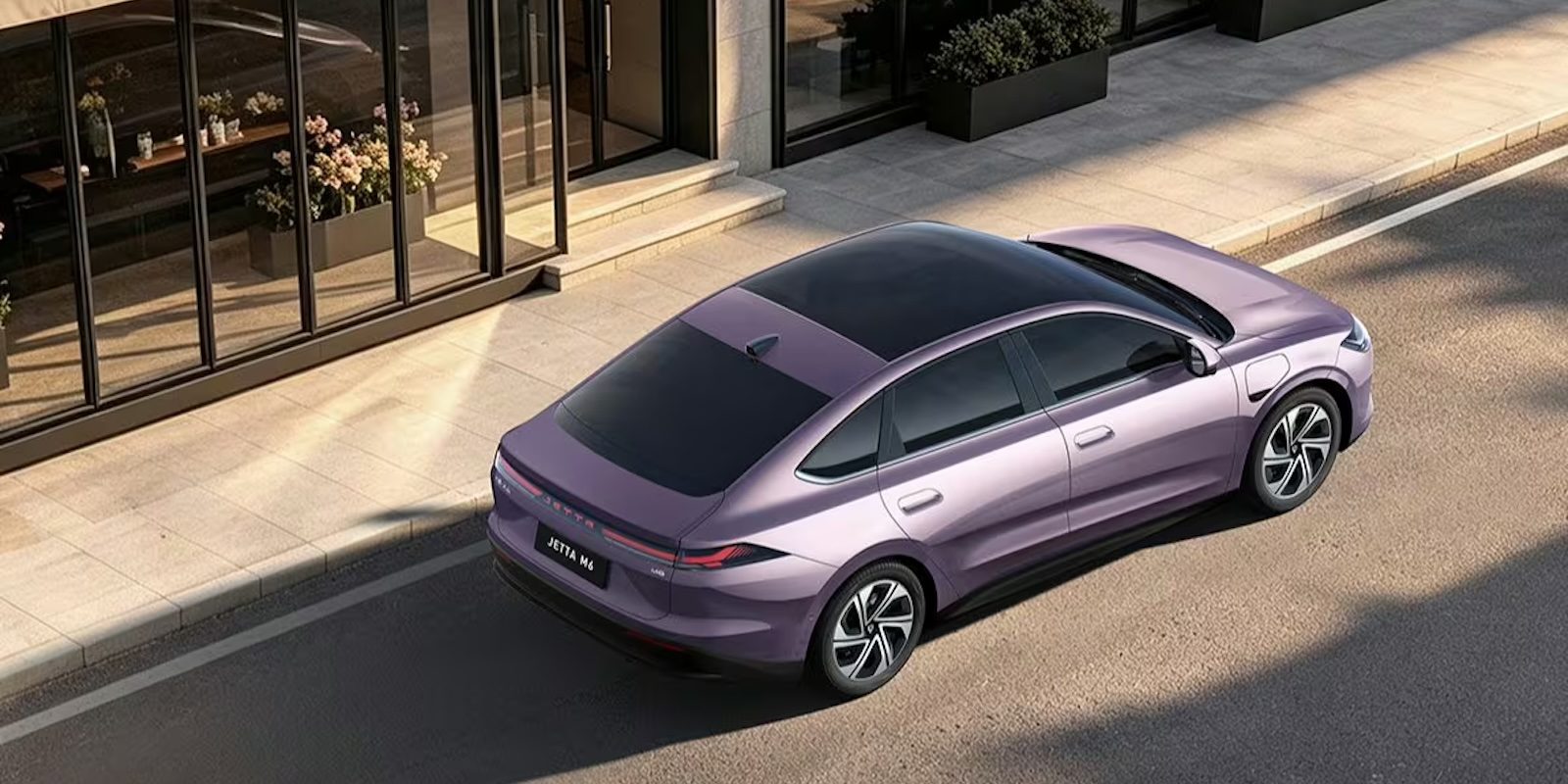
In terms of physical dimensions, the M6 measures 4,806 millimeters in length and 1,868 millimeters in width. These proportions position the sedan directly between traditional compact vehicles, such as the Honda Civic and Toyota Corolla, and midsize offerings like the Accord and Camry. Furthermore, its footprint is comparable to that of the Tesla Model 3, ensuring ample cabin space and legroom for small families and young professionals.

Market Positioning and Strategic Implications
The introduction of the Jetta M6 highlights the intense price competition characterizing the Chinese automotive landscape. As domestic EV makers persistently lower the threshold for electric vehicle ownership, foreign joint ventures must leverage localized supply chains to remain viable. By utilizing domestic suppliers like CALB and manufacturing within FAW’s established ecosystem, Volkswagen can achieve economies of scale that protect operating margins despite low retail prices.
Industry analysts note that vehicles like the Jetta M6 demonstrate how legacy manufacturers can successfully pivot to affordable electrification when unburdened by high-cost Western component sourcing. While the M6 is currently restricted to the Chinese market, its introduction prompts discussions regarding the global scalability of ultra-low-cost electric vehicles. As Western markets grapple with affordability barriers in electric vehicle adoption, the engineering and pricing strategies demonstrated by the Jetta M6 offer a notable case study in mass-market EV viability.