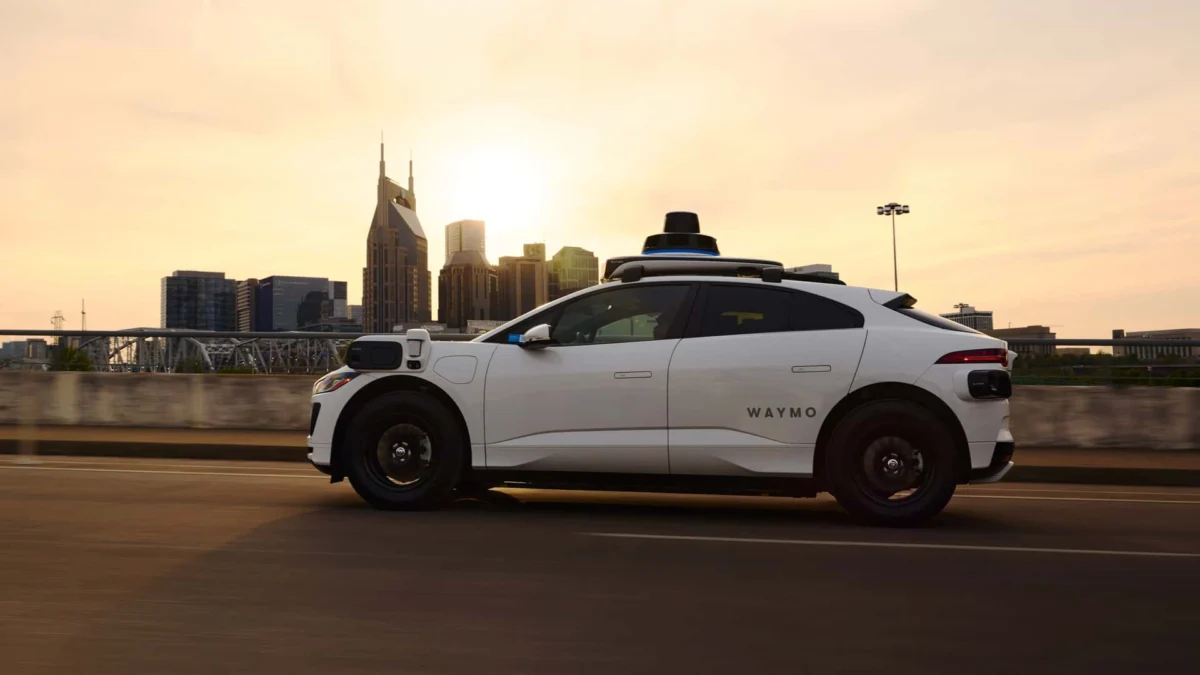
Waymo is systematically expanding its autonomous vehicle footprint across the United States, with Las Vegas emerging as the latest major metropolitan hub for its driverless ride-hailing service. This move, which follows recent launches in Nashville, Tennessee, as well as established operations in Denver and San Diego, marks a significant acceleration in the company’s commercial deployment strategy. By integrating its specialized, all-electric robotaxi fleet into the unique urban environment of Las Vegas, Waymo is transitioning from a developmental testing phase to a mature, high-availability service model in one of the world’s most high-traffic tourism corridors.
A Strategic Move Into the Entertainment Capital
The introduction of Waymo’s service to Las Vegas is not merely an expansion of geography; it is a calculated test of the technology’s ability to navigate complex, high-density environments. The fleet, composed primarily of the Zeekr-manufactured "Waymo Ojai" four-passenger vans, is designed to serve a diverse array of destinations. Riders can expect to hail vehicles for transit between iconic Strip properties, major event venues such as the Sphere and Allegiant Stadium, and various residential neighborhoods throughout the metropolitan area.
While specific operational parameters—including the exact boundaries of the service area and potential limitations regarding high-speed highway access—remain subject to ongoing fine-tuning, the city government has signaled a high degree of cooperation. Las Vegas officials view the arrival of autonomous transit as a component of broader municipal modernization efforts aimed at reducing traffic congestion and improving public safety through the reduction of human-error-related accidents.
Chronology of Expansion
Waymo’s growth has been marked by a deliberate, city-by-city rollout that prioritizes safety verification before full public access. The company’s trajectory over the past several years illustrates this methodical approach:
- Early Development (2009–2018): Originally known as the Google Self-Driving Car Project, the initiative spent nearly a decade in intensive R&D, focused primarily on suburban environments in the San Francisco Bay Area and Phoenix, Arizona.
- The Commercial Inflection (2018–2020): The launch of "Waymo One" in Phoenix signaled the first real-world commercial application, where early riders began using the service for daily commuting.
- Accelerated Scaling (2021–2024): The company shifted gears, launching in major metropolitan centers including San Francisco, Los Angeles, and Austin. The inclusion of Denver, San Diego, and most recently Nashville, indicates that the company’s internal mapping and sensor fusion capabilities have reached a level of maturity that allows for faster integration into new cities.
- The Las Vegas Milestone (2025): The official deployment in Las Vegas serves as a capstone to this period, demonstrating the ability to handle the unique "24/7" nature of the city’s traffic patterns.
The Technological Edge: The Waymo Ojai
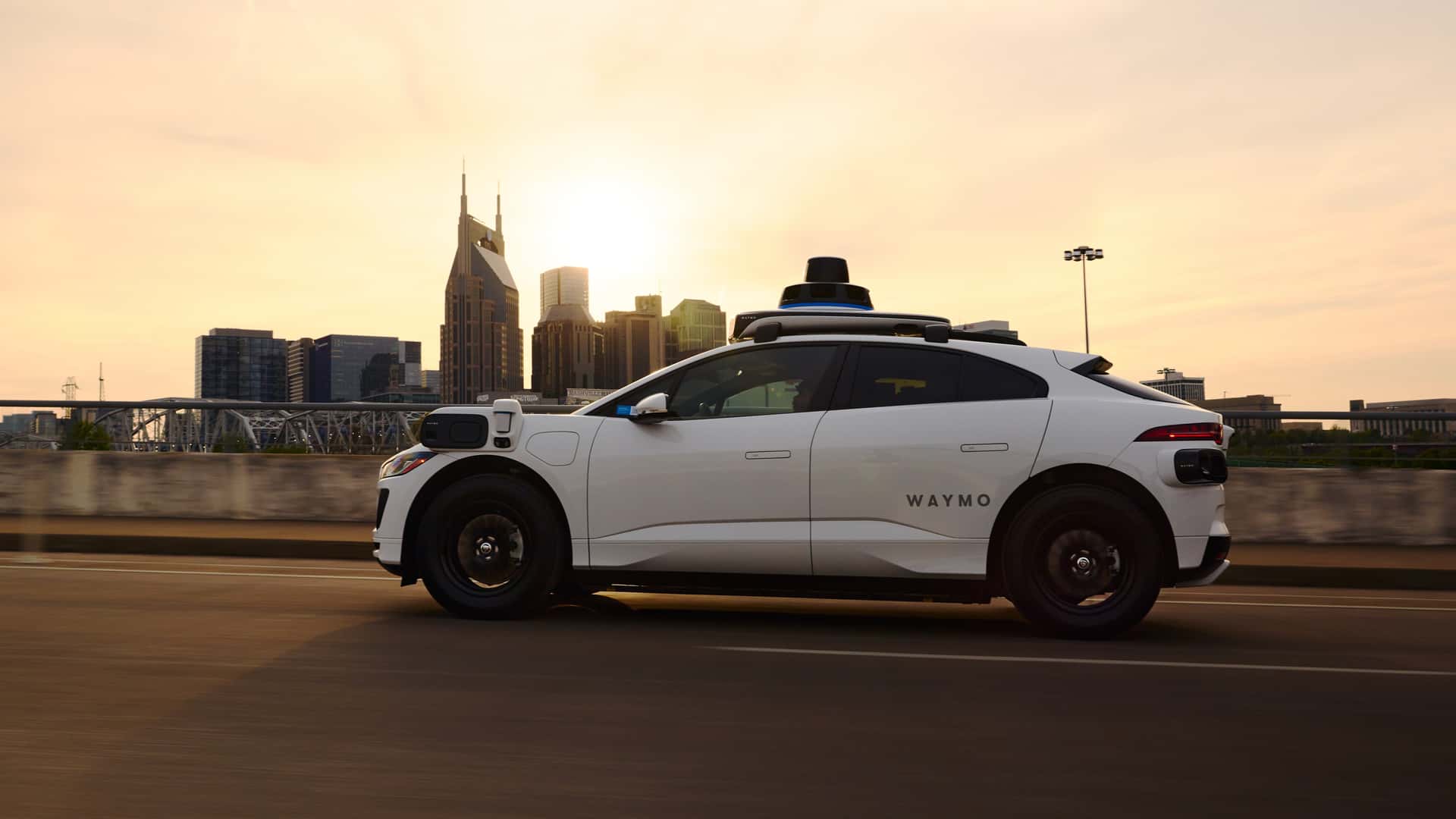
Central to this expansion is the Waymo Ojai, an electric vehicle specifically engineered for autonomous use. Unlike retrofitted consumer cars, the Zeekr-built platform features a cabin designed for passenger comfort rather than a driver’s convenience. With the removal of the steering wheel and pedals in some configurations, the vehicle interior offers an immersive experience for four passengers.
The vehicle relies on a sophisticated suite of LiDAR, radar, and high-resolution cameras to create a 360-degree, real-time map of the surroundings. This sensory array is critical in Las Vegas, where the combination of intense neon lighting, unpredictable pedestrian behavior, and massive event-driven surges in traffic creates a challenging environment for artificial intelligence. By deploying the Ojai in this setting, Waymo is essentially stress-testing its "Driver" software against some of the most complex urban variables in the United States.
Official Perspectives and Municipal Integration
The partnership between Waymo and the City of Las Vegas has been framed by local leadership as a public good. Las Vegas Mayor Shelley Berkley recently underscored the importance of this integration, stating, "The public rollout of Waymo’s all-electric autonomous ride-hailing brings technology directly to our municipal streets, helping residents and patrons travel seamlessly between the cultural districts and neighborhood centers. By investing in cleaner, safer urban mobility, we ensure the City of Las Vegas remains an accessible, vibrant, and forward-looking community."
This endorsement highlights a shift in how municipalities view robotaxis. While early discussions were dominated by concerns over labor displacement and regulatory uncertainty, current city leaders are increasingly focused on "mobility-as-a-service" (MaaS). By providing a clean, electric alternative to traditional taxis and rideshare vehicles, Waymo aligns with broader sustainability goals aimed at reducing the carbon footprint of the hospitality and transit sectors.
Economic and Societal Implications
The broader implications of Waymo’s expansion are significant, touching upon labor, infrastructure, and urban design.
Infrastructure and Traffic Management:
As Waymo gathers data from millions of miles driven, it contributes to a massive repository of urban traffic patterns. Cities are beginning to leverage this data to optimize traffic light timing and road infrastructure. The "predictive" nature of autonomous vehicles—which adhere strictly to traffic laws and do not suffer from fatigue or distraction—can theoretically smooth out the "stop-and-go" waves that cause traffic congestion.
The Labor Market:
The expansion of autonomous ride-hailing naturally raises questions about the future of the traditional gig economy. With competitors like Uber and Lyft also exploring autonomous partnerships, the landscape for professional drivers is evolving. While some argue that robotaxis will eventually displace human drivers, others posit that the technology will create new roles in fleet maintenance, remote tele-operations, and system monitoring.
Safety Statistics:
One of the core metrics for Waymo’s success remains its safety record compared to human drivers. Data provided by the company in various markets has consistently suggested that Waymo vehicles are involved in significantly fewer police-reportable accidents than human-driven vehicles in comparable settings. As the company enters larger, more diverse cities, maintaining this safety margin is the primary hurdle for widespread public acceptance.
The Path Forward: What Comes Next?
Waymo’s strategy appears to be one of "infinite growth" within its technical capabilities. The company has explicitly stated its intention to operate in at least 20 major cities in the coming years. This is not a haphazard expansion; it is a systematic capture of the most profitable and high-density markets in the country.
Investors and analysts are watching the Las Vegas rollout closely to see how the service handles the extreme demand fluctuations associated with major conventions, concerts, and the city’s unique nightlife economy. If the service maintains high reliability and uptime during peak hours, it will likely serve as the definitive proof-of-concept for the viability of autonomous transportation on a national scale.
Furthermore, as the cost of sensor hardware continues to decrease and the computational efficiency of the Waymo Driver improves, the economic feasibility of the service is expected to reach a point where it is price-competitive with public transit and private car ownership. This "tipping point" would effectively change the way cities are planned, potentially reducing the need for large-scale parking structures in urban cores and reclaiming that space for public use.
Conclusion
The arrival of Waymo in Las Vegas is a milestone in the commercialization of autonomous technology. By moving beyond controlled testing and into the heart of a city defined by its dynamism, Waymo is demonstrating that the "robotaxi era" is no longer a future prospect, but a current reality. As the company continues to add cities to its portfolio, the transition from novelty to utility will be defined by how well these systems integrate into the daily lives of residents and the regulatory frameworks of the cities they serve. For now, the lights of Las Vegas provide the perfect backdrop for the next chapter in the evolution of American transit.