The Design Philosophy of Digital Minimalism
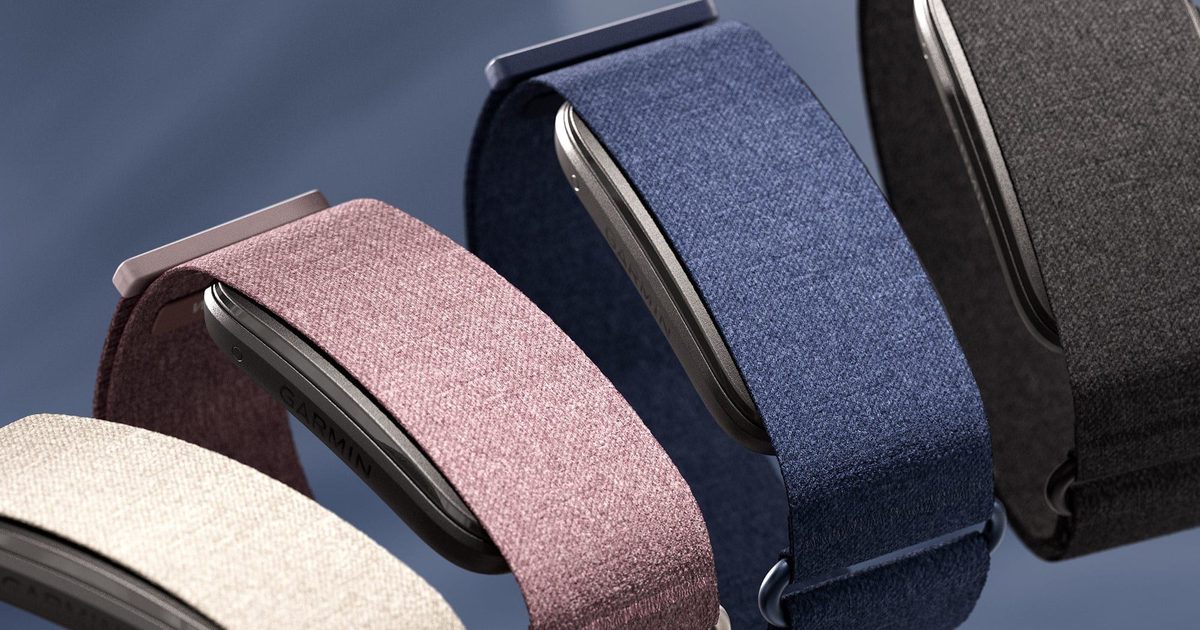
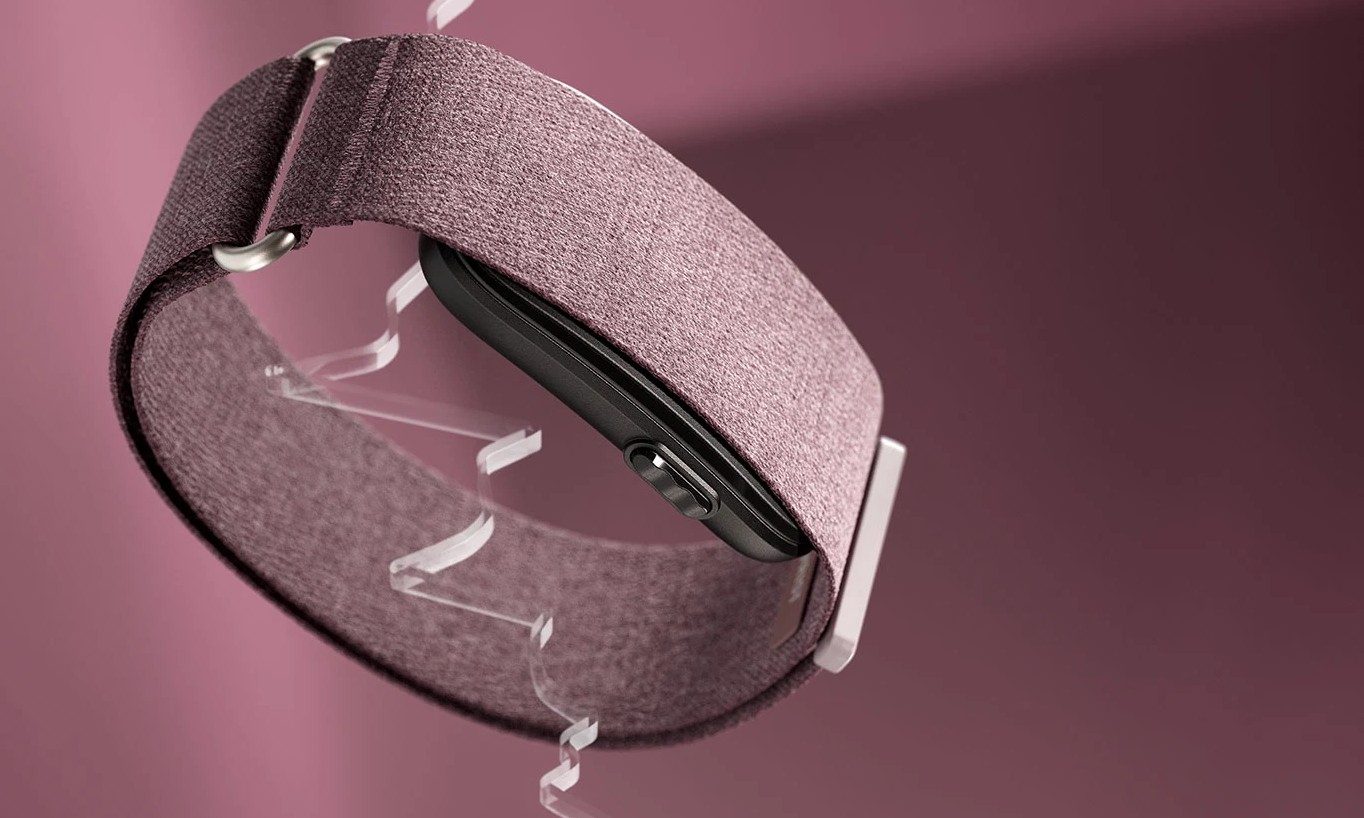
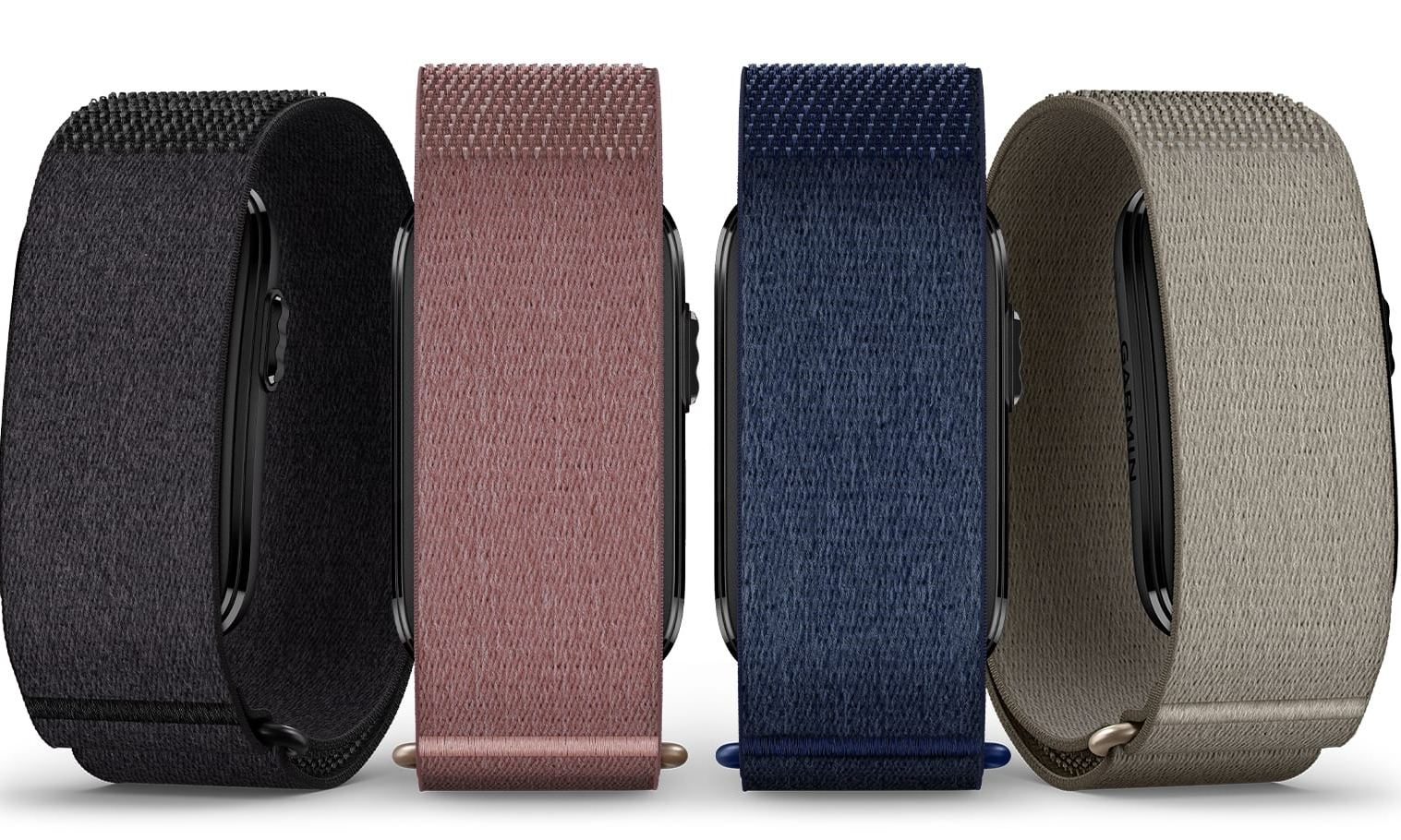
The Garmin CIRQA is a deliberate departure from the bright, high-resolution AMOLED displays found on the company’s flagship Fenix or Venu series. The device features a sleek, low-profile silicone band that prioritizes comfort and unobtrusiveness, making it suitable for 24/7 wear, including during sleep and high-intensity training. The absence of a screen serves a dual purpose: it significantly extends the battery life to an impressive 10 days on a single charge and encourages "digital minimalism." In an era where "doom-scrolling" and notification anxiety are common, the CIRQA offers a "set it and forget it" experience, where the wearer can focus on their physical activity or rest without the constant interruption of wrist-based alerts.
Garmin’s decision to omit a display reflects a broader trend in the wellness community. Many users now prefer to check their health metrics on their own terms via a smartphone app rather than being tethered to a glowing screen on their arm. This design choice also makes the CIRQA more durable and less prone to the screen cracking or scratching that often plagues traditional smartwatches during rugged outdoor use or contact sports.
Comprehensive Health and Fitness Tracking Capabilities
Despite its small footprint, the CIRQA is packed with an array of sophisticated sensors. It utilizes Garmin’s latest heart rate monitor technology, alongside blood oxygen (SpO2) sensors, skin temperature variations, and high-precision motion accelerometers. These components work in tandem to provide a holistic view of the user’s physiological state throughout the day and night.
One of the standout features of the CIRQA is its support for more than 80 distinct activity profiles. This includes traditional exercises like running, cycling, and swimming—facilitated by its water-resistant construction—as well as more niche activities such as HIIT, yoga, and even specialized sports tracking. The device features automatic activity detection, which uses motion patterns and heart rate spikes to identify when a user has started a walk or a run, ensuring that no workout goes unrecorded even if the user forgets to manually initiate a session in the app.
Beyond active minutes, the CIRQA provides deep insights into recovery. It tracks various stages of sleep, including light, deep, and REM cycles, and provides a "Sleep Score" to help users understand the quality of their rest. The inclusion of a skin temperature sensor allows for more nuanced health tracking, such as identifying early signs of illness or monitoring menstrual cycles and ovulation windows with greater accuracy.
The Garmin Connect Ecosystem: A Subscription-Free Stronghold
The most significant competitive advantage the CIRQA holds over its rivals is the lack of a mandatory subscription fee. While competitors like Whoop require a monthly membership to access any data at all, and Fitbit reserves its advanced "Health Coach" and deep analytics for a $9.99-per-month premium tier, Garmin provides its entire suite of analysis tools for free.
All data from the CIRQA is synced to the Garmin Connect app, a platform that has been refined over decades. Within the app, users can access proprietary metrics such as:
- Body Battery: A feature that uses heart rate variability (HRV), sleep, and activity data to estimate the user’s energy levels throughout the day, helping them decide when to push hard and when to rest.
- Garmin Coach: Free, adaptive training plans for 5K, 10K, and half-marathon distances that adjust based on the user’s performance and recovery.
- Lifestyle Logging: A centralized hub for tracking hydration, weight, and stress levels.
- Smart Alarm: A vibration-based haptic alarm that can be set to wake the user during a light sleep stage within a 30-minute window of their target wake-up time, reducing morning grogginess.
By offering these features without a recurring cost, Garmin is positioning the CIRQA as a long-term investment for the consumer. At $199.99, the upfront cost is higher than the $99.99 Fitbit Air, but the total cost of ownership becomes lower after just ten months of avoiding a subscription fee.
Comparative Market Analysis: Garmin vs. Fitbit vs. Whoop
The screenless wearable market is currently divided into three distinct tiers, and the CIRQA sits firmly in the middle.
- The Entry-Level (Fitbit Air): At $99.99, the Fitbit Air is designed for the casual user who wants basic step and sleep tracking. However, its seven-day battery life falls short of the CIRQA, and its reliance on the Google/Fitbit ecosystem means that some of the most insightful data remains locked behind a paywall.
- The Mid-Range Pro (Garmin CIRQA): At $199.99, the CIRQA targets the "prosumer"—individuals who are serious about their fitness data but don’t want the bulk of a traditional sports watch. It offers more workout modes (80+) than the Fitbit Air and a longer 10-day battery.
- The Elite Subscription Model (Whoop 5.0): Whoop remains the choice for elite athletes who want hyper-specific recovery and strain data. However, the requirement of a $30/month (or $239/year) membership makes it a "rental" model that many users find difficult to justify over several years.
A notable trade-off for the CIRQA’s slim design is the lack of built-in GPS. Unlike Garmin’s Forerunner series, the CIRQA relies on "Connected GPS," meaning it must be paired with a smartphone to track the exact route, pace, and distance of outdoor activities. For many runners, this may be a dealbreaker, but for the CIRQA’s target audience—gym-goers, hikers who already carry phones, and lifestyle users—it is a calculated omission that helps maintain the 10-day battery life.
Chronology of the Screenless Trend
The launch of the CIRQA follows a series of market shifts. In 2021 and 2022, the wearable market was dominated by "more is more"—larger screens, more notifications, and cellular connectivity. However, 2023 saw a "screen fatigue" backlash. Market research indicated that a significant portion of smartwatch owners were disabling notifications to avoid anxiety.

In early 2024, rumors began to swirl that Garmin was developing a "silent" wearable to compete with the rising popularity of smart rings like the Oura Ring and the Samsung Galaxy Ring. However, instead of a ring, Garmin chose the band form factor, which allows for more accurate heart rate monitoring during vigorous exercise (due to the stability of the wrist vs. the finger) and a larger battery. The CIRQA is the culmination of this development cycle, arriving just as the industry moves toward "invisible" technology.
Broader Impact and Industry Implications
The introduction of the CIRQA is likely to force other manufacturers to reconsider their subscription models. As Garmin proves that high-level analytics can be delivered without a monthly fee, consumers may become less willing to pay for "data behind a paywall." This could lead to a shift where hardware sales once again become the primary revenue driver for wearable companies, rather than recurring service fees.
Furthermore, the CIRQA’s 10-day battery life sets a new benchmark for the category. As battery technology improves, the expectation for wearables to last a full week or more is becoming the standard, potentially rendering the "daily charge" cycle of many popular smartwatches obsolete for health-focused users.

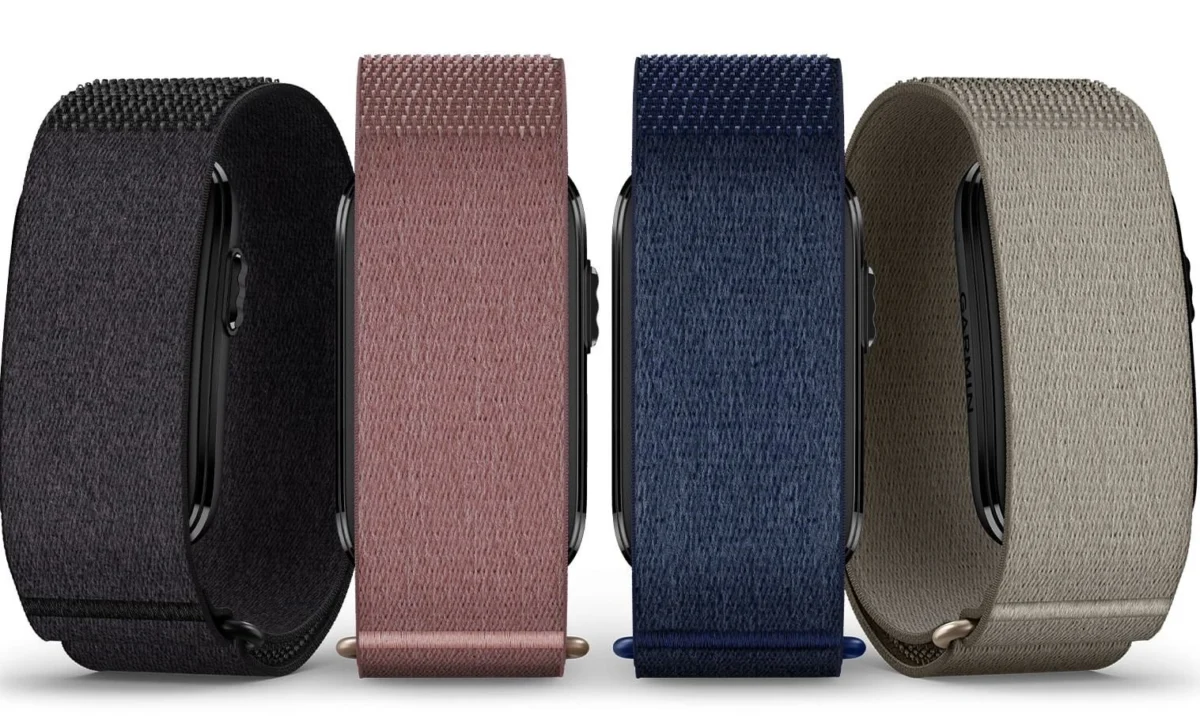
The Garmin CIRQA is available in two sizes to accommodate different wrist circumferences and comes in four colorways: Black, Blue, Beige, and Red. By combining the deep athletic heritage of the Garmin brand with a modern, minimalist aesthetic, the CIRQA is poised to become a favorite for those who want to live a tracked life without living a "connected" one. It represents a sophisticated balance of power and restraint, proving that in the world of fitness technology, sometimes less really is more.