






The current wave of deals focuses heavily on products that have received critical acclaim, including several What Hi-Fi? Award winners. For consumers, this shift in retail strategy presents an opportunity to bypass the typical logistical bottlenecks and inventory shortages that often characterize the actual Black Friday weekend. By analyzing the current market, it becomes clear that manufacturers are attempting to secure market share early, providing a strategic advantage to those who act before the peak of the holiday shopping rush.
The Evolution of the Black Friday Shopping Window
Historically, Black Friday was a singular event occurring on the day following Thanksgiving in the United States. Over the last decade, however, the event has undergone a significant transformation. Retailers have moved away from the "doorbuster" model—which relied on limited quantities of deeply discounted items—in favor of sustained promotional periods.
Data from retail analysts suggests that this transition is driven by the need to manage supply chain logistics and provide a more controlled environment for digital transactions. By spreading out sales, companies can avoid the website crashes and shipping delays that plagued the industry during the height of the e-commerce boom. For the consumer, this has resulted in a more predictable pricing environment, where price drops are often announced incrementally throughout November.
Key Product Discounts and Market Analysis
The current selection of discounted hardware spans a wide variety of categories, ranging from budget-friendly audio accessories to high-end home cinema projection systems. The following analysis details the most notable items currently available at reduced price points.
Home Cinema and Visual Entertainment
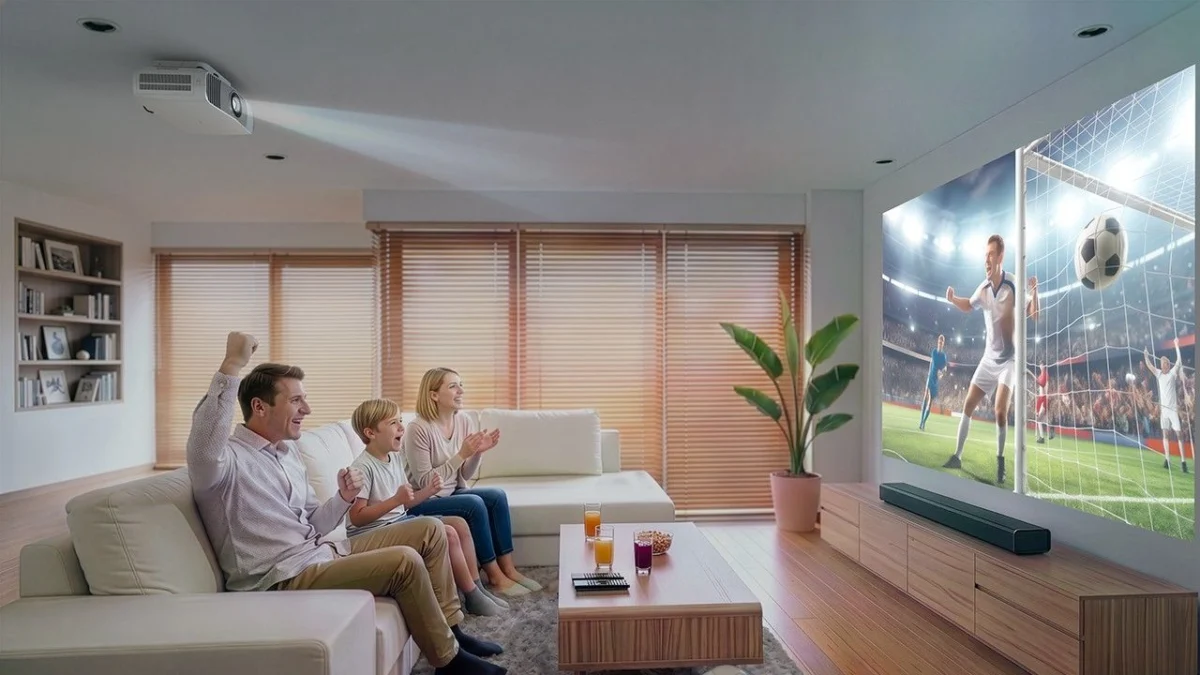
One of the most significant price reductions currently observed is on the AWOL Vision Aetherion Max, an ultra-short-throw (UST) projector. With a discount of £1,000, this deal highlights the aggressive pricing strategies being applied to premium home cinema hardware. UST projectors are increasingly viewed as a viable alternative to traditional large-format televisions, as they allow for screen sizes exceeding 100 inches while requiring minimal installation space.
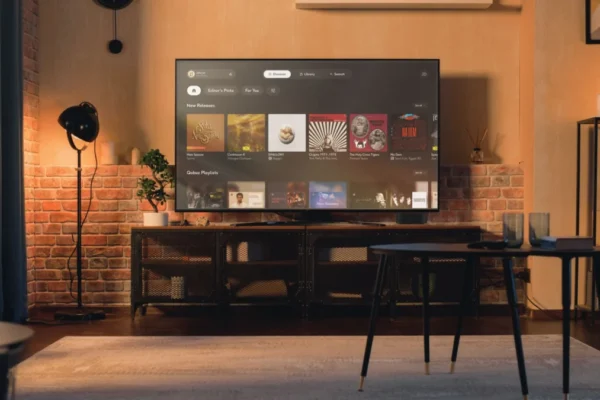
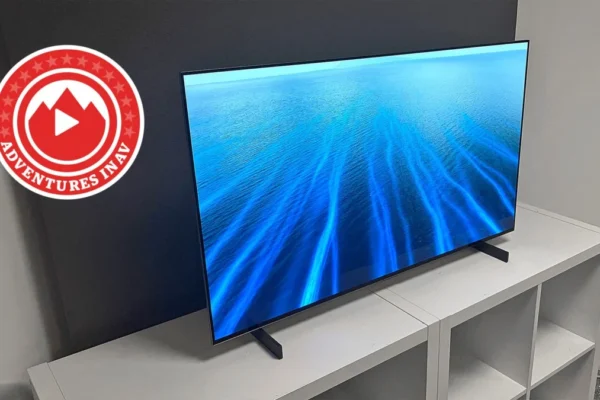
In the television segment, the LG C6 OLED remains a focal point. Marketed as a premier choice for next-generation gaming—specifically with high-fidelity titles like the highly anticipated GTA 6—the LG C6 features four HDMI 2.1 ports, support for 4K resolution at 120Hz, and variable refresh rate (VRR) technology. The inclusion of these features ensures the set is compatible with the latest console standards, including the PlayStation 5 and Xbox Series X, making it a target for enthusiasts seeking future-proof hardware.
High-Fidelity Audio Solutions
The audio sector has seen a surge in value-oriented deals. The Triangle AIO Twin, a versatile speaker system that combines amplification, network streaming, and connectivity into a single chassis, is now priced at a new low of £499. This product represents a shift toward "all-in-one" hi-fi, where consumers are prioritizing ease of use and space efficiency without sacrificing the sound quality associated with traditional separates.
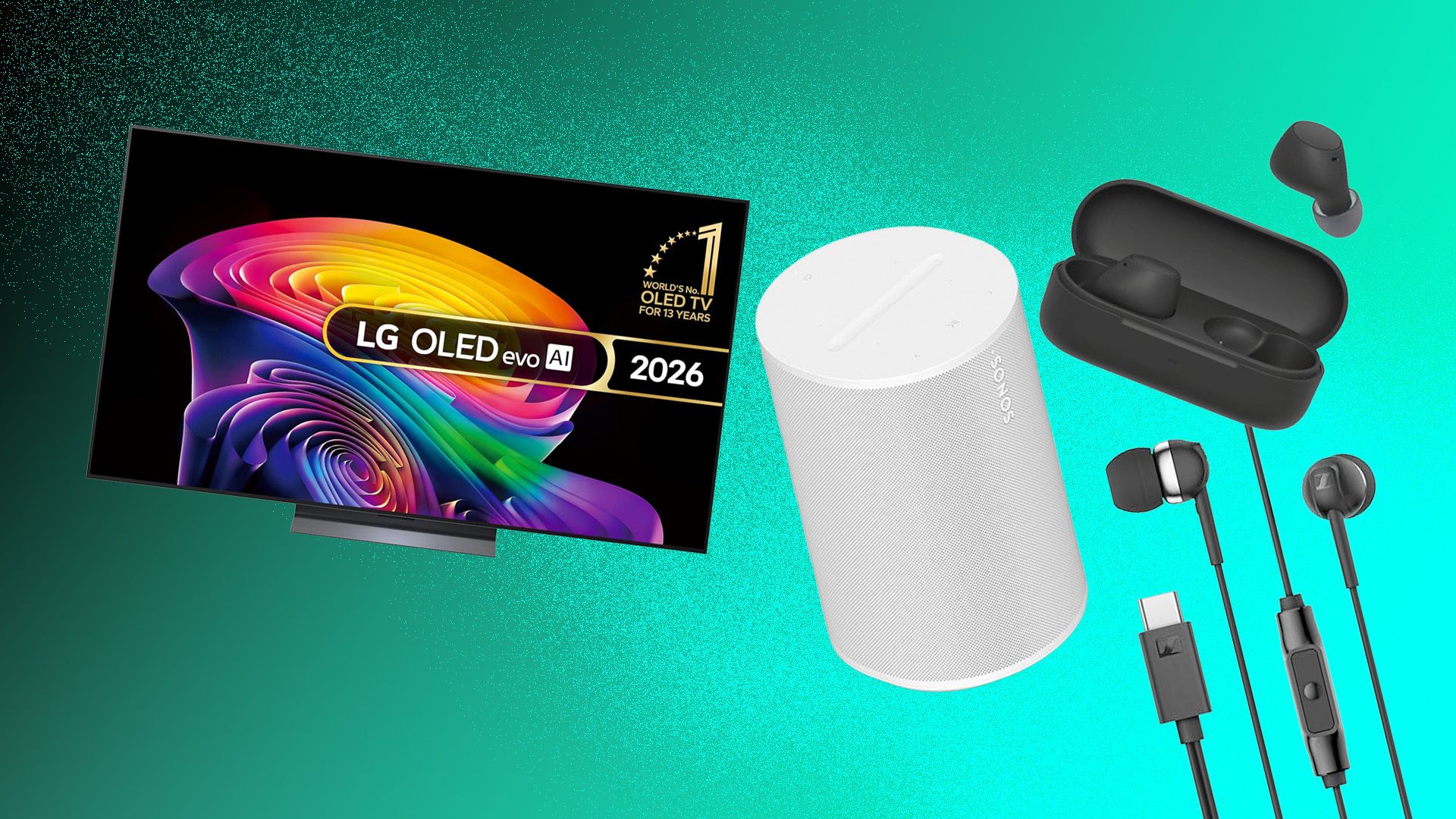
Similarly, the Sonos Era 100 SL—a variant of the five-star Era 100 that omits built-in voice control—has been positioned as a cost-effective entry point into the Sonos multi-room ecosystem. By removing the microphones, Sonos has created a niche for consumers who prioritize the brand’s signature audio quality and streaming capabilities while maintaining concerns regarding privacy or smart-home integration.
Headphones and Personal Audio
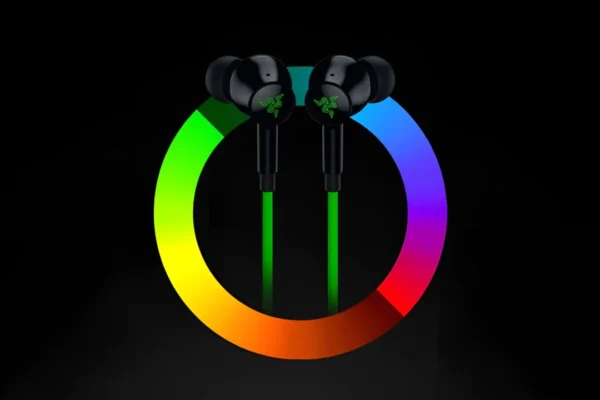
Personal audio remains the most competitive category during the pre-Black Friday period. Sony has aggressively priced both its budget and mid-range offerings. The Sony WF-C510 earbuds, priced at approximately £30, provide a baseline for affordable, high-quality audio that includes modern conveniences such as Bluetooth Multipoint—a feature that was historically reserved for much more expensive hardware.
The Sony WH-CH730N headphones, which only reached the market in September, are already receiving their first major discount. This rapid transition from launch to promotion is reflective of the current pace of the consumer electronics cycle, where newer models must compete with the legacy of previous-generation winners like the Sony WH-1000XM4C. The latter, having been updated to meet 2026 technical standards, continues to be a benchmark for noise-canceling performance.
Strategic Implications for the Retail Landscape
The decision to discount award-winning products so early in the season suggests a shift in how manufacturers view inventory turnover. When a product is designated a "Product of the Year" or a "Best Buy," it usually commands a premium price throughout the majority of the calendar year. By offering these items at a discount in mid-November, brands are effectively leveraging the positive sentiment associated with these awards to drive high-volume sales before the year-end fiscal reporting period.
Furthermore, these deals serve to highlight the widening gap between entry-level and flagship technology. For example, the disparity between the Sony HT-SF150 soundbar—the most affordable recommendation for those seeking an improvement over standard television speakers—and the premium audio setups reflects a market that is increasingly segmented. Consumers are no longer forced to choose between poor-quality built-in audio and expensive, complex home theater systems.
Chronology of the 2026 Holiday Shopping Cycle
- Early November: Initial leaks and "teaser" sales begin to appear across major e-commerce platforms, focusing on peripheral tech and legacy models.
- Mid-November: Official "Early Black Friday" campaigns launch. This period sees the first major price drops on current-year award winners, such as the Sony WH-CH730N and the LG C6.
- Pre-Black Friday Week: Retailers stabilize their pricing models. This phase is characterized by a "best-of" selection where retailers aggregate the most successful promotions of the month.
- Black Friday/Cyber Monday: The final push. Historically, this is when deep discounts on "doorbuster" items occur, though industry experts note that the margin of difference between current prices and those found on Black Friday itself has narrowed significantly.
Future Outlook: What to Expect
As the market approaches the official Black Friday date, industry analysts expect a saturation of promotions. However, the current trend indicates that the "early bird" strategy is becoming the new standard. For consumers, the implications are largely positive: the ability to research products, compare them against expert reviews, and make informed purchasing decisions over several weeks is a marked improvement over the traditional, high-pressure, single-day shopping event.
The focus for the remainder of the season will likely shift toward supply chain management. As retailers clear out current stock to make room for 2027 product lines, shoppers can expect to see deeper, more frequent discounts on older models that are being phased out. However, those waiting for the absolute lowest price on flagship hardware may find that the best deals are already live, as manufacturers prioritize clearing inventory to ensure a smooth transition into the new fiscal year.
In conclusion, the current early-access environment provides a rare opportunity to acquire high-performance technology at historically low price points. By focusing on products that have been independently verified through rigorous testing, consumers can mitigate the risks associated with discount-driven shopping, ensuring that their holiday investments offer genuine, long-term value.