









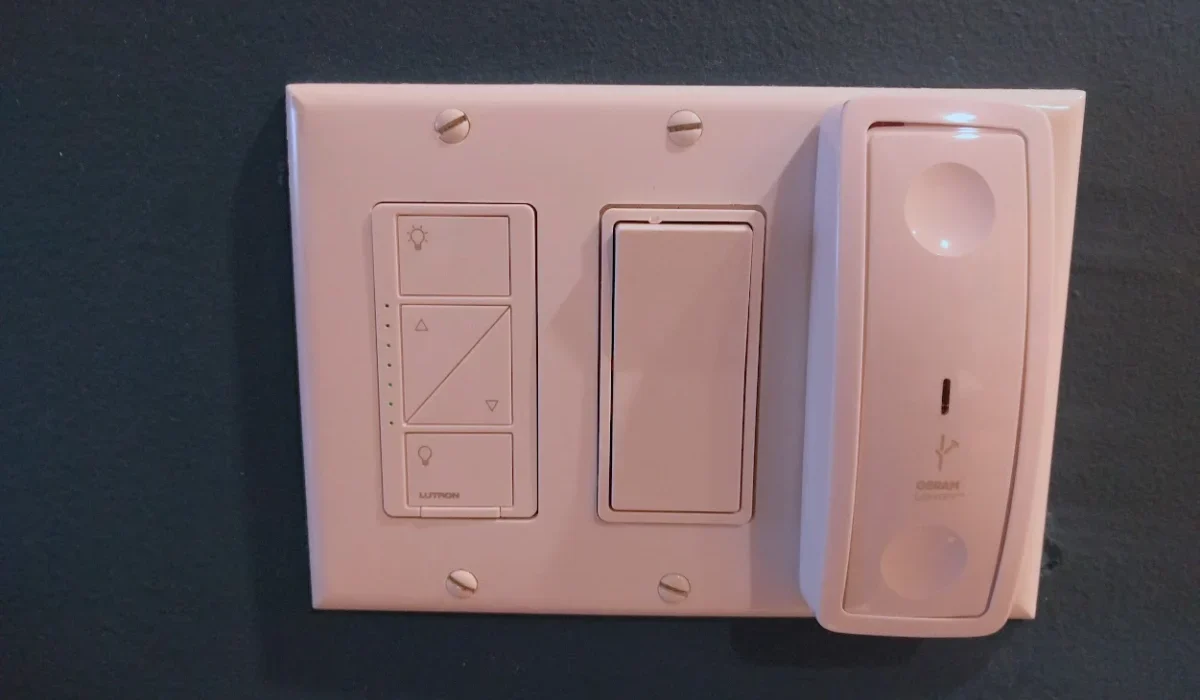
After an influential eight-year tenure that chronicled the rapid evolution of the connected world, The Internet of Things Podcast has officially concluded its broadcast run with the release of its 437th and final episode. This closure marks the end of a significant chapter in technology journalism, during which the show served as a primary bridge between complex industrial standards, consumer smart home trends, and the developers driving the infrastructure of the future. While the industry continues to move forward—marked by major milestones such as the impending Arm initial public offering and the rollout of the Matter standard—the hosts have decided to step back from the weekly production cycle to pursue new professional ventures.
A Chronology of the Connected Era
The Internet of Things Podcast launched in 2016, a period when the "smart home" was transitioning from a niche hobby for tech enthusiasts into a mainstream market category. Over the past eight years, the podcast witnessed and analyzed several critical industry shifts. In its early years, the conversation was dominated by the fragmented nature of the market, with various proprietary protocols fighting for dominance. The subsequent years saw the emergence of voice assistants, the integration of artificial intelligence, and the eventual formation of the Connectivity Standards Alliance (CSA) and the Matter protocol, which sought to bring interoperability to a notoriously siloed ecosystem.
By 2019, the podcast had established itself as a bellwether for the industry, often hosting high-level executives from companies like Amazon, Google, and Apple to discuss the integration of IoT into the fabric of daily life. The show’s methodology—which included rigorous testing of hardware and deep dives into data privacy—provided a level of scrutiny that helped hold manufacturers accountable during a period of rapid, sometimes reckless, product development.
Industry Context and the Current Landscape
The decision to sunset the program comes at a time of profound transformation for the IoT sector. Current industry headlines are dominated by the financial maneuvers of major semiconductor players, most notably the highly anticipated IPO of Arm Holdings. This move by SoftBank is expected to set the tone for the valuation of chip designers and IoT infrastructure providers globally.
Simultaneously, the consumer market is undergoing a shift from "gadget-based" automation to "infrastructure-based" smart homes. Companies like Leviton are currently pushing the boundaries of energy management by introducing second-generation smart circuit breakers with integrated whole-home monitoring. This represents a pivot from simple smart lighting to more complex, value-add utilities that promise to lower household carbon footprints and manage grid demand. Furthermore, display technologies, such as the latest panels from Brilliant, illustrate an ongoing effort to make smart home control interfaces more intuitive and aesthetically integrated into residential architecture.
Expert Perspectives on the Future
To provide a comprehensive closing analysis, the final episode featured guest Jennifer Pattison Tuohy, a veteran technology journalist from The Verge. Tuohy, who has spent nearly a decade covering the nuances of the smart home, offered a retrospective on how far the industry has traveled. Her analysis suggests that the future of the connected home lies in "invisible infrastructure."
"We are moving past the era of novelty," Tuohy noted during the discussion. "The focus is shifting toward systems that don’t require the user to be a systems integrator. The promise of Matter is not just in connectivity, but in the expectation that devices will work seamlessly across platforms, allowing the consumer to focus on utility rather than troubleshooting."
Tuohy also emphasized that business models are shifting. The initial "hardware-only" profit model is increasingly being supplemented—or replaced—by service-based models, where software updates, advanced analytics, and energy management subscriptions provide long-term revenue for manufacturers. This transition remains a critical friction point, as consumers become increasingly wary of subscription fatigue and the long-term viability of cloud-dependent hardware.
Navigating the Information Ecosystem
For listeners and industry professionals looking to fill the void left by the podcast’s departure, the hosts curated a list of recommended resources that reflect the complexity of the IoT landscape. The recommended reading and listening list serves as a snapshot of the current state of technology journalism.
For consumer-facing news and product reviews, outlets like The Verge, TechHive, and The Ambient remain the industry standards. These publications offer the necessary testing depth required to evaluate smart home reliability. On the industrial side, the Journal of Innovation from the Industrial IoT Consortium provides the technical rigor required to understand large-scale deployments, while the work of analysts such as James Blackman at RCR Wireless offers essential insight into 5G, edge computing, and industrial automation.
For those tracking the financial pulse of the sector, the Axios Pro Rata newsletter continues to be a primary source for understanding venture capital flows and M&A activity within the tech space. Additionally, newsletters such as Target is New, authored by Iskander Smit, offer a more philosophical and design-centric perspective on how AI and connectivity will reshape human interaction with physical environments.
Implications of the Show’s Conclusion
The conclusion of The Internet of Things Podcast highlights a broader trend: the maturity of the IoT market. When a niche topic becomes a staple of general-purpose technology journalism, the demand for specialized, long-form audio commentary often shifts toward specialized newsletters or enterprise-level analysis.
The industry is currently transitioning into a phase characterized by consolidation and standardization. The chaotic "wild west" of early IoT, where every manufacturer had a unique app and a proprietary bridge, is gradually being replaced by a more stable, albeit less volatile, ecosystem. While this stability is beneficial for the average consumer, it presents a challenge for media outlets that thrived on reporting the constant "breakthroughs" and "disruptions" that defined the 2016–2022 period.
Closing Reflections
In their final segment, the hosts addressed the most frequent question they received over the last eight years: "What makes a complete smart home?" The consensus offered was that a complete home is one that functions autonomously, anticipating user needs without requiring constant manual input. True innovation, they argued, will be defined by the industry’s ability to move away from screens and toward "ambient computing," where sensors and AI act as a silent, efficient utility rather than a constant point of friction.
The departure of this program serves as a milestone in the history of consumer technology. It concludes a journey that began with the excitement of "what could be" and ends in a reality where the "Internet of Things" is no longer a buzzword, but a foundational, if sometimes invisible, part of modern life. As the industry looks toward the next wave of innovation—likely defined by edge AI and more robust privacy-centric local processing—the lessons documented by this podcast over the last eight years will undoubtedly remain relevant for developers, investors, and consumers alike. The final episode stands not just as a farewell, but as a comprehensive archive of how a radical technological shift was normalized in real-time.