A Chronology of Regulatory Retreat
The trajectory of U.S. emissions policy has been marked by extreme volatility over the last decade. During the Biden administration, the Environmental Protection Agency (EPA) and the National Highway Traffic Safety Administration (NHTSA) implemented stringent rules that required automakers to improve their fleet-wide fuel efficiency by approximately 2% annually through 2031. The stated objective was to reach a fleet-wide average of 50.4 miles per gallon (mpg).
The current administration has opted for a different path. Under the revised CAFE standards, the annual improvement requirement has been slashed to 1%. Consequently, the target for 2031 has been reset to a fleet-average of just 34.9 mpg. This adjustment represents a significant departure from the previous trajectory, effectively decoupling the U.S. automotive market from the more aggressive decarbonization mandates currently being adopted in the European Union and parts of Asia. Industry analysts note that this shift signals a return to a "business as usual" approach for legacy manufacturers, who have long argued that the costs associated with rapid electrification and extreme fuel efficiency gains could undermine short-term profitability and consumer affordability.
The Myth of the Target: Assessing Current Fleet Performance
One of the most contentious aspects of the new 34.9 mpg target is that, for many major manufacturers, it is already effectively obsolete. According to an EPA report released earlier this year, the industry is already operating at or near this level of efficiency. Honda, which consistently ranks among the most efficient automakers in the United States, currently holds a fleet-average fuel economy of 31 mpg. Even high-performance luxury brands, such as BMW—known for its powerful M-series engines—have managed to maintain fleet averages within the 29 mpg range.
When the government sets a regulatory floor that is essentially at or below the industry’s current baseline, it removes the "innovation forcing" mechanism that once compelled companies to invest heavily in hybrid powertrains, aerodynamic design, and lightweight materials. Critics argue that by setting such a low bar, the administration is not providing a safety net for manufacturers, but rather providing a license to abandon efficiency investments that were already well underway.
Public Health and Environmental Implications
The NHTSA’s own analysis of the new policy, categorized as "Alternative 3" in their final regulatory findings, provides a sobering look at the projected consequences. The agency’s documentation explicitly acknowledges that the rollback will have measurable, long-term impacts on public health and air quality.
By the year 2050, the administration projects that these relaxed standards will be responsible for:
- 524 premature mortalities linked to increased tailpipe emissions.
- 733 documented cases of acute bronchitis.
- 297 emergency room visits specifically related to respiratory distress.
- 140 cardiovascular hospital admissions.
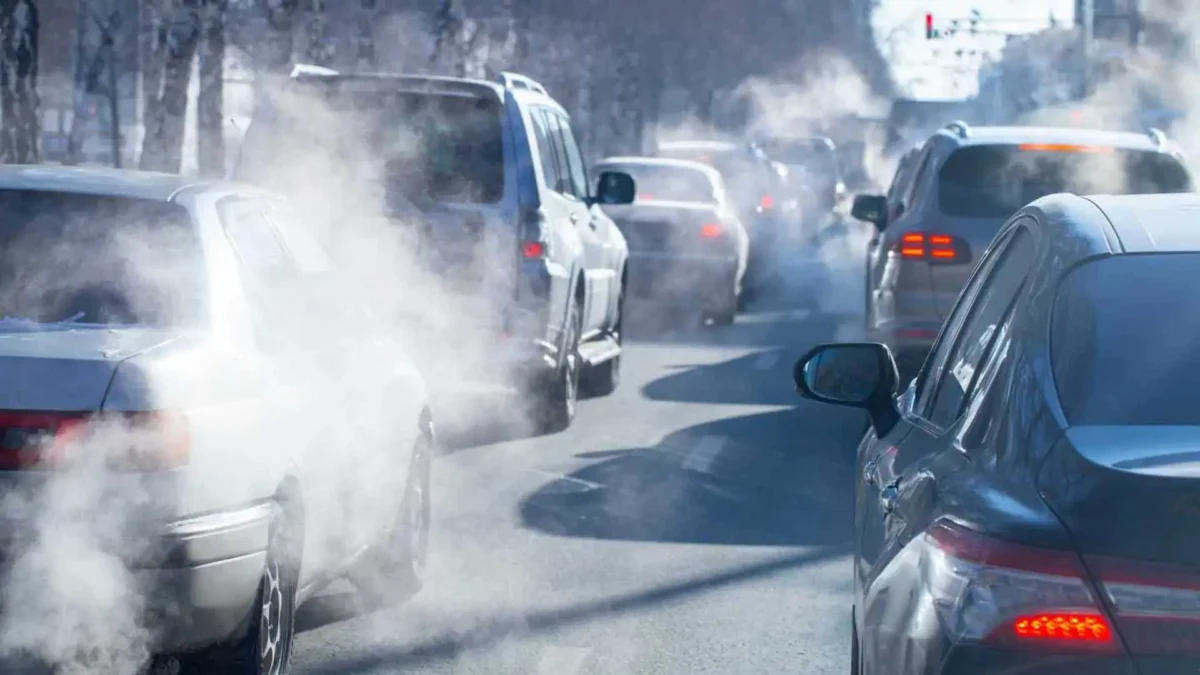
These figures represent a direct trade-off between the immediate capital expenditures of automakers and the long-term societal costs of pollution. The increased volume of carbon dioxide (CO2) and nitrogen oxides (NOx) projected under these standards will also contribute to rising surface temperatures and the degradation of urban air quality, reversing years of progress in reducing the environmental footprint of the U.S. transportation sector.
Economic Rationale vs. Societal Costs
The administration’s primary justification for these changes is the reduction of consumer costs. The logic posits that by requiring less sophisticated—and therefore less expensive—emissions-control technology, automakers will be able to keep the purchase price of new vehicles lower. Proponents of this view argue that mandating high-tech, high-efficiency systems forces consumers to pay a "green premium" that prices lower-income households out of the new car market.
However, this argument is challenged by the long-term economic reality of fuel consumption. As reported by the NHTSA, the relaxation of these standards will lead to the consumption of billions of additional gallons of gasoline over the next two decades. For the average American driver, this means higher lifetime operating costs, as the savings in vehicle sticker price are eventually eclipsed by increased spending at the pump. When combined with the massive projected costs to the healthcare system, many economists suggest that the "cheaper car" narrative is a narrow view that ignores the broader macroeconomic impact of increased energy waste and environmental remediation.
The Global Perspective and Industry Reactions
The decision to retreat from stringent efficiency standards places the U.S. in an increasingly isolated position globally. As China and the European Union continue to tighten their own emissions mandates, multinational automakers are faced with a "two-track" reality. They must continue to develop advanced, high-efficiency vehicles to sell in international markets, while simultaneously maintaining a fleet of less efficient vehicles to satisfy the U.S. market’s new, lower regulatory requirements.
This fragmentation of the global market may ultimately hurt U.S.-based manufacturers. By failing to push for innovation, American companies risk losing their competitive edge in the rapidly growing global EV and hybrid market. If U.S. automakers are not forced to innovate, they may eventually find themselves importing technology from international competitors who have been forced to prioritize efficiency and electrification for years.
Industry reaction has been muted but divided. While some trade groups representing traditional internal combustion engine manufacturers have expressed relief at the removal of the 2% annual improvement mandate, others have voiced concern regarding the uncertainty of the regulatory landscape. Investors, in particular, appear wary of the policy flip-flopping. The capital-intensive nature of the automotive industry requires long-term certainty; when the rules change every four to eight years, it becomes difficult for companies to justify the multi-billion dollar investments required to retool factories and pivot toward new powertrain technologies.
Analytical Summary of Future Impacts
The rollback of CAFE standards is more than a simple adjustment to fuel efficiency numbers; it represents a fundamental change in the relationship between the federal government and the automotive sector. By prioritizing short-term cost-cutting over long-term technological advancement, the administration has set the stage for a period of stagnation in fuel efficiency.
The implications are clear: the U.S. will likely see a slower adoption of electric vehicles, a higher reliance on fossil fuels for transportation, and a measurable increase in health-related issues for the population. Furthermore, the administrative shift highlights a growing divide between domestic regulatory goals and the reality of a global market that is trending toward a post-combustion future. As the industry moves toward 2031, the success of this policy will be measured not just by the sticker prices of vehicles in showrooms, but by the aggregate impact on the nation’s air quality, its energy independence, and the long-term health of its domestic manufacturing base. Whether this "retreat" provides the intended economic relief or simply leaves American industry behind in a changing world remains the defining question of this regulatory era.