








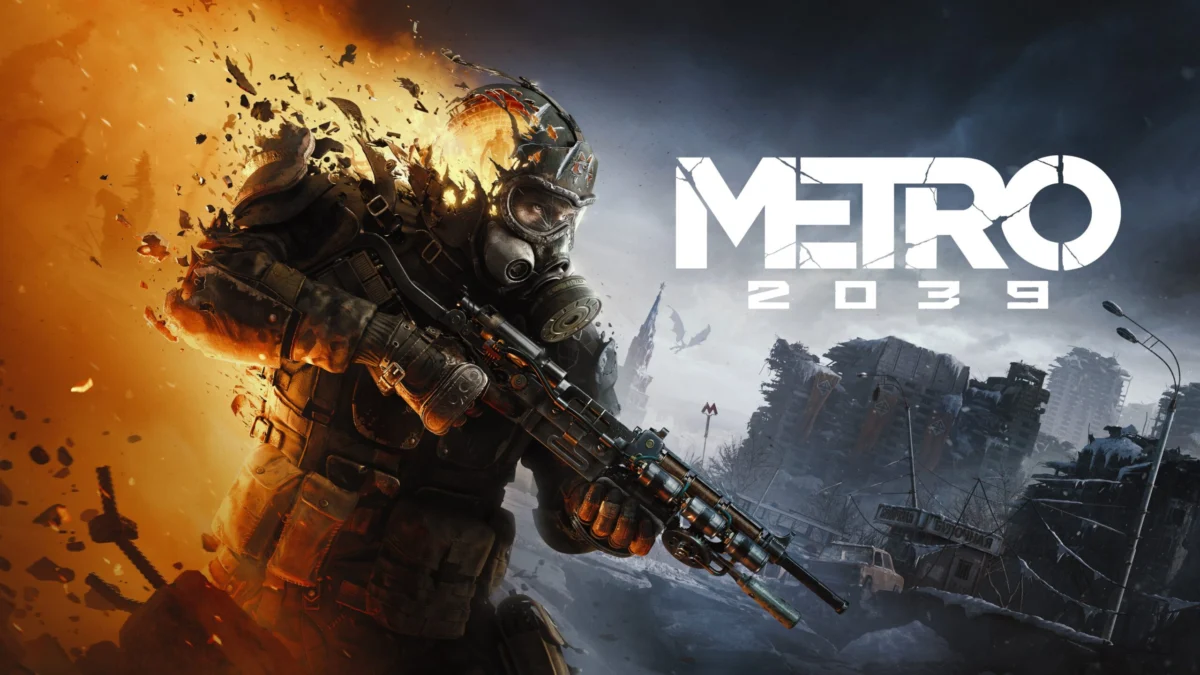
Developer 4A Games and publisher Plaion have officially announced Metro 2039, the highly anticipated next installment in the critically acclaimed post-apocalyptic first-person shooter franchise. Serving as the direct successor to 2019’s sweeping, semi-open-world adventure Metro Exodus, the upcoming title marks a significant pivot for the series. Rather than continuing across the expansive Russian wilderness, Metro 2039 brings players back to where the franchise began: the dark, confined, and deeply atmospheric underground tunnels of the Moscow Metro.
Scheduled for release this coming winter on PC, PlayStation 5, and Xbox Series X/S, the game promises to maintain its strict adherence to a narrative-driven, single-player experience. However, the development of Metro 2039 has been shaped by extraordinary real-world geopolitical and global health crises, fundamentally altering the thematic weight and emotional core of the project.
A Return to Claustrophobic Roots and Psychological Horror
When Metro 2039 launches, players will find themselves trading the sprawling surface environments of Exodus for the oppressive darkness of the underground rail network. This return to the tunnels is not merely a nostalgic nod to the 2010 original, Metro 2033, but a deliberate narrative choice designed to reintroduce the claustrophobic tension and psychological horror that defined the early entries in the series.
Studio representatives have confirmed that Metro 2039 will feature a fully voiced protagonist for the first time in the franchise’s history. This creative shift aims to ground the player more intimately in the psychological toll of survival. The narrative leans heavily into the enduring, long-term trauma inflicted upon the survivors of the nuclear apocalypse, exploring how generations raised underground process fear, isolation, and moral decay.
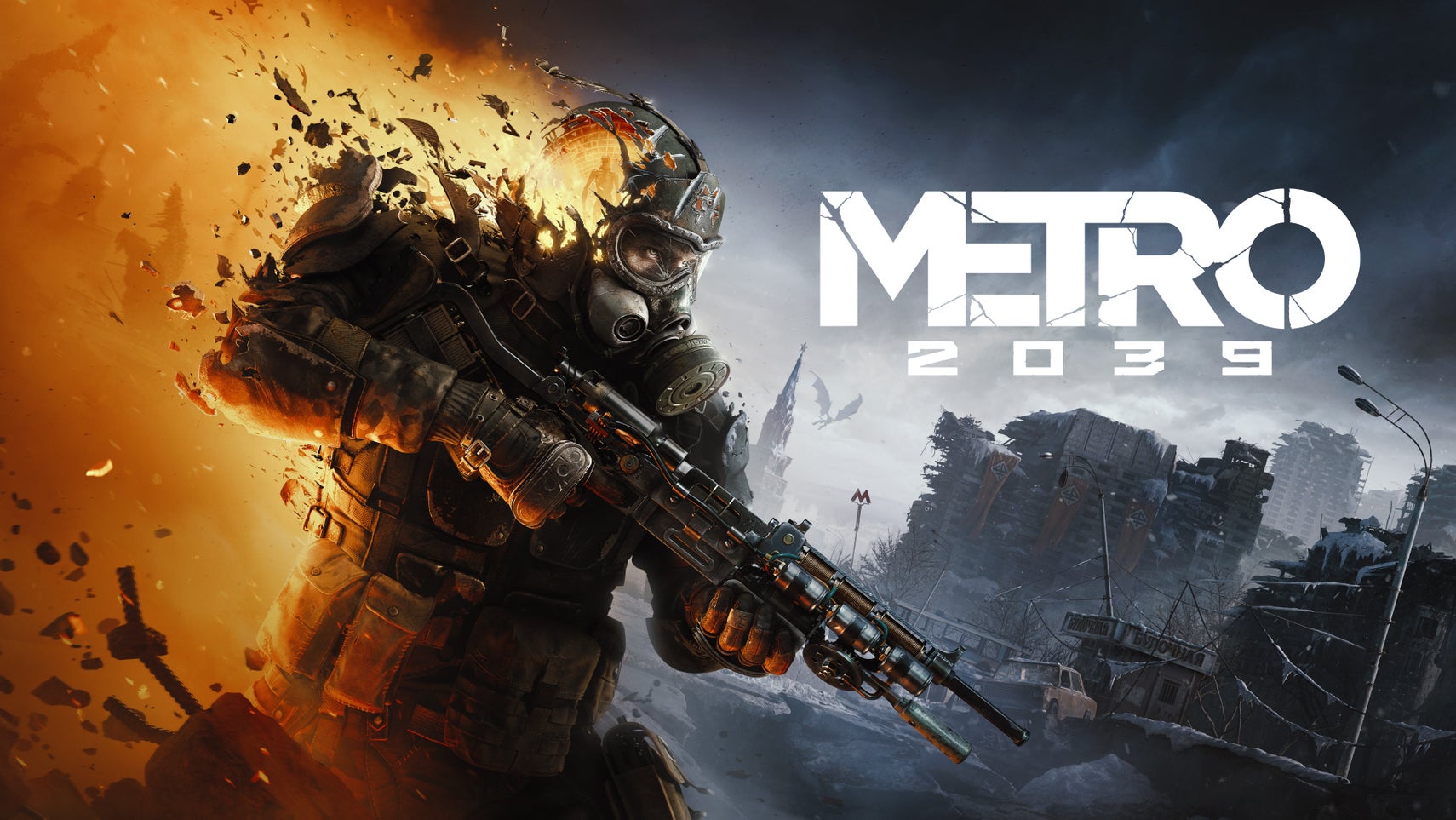
The Shadow of Reality: Development Through Pandemic and War
The journey to bring Metro 2039 to fruition has been exceptionally turbulent for 4A Games. Development on the project began years ago, placing the studio directly in the path of two major global disruptions: the COVID-19 pandemic starting in 2020, and the escalation of the Russo-Ukrainian war following Russia’s full-scale invasion of Ukraine in 2022.
With primary development studios based in Kyiv, Ukraine, alongside a supporting studio in Malta, the team at 4A Games has operated under unimaginable circumstances. The developers have openly acknowledged that these real-world events have deeply influenced the narrative direction of Metro 2039. The game’s exploration of societal collapse, authoritarian control, and the erosion of human empathy reflects the profound grief, displacement, and resilience experienced by the studio’s personnel, their families, and their communities.
Consequently, the Ukrainian perspective is woven directly into the fabric of the game’s script. 4A Games has collaborated once again with Russian author Dmitry Glukhovsky—the creator of the original literary universe—to co-write a story that directly confronts the compromised morality of a post-war society and the dangerous allure of totalitarianism.
Chronology of the Metro Franchise
To understand the weight of Metro 2039, it is helpful to examine the timeline of the franchise’s evolution:

- March 2010: THQ releases Metro 2033, developed by 4A Games, establishing the atmospheric, linear shooter formula based on Glukhovsky’s novel.
- May 2013: Deep Silver publishes Metro: Last Light, continuing Artyom’s story and expanding on the factions warring within the Moscow underground.
- August 2014: Metro Redux is released, bringing remastered editions of both previous titles to eighth-generation consoles with upgraded engines and mechanics.
- February 2019: Metro Exodus launches, breaking away from the linear tunnel design to introduce semi-open-world sandboxes across a post-apocalyptic Russia.
- 2020–2022: Global operations for 4A Games are severely disrupted by the COVID-19 pandemic, followed by the outbreak of war in Ukraine, forcing the Kyiv team to adapt to remote and wartime working conditions.
- Winter 2025 (Projected): Metro 2039 is slated for release, returning the franchise to its underground origins on ninth-generation hardware.
The Rise of Novoreich and Enhanced Narrative Choices
In Metro 2039, the political landscape of the Moscow Metro has shifted dramatically. The reveal trailer and early developer briefings indicate that the fragmented factions that once battled for control of the underground have been forcibly united under a single, authoritarian banner known as the Novoreich.
Led by a former Spartan ranger, the Novoreich regime operates under rigid ideological lines, echoing fascist doctrines that survived the nuclear holocaust. Positioned as the sole pathway to human salvation, this regime imposes strict order at the cost of individual liberty. Players will navigate this hostile political ecosystem through an expanded choice-and-consequence system. The narrative framework challenges players to make morally ambiguous decisions, forcing them to weigh the survival of the collective against personal ethical boundaries.
Technical Evolution: The 4A Engine and Next-Gen Capabilities
Despite the geopolitical turmoil affecting the studio, 4A Games has continued to push technical boundaries. Unlike the vast majority of contemporary AAA studios that rely on third-party middleware like Epic Games’ Unreal Engine, 4A Games remains fiercely independent, utilizing its proprietary 4A Engine.
For Metro 2039, the rendering pipeline has undergone a massive modernization effort. Ray tracing is no longer an optional graphical toggle or an additive feature; it has been integrated as a core component of the engine’s architecture. The technology has been rebuilt from the ground up to maximize the processing power of the PlayStation 5, Xbox Series X/S, and high-end PCs, ensuring that complex lighting, dynamic shadows, and dense atmospheric particle effects run smoothly without sacrificing performance.

During the initial reveal, the studio showcased a brief promotional package blending cinematics and early gameplay snippets. While extensive gameplay demonstrations have not yet been released, 4A Games emphasized that environmental storytelling remains its highest priority. The team is dedicated to crafting densely cluttered, highly believable, and lived-in spaces that reward player exploration and heighten the sense of immersion.
Broader Industry Impact and Market Implications
The announcement of Metro 2039 arrives at a time of significant transition for the single-player narrative genre. In an industry increasingly dominated by live-service multiplayer titles, microtransactions, and perpetual content updates, 4A Games’ steadfast commitment to a strictly single-player, story-driven campaign stands out as a deliberate counter-programming strategy.
Furthermore, the game serves as a testament to the resilience of the Ukrainian game development sector. Despite enduring infrastructure challenges, power outages, and the constant threat of military conflict, studios based in Ukraine continue to contribute at the highest level of global entertainment. The success of Metro 2039 will carry profound symbolic meaning not only for Plaion and 4A Games, but for the broader Eastern European development community demonstrating professional endurance amid crisis.
As the industry awaits a deeper dive into gameplay mechanics and extended theatrical trailers ahead of its winter launch, Metro 2039 is already shaping up to be one of the most mature, psychologically demanding, and technically ambitious releases of the console generation.