










No matter how tight the turns and how twisty and winding the roads, Forza Horizon 6 is content to just stay the course.
The enduring popularity of long-running video game franchises often invites a specific industry critique: that maintaining a massive, mainstream audience requires a dilution of identity, progressively shaving away sharp edges and mechanical friction until every entry appeals safely to the broadest possible demographic. With the launch of Forza Horizon 6, developer Playground Games and publisher Xbox Game Studios had an opportunity to challenge this trajectory, potentially crafting a high-octane racing sandbox willing to alienate casual players in pursuit of deeper mechanical complexity. However, after extensive hands-on time with the near-final build, it is evident that such expectations misunderstand the core commercial and creative philosophy of the series. Horizon 6 remains unapologetically dedicated to its established formula, offering a familiar, comforting, and remarkably polished automotive fantasy rather than a radical reinvention.
Establishing the Blueprint: Familiarity Meets Visual Fidelity
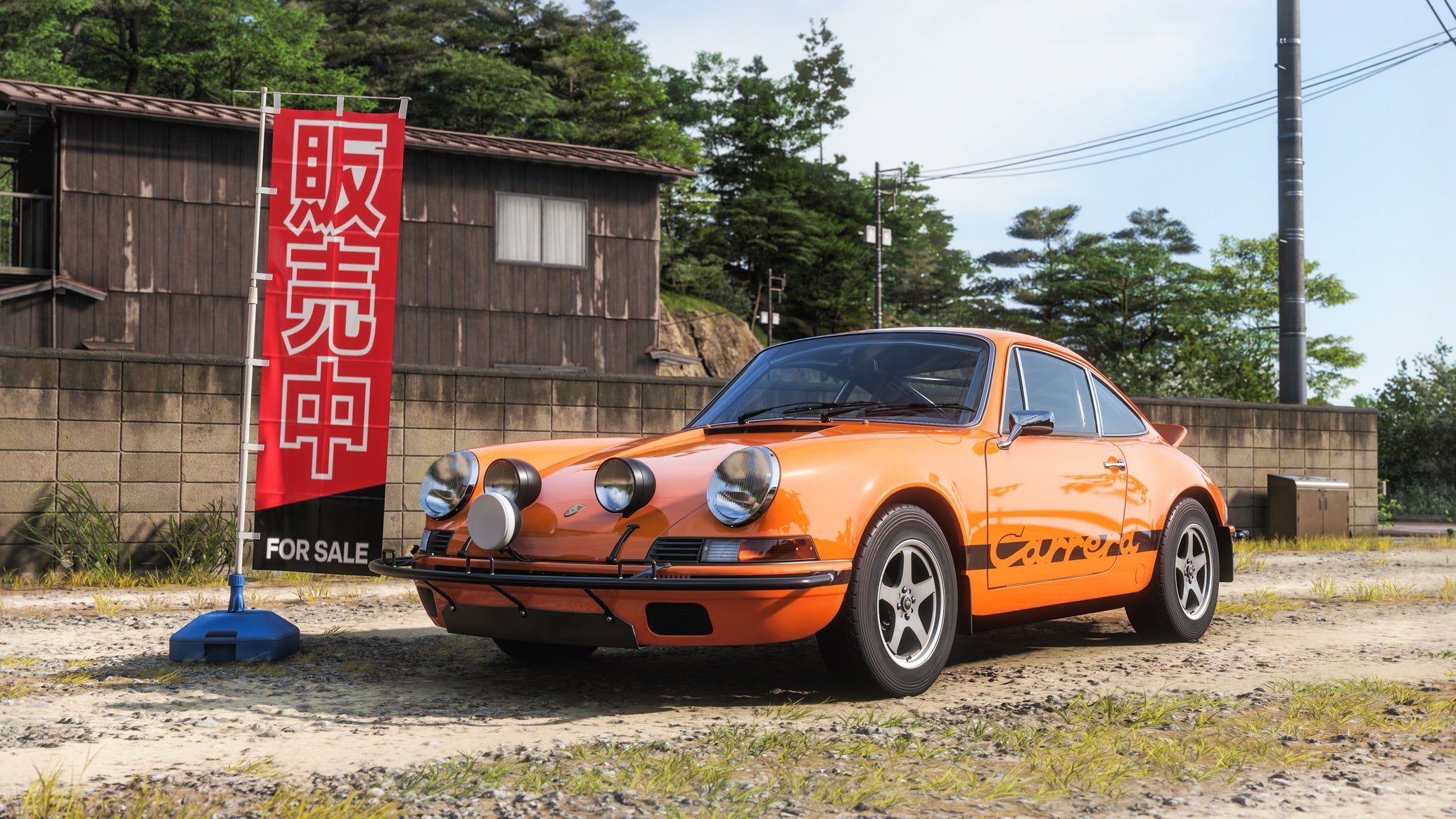
From its opening moments, Forza Horizon 6 projects absolute confidence. The introductory sequence immediately establishes the signature tone through carefully curated licensed music, sweeping helicopter shots of exotic automobiles, and stylized menu loops featuring a mix of high-end vehicles and festival-goers. The moment players select the start option, they are seamlessly transitioned into an introductory drive across a small slice of the game’s headline-grabbing new setting: a meticulously detailed pastiche of downtown Tokyo and its surrounding rural landscapes, mountain passes, and coastal highways.
Within minutes, the overarching festival structure is established, and the player is handed their first vehicle. This immediate onboarding reinforces a fundamental distinction that has defined the franchise for over a decade: Forza Horizon is fundamentally a car-collecting and open-world driving sandbox, not a hardcore simulation racing game. Players are rarely required to master the minute intricacies of racing lines, manage complex tire degradation, or spend hours fine-tuning suspension geometries to progress. For those who encounter difficult events, the game provides accessible workarounds, allowing users to lower artificial intelligence (AI) difficulty, purchase pre-tuned community setups, or simply select recommended vehicles to bypass performance roadblocks.
Progression Architecture: The Wristband System and Discover Japan
The open-world map unlocks gradually, maintaining a pacing mechanism designed to prevent players from feeling overwhelmed by the sheer volume of available content. While approximately 95% of the massive map is technically traversable from the outset, true progression is gated by a reimagined Wristband system—essentially a tiered progression tracker that advances through completion of festival qualifiers and standard races.

Every competitive event contributes points toward the next wristband tier. While securing first place yields maximum rewards, podium finishes and high placements are sufficient to clear early thresholds. This competitive loop is heavily supplemented by traditional PR Stunts, including speed cameras, drift zones, and collectible XP boards scattered throughout the environment.
Operating parallel to the festival-centric Wristband progression is "Discover Japan," a narrative and exploratory track designed to guide players through the game’s ten distinct geographical regions while introducing a supporting cast of festival organizers and local automotive enthusiasts. Discover Japan serves as the narrative anchor for more specialized, relaxed activities, such as food delivery missions, endurance evaluations of freshly restored classic cars, and leisurely convoy tours through scenic mountain vistas. Shaving seconds off lap times takes a backseat here, prioritizing instead the sensory experience of driving rare vehicles through environments few players will ever visit in reality.
This exploratory mode also houses specialized driving disciplines, including technical Touge hill-climb events and high-stakes street races. Furthermore, Discover Japan recontextualizes classic series mainstays like Barn Finds. While previous titles relied on randomized shed locations hidden deep within dense forests, Horizon 6 introduces "Treasure Cars." Players are provided with historic photographs featuring specific regional monuments in the background, requiring them to deduce the camera angle and narrow down the parking location based on visual landmarks.

Innovation in Course Design: The Introduction of Horizon Rush
While much of the gameplay loop adheres to time-tested mechanics, Forza Horizon 6 introduces notable additions to event variety, most prominently the "Horizon Rush" category. These events take the form of makeshift obstacle courses and stunt circuits characterized by sharp, unforgiving corners and ambiguous routing that demands intense spatial awareness.
Unlike standard circuit races where players can rely on vehicle upgrades or AI manipulation, Horizon Rush events utilize pre-determined vehicles and strict time constraints. These high-precision trials require a granular understanding of weight transfer, braking points, and vehicle handling dynamics, injecting a much-needed layer of technical challenge into an otherwise forgiving campaign structure.
Visually, the title pushes hardware limitations to new heights, particularly through the implementation of advanced ray-tracing technology. In rural and forested regions, the interplay of dynamic lighting, accurate reflections, and hyper-detailed foliage frequently blurs the line between virtual rendering and high-resolution photography. These graphical achievements are supported by a comprehensive suite of accessibility options, including a newly introduced 360-degree proximity radar designed to alert players to nearby vehicles—a feature especially useful for first-person cockpit driving and tactical defensive positioning during multiplayer events.

Persistent Frustrations and Industry Implications
Despite its staggering scope and technical polish, Forza Horizon 6 inherits some long-standing frustrations from its predecessors. The AI scaling remains inconsistent; players frequently report securing effortless victories by the third turn of a race, only to encounter insurmountable leading opponents in subsequent events that defy conventional catch-up logic. The behavior of computer-controlled drivers can fluctuate wildly between chaotic obstructionists and flawless racing-line specialists, creating artificial difficulty spikes that occasionally undermine the otherwise frictionless progression.
From an industry perspective, the release of Forza Horizon 6 underscores the commercial necessity of iterative design for major first-party franchises. Playground Games has engineered a product that maximizes consumer comfort, technological showcase value, and escapist wish-fulfillment. For millions of enthusiasts seeking an expansive digital garage and a picturesque virtual tourism platform, the title remains peerless. However, for a vocal segment of the player base hoping for deeper mechanical friction, bolder structural risks, or a sharper competitive edge, the franchise’s steadfast refusal to alter its course demonstrates that Playground Games is entirely content to stay safely in its lane.