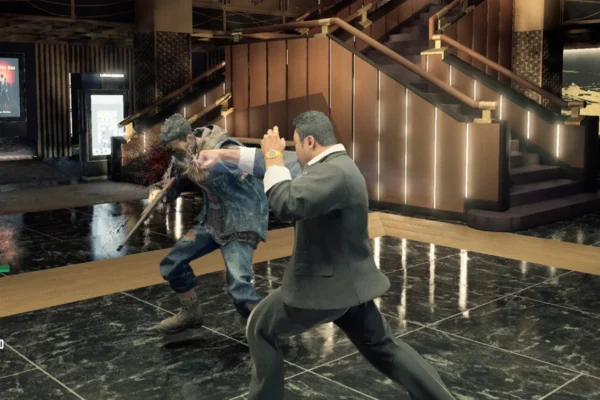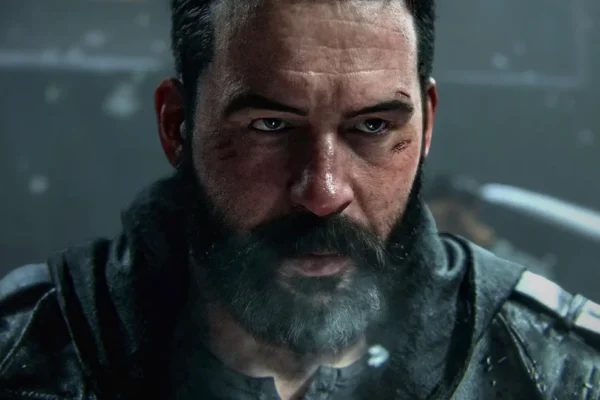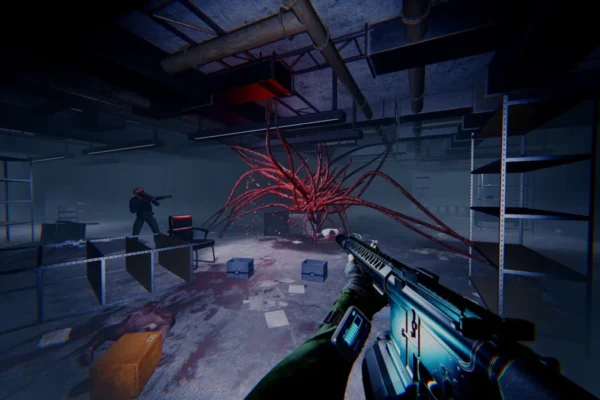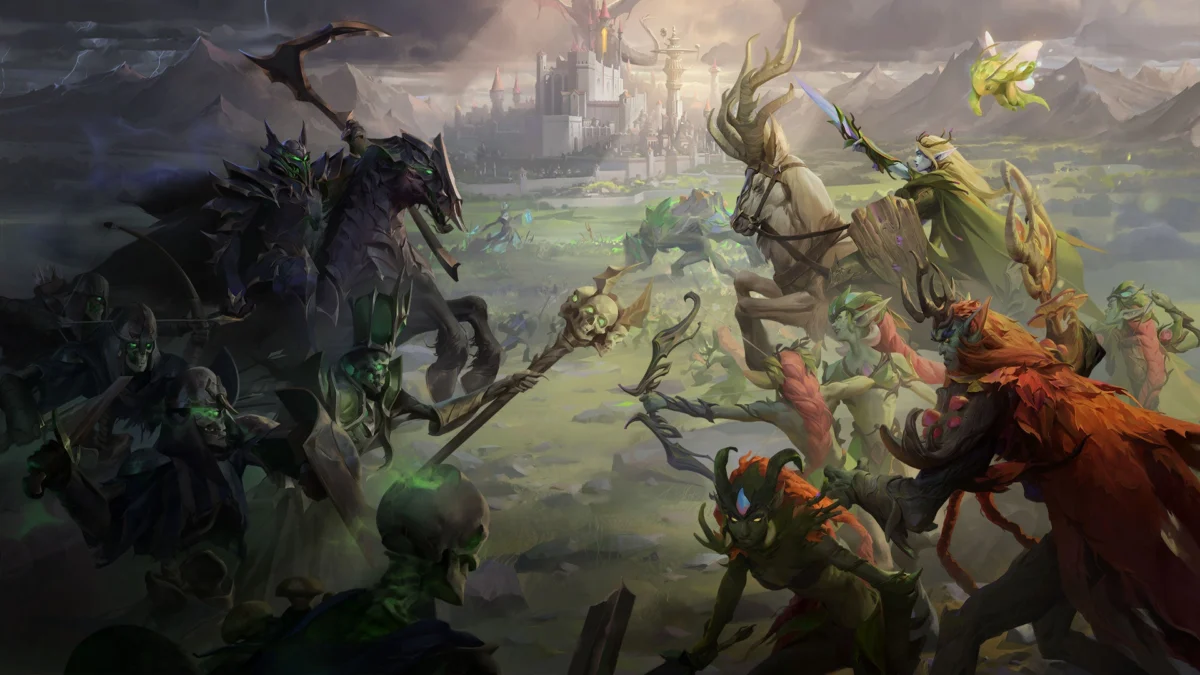

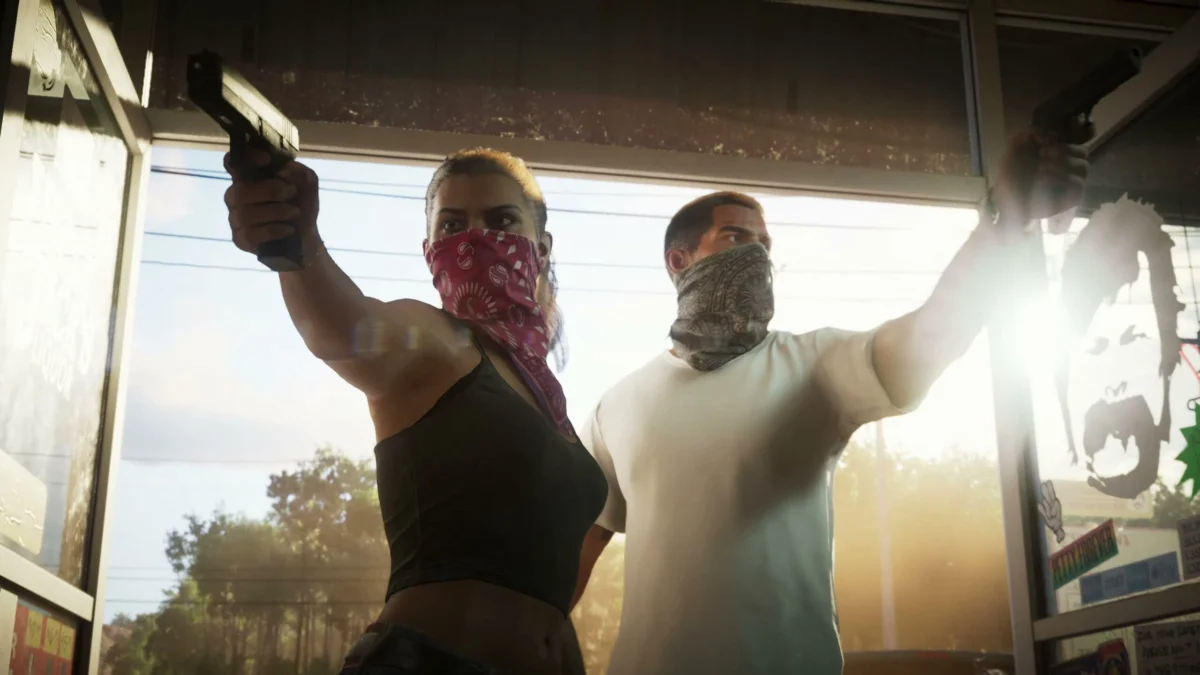








The upcoming release of Hunter: The Reckoning – Deathwish, developed by Teyon, signals a significant strategic pivot for the studio. Known recently for their success with RoboCop: Rogue City—a title characterized by high-octane action and linear progression—Teyon is now venturing into the complex, lore-heavy world of the World of Darkness. This transition from action-centric gameplay to a narrative-heavy role-playing experience marks a departure from the developer’s established recent trajectory, focusing instead on character depth, investigative mechanics, and a precarious balance of power between hunter and prey.
The Evolution of Hunter: The Reckoning – Deathwish
The title is based on the cult-classic tabletop role-playing game originally published by White Wolf Publishing. In the World of Darkness setting, players typically inhabit a universe where monsters—vampires, werewolves, and other supernatural entities—hide in plain sight, pulling the strings of human society. While previous adaptations of the Hunter property have leaned into arcade-style combat, Teyon’s iteration aims to capture the psychological toll of the "Imbued"—ordinary humans who have been granted the sight to perceive the supernatural and the dangerous mission to purge it.
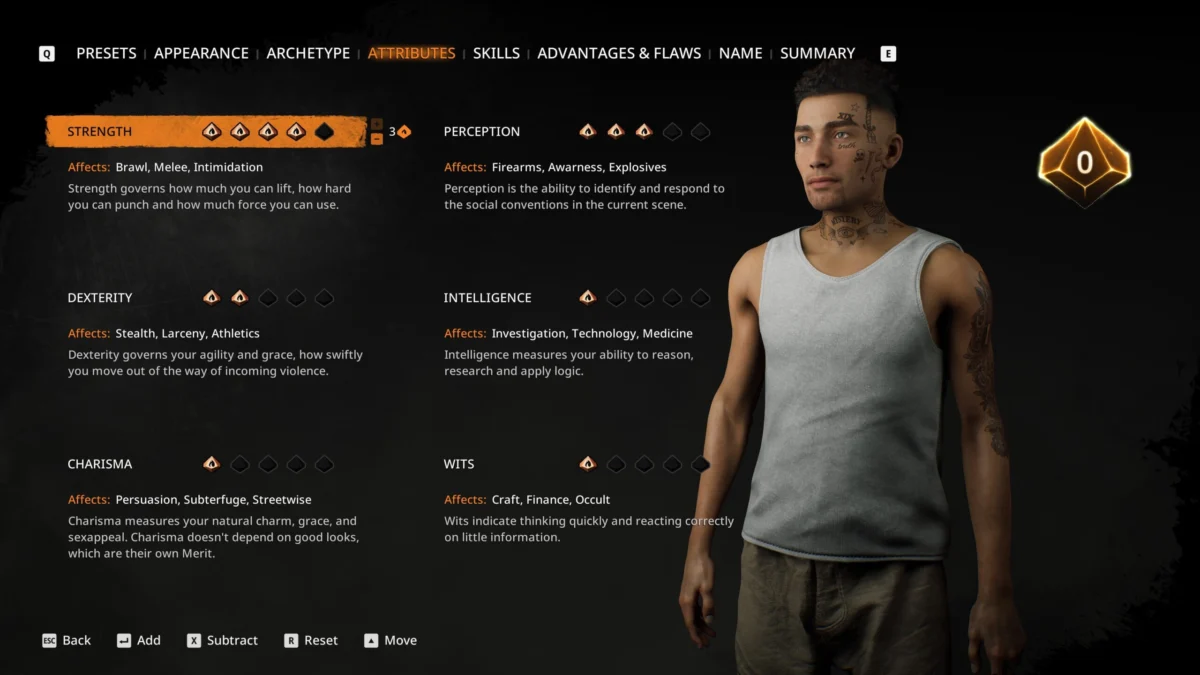
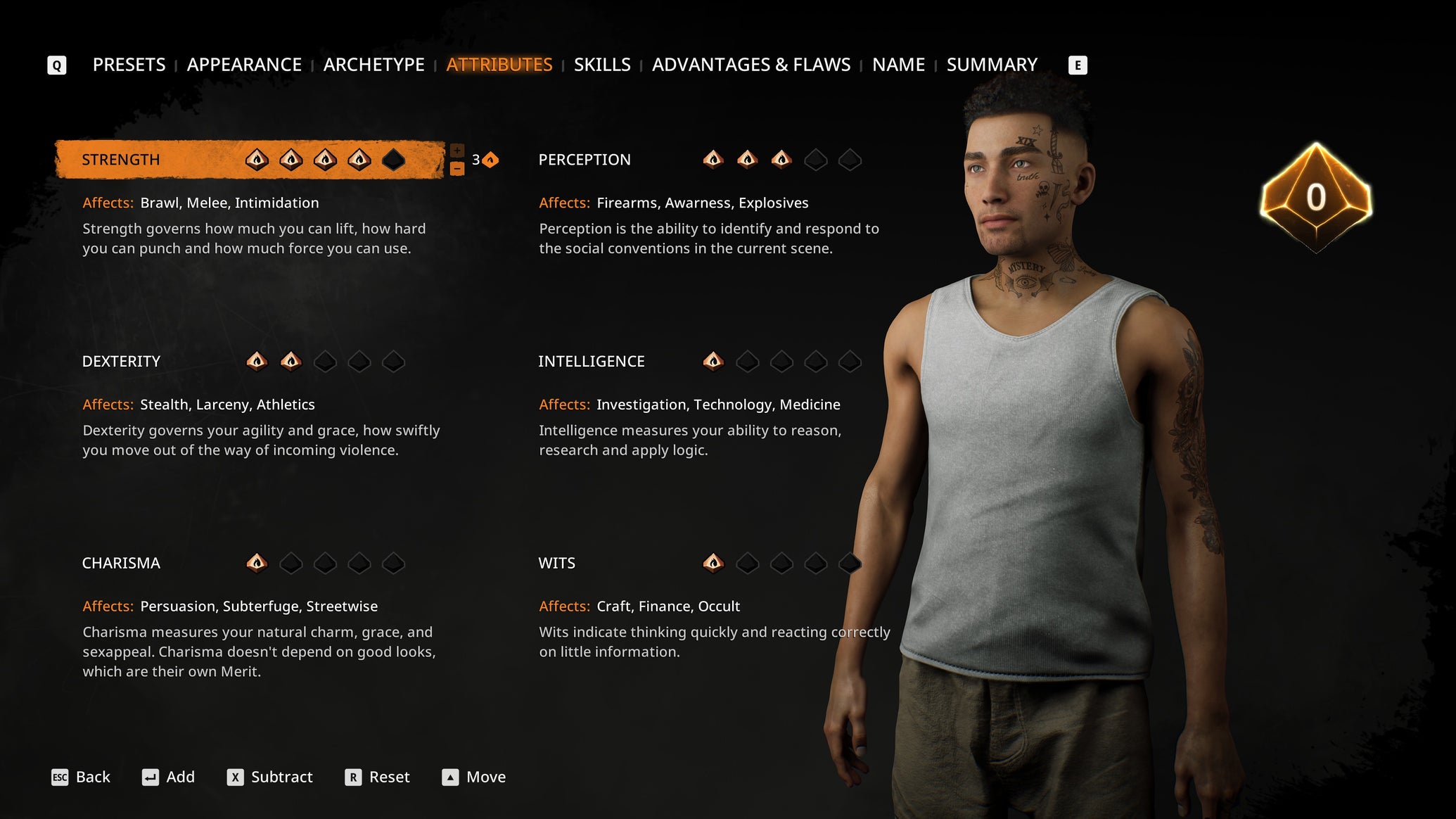
At the core of this experience is the newly unveiled character creation system. Unlike the standard "power fantasy" tropes found in contemporary RPGs, Deathwish emphasizes the fragility of the human condition. Players must navigate a balanced system of Advantages and Flaws, forcing a trade-off that dictates both combat efficacy and narrative hurdles.
Chronology and Development Trajectory
Teyon’s journey toward this project began following the critical and commercial success of their 2023 release, RoboCop: Rogue City. That title showcased the studio’s technical prowess in Unreal Engine, specifically regarding environmental destruction and weighted, impactful combat. However, internal documentation and developer diaries suggest that the team sought to challenge themselves with more intricate systems-based storytelling.
- Early 2024: Teyon begins active development on the project, shifting focus from "action with RPG elements" to "RPG with action elements."
- Mid-2024: The studio releases initial teaser assets, highlighting the game’s aesthetic, which features a neon-drenched, condensed version of New York City.
- Late 2024: A deep-dive developer presentation is released, providing the first substantive look at the Advantage/Flaw character builder.
- Future Projections: The game is slated to expand the World of Darkness footprint, aiming for a synthesis of investigation, squad management, and tactical combat.
Mechanical Analysis: The Advantage and Flaw System
The character creation system functions as a zero-sum game of statistics. The "Advantages" provide tangible combat and social benefits; for instance, the "Warrior" advantage offers a 15% increase to critical hit probability, while the "Charmer" advantage provides a +1 bonus to persuasion-based dialogue checks. These are essential for overcoming the various "checks" that the game’s narrative engine will throw at the player.
However, the "Flaws" are where the game’s design philosophy becomes most apparent. Options such as "Clumsy," "Hypochondriac," "Fear of Darkness," and "Claustrophobia" are not merely cosmetic; they fundamentally alter the player’s interaction with the game world. For example, a character suffering from claustrophobia may face significant penalties when navigating the narrow, enclosed environments common in urban exploration. This creates a feedback loop where the player must decide if the benefit of an advantage is worth the burden of a debilitating psychological or physical flaw.
Strategic Shift: From Action to Investigation
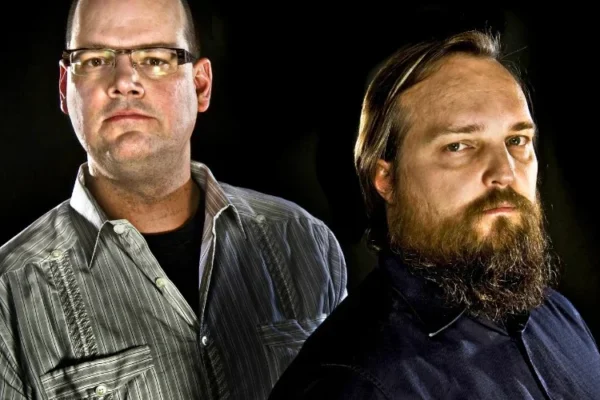
Narrative designer Mateusz Działowski has been vocal about the studio’s desire to move away from the "gibfest" style of gameplay that defined their previous work. In recent statements, Działowski emphasized that Hunter: The Reckoning – Deathwish requires players to act as detectives rather than soldiers.
The investigation mechanics require the player to synthesize clues, manage a team of NPCs, and navigate the social and political web of the World of Darkness. The squad management aspect is particularly crucial; players are responsible for the well-being of a team of slayers, each carrying their own unique history of trauma and hidden agendas. This adds a layer of inter-party social friction that mirrors the collaborative, high-stakes nature of tabletop gaming.
Broader Implications for the World of Darkness IP
The World of Darkness franchise has seen a mixed history in the digital space. While titles like Vampire: The Masquerade – Bloodlines remain critically lauded despite their technical failings, other entries have struggled to capture the nuance of the tabletop source material. Teyon’s decision to focus on the "Hunter" perspective provides a unique narrative opportunity. By casting the player as a fragile human rather than an immortal monster, the game naturally lowers the power level, making the threat of the supernatural feel genuine and immediate.
The choice of setting—a dense, highly detailed New York City—serves as a narrative crucible. By condensing the play area, the developers are focusing on density of content rather than scale. This is a common design strategy in modern immersive sims, where the quality of the interactions within a specific block or building is prioritized over a vast, empty map.
Technical and Industry Outlook
Teyon’s transition is emblematic of a broader trend in the AA development sector: the move toward specialized, high-fidelity RPGs that lean into specific sub-genres. By leveraging their existing technical pipeline—which proved highly effective in the Unreal Engine—Teyon is positioning itself as a studio capable of handling complex IP while maintaining the polish associated with mid-budget, high-quality releases.
Industry analysts suggest that the success of this title will hinge on the implementation of its reactive narrative system. If the Flaws and Advantages truly change the flow of the story rather than just adjusting numeric values, Deathwish could set a new benchmark for how RPGs incorporate character identity into the gameplay loop.
Conclusion: The Stakes for the Player
As development continues, the gaming community remains focused on how Teyon will balance the visceral combat they are known for with the slower, more deliberate pace of an investigative RPG. The emphasis on "trauma" and "secrets" within the squad management system suggests a mature tone, aimed at players who prefer systemic depth over simple power progression.
For Teyon, Hunter: The Reckoning – Deathwish is more than just a new product; it is a test of their versatility as a developer. By moving away from the safety of proven action formulas and embracing the inherent risks of a complex RPG, they are attempting to carve out a permanent place in the competitive market of dark-fantasy gaming. Whether this "pathetic vein-nibbling" approach to monster hunting will resonate with a mainstream audience remains to be seen, but the intent—to make every encounter a gamble—is clear.