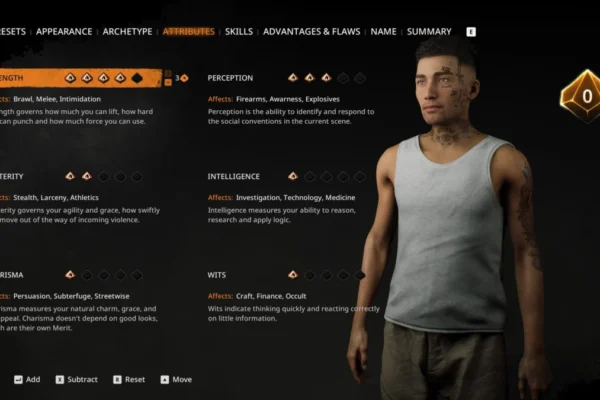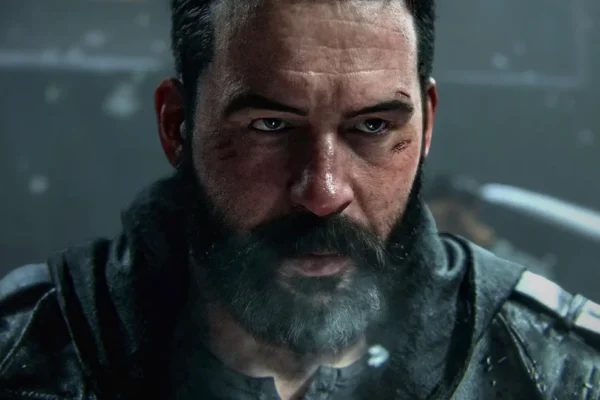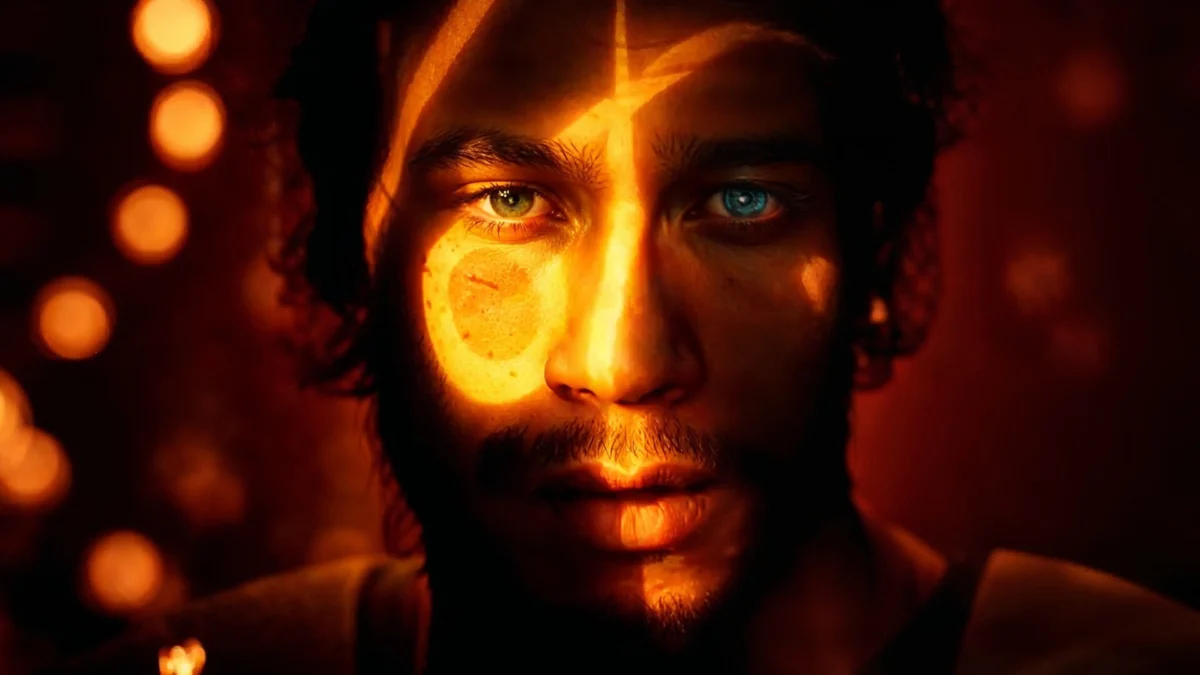






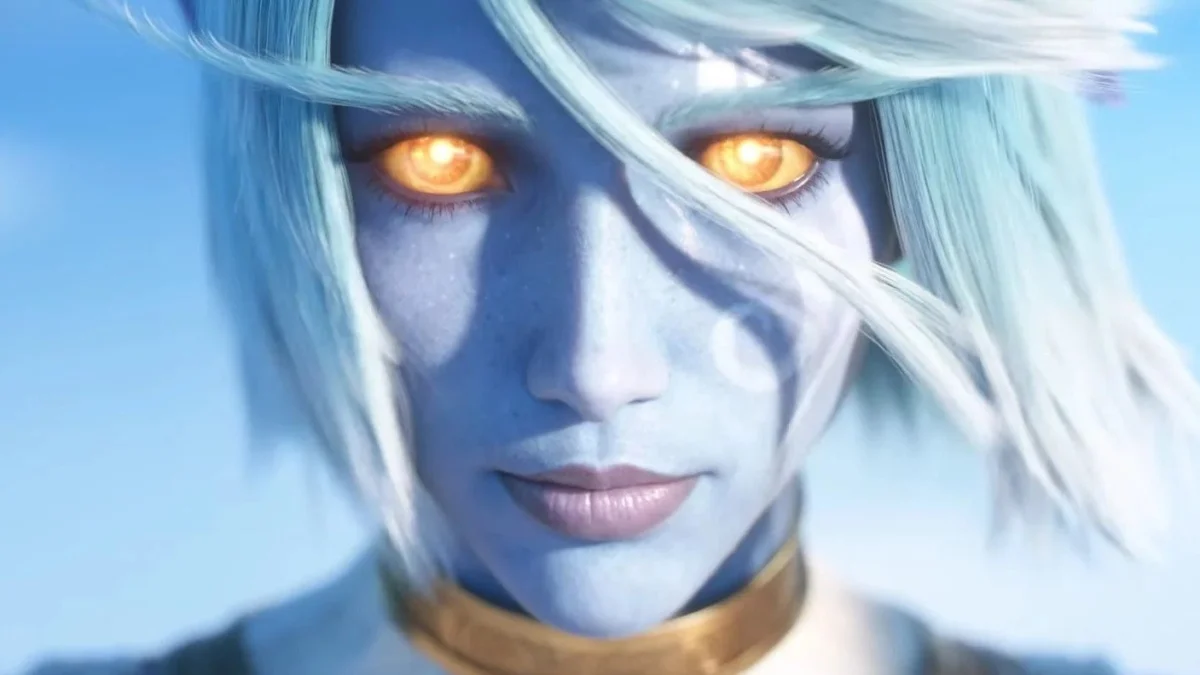



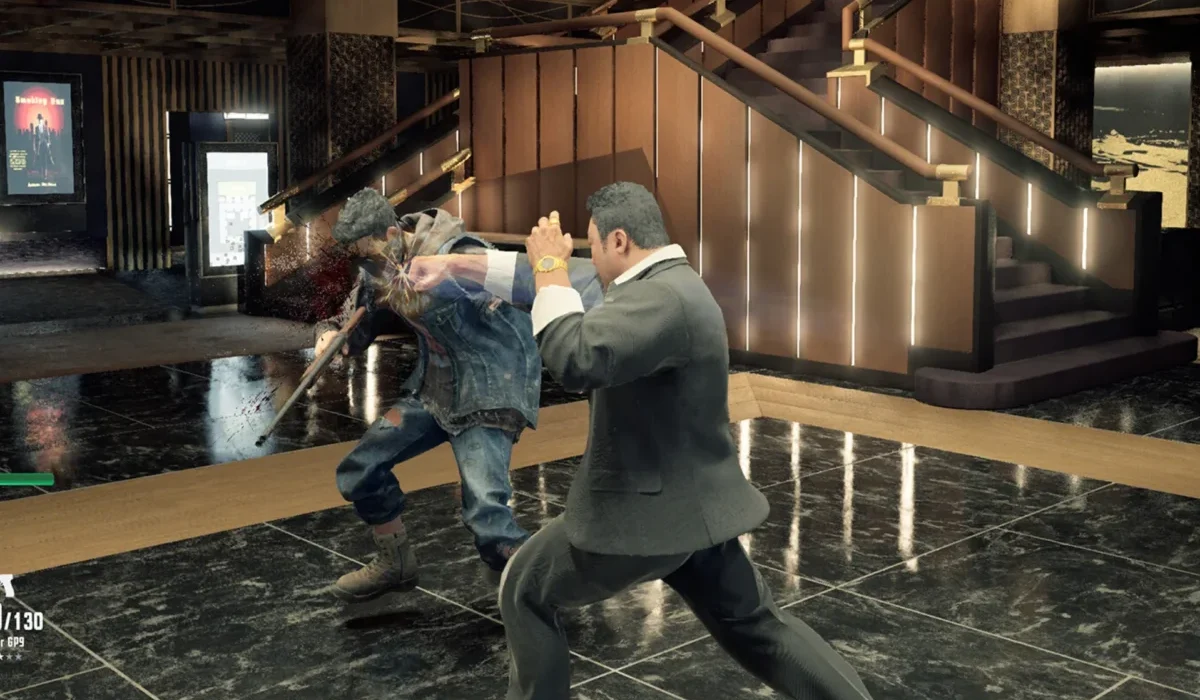
The Tokyo-based development house Nagoshi Studio, founded by the legendary creator of the Yakuza and Like A Dragon series Toshihiro Nagoshi, has officially ceased operations. The dissolution of the company, confirmed via a filing in the Japanese government’s official gazette, Kanpo, marks a somber end to an ambitious venture that began with high expectations just four years ago. The closure effectively cancels the studio’s debut project, Gang of Dragon, an action-oriented title that had been positioned as a spiritual successor to Nagoshi’s previous gritty, crime-drama masterpieces.
This development follows months of financial uncertainty. The studio had been grappling with severe funding constraints after its primary benefactor, the Chinese gaming giant NetEase, opted to withdraw its financial support earlier this year. Reports indicate that the project required an additional investment of approximately £33.1 million ($44.4 million) to reach completion—a figure that NetEase ultimately deemed untenable in the current market climate.
A Chronology of the Rise and Fall
The trajectory of Nagoshi Studio was initially met with widespread enthusiasm from the industry. In 2021, Toshihiro Nagoshi departed Sega after over three decades of service to establish his own independent studio under the umbrella of NetEase. The formation of the studio was seen as a major acquisition for NetEase, which at the time was aggressively expanding its international footprint by backing high-profile developers and veteran creators.
For nearly three years, the studio operated in relative secrecy, building a team composed of industry veterans with the goal of creating a global-scale AAA action game. The project, eventually titled Gang of Dragon, was unveiled to the public roughly one year ago with a trailer that showcased the cinematic flair and violent, high-stakes storytelling synonymous with Nagoshi’s pedigree. The game notably featured the likeness and voice of acclaimed actor Ma Dong-seok, known for his roles in Train to Busan and Marvel’s Eternals, which suggested that the studio was aiming for a high-budget, international appeal.
However, the climate for international investment shifted rapidly for NetEase. As the publisher began to tighten its fiscal policies regarding its global studios, Nagoshi Studio found itself in a precarious position. By early 2026, internal rumblings suggested that the studio’s development pipeline had stalled. The finality of the closure, as confirmed in November 2026, serves as the terminal point for what was once considered a flagship project for NetEase’s Japanese operations.
The Financial Backdrop: NetEase’s Strategic Retreat
The collapse of Nagoshi Studio is not an isolated event; it is emblematic of a broader, systemic trend within the global video game industry. Over the past two years, NetEase has engaged in a significant recalibration of its overseas investments. The company has moved away from funding large-scale, high-risk projects in foreign markets, choosing instead to focus on its domestic hits and more efficient operational models.
This strategic pivot has left several high-profile studios in limbo. The closure of Ouka Studios, which shuttered almost immediately after the release of the action-adventure title Visions of Mana, set a precedent for the company’s recent behavior. Other projects, such as those led by former Mass Effect director Mac Walters at his studio, Worlds Untold, and the independent studio founded by Halo Infinite design lead Jerry Hook, have also faced major obstacles, with both outfits forced to pause operations or seek new partnerships to survive.
Analysts observe that the "gold rush" period for Chinese tech giants investing in Western and Japanese game development studios—a period characterized by massive capital injections between 2020 and 2023—has cooled significantly. Investors are now prioritizing shorter development cycles, lower overhead costs, and clearer monetization paths, factors that long-gestating, narrative-heavy AAA titles like Gang of Dragon often struggle to provide within the desired timeframes.
Implications for the Industry and Creative Talent
The closure of Nagoshi Studio sends a chilling message to the creative class within the Japanese game development sector. Toshihiro Nagoshi is widely regarded as an industry visionary; the fact that a creator of his stature and track record could not secure the necessary funding to complete a project speaks volumes about the current volatility of the AAA gaming market.
The loss of Gang of Dragon is particularly significant for fans of the "Yakuza-style" subgenre. The game was anticipated to bring a fresh, cinematic lens to the crime-thriller format. With the studio now dissolved, the fate of the intellectual property remains unclear, though it is highly probable that the assets will remain with the publisher, effectively shelving the project indefinitely.
Furthermore, the dissolution of the studio necessitates the dispersal of a highly specialized team of developers. While top-tier talent in the Japanese gaming industry typically finds new roles quickly, the loss of a cohesive team that had been working in synergy for four years is a setback for the creative momentum of the region.

The Path Forward: Lessons in Independence
While Nagoshi Studio’s fate was sealed by its reliance on a single, external financial partner, other studios have managed to navigate the same turbulent waters with different outcomes. The most prominent example is Grasshopper Manufacture, led by the eccentric and visionary Suda51. By pursuing a management buyout and reclaiming its independence, Grasshopper Manufacture was able to insulate itself from the whims of large corporate parent companies, allowing it to continue developing niche, highly stylized titles on its own terms.
The struggles faced by Nagoshi Studio and its peers suggest that the model of the "wholly-owned subsidiary" or "heavily-funded independent" is under intense scrutiny. As budgets for AAA titles continue to spiral—often exceeding $100 million for major releases—the margin for error has vanished. When a publisher decides to pull the plug, there is often no safety net for the developer.
Conclusion
The shuttering of Nagoshi Studio is a sobering reminder that reputation alone is no longer a shield against the realities of the modern gaming market. Despite the presence of a legendary director and a star-studded cast, the studio was unable to weather the withdrawal of its primary investor.
As the industry looks ahead, the collapse of Gang of Dragon will likely be cited as a cautionary tale regarding the sustainability of high-budget development in a tightening economy. For the supporters of Toshihiro Nagoshi and his team, the news is a disappointment, closing a chapter on a project that promised to deliver the next evolution of a beloved genre. Whether Nagoshi will seek to form a new venture or pivot to a different model of production remains to be seen, but the events of this year have undeniably reshaped the landscape of the Tokyo development scene. The closure is not merely the end of a single studio, but a signal that the era of aggressive, risk-heavy investment in Japanese AAA gaming by external conglomerates has entered a period of profound contraction.