











The history of rock climbing is inextricably linked to the spirit of ingenuity. In the mid-20th century, before the advent of massive outdoor retail conglomerates, the sport was defined by the necessity of creation. Climbers were forced to act as their own engineers, hammering pitons in home garages and sewing swami-belt harnesses from industrial webbing. Today, while the outdoor industry offers a vast array of high-performance, CE-certified equipment, the culture of "do-it-yourself" (DIY) engineering persists, driven not only by the rising costs of specialized gear but by a desire for custom-fit solutions that mass production often overlooks.
While the climbing community largely agrees that life-safety equipment—such as cams, ropes, and structural anchors—must be manufactured to rigorous international standards (UIAA and CEN), there exists a gray area of convenience items. These auxiliary tools, ranging from stick clips to rope tarps, allow climbers to optimize their systems without compromising the critical integrity of their safety chain.
The Economic Shift in Climbing Equipment
Recent market trends indicate a steady increase in the cost of entry for outdoor sports. According to outdoor industry retail indices from 2024 to 2026, the average cost of essential gear bundles has risen by approximately 22% over the last three years. This shift has pushed a new generation of climbers to evaluate the necessity of premium, brand-name accessories.
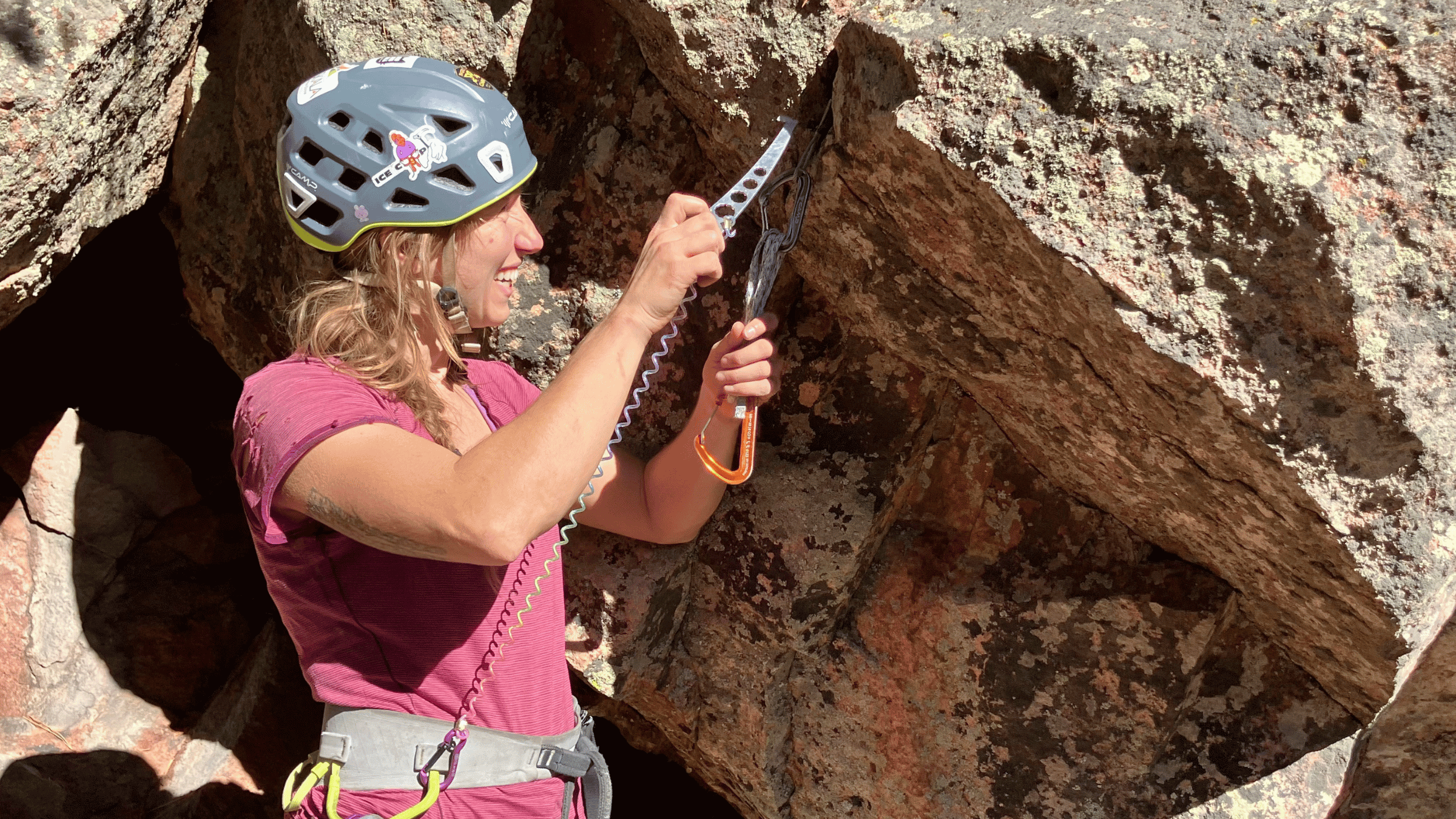
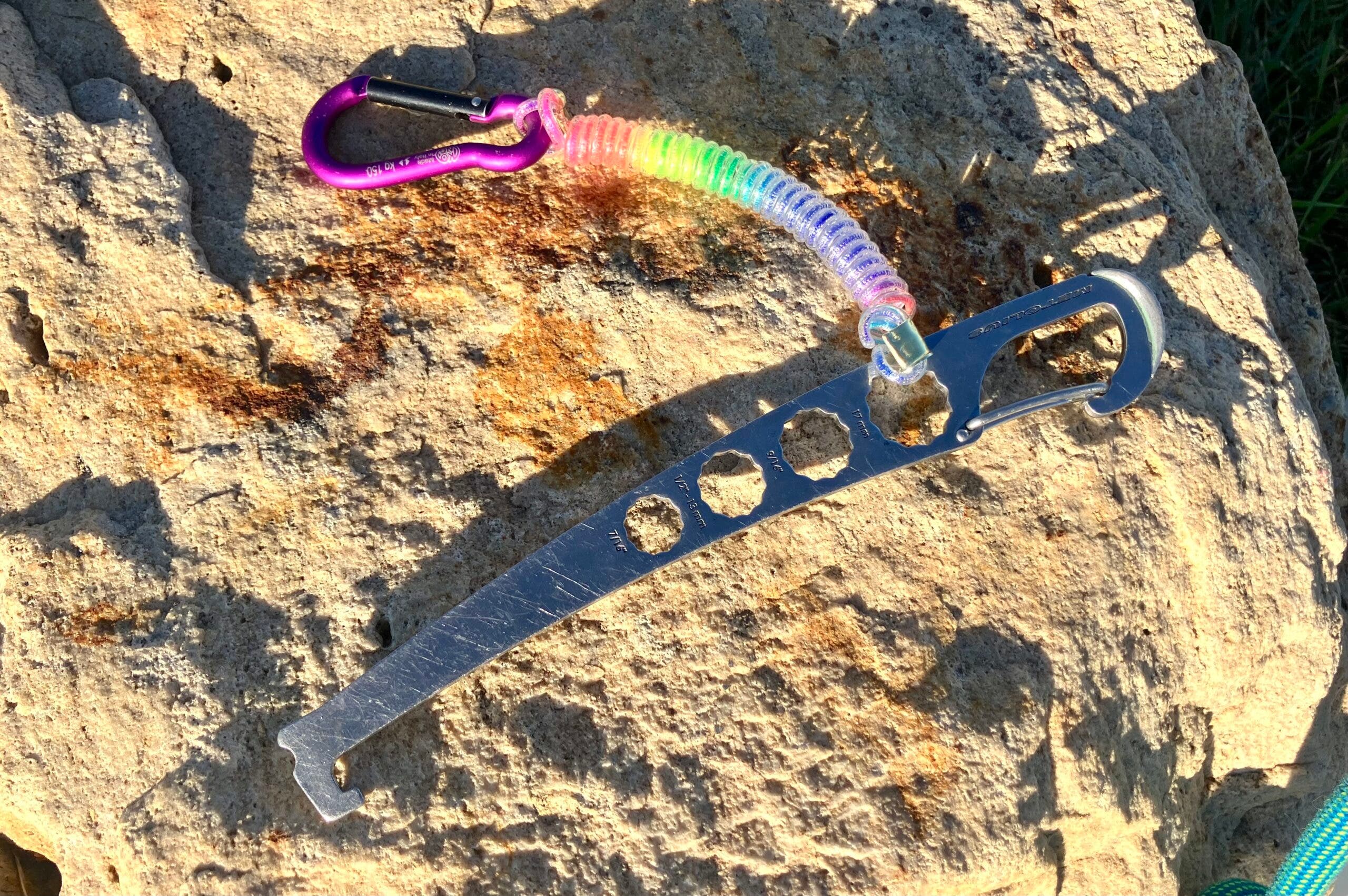
In October 2026, an analysis of common accessory costs revealed that a modest kit of five non-safety-critical items—an ice tool leash, a nut tool tether, a stick clip, a "stiffy" quickdraw, and a rope tarp—could retail for upwards of $230. Conversely, sourcing raw materials from standard hardware suppliers reduces this cost to under $50, representing a savings of over 75%. This economic reality has led to a resurgence in interest regarding the fabrication of specialized field tools.
Chronology of the DIY Movement
The DIY ethos in climbing reached its peak during the 1970s and 80s, when the lack of commercial options necessitated innovation. During this era, legends of the sport, including Yvon Chouinard and John Long, regularly modified their own hardware to suit specific rock conditions.
As the 1990s and 2000s saw the formalization of safety standards, the community began to draw a hard line between "structural" gear and "convenience" gear. By the 2010s, the emergence of internet forums allowed for the rapid dissemination of blueprints and "recipes" for gear modification. This current phase, occurring throughout 2026, represents the third wave of this movement: a sophisticated, internet-enabled approach where climbers share high-resolution tutorials for optimizing their climbing systems.
Engineering Field-Tested Solutions
The transition from DIY concept to field-tested tool requires careful material selection and a clear understanding of mechanical limitations.
Ice Tool Leashes
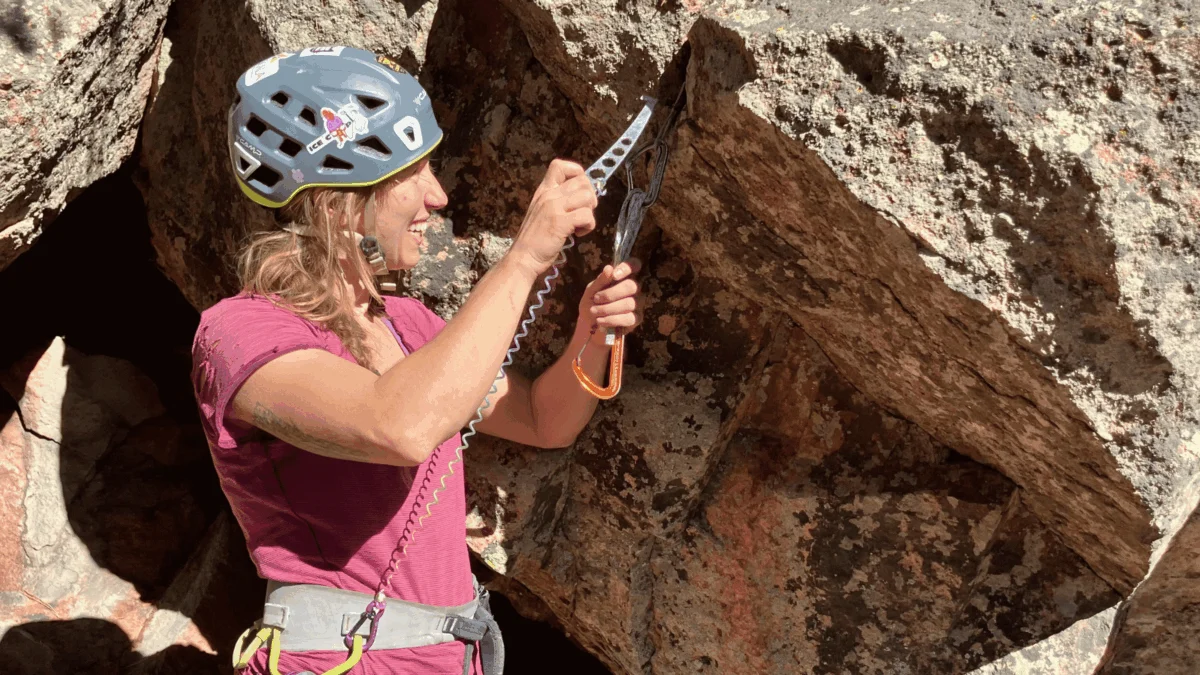
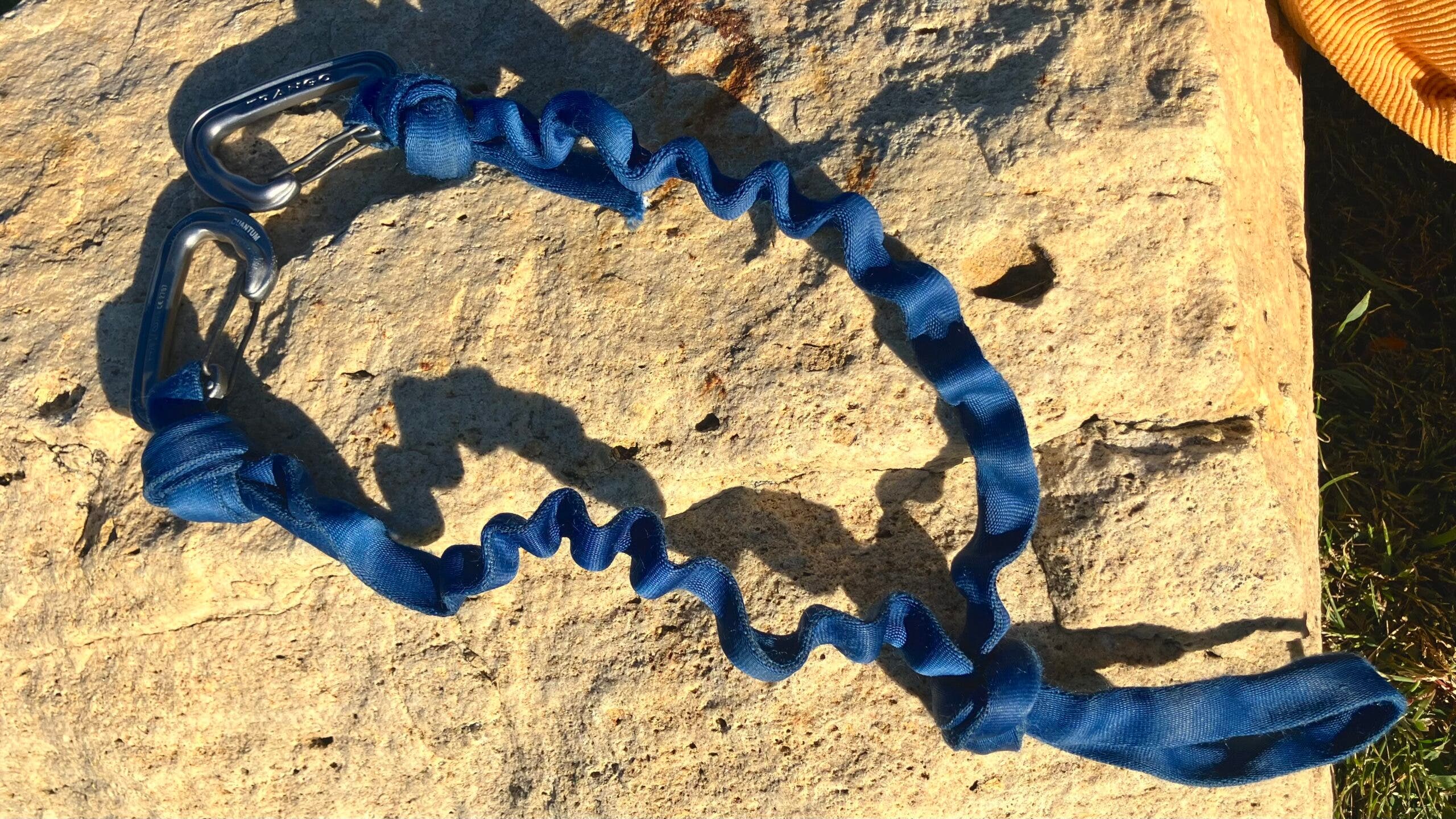
The standard commercial ice tool leash is designed to prevent the loss of an ice axe in high-alpine or technical ice-climbing environments. The commercial versions often incorporate sophisticated swivels and high-strength elastic webbing. A DIY alternative utilizing tubular webbing and internal shock cord provides the same degree of freedom. By threading high-tensile shock cord through a segment of one-inch tubular webbing, users can replicate the "stretch" of commercial leashes. For an added $10, the integration of a zinc-plated swivel from a local hardware store effectively brings the DIY unit to performance parity with $80 market alternatives.
The Evolution of the Stick Clip
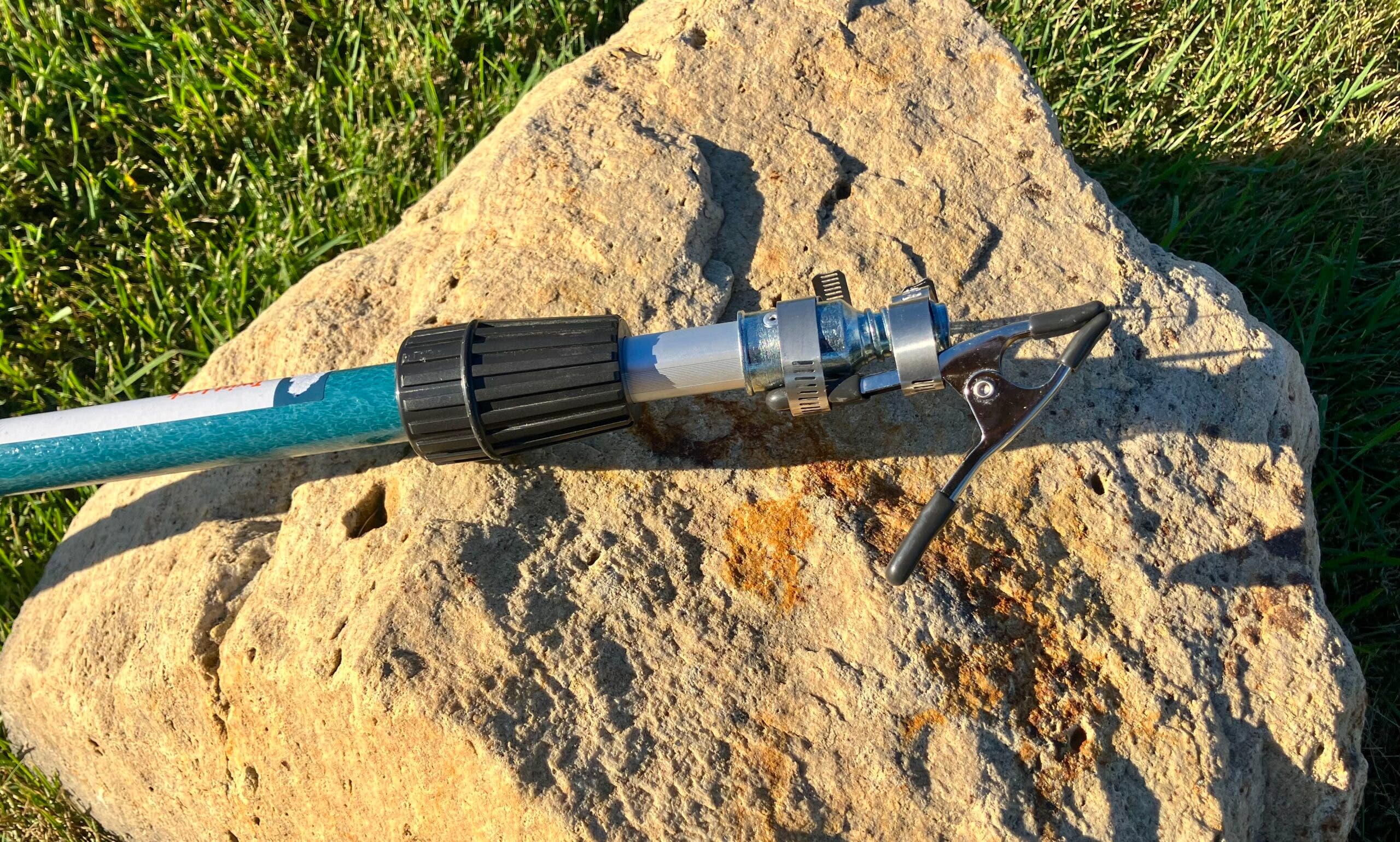
Stick clips, used to clip the first or second bolt of a sport climb from the ground, are perhaps the most overpriced category of climbing gear. Retail versions frequently exceed $90 due to specialized telescopic poles and proprietary spring-loaded heads. A functional alternative involves using a standard painter’s pole, which can extend over 20 feet, combined with a stainless steel hose clamp. This setup offers greater reach than many commercial models while providing a modular platform that can be repaired in minutes.
Stiffy Quickdraws and Rope Management
"Stiffy" draws—quickdraws that remain rigid to allow for clipping distant bolts—are essential tools for shorter climbers or those tackling overhanging routes. While commercial "Panic" quickdraws utilize complex mechanical triggers, a reliable DIY version can be constructed by inserting a semi-rigid housing wire into a length of hollow tubular webbing. This creates a semi-rigid structure that is pliable enough to fold for storage but stiff enough to hold its shape when extended.
Similarly, rope management has become a focal point for environmental stewardship. In high-traffic crags, preventing rope degradation from dust and grit is a primary concern. A four-by-four square of heavy-duty plastic sheeting, reinforced with industrial-grade shipping tape and featuring corner loops, serves as a high-performance rope tarp. The cost differential—roughly $4 for the DIY version compared to $25 for commercial variants—highlights the efficiency of utilizing construction materials for outdoor applications.
Industry and Expert Perspectives
Safety advocates within the climbing industry emphasize that the distinction between "convenience" gear and "safety-critical" gear must never be blurred. Representatives from major certification bodies note that while the DIY movement encourages technical literacy, it carries the inherent risk of user error.
"The danger arises when the lines are crossed," says a lead climbing instructor at a national facility. "Building a rope tarp or a stick clip is a fantastic exercise in resourcefulness. However, attempting to replicate the load-bearing characteristics of a carabiner or a harness is a fundamental misunderstanding of the physics involved. We strongly caution the public to restrict DIY projects to the peripheral, non-load-bearing elements of their kits."
Furthermore, professional gear manufacturers maintain that their pricing reflects not just materials, but extensive R&D, structural testing, and liability insurance. "When a climber buys a piece of certified gear, they are buying a guarantee of performance under extreme stress," a spokesperson for a major gear manufacturer explained. "DIY projects serve a purpose, but they are not a substitute for the rigorous testing standards that save lives in the field."
Broader Implications for the Climbing Community
The rise of DIY gear reflects a broader trend toward "maker culture" within the outdoor community. This movement serves as a bridge between the sport’s roots in exploration and the modern reality of professionalized equipment.
The implications are twofold:
- Accessibility: By lowering the cost of entry, the DIY community helps keep the sport accessible to younger climbers and those from lower-income backgrounds, ensuring that financial barriers do not dictate participation.
- Technical Literacy: Climbers who build their own accessory gear often develop a deeper understanding of material science—such as the properties of nylon, the fatigue limits of metal, and the mechanics of tension. This technical literacy often translates into better care for their expensive, certified safety gear, ultimately leading to longer lifespans for their primary equipment.
Conclusion: A Measured Approach to Autonomy
The resurgence of DIY climbing gear in 2026 is not merely a reaction to inflation, but a testament to the enduring spirit of the sport. It represents a commitment to self-reliance and an appreciation for the mechanics of climbing. As long as the distinction between "convenience" and "safety" is strictly maintained, the practice of creating custom tools will remain a productive and rewarding facet of the climbing experience.
For the average climber, the lesson is clear: invest in the critical systems that keep you safe, but embrace the freedom to innovate where the engineering is simple, the materials are reliable, and the objective is merely to make a day at the crag more efficient. In a world of increasing complexity, the ability to solve a problem with a piece of webbing, a bit of tape, and a little ingenuity remains one of the most valuable skills a climber can possess.