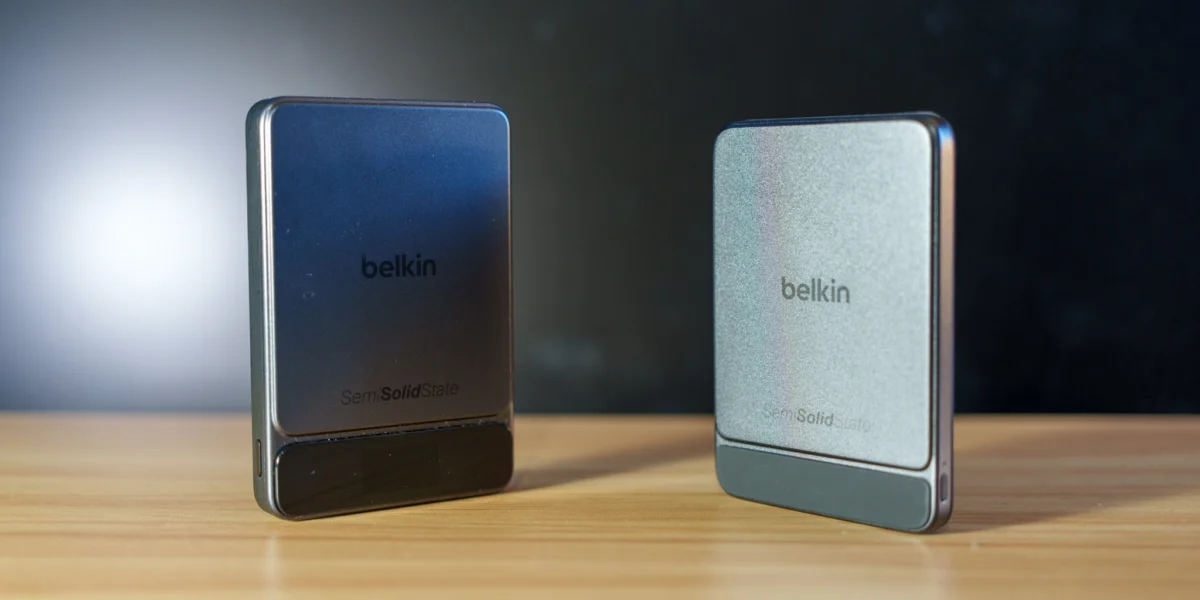
Belkin has officially announced the rollout of two innovative portable power solutions designed specifically for Apple’s iPhone ecosystem. The newly introduced accessories leverage cutting-edge semi-solid-state battery technology, marking a significant departure from traditional lithium-ion architecture. This launch includes a high-capacity 10,000mAh USB-C power bank engineered for rapid wired charging and a sleek, 5,000mAh MagSafe-compatible variant utilizing 15W Qi2 wireless charging standards. Both devices feature premium aluminum chassis designed to provide superior thermal management, durability, and a distinct tactile feel.
The introduction of semi-solid-state chemistry into consumer electronics represents a major milestone in portable power engineering. For years, manufacturers have struggled to balance the ever-increasing power demands of modern smartphones with the physical weight and volumetric constraints of conventional lithium-ion batteries. By integrating semi-solid-state electrolytes, Belkin has managed to reduce overall mass significantly while maintaining high energy density and improving safety profiles against overheating and swelling.
Main Facts of the New Belkin Power Lineup
The newly unveiled Belkin product line consists of two distinct models tailored to different mobile power needs. The first is the 10,000mAh power bank, priced at $89.95 on Amazon, which emphasizes high-output wired charging capabilities. Delivering up to 60W of power delivery via its USB-C port, this unit is capable of charging not only iPhones rapidly but also compatible iPads and MacBooks. It features an integrated smart digital display that provides users with precise battery percentage readouts rather than relying on ambiguous multi-LED indicator lights.
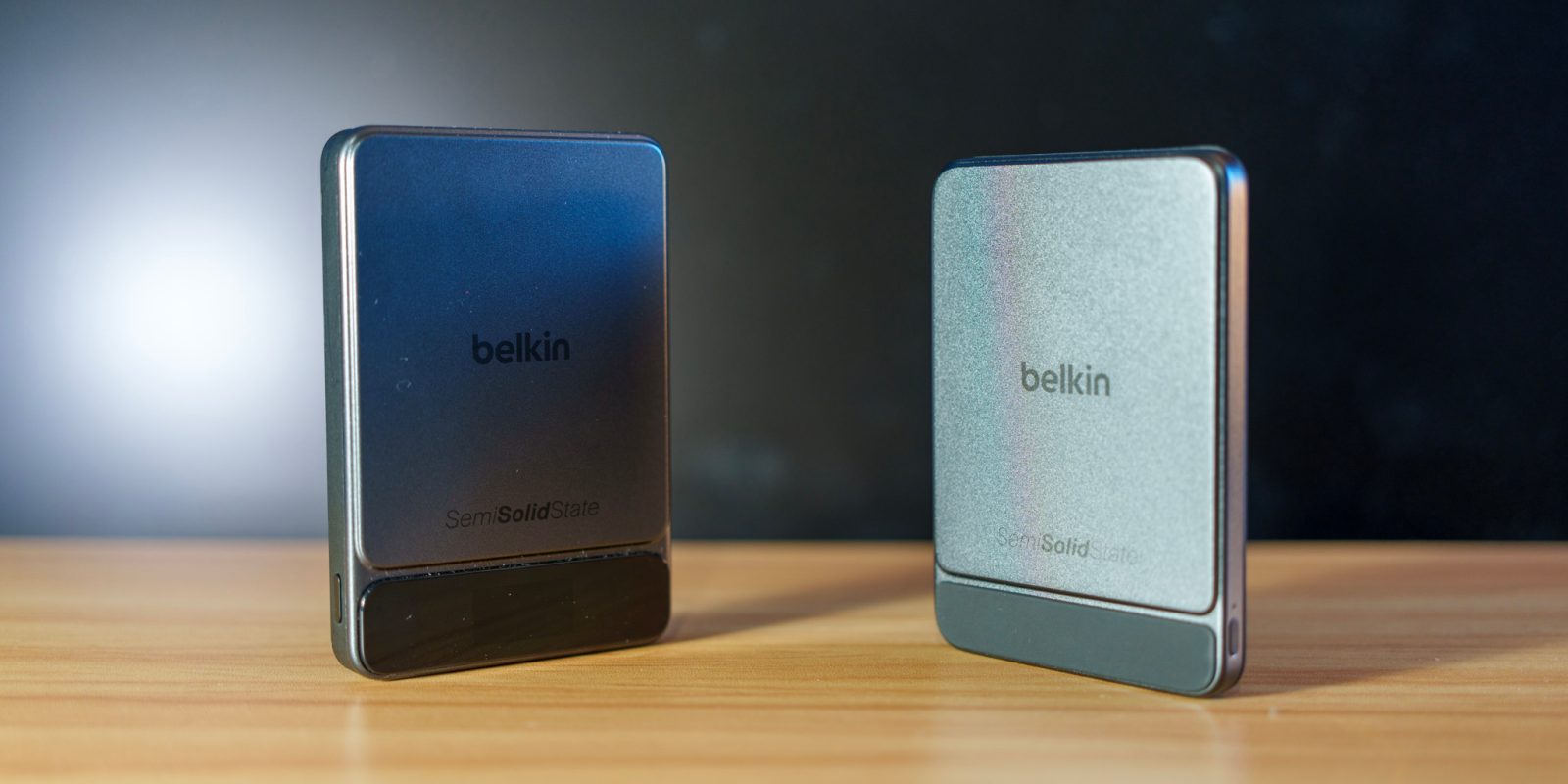
The second product is the 5,000mAh MagSafe wireless power bank, available for $69.99. This model is engineered for minimalists and users seeking seamless, cable-free on-the-go charging. Utilizing the Qi2 wireless charging standard, it delivers a reliable 15W magnetic wireless charge to compatible iPhone models. Unlike older magnetic power banks that often rely on bulky plastic housings, this unit utilizes an ultra-thin aluminum build that adheres closely to the back of the device, though users of smaller form-factor devices like the iPhone Duo may notice a slight overhang at the base.
Chronology and Industry Evolution of Solid-State Technology
The journey toward commercializing solid-state and semi-solid-state batteries has been marked by years of intensive research and development across the global technology sector. Traditionally confined to laboratory settings and heavy industrial applications due to high production costs and manufacturing complexities, solid-state technology began migrating toward consumer electronics in the mid-2020s.
Historically, portable power banks have seen incremental improvements in capacity, but have remained plagued by heavy weights—often scaling between 240g and 300g for standard 10,000mAh capacities. Belkin’s latest 10K offering breaks this mold by achieving a remarkable weight reduction down to just 220g. This achievement underscores a broader industry pivot toward advanced materials science, where accessory manufacturers are increasingly adopting technologies originally pioneered by electric vehicle manufacturers and premium laptop producers.
Supporting Data and Comparative Performance Metrics
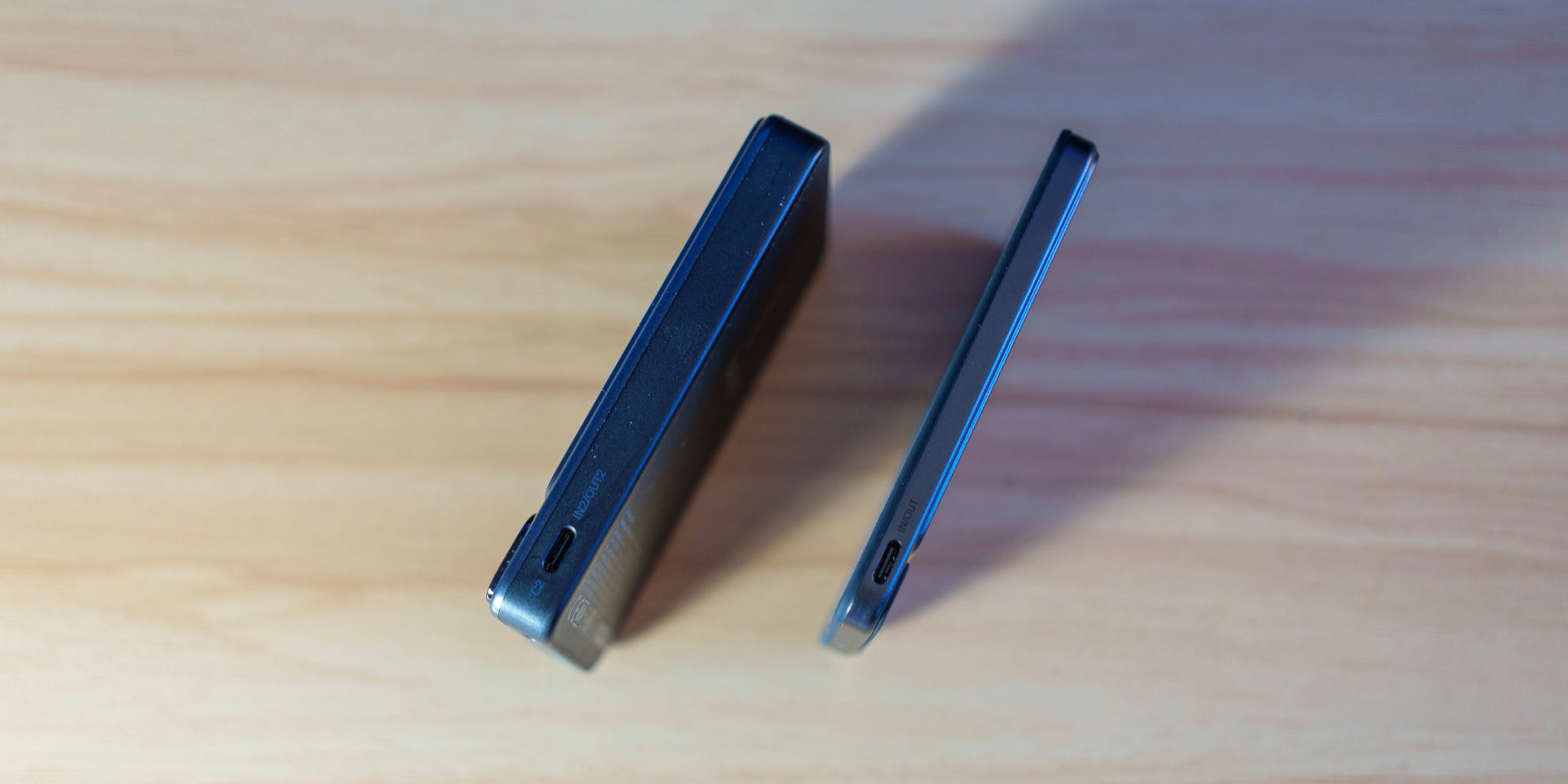
A closer examination of the physical and operational metrics highlights the advantages of Belkin’s new design philosophy. The thermal properties of the aluminum exterior play a critical role in sustained high-wattage output. Aluminum housings act as natural heat sinks, efficiently dissipating thermal energy generated during rapid charging cycles. This contrasts sharply with standard polycarbonate enclosures, which tend to trap heat and induce thermal throttling.
In terms of physical dimensions, the 10K battery bank optimizes internal component layout to achieve a highly pocketable profile. The reduction in mass by nearly 20% compared to legacy models of equivalent capacity makes a noticeable difference for daily commuters and travelers. Meanwhile, the 5,000mAh MagSafe variant prioritizes thinness, eliminating peripheral features such as integrated kickstands or complex displays in favor of structural slenderness and unencumbered ergonomics.
Industry Reactions and Market Implications
While official statements from competing accessory manufacturers are still emerging, industry analysts anticipate that Belkin’s move will accelerate the adoption of semi-solid-state technology across the broader mobile accessories market. Competitors are expected to face mounting pressure to upgrade their legacy lithium-ion portfolios to match the improved safety, reduced weight, and superior thermal performance demonstrated by Belkin’s new offerings.
Furthermore, the design considerations noted regarding newer, smaller iPhone models—such as the iPhone Duo—highlight an ongoing challenge for accessory designers. As Apple continues to refine smartphone dimensions and internal layouts, peripheral manufacturers must adapt their magnetic alignment rings and physical footprints. Industry insiders project that upcoming trade shows, such as the Consumer Electronics Show (CES), will feature an influx of form-factor-specific MagSafe accessories tailored precisely to the architectural variations of evolving iPhone generations.

Broader Impact on the Mobile Accessory Ecosystem
The launch of these semi-solid-state power banks signals a transitional phase for consumer electronics accessories. As consumers demand faster charging speeds, lighter everyday-carry items, and enhanced safety, legacy battery technologies are rapidly reaching their performance ceilings. Semi-solid-state chemistry bridges the gap between traditional liquid-electrolyte lithium-ion cells and fully solid-state batteries, offering a commercially viable pathway to higher energy densities without the exorbitant costs currently associated with pure solid-state manufacturing.
For Belkin, these products reinforce the brand’s position as an early adopter of premium, high-performance peripheral engineering within the Apple ecosystem. By combining industrial-grade aluminum finishes with next-generation energy storage, the company has set a new benchmark for what users can expect from everyday portable power solutions. As these technologies scale, the broader market will likely witness further price normalization and widespread integration, permanently altering the standards for mobile device accessories.