










The rapid and unprecedented expansion of artificial intelligence infrastructure across the United States is triggering alarm bells among environmental organizations, who warn that the unprecedented energy demands of new data centers could completely derail national climate goals. According to a newly released assessment by the Sierra Club, the electricity generation required to power planned computing and AI facilities threatens to reverse nearly a decade and a half of hard-fought environmental gains in the American power sector.
By the end of the decade, the carbon dioxide emissions directly linked to this digital infrastructure buildout could skyrocket. Projections indicate that annual emissions associated with these facilities could exceed 460 million metric tons by 2030—a figure roughly equivalent to the entire annual carbon output of Mexico. Furthermore, overall emissions from the American power sector could surge to 2.1 billion metric tons, representing an alarming 42% increase compared to 2025 baseline levels.
The scale of the projected power consumption has left environmental analysts reeling. Jeremy Fusher, the Sierra Club’s principal advisor for climate and energy, noted that the latest calculations far exceed previous expectations. Earlier models produced by environmental watchdogs had anticipated a more modest increase—typically placing the projected emissions spike between 25% and 50% of current revised estimates. The updated figures underscore a staggering environmental toll that tech sector developers and utility companies are struggling to accommodate sustainably.
The Heavy Reliance on Fossil Fuels and Natural Gas
Despite corporate pledges from major technology firms to achieve net-zero carbon footprints, the immediate reality of powering power-hungry AI workloads remains heavily reliant on fossil fuels. Natural gas continues to serve as the bedrock of the electricity supply supporting the vast majority of American data centers.
Current industry data indicates that approximately 40% of these high-performance computing facilities draw their primary electricity from gas-fired turbines. Meanwhile, the integration of new renewable energy sources—such as wind, solar, and advanced battery storage—is lagging far behind the exponential trajectory of power consumption demanded by modern machine-learning models.
This supply-demand imbalance is exacerbated by severe supply chain bottlenecks for the very equipment required to build and expand power grids. Competition for electricity generation equipment has intensified drastically over the past two years, introducing profound difficulties for developers attempting to bring new facilities online within aggressive corporate timelines. Gas turbine prices have skyrocketed by roughly 50%, while manufacturers face formidable production backlogs that extend several years into the future. Industry reports indicate that some major equipment manufacturers have already filled production reservations for hardware scheduled for delivery as late as 2032.
These severe constraints create a perverse incentive for utility providers and data center developers. Rather than waiting years for renewable energy infrastructure to be built or for grid transmission lines to be upgraded, developers may be forced to rely on existing fossil-fuel-fired generation to meet their immediate energy needs.
Infrastructure Bottlenecks, Grid Strain, and Community Pushback
The race to construct AI data centers is colliding with the physical limitations of America’s aging electrical grid. Across the country, the volume of applications for construction permits has vastly outpaced the available electricity transmission capacity in numerous key metropolitan and rural markets.
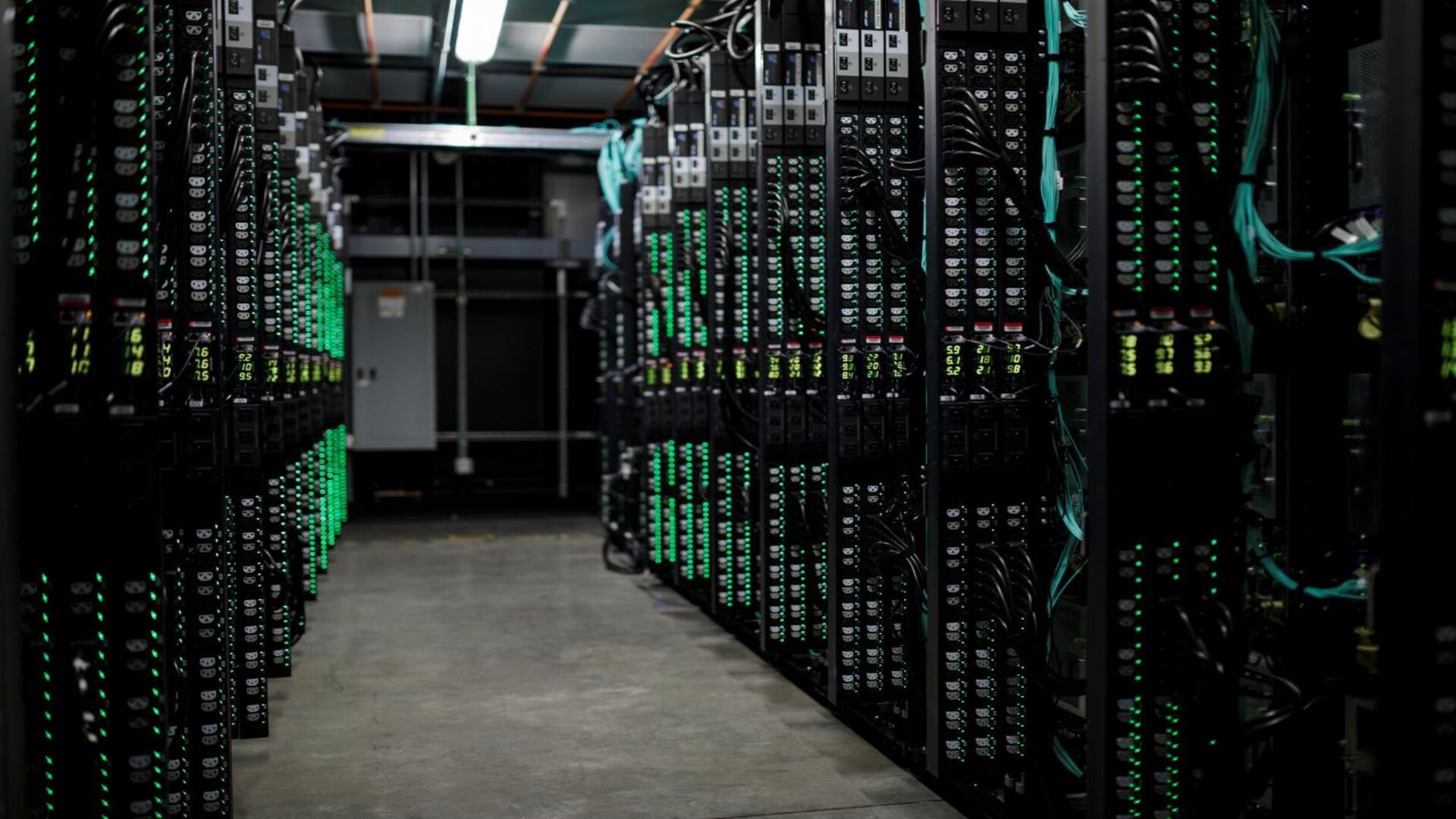
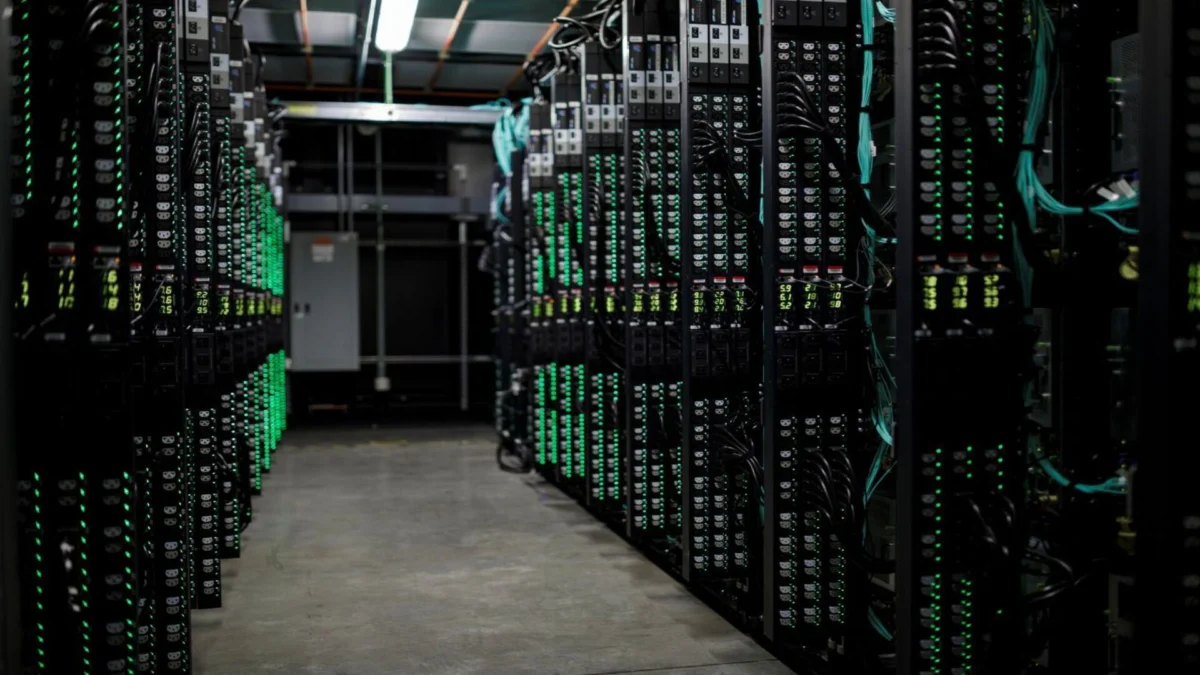
In many jurisdictions, local power grids simply lack the capacity to absorb the massive, continuous loads demanded by modern graphics processing units (GPUs) and server racks. Upgrading these transmission lines requires extensive regulatory approvals, environmental reviews, and years of physical construction.
Compounding these technical hurdles is a rising tide of community opposition. Local residents and municipal leaders across multiple states are increasingly pushing back against proposed data center developments. Communities have voiced legitimate concerns over skyrocketing local electricity rates, the immense water consumption required for cooling server farms, potential noise pollution from industrial generators, and the broader environmental consequences of expanding heavy industrial infrastructure into residential or agricultural zones.
At the same time, financial uncertainty within the generative AI sector introduces yet another layer of unpredictability. Major technology conglomerates—often referred to as hyperscalers—have poured billions of dollars into capital expenditure for AI infrastructure. However, lingering questions regarding the long-term commercial return on investment for these massive undertakings have sparked internal debates within Silicon Valley. Should market conditions tighten or revenue projections fall short, tech giants could be forced to scale back, postpone, or outright abandon planned data center campuses before construction reaches completion.
Regulatory Landscapes and International Precedents
Government regulations aimed at curbing the environmental impact of digital infrastructure vary wildly by region, offering a patchwork of safeguards that may prove insufficient to prevent near-term emissions spikes.
While some state and federal regulators are beginning to mandate that new large-scale computing facilities secure dedicated renewable energy contracts, these policies often feature protracted implementation timelines. Crucially, such regulations rarely apply retrospectively to facilities that are already operational or deep into the planning pipeline.
To understand the potential trajectory of regulatory oversight, industry analysts frequently look to international models. In Ireland, for instance—a nation that serves as a major European hub for multinational tech firms—regulators implemented stringent requirements mandating that new data centers obtain at least 80% of their electricity from renewable sources within six years of beginning commercial operations. While such policies encourage long-term green investments, the multi-year grace periods mean that fossil-fueled generation will inevitably remain a primary component of the energy mix during the most intensive phases of infrastructure expansion.
Fact-Based Analysis of Broader Implications
The collision between the artificial intelligence boom and global climate mandates presents a profound dilemma for policymakers, energy executives, and corporate leaders alike. The core implications of this trend stretch across several critical domains:
- The Energy Transition Paradox: The technological sector is simultaneously driving the development of green technologies while acting as a primary catalyst for increased fossil fuel consumption. Meeting the computational requirements of the AI revolution risks locking in natural gas infrastructure for decades, directly contradicting international climate agreements designed to limit global warming to 1.5 degrees Celsius.
- Economic and Ratepayer Pressures: The cost of upgrading transmission lines and constructing dedicated power plants to service private tech campuses is frequently passed down to everyday utility ratepayers. This dynamic threatens to spark economic friction and political backlash against the tech industry if residential energy bills rise as a direct result of corporate data center expansion.
- Corporate Accountability and ESG Metrics: Hyperscalers have staked their public reputations on aggressive environmental, social, and governance (ESG) targets, promising carbon-neutral or even carbon-negative operations by the 2030s. The inability of renewable energy development to keep pace with AI workloads threatens to expose these corporate pledges as unachievable without aggressive reliance on carbon offsets or unproven technological interventions.
Ultimately, the Sierra Club’s assessment underscores a sobering reality: without a massive, coordinated acceleration in clean energy deployment, grid modernization, and regulatory enforcement, the artificial intelligence revolution may come at a devastating cost to the global climate. As developers, utilities, and regulators grapple with these unprecedented pressures, the ultimate trajectory of greenhouse gas emissions over the next decade remains uncertain, hanging in the balance between technological ambition and ecological preservation.