









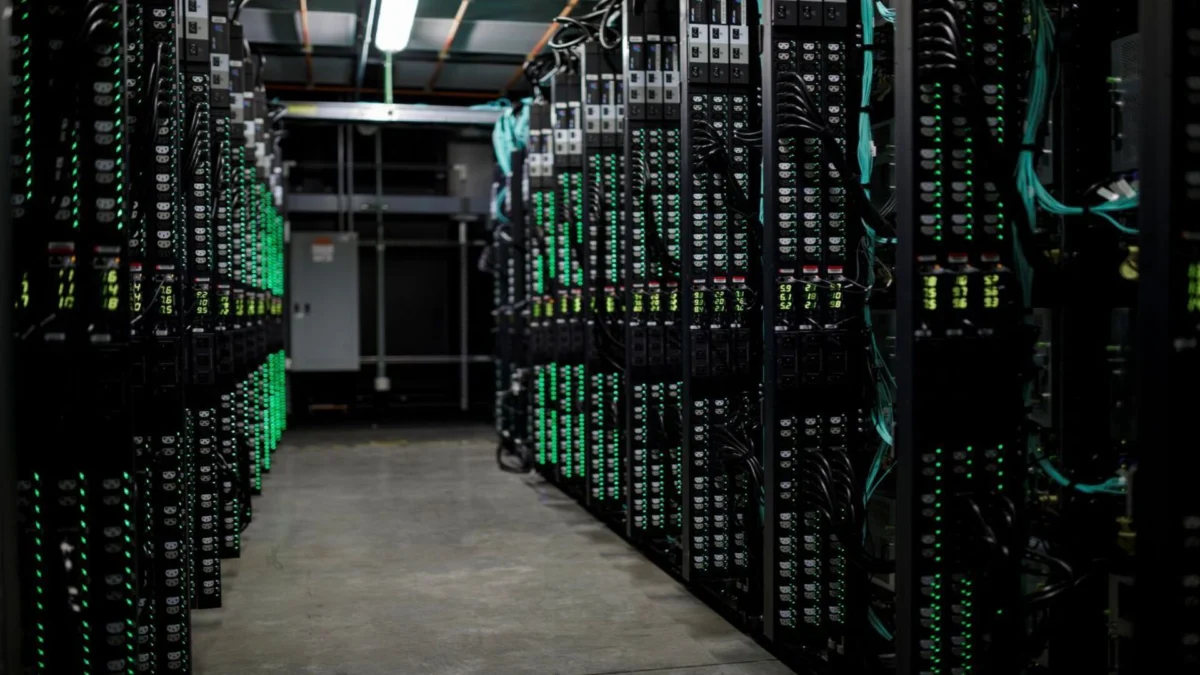
Alphabet’s Google is moving forward with a massive $17 billion infrastructure investment to establish its first-ever data center in Wyoming, even as a wave of local resistance and political pushback ripples across the United States. The expansive development, announced on Thursday, underscores the tech giant’s aggressive strategy to secure computing power for artificial intelligence and cloud services. However, the project arrives at a time of heightened tension between the technology sector’s insatiable demand for energy and the mounting concerns of local communities worried about strain on local resources, noise pollution, and soaring electricity bills.
While the federal and state political landscapes in Wyoming remain notably receptive to large-scale industrial investments, the broader national sentiment tells a different story. Recent electoral outcomes and community pushback highlight a growing anti-data center movement taking root in several states. Balancing economic windfalls with environmental and social stewardship has thus become the defining challenge for major cloud providers as they navigate the next generation of digital infrastructure.
A Massive Undertaking in Laramie County
The centerpiece of Google’s Wyoming initiative is a state-of-the-art data center located in Laramie County. To bring this monumental project to life, Google is collaborating with a powerhouse coalition of four major energy and infrastructure partners: Tallgrass Energy, Black Hills Energy, American Electric Power (AEP), and Related Digital.
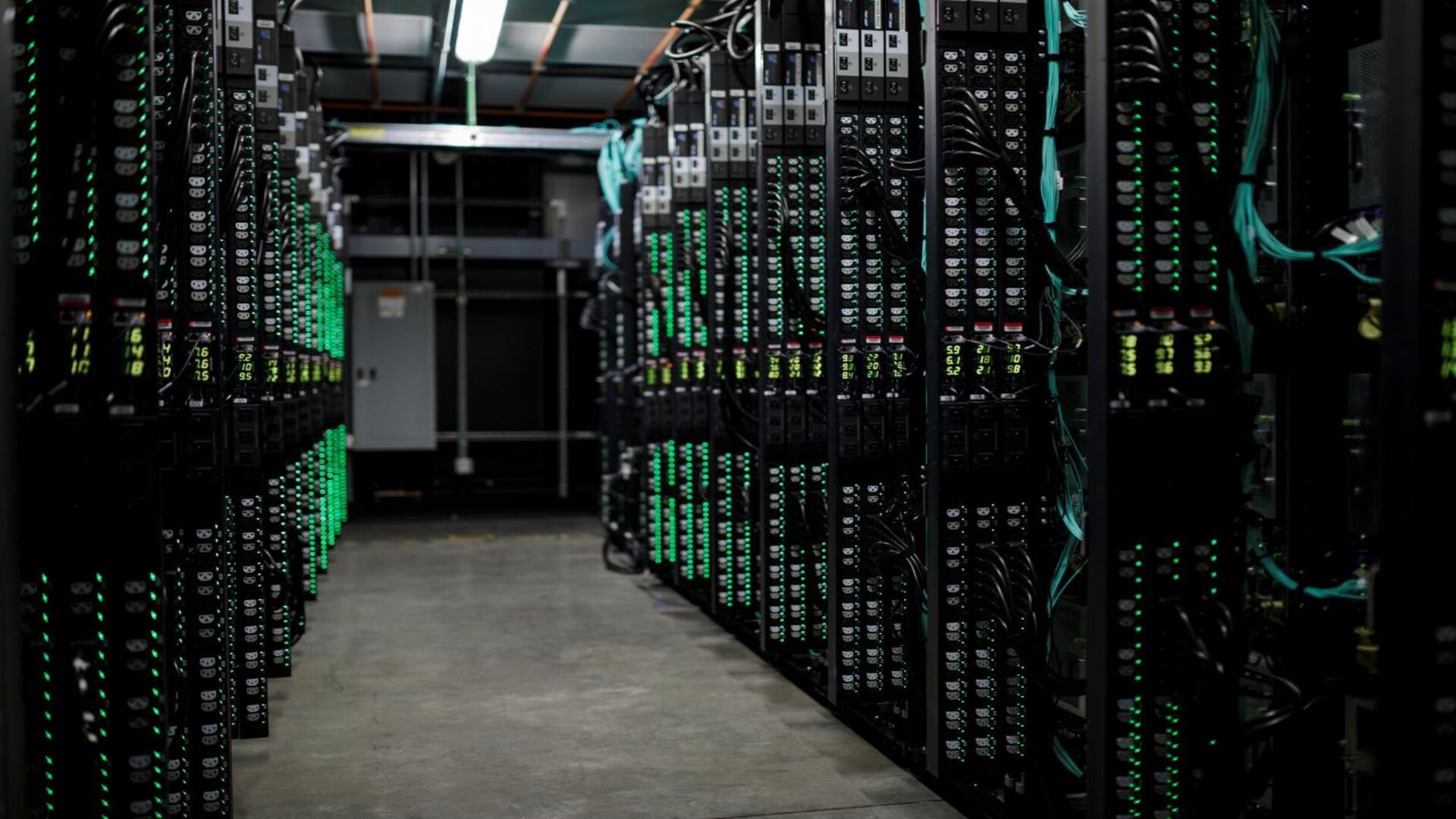
The facility is designed to meet the skyrocketing demands of modern generative AI applications, which require vast computational capabilities. Yet, powering these facilities demands a staggering amount of electricity and cooling capacity. To address these resource challenges head-on, Google’s blueprint incorporates an innovative energy strategy. The facility will integrate a planned 702-megawatt (MW) fuel-cell installation, manufactured by Bloom Energy and contracted through AEP. This system will utilize natural gas via advanced electrochemical processes to generate electricity, paired with cutting-edge carbon capture and storage (CCS) technology designed to severely limit net emissions.
Under the environmental framework of the project, captured carbon dioxide will be piped directly for permanent underground sequestration at Tallgrass Energy’s nearby Eastern Wyoming Sequestration Hub. Google has noted that this initiative will elevate its total contracted carbon capture capacity to nearly 1 gigawatt, building upon a similar sustainability-focused American infrastructure project unveiled late last fall. Furthermore, the tech titan will source additional electricity directly from gas-fired generators operated jointly by Tallgrass Energy and Black Hills Energy.
Navigating the National Political Headwinds
Google’s decision to plant roots in Wyoming is calculated, heavily influenced by the state’s deeply business-friendly and politically stable environment. During the 2024 presidential election, Wyoming gave more than 70% of its vote to Donald Trump, reflecting a political climate generally welcoming of traditional energy ventures and heavy industrial growth without excessive regulatory red tape.
Nevertheless, national political currents are shifting rapidly. Across the United States, grassroots opposition to data center developments has evolved from isolated neighborhood complaints into a potent political force. Recent midterm election results starkly illustrated this trend, with candidates who actively campaigned against data center expansions securing decisive victories in high-stakes contests across states like Texas and Georgia.
Data from recent electoral tracking shows that out of 41 data center-related ballot measures decided during the midterm cycle, only a single outcome favored the tech industry’s development interests. These mounting hurdles are prompting major technology corporations and financial investors to carefully re-evaluate the risk profiles of multi-billion-dollar AI infrastructure projects nationwide. Illustrating this cooling sentiment, recent reports indicate that Microsoft recently opted against extending a multi-billion-dollar infrastructure agreement with AI partner Nscale in Texas, pointing to a broader industry re-evaluation of rapid, unchecked physical expansion.
Addressing Community Concerns: Water and Power
Despite the high-level political backing in Cheyenne, Google has found itself facing rigorous scrutiny from local residents. More than 200 community members have actively engaged in early town halls and feedback sessions, voicing anxieties over transparency, long-term economic contributions, educational support, and the cumulative strain the massive development could place on regional infrastructure.
Chief among these localized worries is water consumption. Traditional hyperscale data centers often rely on intensive evaporative cooling systems, which can drain millions of gallons of local water supplies annually—a critical issue in arid Western states. Seeking to preempt these criticisms, Google has committed to operating the Laramie County installation using advanced air-cooling technologies, completely bypassing conventional water-intensive cooling methods. Additionally, the company has pledged financial backing for local water replenishment and conservation programs.
Energy allocation has been another central pillar of Google’s public relations and operational strategy. In a formal corporate blog post addressing the expansion, the company stated: “We’re committed to partnering with communities to build data centers the right way. We will pay for 100% of the power we use, and when we build data centers, we’ll cover the infrastructure needs directly driven by our growth.” By promising to fund the necessary grid enhancements directly rather than passing costs down to local ratepayers, Google hopes to neutralize the fear of spiking household utility bills.
Economic Windfalls and Regional Growth
In exchange for accepting the industrial footprint of a multi-billion-dollar tech campus, Laramie County stands to gain substantial financial benefits. Google projects that the installation will inject hundreds of millions of dollars into local public coffers via direct property tax payments, providing a historic financial boon to Laramie County and School District 1.
Beyond property taxes, Google has outlined a comprehensive community investment framework aimed at boosting regional human capital. These programs are slated to support science, technology, engineering, and math (STEM) education, professional training initiatives, local entrepreneurship, and skilled trades development throughout Wyoming. By tying its presence to workforce development, the company aims to position itself as a constructive economic partner rather than an extractive corporate entity.
Broader Implications for the Tech Industry
Google’s perseverance in Wyoming serves as a bellwether for the broader technology sector. As the generative AI boom matures, the race for digital dominance is increasingly bottlenecked by physical reality: the availability of reliable power, suitable land, and social license from local populations.
The stark contrast between Wyoming’s welcoming embrace and the fierce resistance seen in states like Texas and Georgia highlights a fractured national landscape. Tech companies can no longer assume that vast financial resources alone will guarantee smooth project execution. Instead, the future of AI infrastructure hinges on proactive community engagement, innovative engineering solutions that minimize environmental footprints—such as zero-water cooling and integrated carbon capture—and ironclad guarantees that local taxpayers will not subsidize the immense energy appetite of the digital age.
As construction ramps up on the Laramie County site, industry observers will be watching closely to see whether Google’s multi-pronged mitigation strategy can successfully harmonize local community interests with the relentless, energy-hungry demands of the artificial intelligence revolution.