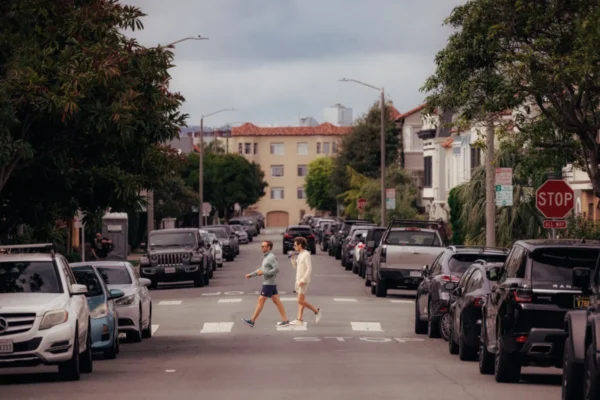









As the clocks roll back this Sunday, marking the end of Daylight Savings Time, millions of commuters, runners, and cyclists will find themselves navigating evening transitions characterized by rapidly diminishing ambient light. This seasonal shift presents a significant public health and safety concern: the sudden reduction in daylight hours correlates with a documented spike in pedestrian and cyclist accidents. While the darkness can transform outdoor activity into a logistical challenge, emerging advancements in reflective gear and personal lighting technology are providing new tools to mitigate these risks. By leveraging the principles of "biomotion"—the visual recognition of biological movement—manufacturers are increasingly producing gear that prioritizes human visibility over passive reflectivity.
The Seasonal Shift and Road Safety Trends
The transition from late October to early November serves as a critical juncture for traffic safety professionals. According to data from the National Highway Traffic Safety Administration (NHTSA), pedestrian fatalities are historically higher in the final three months of the year, with a significant percentage of these incidents occurring between the hours of 6:00 PM and 9:00 PM. The primary factor is the "dusk effect," where the human eye struggles to adjust to the rapid onset of darkness, coupled with the fact that motorists are often fatigued during the evening commute.
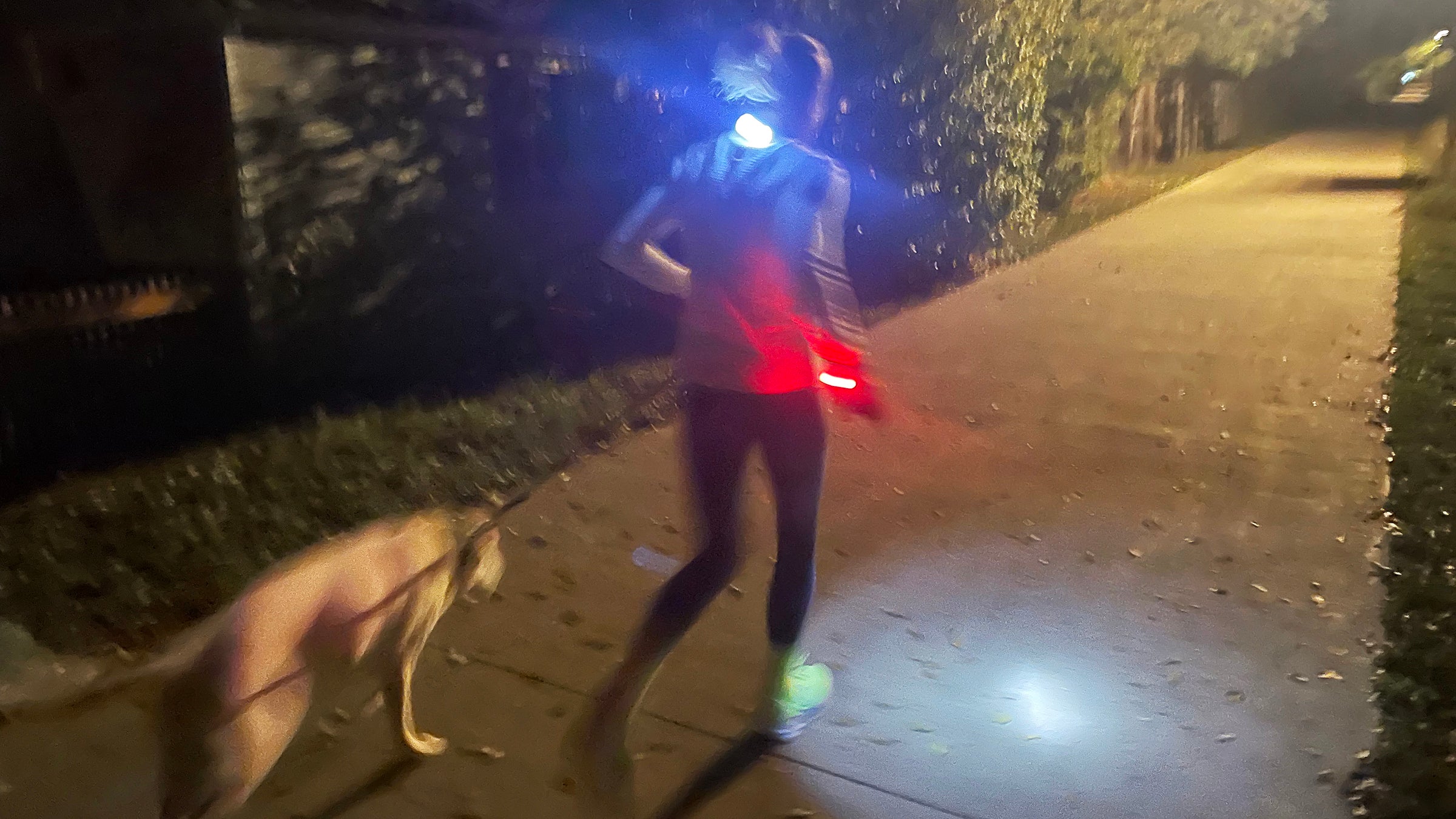
For those who rely on exercise as part of their daily routine, the shortening of days necessitates a proactive approach to equipment. Historically, reflective gear focused on the torso, such as vests or belts. However, recent scientific inquiries, including research published in the Journal of Safety Research and corroborated by findings from the National Institutes of Health, suggest that static reflective materials are insufficient. Motorists are significantly more likely to identify a human form if reflective markers are placed on moving appendages, such as ankles, knees, and arms. This phenomenon, known as biomotion, exploits the human brain’s innate ability to recognize the distinct, rhythmic patterns of human locomotion, distinguishing a person from a stationary sign or an inanimate obstacle on the roadside.
Chronology of Visibility Technology
The evolution of high-visibility gear has progressed through several distinct stages. In the late 20th century, the standard for safety was the fluorescent orange vest, designed to be seen in high-contrast environments. By the early 2000s, the integration of microscopic glass beads—which reflect light back toward the source—became standard in athletic apparel.
The current era, beginning around 2020, marks a shift toward "active-passive" hybrid systems. This involves the integration of active light sources, such as USB-rechargeable LEDs, alongside high-performance reflective textiles. This trend is driven by the rise of urban micromobility and the increasing popularity of "dark-hour" endurance sports. Industry experts note that the current market has moved away from purely utilitarian "safety yellow" aesthetics toward integrated reflective prints that function as both fashion and safety equipment.
Key Innovations in Personal Visibility Gear
The following products represent current advancements in the field, focusing on comfort, functionality, and the application of biomotion principles.
High-Performance Reflective Textiles
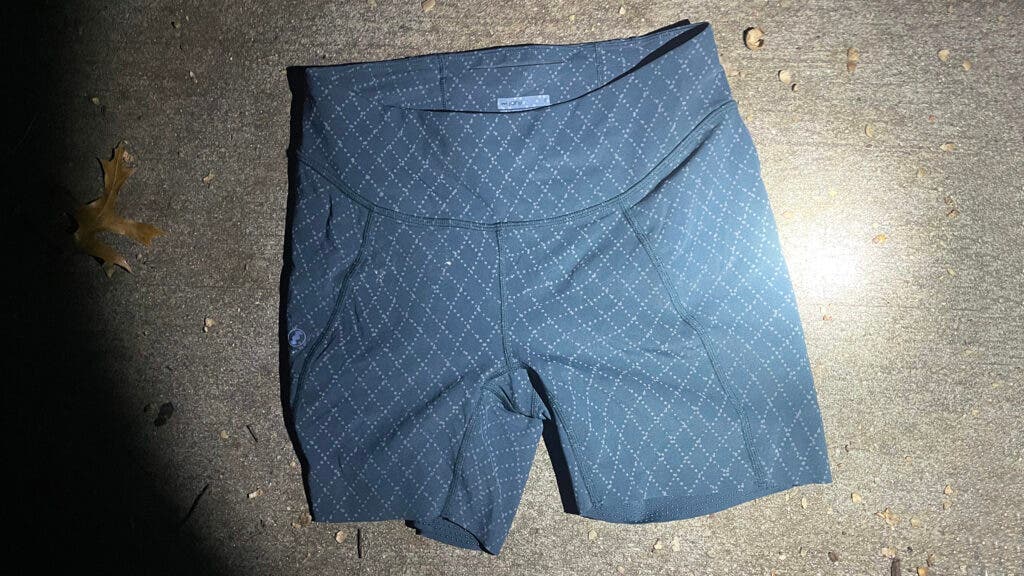
Modern apparel, such as the Janji 5-inch Pace Shorts, demonstrates the integration of safety into performance wear. By utilizing a "Warpnet" reflective print, these garments offer a dual-purpose solution: they provide the necessary compression and pocket storage required for distance running while incorporating a sophisticated reflective pattern that mimics the natural movement of the legs. This is critical because the rapid oscillation of the lower limbs provides the strongest biomotion signal to an approaching driver.
Biomotion-Focused Footwear Accessories
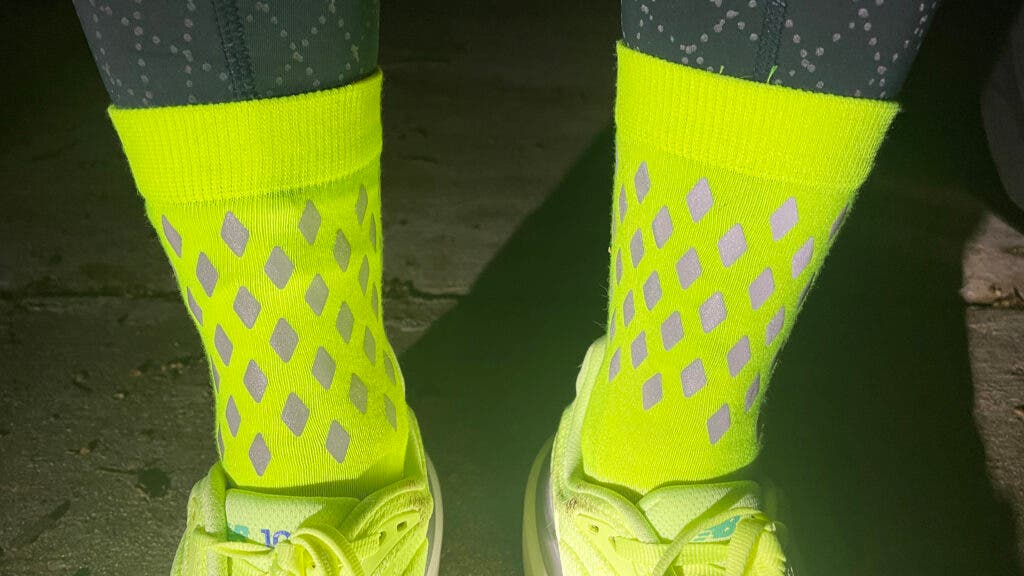
ReflecToes has emerged as a leader in applying biomotion research directly to the extremities. Their running and cycling socks utilize a series of reflective diamonds placed specifically around the ankle cuff. Because the foot and ankle undergo the most significant vertical and horizontal displacement during a stride, these socks create a strobing visual effect that is highly effective at grabbing a motorist’s attention from a distance. Research suggests that this specific placement can increase the detection range of a pedestrian by up to 300 percent compared to torso-mounted reflectors.

Ergonomic Lighting Solutions
Handheld lighting has moved beyond the traditional bulky flashlight. Products like the Nathan Sports 400 RX Runner’s Hand Torch utilize adjustable hand straps that eliminate the need for a sustained grip, allowing for a more natural arm swing. This proximity to the ground is beneficial for trail runners, as the lower angle of light better illuminates changes in terrain, such as roots or uneven pavement. Furthermore, the inclusion of rear-facing red LEDs ensures that the user is visible from behind, addressing a common blind spot for runners.
Tactile and Integrated Technology
Advancements have also extended to cold-weather gear. Rabbit’s Low Light Tech Gloves utilize a polyester-spandex blend that incorporates a reflective floral motif. Beyond the visual benefit, these gloves include touchscreen-compatible pads on the thumb and index finger, allowing users to interact with GPS or communication devices without exposing their skin to the elements or losing visibility coverage.
Integrated Safety Alarms
Perhaps the most notable shift in personal safety gear is the integration of multi-modal alert systems. The Birdie Disc, for example, combines a high-intensity white and red strobe light with an audible alarm system. This represents a holistic approach to safety, addressing not only the risk of vehicle collision but also the personal security concerns often cited by those running or walking alone during the early morning or late evening.
Broader Implications for Public Health and Urban Planning
The widespread adoption of high-visibility technology carries significant implications for public health. Encouraging outdoor physical activity during the winter months is essential for combating seasonal affective disorder (SAD) and maintaining cardiovascular health. However, without adequate safety infrastructure, many individuals are forced to abandon outdoor exercise during the winter, moving instead to indoor facilities or ceasing activity altogether.
Urban planners and traffic safety advocates are increasingly calling for the integration of "visibility-first" design in cities. This includes better-lit intersections, the installation of high-visibility crosswalks, and the promotion of light-reflective materials in municipal infrastructure. Yet, until such systemic changes are fully realized, the burden of safety remains, in part, with the individual.
The consensus among safety organizations is clear: there is no single solution to the hazards of low-light travel. Instead, a layered approach—combining passive reflectivity on moving limbs, active light sources, and situational awareness—is the most effective defense. As technology continues to evolve, the goal remains the same: to turn the perceived hindrance of darkness into a manageable environment where pedestrians and cyclists can remain active throughout the calendar year, regardless of the position of the sun. The adoption of this gear is not merely a matter of convenience; it is a critical component of modern personal safety in an era where urban and suburban environments remain dominated by high-speed vehicular traffic.