The American automotive landscape is currently undergoing a significant recalibration, driven by a cooling in retail electric vehicle (EV) sales and a shifting legislative environment that has seen the rollback of several aggressive federal fuel-economy mandates and tax incentives. As major manufacturers like Ford and Honda scramble to adjust their production forecasts and absorb the financial sting of asset write-downs, Hyundai Motor Company has adopted a divergent strategy. Under the guidance of CEO José Muñoz, the South Korean automaker is actively transitioning its idle or underutilized EV manufacturing capacity toward a high-growth, high-volume sector: the production of specialized, autonomous-ready vehicles for the robotaxi industry.
This strategic pivot, highlighted during a recent corporate event in San Jose, represents a fundamental shift in how traditional automakers perceive the viability of electric fleets. Rather than viewing the current stagnation in consumer EV adoption as a terminal failure of the segment, Hyundai is leveraging its manufacturing infrastructure to serve as a primary hardware supplier for the rapidly maturing autonomous vehicle (AV) sector.
A Calculated Shift in Manufacturing Strategy
The cornerstone of this initiative is Hyundai’s massive Metaplant in Savannah, Georgia. Originally conceived as a high-capacity hub for consumer-facing EVs, the facility is now being repurposed to balance production between internal combustion-hybrid models—for which demand remains robust—and purpose-built autonomous vehicles.
During his presentation, CEO José Muñoz was candid about the company’s decision-making process. While competitors chose to scale back their operations and write down the value of their EV-related assets, Hyundai elected to maximize its existing investments. By diversifying the utility of these plants, the company has insulated itself against the volatility of the retail market. The robotaxi business, according to Muñoz, has already reached a level of profitability, transforming from an experimental venture into a standalone business unit that is expected to contribute meaningfully to the company’s bottom line in the coming fiscal years.
The Waymo Partnership and Technological Integration
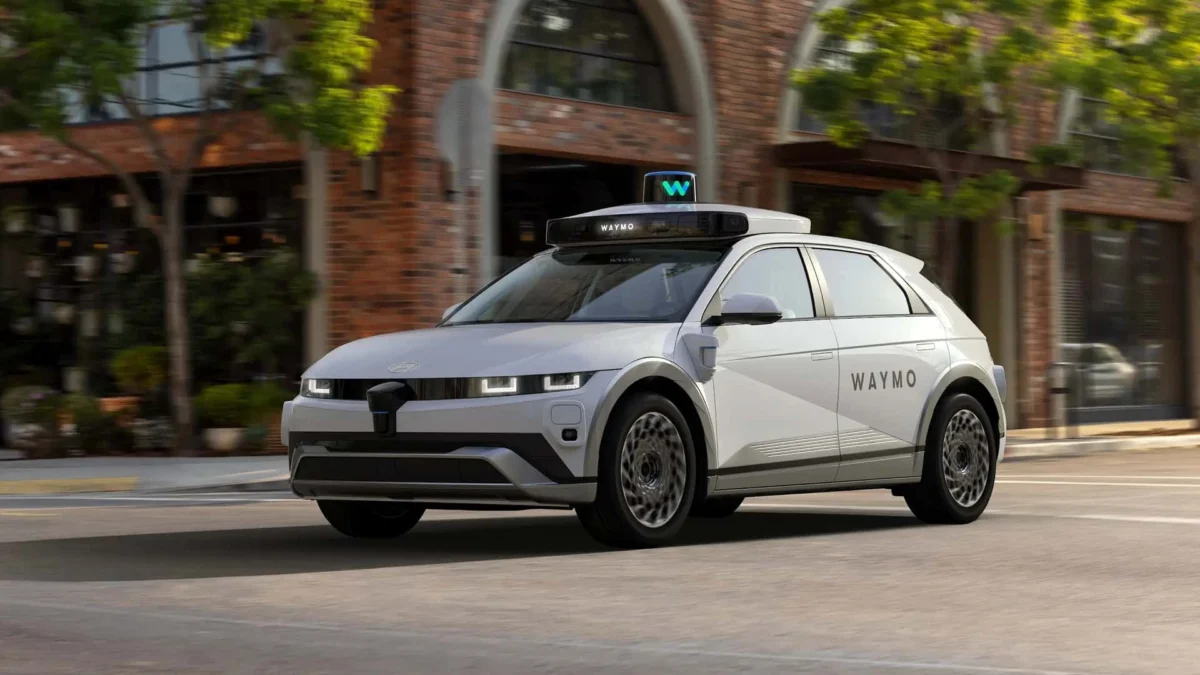
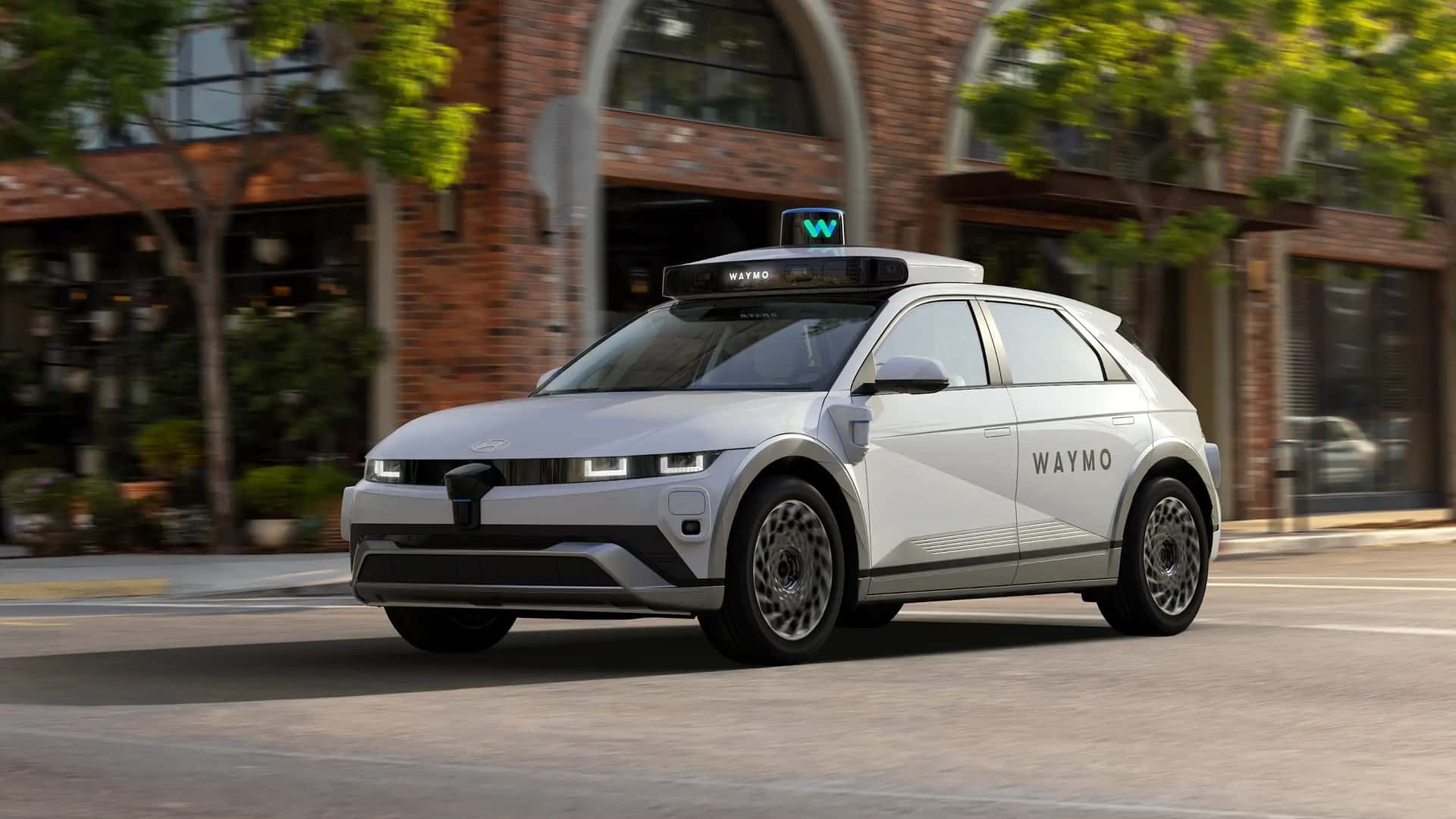
The most prominent example of this strategy is Hyundai’s multi-year agreement to supply Waymo with tens of thousands of Ioniq 5 electric crossovers. This collaboration marks a significant departure from traditional automotive supply chain models. Unlike standard retail vehicles, these units are engineered for autonomous operation from the assembly line.
The Ioniq 5 units destined for the Waymo fleet will integrate the company’s sixth-generation autonomous driving hardware. This represents a technical milestone in the partnership; whereas Waymo has historically retrofitted vehicles—such as the Zeekr vans—with sensor suites and computing hardware at secondary facilities in Arizona, the Hyundai units are being equipped with these systems at the factory level. This integration is expected to reduce the complexity and cost of the deployment process, allowing for a more seamless transition from the assembly line to urban ride-hailing networks.
Deliveries are scheduled to commence in the fourth quarter of this year, signaling the start of a large-scale deployment that could see Hyundai’s footprint in the AV sector expand exponentially. With Waymo currently operating a fleet of approximately 4,000 vehicles across 14 U.S. cities, the addition of thousands of custom-built Ioniq 5s will likely solidify its position as the market leader in the autonomous ride-sharing space.
Market Context: The Rise of the Fleet-Based EV Model
Hyundai is by no means the only manufacturer betting on fleet-based demand to drive EV volume. The automotive industry is increasingly bifurcating between the slower-than-expected retail market and the booming B2B (business-to-business) autonomous sector.
Startups and legacy manufacturers alike are securing lucrative contracts to supply vehicles for ride-sharing giants. For example, Rivian has finalized a partnership with Uber to supply up to 50,000 of its R2 crossovers, specifically designed for high-utilization commercial environments. Similarly, Lucid Group has entered into agreements with both Uber and Nuro, committing to deliver at least 35,000 units of its Gravity SUV and midsize platforms. These deals provide a critical safety net for manufacturers, guaranteeing volume and revenue during a period when the average consumer remains hesitant to make the transition to electric powertrains due to concerns over charging infrastructure, high entry prices, and range anxiety.
Furthermore, international demand is mirroring these domestic trends. Lucid’s recent announcement regarding a partnership with the European shared mobility platform Bolt—which entails the supply of at least 25,000 vehicles—demonstrates that the demand for autonomous-ready EVs is a global phenomenon. Stellantis, too, has committed to integrating its platforms into Uber’s global network, suggesting that the "robotaxi-as-a-service" model will be a foundational element of the automotive industry’s future.
Economic and Regulatory Implications
The retreat of federal subsidies for private EV buyers has had a tangible impact on the automotive sector’s R&D budgets. Without the tailwind of federal tax credits, the barrier to entry for the average American household has increased, leading to a glut of inventory at dealerships. However, for fleet operators like Waymo, the economic calculus is different. Because robotaxis are operated as a service, the depreciation and operational costs are spread across a massive number of rides, making the initial cost of the hardware less of a deterrent than it is for an individual buyer.
From a regulatory standpoint, the shift toward autonomous fleets is also being watched closely by policymakers. As the industry moves toward standardized, factory-built autonomous vehicles, safety regulations are expected to evolve to address the unique needs of driverless transport. Hyundai’s proactive engagement with developers ensures that its vehicles are designed with these future safety and interoperability standards in mind, potentially giving the brand a long-term competitive advantage.
Looking Ahead: Scaling the Business Unit
When asked about the future of this division, Muñoz suggested that the collaboration with Waymo is just the beginning. Given the specialized nature of these vehicles, the company has reported significant interest from other potential customers. The ability to "scale up" this manufacturing model provides Hyundai with a flexible production lever that can be adjusted based on the health of the retail market.
If consumer demand for EVs remains tepid, Hyundai’s ability to pivot production capacity to meet the demands of fleet operators offers a pathway to maintain high utilization rates at its manufacturing plants. This, in turn, helps maintain the supply chain and prevents the massive under-absorption of costs that has plagued other manufacturers in recent months.
The implications for the broader automotive sector are clear: the future of the electric vehicle is likely to be found as much in the commercial fleet as it is in the private garage. As automakers refine their ability to build purpose-driven hardware for autonomous systems, the "robotaxi" will likely cease to be a niche product and instead become a standard segment of the modern automotive portfolio.
Hyundai’s strategic shift represents a pragmatic response to a complex market environment. By aligning its manufacturing prowess with the technological maturity of autonomous software providers, the company is not merely surviving the current downturn in EV sales—it is effectively building the infrastructure for the next generation of urban transportation. Whether this approach becomes the industry standard remains to be seen, but as of now, it stands as a robust example of how traditional manufacturers can remain resilient in the face of rapid, and often unpredictable, technological and economic shifts.