









The automotive industry is currently navigating a complex transition from human-operated vehicles to various stages of machine-led automation, and Mercedes-Benz, once a pioneer in the deployment of Level 3 systems in the United States, is signaling a significant shift in its technological roadmap. Despite achieving the milestone of becoming the first automaker to receive regulatory approval for a Level 3 autonomous driving system in the U.S., the company has opted to exclude this specific technology from its latest S-Class models. This tactical pivot reflects a broader industry realization: the competitive race to be first to market does not always align with consumer utility or the practical realities of current infrastructure.
The Rise and Limitations of Drive Pilot
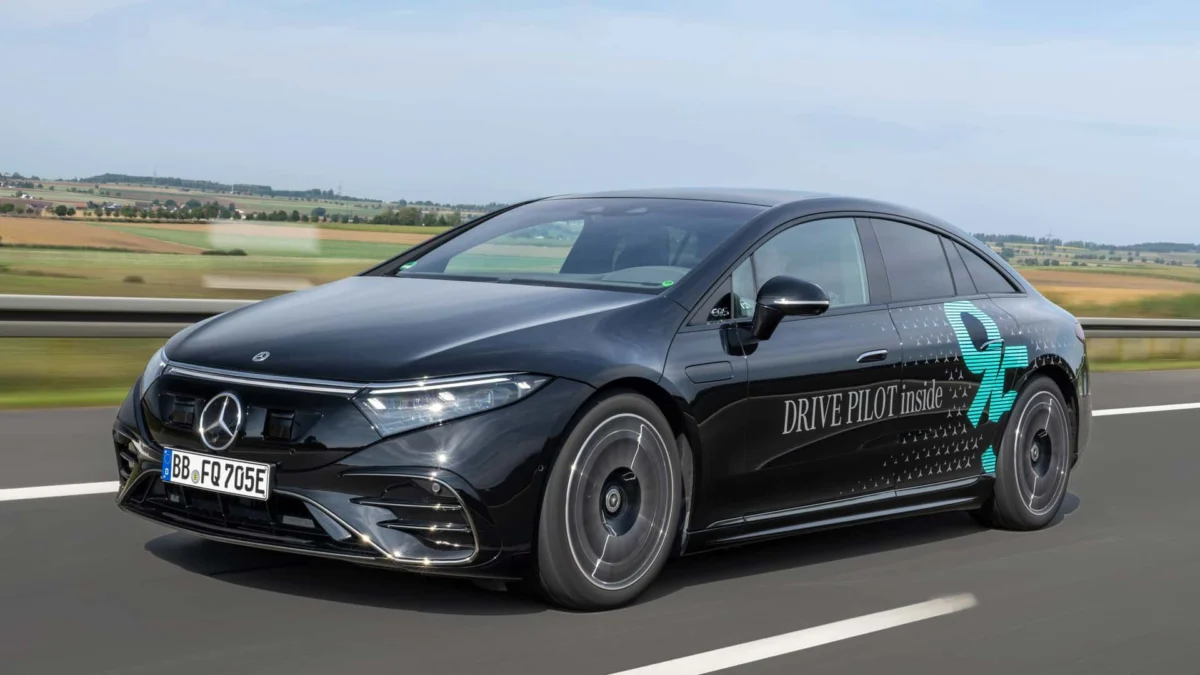
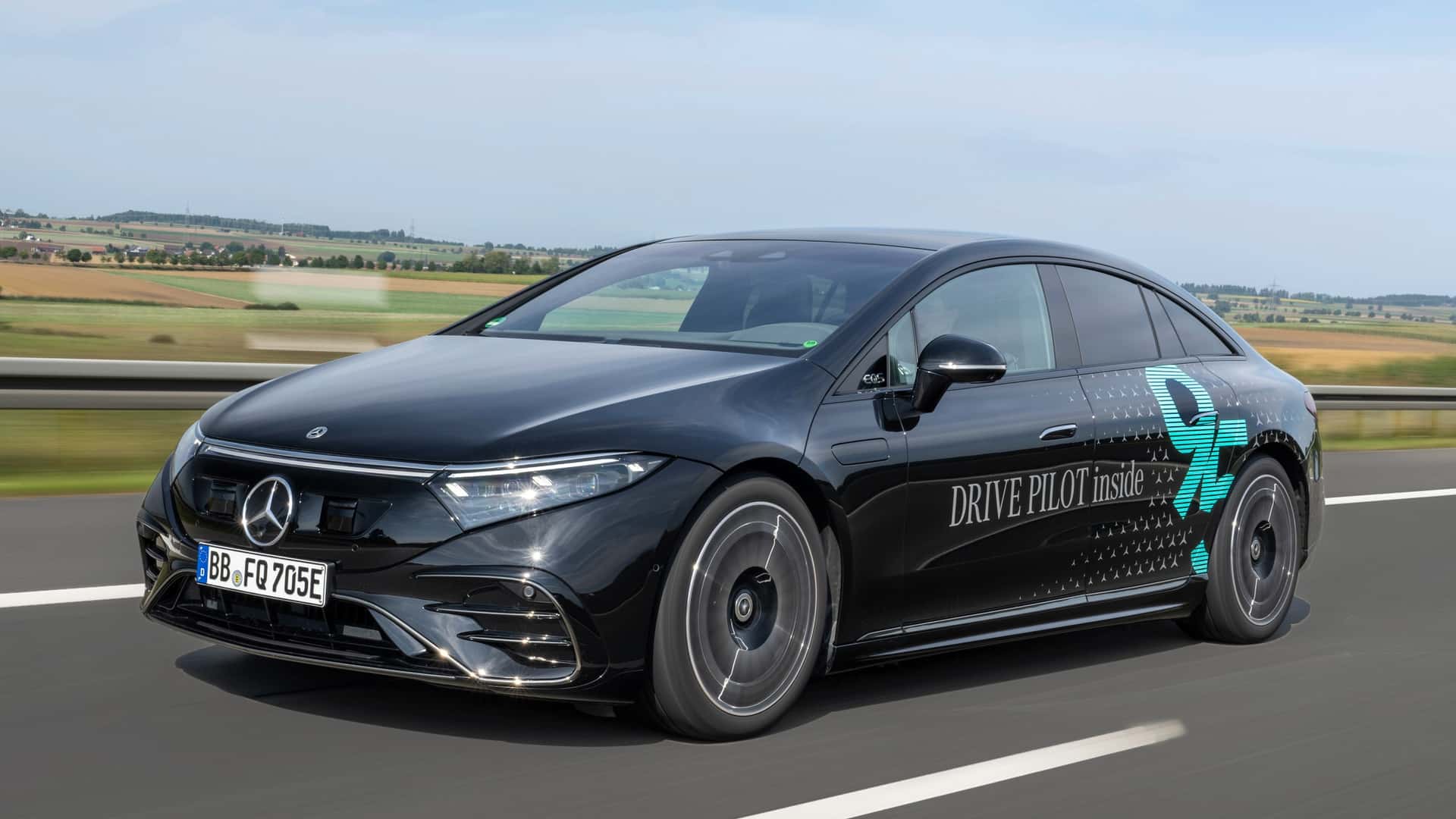
In 2023, Mercedes-Benz made significant headlines when it introduced "Drive Pilot," a system classified as SAE Level 3. Unlike Level 2 systems, which require constant driver supervision, Level 3 allows the driver to divert their attention from the road under specific conditions, effectively placing the legal responsibility for the vehicle’s operation on the system itself.
However, the implementation of Drive Pilot revealed inherent constraints that limited its appeal to the average consumer. The system was restricted to operating at speeds of up to 40 mph and was further limited to specific highway conditions, such as heavy traffic or designated geographic zones. For many luxury buyers, a system that only functions during low-speed congestion on select stretches of road offered limited value compared to the high cost of the hardware and software required to support it.
Jörg Burzer, the Chief Technology Officer at Mercedes-Benz, addressed these challenges during a recent media roundtable. Reflecting on the company’s trajectory, Burzer noted that the early push into Level 3 autonomy provided the engineering team with critical data regarding user behavior and expectations. "Sometimes if you are too early, then you see that you have to work on what the customer really wants," Burzer remarked. This admission underscores a shifting philosophy within the Stuttgart-based automaker: prioritizing features that provide immediate, everyday assistance over high-concept technologies that lack broad utility.
A Strategic Pivot Toward Advanced Level 2 Systems
Mercedes-Benz is not abandoning the development of autonomous technology. Instead, the company is reallocating resources toward enhancing its Level 2 driver-assistance capabilities. The current goal is to provide a more robust, "point-to-point" experience that assists the driver in a wider variety of environments, including urban centers, intersections, and high-speed highway driving.
The latest iteration of the Mercedes-Benz S-Class serves as a platform for this new direction. These vehicles are equipped with an array of up to 27 sensors, including cameras, LiDAR, and radar, which power the MB.DRIVE Assist Pro suite. Unlike Level 3, this system remains categorized as a driver-support feature, meaning the human occupant must remain alert and ready to intervene at any time. However, the system’s ability to handle complex maneuvers—such as automatic lane changes, navigating roundabouts, and responding to traffic lights—offers a tangible increase in convenience for the driver. By focusing on these high-utility features, Mercedes aims to deliver a product that integrates more seamlessly into the daily routines of its clientele.
Chronology of Mercedes-Benz’s Autonomous Development
The journey toward higher levels of automation has been a multi-year effort characterized by both rapid innovation and cautious regulatory navigation.
- 2013: Mercedes-Benz demonstrates the capabilities of the "S 500 Intelligent Drive" prototype, which successfully navigated both urban and rural routes in Germany.
- 2021: The company receives formal approval from the German Federal Motor Transport Authority (KBA) for its Level 3 system, marking a global first for the industry.
- 2023: Drive Pilot officially launches in the U.S. market, specifically in California and Nevada, setting a precedent for American regulatory acceptance of Level 3 systems.
- 2024: Mercedes-Benz announces a strategic shift, prioritizing refined Level 2 systems and setting a long-term goal of skipping the complexities of further Level 3 iterations to focus on Level 4.
The Road to Level 4 and Beyond
The decision to bypass further investment in "incremental" Level 3 updates in favor of Level 4 represents a major gamble on the future of mobility. SAE Level 4 autonomy represents a significant jump in capability, as it allows a vehicle to perform all driving tasks within a defined operational design domain without any human supervision.
However, the company remains pragmatic regarding the timeline for such technology. CTO Jörg Burzer has indicated that production vehicles featuring Level 4 capability are unlikely to reach the mass market until after 2030. This timeline is consistent with the cautious approach of many global automakers, who are balancing the technological requirements for full autonomy with the legal, insurance, and ethical frameworks that remain under development.
The transition to Level 4 will not be a sudden shift but rather a gradual evolution. Industry analysts suggest that we will likely see "Geofenced" autonomy—where cars drive themselves in specific areas like city centers or dedicated highway lanes—long before universal, "go-anywhere" autonomous systems become available.
Industry Implications and Market Analysis
The move by Mercedes-Benz serves as a bellwether for the automotive sector. For years, the industry was caught in an "arms race" to promise the highest level of autonomy, often to the detriment of user experience. By pivoting back to highly capable Level 2 systems, Mercedes-Benz is acknowledging that the current market prefers a sophisticated assistant rather than a system that only works under narrow, restrictive conditions.
Furthermore, this shift highlights the intense competitive pressure from software-first companies and EV startups. As competitors continue to push the boundaries of driver-assistance technology, established OEMs are finding that they must refine their core product offerings—comfort, safety, and reliability—rather than relying solely on the promise of future automation.
The financial implications of this pivot are also significant. Developing Level 3 or Level 4 systems requires massive R&D expenditure on sensor fusion, cloud connectivity, and high-definition mapping. By focusing on the refinement of Level 2 systems—which utilize established, modular architectures—Mercedes can better manage its capital expenditure while maintaining its premium brand positioning.
Conclusion: A Realistic Path Forward
The story of Mercedes-Benz’s evolution in autonomous driving is one of learning through implementation. While the industry once viewed the transition from Level 2 to Level 3 as a linear progression, the reality has proven to be far more nuanced. By recognizing the limitations of early Level 3 deployments and shifting its focus toward high-utility, advanced driver assistance and long-term Level 4 objectives, Mercedes-Benz is adopting a strategy that prioritizes the user experience.
As the automotive landscape continues to evolve, the distinction between "what is technically possible" and "what is practically useful" will remain the primary driver of product development. For now, the focus in Stuttgart has clearly shifted toward the latter, ensuring that the technology found in a new S-Class is not just a glimpse into the future, but a tangible, daily benefit for the driver. Through this balanced approach, the company hopes to maintain its status as a leader in automotive technology, moving steadily toward a future where, eventually, the car will handle the burden of the road entirely.