










The intersection of heavy civil engineering and pristine ecological conservation has historically been fraught with friction. Traditional construction projects rely heavily on diesel-powered machinery, which emits toxic exhaust fumes, generates disruptive low-frequency engine vibrations, and produces high decibel levels that can disrupt local fauna. For decades, deploying heavy equipment inside protected natural sanctuaries meant accepting a significant, albeit temporary, ecological footprint. However, a pioneering initiative at Virginia’s Occoquan Bay National Wildlife Refuge is redefining how infrastructure development can occur in sensitive environments.
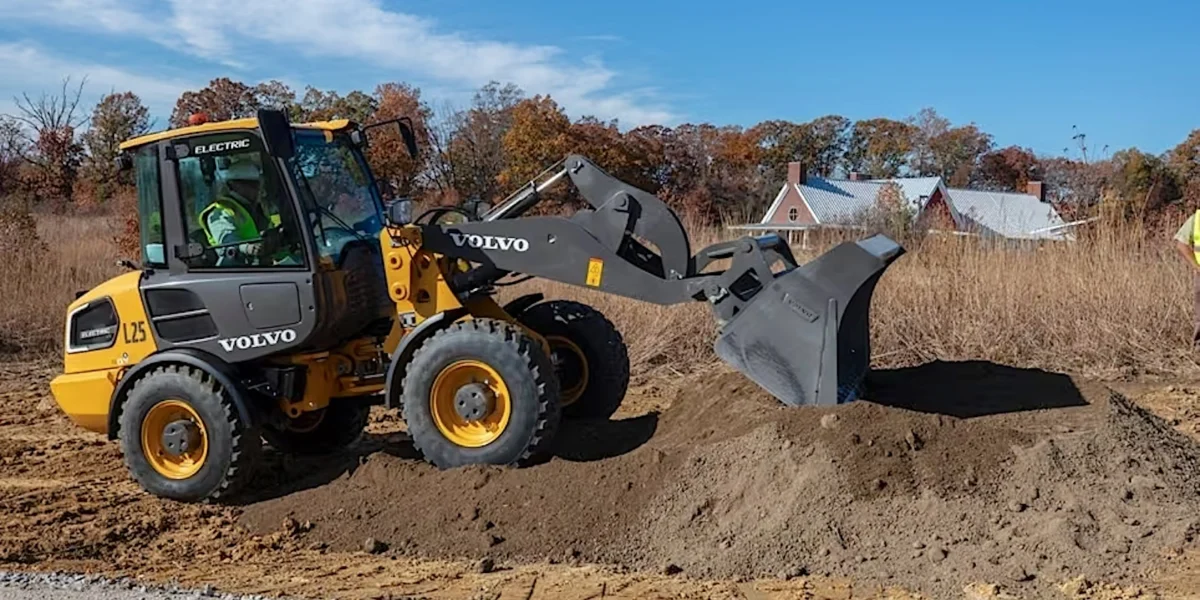
For the first time in the history of the United States National Wildlife Refuge System, battery-powered, zero-emission heavy construction equipment is being actively deployed for a public works project. Spearheaded by the US Fish and Wildlife Service in direct collaboration with Volvo Construction Equipment (Volvo CE), the initiative utilizes an ECR25 Electric compact excavator and an L25 Electric compact wheel loader. These advanced electric assets are currently being used to construct a new, Americans with Disabilities Act (ADA) accessible trail network, proving that modern heavy machinery can accomplish complex civil engineering tasks without compromising surrounding ecosystems.
Main Facts and Project Scope at Occoquan Bay
The primary objective of the Occoquan Bay National Wildlife Refuge project is to enhance public inclusivity by making a previously restricted or challenging natural landscape accessible to visitors with mobility impairments. Situated in Prince William County, Virginia, the refuge encompasses a rich mosaic of vital ecosystems, including tidal and non-tidal wetlands, native warm-season grasslands, and mature hardwood forests. These diverse habitats serve as a crucial sanctuary for an extensive array of wildlife species, ranging from migratory waterfowl and ospreys to red foxes, painted turtles, and North American river otters.

To ensure that wheelchair-bound visitors and individuals with limited mobility can safely experience this biodiversity, the US Fish and Wildlife Service commissioned the construction of a half-mile-long accessible path. The L25 Electric compact wheel loader is playing a central role in laying down the aggregate and foundational materials for this ADA-compliant trail, which snakes gracefully around one of the refuge’s primary scenic ponds.
Simultaneously, the ECR25 Electric compact excavator is tackling intricate earthwork requirements. The machine is being utilized to dig precise drainage trenches designed to manage stormwater runoff and improve the overall hydrological health of the pond area. Furthermore, the compact excavator is assisting construction crews in positioning and anchoring a new wooden viewing platform that extends directly out over the water, offering visitors an immersive, unobstructed view of the local aquatic wildlife.
Chronology of the Partnership and Technological Integration
The integration of commercial electric construction machinery into federal conservation projects is the result of years of technological maturation and strategic industry partnerships. While electric passenger vehicles have dominated consumer markets for over a decade, the electrification of heavy industrial machinery has faced distinct engineering hurdles, primarily centered around high energy density requirements, torque output, and continuous runtime under heavy operational loads.
Volvo CE began scaling its electromobility portfolio in the late 2010s, formally introducing its commercial range of compact electric excavators and wheel loaders to global markets between 2020 and 2022. Following successful trial runs in European urban construction sites and agricultural applications across New Zealand and North America, the manufacturer turned its attention toward specialized, low-impact niches.

The partnership between Volvo CE and the US Fish and Wildlife Service materialized as federal land managers sought cleaner alternatives to conventional diesel fleets. Planning for the Occoquan Bay infrastructure upgrade began in earnest, culminating in the deployment of the machinery on-site. The selection of Occoquan Bay as the pilot location marks a formal milestone, transitioning electric construction equipment from commercial and municipal applications into federally protected wildlife sanctuaries.
Supporting Data and Zero-Emission Infrastructure
A critical component of deploying electric construction machinery in remote or off-grid natural areas is establishing a reliable, zero-emission charging infrastructure. Operating heavy battery-powered assets far from conventional electrical grids presents a logistical challenge that threatens to negate the environmental benefits of the machinery if fossil-fuel generators are used for recharging.
To mitigate this challenge, the Occoquan Bay project incorporates a portable EV ARC (Electric Vehicle Autonomous Renewable Charger) solar-powered charging system supplied by Beam Global. This self-contained, off-grid infrastructure solution features integrated solar tracking arrays and heavy-duty battery storage. The EV ARC unit absorbs solar energy throughout the day, storing it locally to provide consistent Level 2 charging capabilities for both the Volvo ECR25 excavator and the L25 wheel loader directly on-site.
By pairing battery-electric construction machinery with a mobile, solar-powered charging station, the project achieves a closed-loop zero-emission operational cycle. This setup eliminates the need for temporary diesel generator rentals, fuel delivery trucks traversing fragile refuge service roads, and any direct consumption of fossil fuels during the multi-week construction phase.

Official Responses and Industry Perspectives
The deployment of zero-emission equipment in a national wildlife refuge has drawn positive reactions from both industry leaders and environmental administrators, highlighting the alignment between corporate sustainability goals and federal conservation mandates.
Dr. Ray Gallant, Vice President of Product Management and Productivity at Volvo CE, emphasized the broader significance of the partnership during the announcement of the initiative. "We are excited to partner with the US Fish and Wildlife Service on this project to demonstrate Volvo’s commitment to lowering emissions and working to build the future we all want and need," Dr. Gallant stated. He further noted that the operational data and visibility gained from the Occoquan Bay project serve as a tangible preview of how electrified heavy machinery can redefine standard practices within the broader construction and civil engineering sectors.
Representatives from the US Fish and Wildlife Service echoed these sentiments, noting that the agency is continually exploring innovative methodologies to reduce its carbon footprint and operational disturbances across the more than 560 refuges comprising the National Wildlife Refuge System. By prioritizing low-noise and zero-exhaust technologies, the agency aims to set a new benchmark for infrastructure maintenance and visitor-access development within federally protected lands.
Broader Impact and Implications for the Construction Sector

The successful execution of the Occoquan Bay trail project carries significant implications for the future of civil engineering, landscape architecture, and environmental restoration work. Traditional construction methods within ecologically sensitive zones—such as state and national parks, forestry preserves, and urban green spaces—frequently face stringent regulatory hurdles or public opposition due to the potential disruption caused by noise pollution and localized emissions.
Diesel-powered compact excavators and wheel loaders generate continuous noise levels ranging from 80 to over 90 decibels, which can induce chronic stress, alter behavioral patterns, and displace sensitive wildlife species during critical breeding or nesting seasons. In contrast, electric construction machinery operates at a fraction of that acoustic footprint. The near-silent operation of the Volvo ECR25 and L25 models significantly reduces wildlife disturbance, allowing local fauna to remain undisturbed in their natural habitats just meters away from active construction zones.
Furthermore, the absence of local exhaust emissions—specifically particulate matter, nitrogen oxides, and carbon dioxide—protects both the delicate flora of the wetlands and the health of the human operators working in enclosed or semi-enclosed natural environments. As municipalities and federal agencies increasingly adopt stringent climate targets and carbon-reduction mandates, the demand for verified zero-emission job sites is expected to accelerate.
The pioneering deployment at Occoquan Bay National Wildlife Refuge demonstrates that heavy machinery and environmental conservation are no longer mutually exclusive. By combining advanced battery-electric hardware with solar-powered charging infrastructure, the project establishes a scalable blueprint for low-impact infrastructure development that can be replicated across protected public lands nationwide. As the construction industry continues its slow transition away from internal combustion engines, initiatives of this scale provide undeniable proof that heavy equipment can successfully operate in harmony with the wild.