









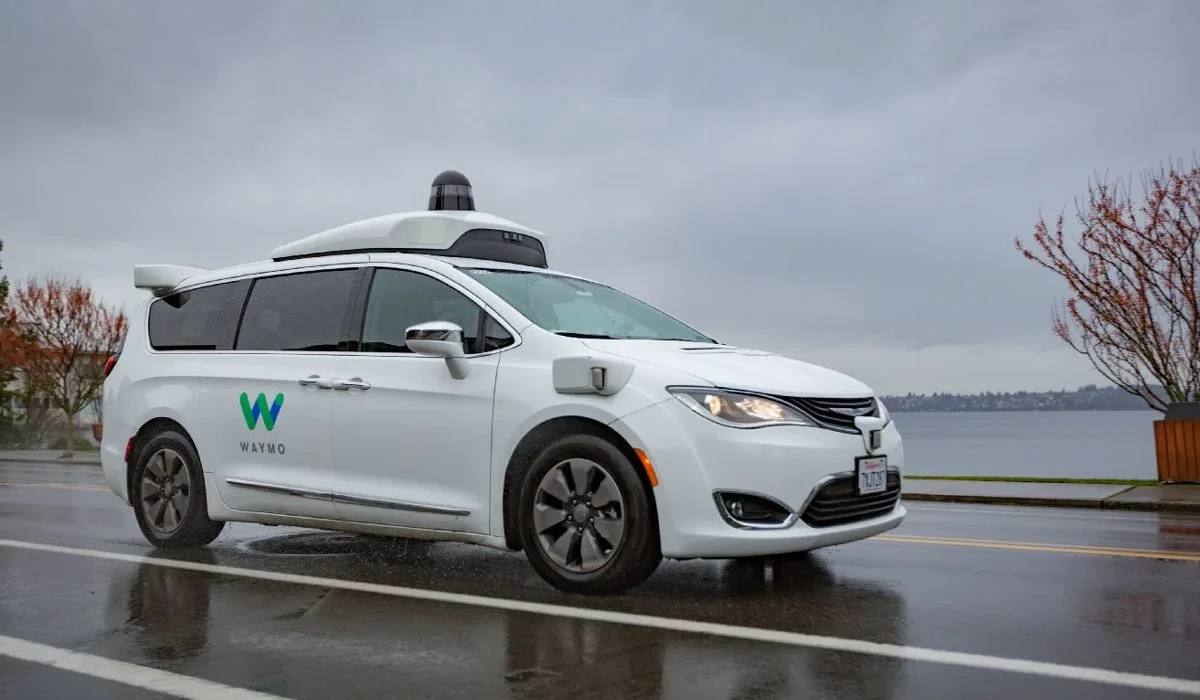
The autonomous vehicle landscape is undergoing a significant structural evolution as Waymo, the Alphabet-owned leader in self-driving technology, has officially confirmed the termination of its exclusive partnership with ride-hailing giant Uber in the key markets of Austin and Atlanta. This transition, set to conclude in January 2028, marks a pivotal shift in how the company intends to interact with its end-users. By moving away from the Uber ecosystem in these specific regions, Waymo is signaling a strategic pivot toward a proprietary service model, where the company manages the entire user journey through its own dedicated smartphone application.
The Strategic Rationale Behind the Pivot
The decision to conclude the collaboration, which was originally slated to run through May 2028, was confirmed by Waymo Co-CEO Tekedra Mawakana. While the partnership was initially conceived as a mechanism to scale autonomous operations rapidly by tapping into Uber’s massive, established user base, the reality of the integration proved more complex than anticipated.
According to internal assessments shared during recent industry briefings, the primary driver for this shift is the preservation of brand identity and the standardization of the user experience. Mawakana described the current integrated model as a "lottery" for passengers. Because the Uber app intermingles autonomous vehicles with human-driven rides, customers are often unable to distinguish between the two until a vehicle is dispatched. This lack of predictability hinders Waymo’s ability to build a consistent, specialized brand experience. By shifting to a standalone application, Waymo aims to ensure that every interaction—from the moment of booking to the ride itself—is explicitly tied to the Waymo brand, allowing the company to curate specific features, safety protocols, and service expectations that are unique to its autonomous fleet.
Chronology of the Waymo-Uber Relationship
The collaboration between Waymo and Uber was hailed as a landmark agreement when it was first announced, representing a "frenemy" dynamic that acknowledged the necessity of scale for autonomous vehicle (AV) deployment.
- Initial Integration: Waymo began integrating its autonomous fleet into the Uber platform to expand its footprint beyond its own early-adopter base.
- Expansion Phase: The partnership focused heavily on Austin and Atlanta, two high-density urban markets with complex traffic patterns and high demand for ride-hailing services.
- The Re-evaluation (2026): Reports surfacing in the Financial Times indicated that Waymo was re-evaluating the contract, signaling that the operational constraints of a third-party platform were beginning to outweigh the benefits of increased exposure.
- Formal Termination Announcement (Late 2026): Waymo leadership confirmed that the exclusivity agreement would conclude in January 2028, five months earlier than the originally scheduled expiration date.
- Future Transition (2028): Waymo will transition to a fully proprietary booking system in these cities, aligning its operations with its existing markets in San Francisco, Phoenix, and Los Angeles.
Data and Market Dynamics
The autonomous vehicle industry is currently in a phase of hyper-growth, with Waymo leading the charge in total paid ride volume. According to recent industry reports, Waymo has surpassed tens of thousands of weekly paid trips across its operating regions. The decision to move away from Uber is supported by data suggesting that "platform loyalty" is increasingly driven by the unique value proposition of the vehicle itself.

While Uber provides reach, it also introduces variables—such as dynamic pricing, driver availability, and app-wide UI consistency—that Waymo cannot control. By moving to its own app, Waymo can better manage supply and demand, optimize route efficiency, and gather first-party data on user behavior without the intermediary influence of a third-party ride-hailing platform.
Conflicting Perspectives: Who Controls the Experience?
The dissolution of this partnership has brought to light friction between the two technology giants regarding technical implementation. Following the announcement, Uber representatives clarified that the absence of a dedicated "Waymo-only" filter within the Uber app was not an oversight by the platform, but rather a design decision dictated by Waymo.
This revelation underscores a broader tension: the struggle for the "customer interface." Uber is designed as a platform for all transportation, whereas Waymo is attempting to define an entirely new product category: Autonomous-as-a-Service (AaaS). From Waymo’s perspective, allowing its technology to be treated as merely "another ride option" alongside human-driven cars risks commoditizing the specialized safety and technological advancements that represent the core of their business model.
The Broader Impact on the Autonomous Industry
The termination of this exclusivity deal does not necessarily mean an end to the collaboration between the two companies. Uber has signaled to industry analysts that it remains open to hosting Waymo’s fleet on its platform beyond 2028, provided a mutual agreement can be reached. However, the nature of this relationship will likely shift from an exclusive, integrated partnership to a non-exclusive, utility-based presence.
This trend is indicative of a maturing market. In the early stages of AV development, companies were desperate for distribution channels. Now, as the technology proves its reliability and safety, these companies are shifting their focus toward brand autonomy and customer lifetime value. For Waymo, this means controlling the entire "stack"—from the sensors and AI driving software to the booking interface and the customer support ecosystem.
Future Implications for Consumers
For the average consumer in Austin and Atlanta, this transition will likely result in a change in how they book rides. Instead of opening the Uber app, they will be encouraged to download the Waymo app. While this adds a step to the user’s smartphone organization, it promises a more consistent service level. Waymo’s standalone app offers specific features that Uber’s universal interface often cannot, such as granular details about the vehicle’s sensor perception, real-time safety updates during the ride, and a more streamlined process for requesting specific types of support.

Furthermore, this move allows Waymo to tailor its pricing models, loyalty programs, and subscription services without having to reconcile its business logic with Uber’s global pricing algorithms. It is a bold move that prioritizes long-term brand equity over short-term volume.
Analysis: A Necessary Evolution
The move by Waymo is a clear indication that the company has moved past the "proof of concept" phase and is now in the "commercial scaling" phase. In any industry, the transition from being a feature within a larger platform to being a destination in one’s own right is a sign of maturity.
However, the risk remains. By moving away from the Uber app, Waymo loses immediate access to millions of users who are already conditioned to open the Uber app when they need a ride. The company will have to invest heavily in marketing and user acquisition to ensure that the Waymo app becomes a permanent fixture on the home screens of commuters in Austin and Atlanta.
Ultimately, the decision by Waymo to terminate the partnership is a strategic bet on the uniqueness of the autonomous experience. If the service is sufficiently superior—safer, more reliable, and more comfortable—the company believes that consumers will be willing to go through the extra step of using a dedicated app. If they are correct, this move will serve as a template for other autonomous vehicle companies looking to break free from the constraints of legacy ride-hailing platforms.
As the industry looks toward 2028, the focus will likely remain on whether Waymo can maintain its operational tempo without the logistical backbone provided by Uber. The outcome of this transition will undoubtedly influence the strategic planning of competitors, including Cruise, Zoox, and other emerging players in the autonomous space, who are all watching closely to see if the "direct-to-consumer" model is the true path to sustainable profitability in the age of driverless transportation.