The ultralight backpacking community, long a sanctuary for small, innovative brands, is experiencing a significant shift in 2026. For decades, this niche has been defined by its independent makers, known for their daring designs, customer-centric approach, and willingness to experiment. This environment fostered a unique ecosystem where creativity flourished, leading to groundbreaking gear that pushed the boundaries of outdoor equipment. However, a persistent concern within this community has been the potential for larger, well-resourced outdoor corporations to absorb these trends, leveraging their manufacturing scale and marketing power to dominate the market and potentially sideline the very brands that pioneered the movement.
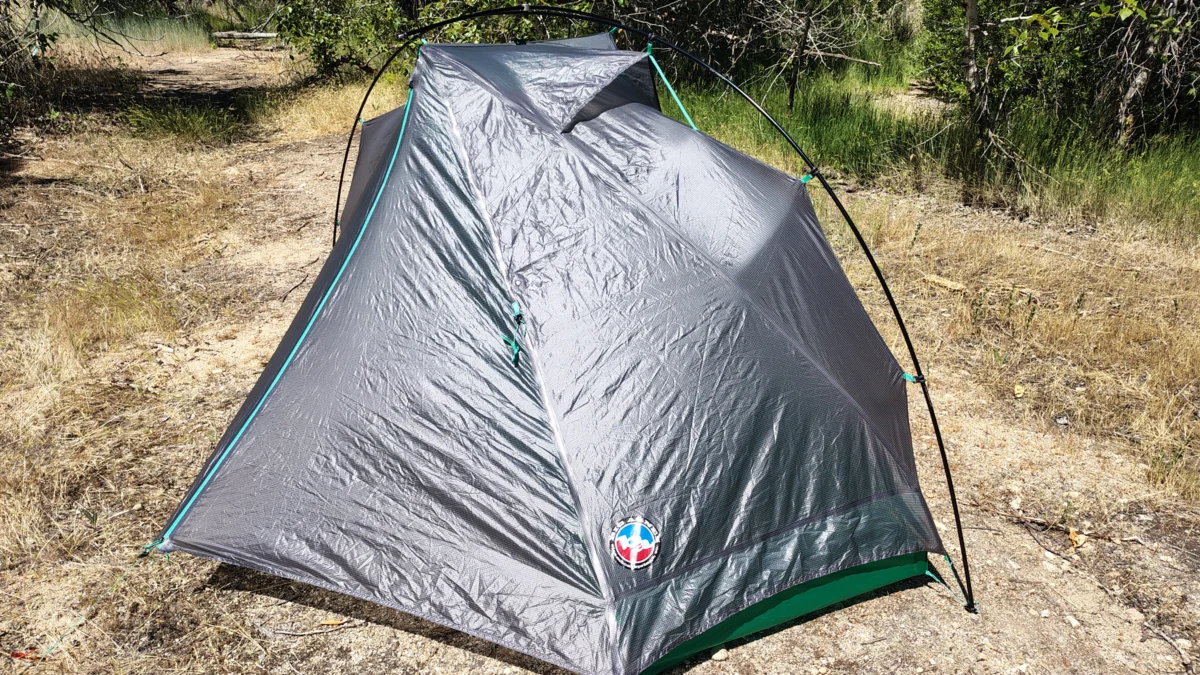
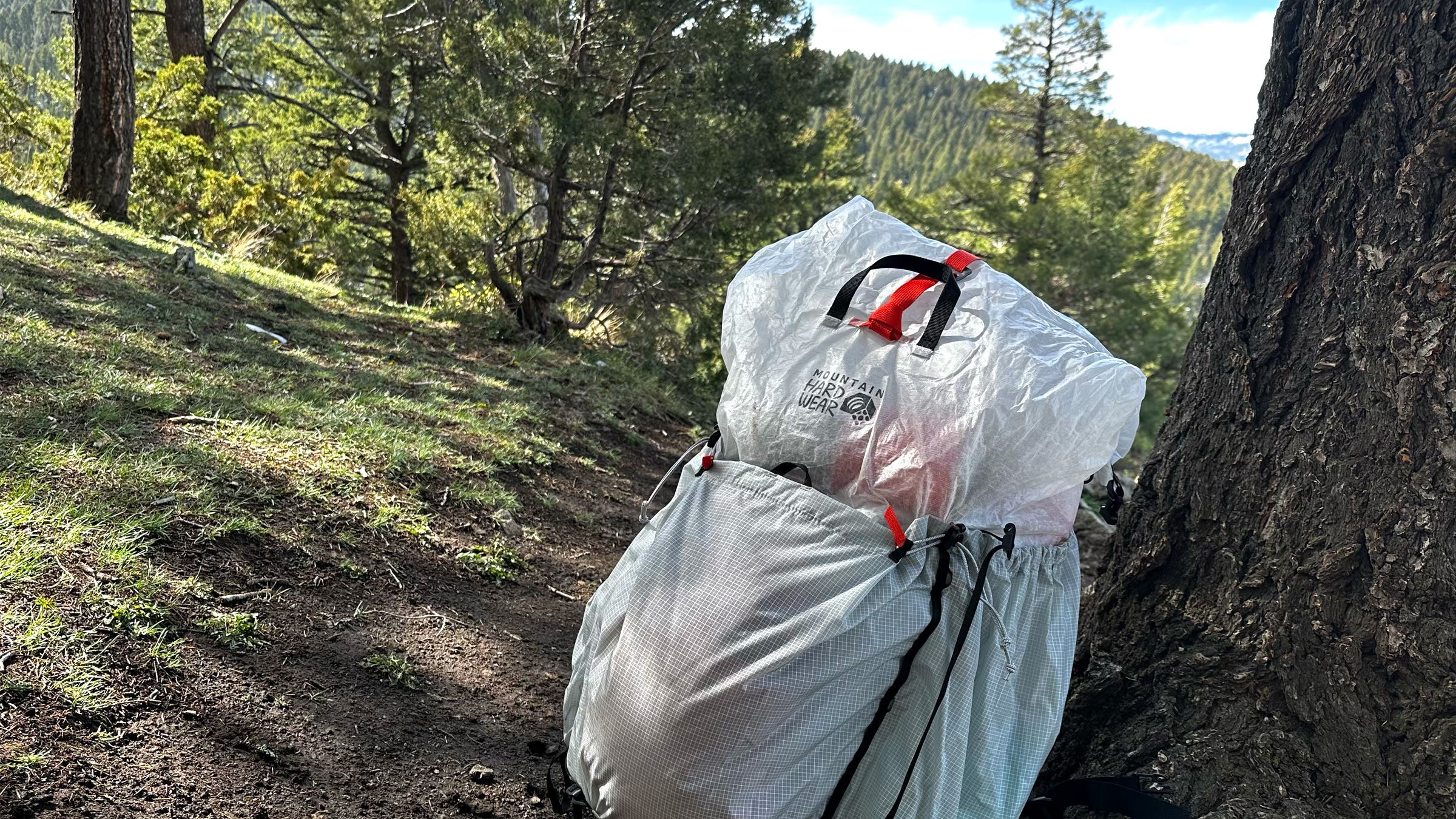
As of 2026, this concern has materialized in a significant way: the mainstream outdoor industry has indeed embraced ultralight gear with unprecedented enthusiasm. Major players like Big Agnes have introduced lines of single-wall shelters, including innovative trekking-pole tent designs. Industry titans such as Black Diamond, Arc’teryx, and Mountain Hardwear are now prominently featuring packs constructed with advanced composite fabrics like Ultra and Graflyte, materials that have long been staples within the specialized "cottage" industry. The proliferation of sleeping quilts and the increasing adoption of Polartec Alpha Direct insulation further underscore this widespread pivot. Projections for the upcoming year indicate that this trend is not merely a passing fad, but a strategic deepening of commitment to ultralight principles by the broader outdoor sector.
Despite this influx of large-scale players, the core question remains: are the independent, or "cottage," brands in jeopardy? The prevailing analysis suggests otherwise. Paradoxically, much of the new ultralight gear entering the market from mainstream brands is priced prohibitively high for the average backpacker, particularly those who identify as "scrappy ultralighters" – consumers who prioritize weight savings without compromising their budget. For instance, Mountain Hardwear’s Alakazam 45 pack, utilizing Graflyte fabric, commands a price tag of $575. Big Agnes’s new single-wall tents range from $550 to a substantial $850, notably not employing Dyneema, a premium fabric often associated with the highest echelon of ultralight gear. NEMO Equipment’s Pulse quilt, boasting 1000-fill power down, retails for $550. Even in the realm of apparel, such as the coveted Polartec Alpha Direct hoodies, mainstream brands have struggled to offer significant price reductions despite the growing trend. This begs the question: how are these smaller, specialized brands maintaining their competitive edge and relevance in this evolving market?
The True Cost of Ultralight: Material vs. Markup
A common misconception is that ultralight gear is inherently expensive due to inflated pricing strategies by small brands. While certain premium products do carry eye-watering price tags, this is largely attributable to the intrinsic cost of advanced materials rather than excessive markups. Goose down, particularly high-fill power varieties, is a costly natural resource. Fabrics like Dyneema can cost upwards of $30 to $40 per yard, and the latest composite pack materials are even more expensive. While large brands may achieve marginal cost reductions through bulk purchasing, the fundamental material expenses for these specialized components remain significant. Furthermore, these cutting-edge fabrics are not produced in mass quantities, limiting the potential for dramatic cost savings.
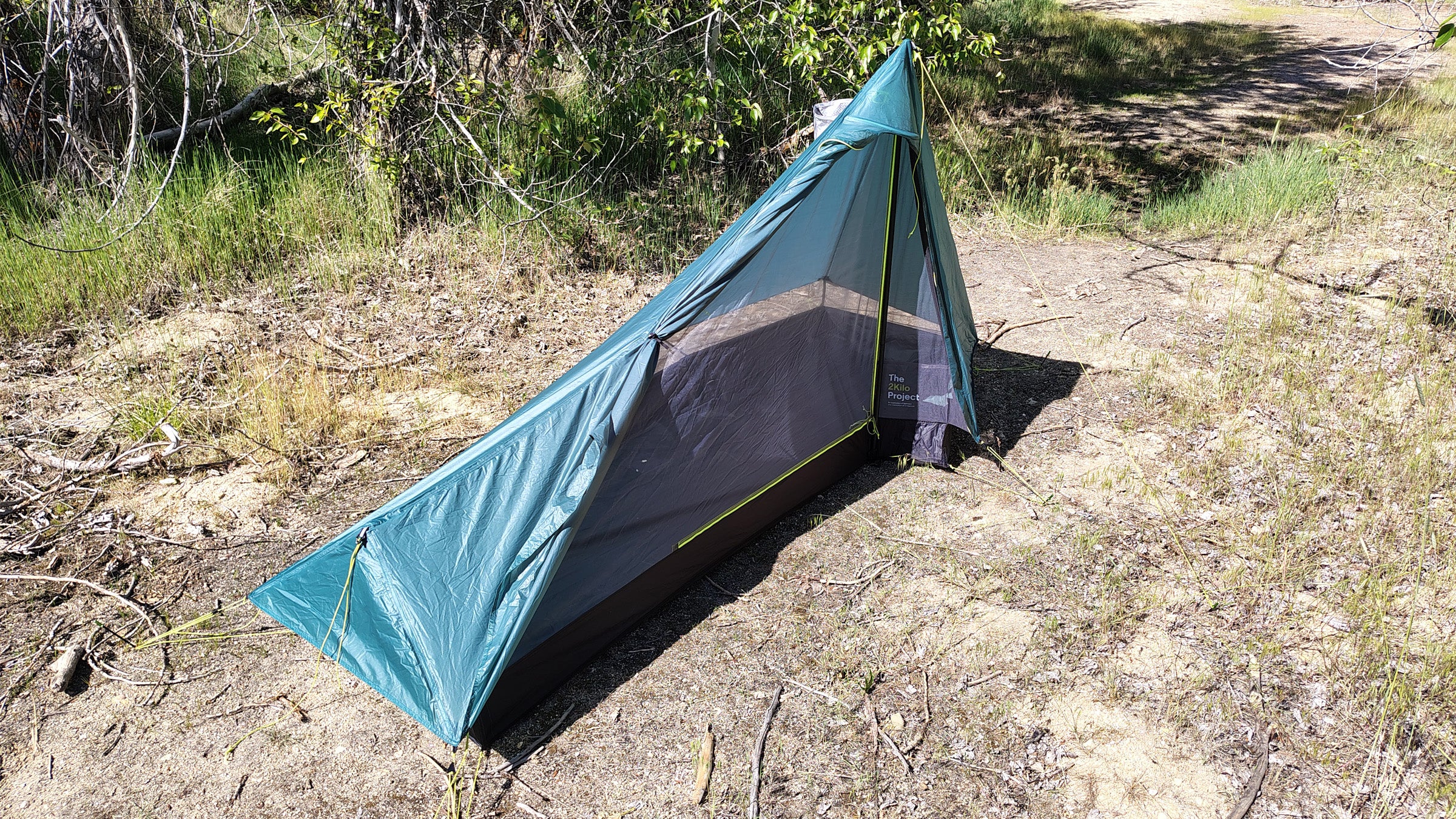
When these high-cost materials are excluded, the argument for ultralight gear being prohibitively expensive loses considerable traction. A wide array of affordable ultralight options exist, utilizing durable yet lighter materials such as Robic nylon for backpacks and silpoly for shelters. Brands like Granite Gear, with their extensive range of multi-day packs, and Six Moon Designs, known for their innovative and accessible ultralight shelters, demonstrate that effective weight reduction does not necessitate extreme financial investment. These brands have consistently offered robust and lightweight solutions that cater to budget-conscious backpackers, proving that the ultralight philosophy is not exclusively for the affluent.
Evolution of the "Cottage" Industry: Scale and Strategy
The resilience of the ultralight cottage industry can also be attributed to its own evolution. Many of the most successful brands, once considered small and niche, have grown significantly, blurring the lines between "cottage" and "mainstream." Hyperlite Mountain Gear, a prominent name in the ultralight space, now employs approximately 50 individuals and designs its products in-house before manufacturing them overseas. This operational model is surprisingly similar to that of established brands like NEMO Equipment, which also operates with a comparable workforce and production strategy. The reality is that many traditional outdoor companies are themselves relatively small businesses, and the increasing popularity of ultralight gear has propelled brands like Hyperlite into a scale that diminishes their "cottage" status in comparison to truly nascent operations.
Durston Gear offers another compelling example of this strategic scaling. While Dan Durston initially managed operations with close family members, the brand has recently expanded its workforce and utilizes the same manufacturing facilities as major players like Black Diamond and Big Agnes. This outsourced production model has become a key selling point for Durston, allowing them to offer high-quality ultralight gear at competitive price points. It is now a common practice for emerging ultralight brands to bypass the "garage-grown" phase entirely, opting for professional, outsourced manufacturing from the outset of product development.
Furthermore, established ultralight brands such as Zpacks and ULA have successfully navigated the challenge of scaling their businesses while retaining in-house production capabilities. Zpacks, with over 100 employees, manufactures all its products domestically in the United States and still manages to maintain price points comparable to gear produced overseas. Beyond these larger entities, a substantial number of smaller brands continue to operate with a deliberate focus on maintaining their artisanal roots. Numerous solo entrepreneurs, running their businesses from their sewing machines, report earning modest hourly wages and maintain long waiting lists for their products. These individuals often prioritize the integrity of their craft over aggressive expansion, choosing to close their businesses rather than compromise on quality by raising prices or outsourcing. While these smaller operations may not always achieve long-term market dominance, their presence significantly influences the prevailing price expectations within the ultralight community. This diverse array of business models – from highly scaled operations to dedicated artisanal makers – creates an exceptionally robust and competitive ultralight market that is difficult for even experienced, large-scale brands to disrupt.
The Power of Community Trust in Ultralight Marketing
A crucial factor contributing to the continued success of cottage ultralight brands lies in their marketing approach, which is deeply rooted in community trust. While large outdoor companies like The North Face and Black Diamond may enjoy broad brand recognition among general consumers, this familiarity can be a disservice within the specialized ultralight community. Gear designed for a mass market often fails to resonate with the specific needs and discerning tastes of dedicated ultralighters.
Instead, ultralight brands thrive on a powerful form of word-of-mouth marketing that larger corporations often struggle to replicate. While consumers at a general outdoor retailer might be unfamiliar with brands like Yama Mountain Gear or KS Ultralight Gear, these names are widely recognized and enthusiastically recommended within ultralight circles. Online platforms such as YouTube, Reddit, and Instagram serve as crucial hubs where experienced ultralighters share their insights and endorsements. This community, often characterized by its intensity and deep technical knowledge, comprises individuals who are repeat thru-hikers, accomplished DIY gear makers, and material science enthusiasts. Their opinions carry significant weight because they are based on extensive practical experience and a nuanced understanding of the technical specifications of every fabric and insulation available.
In contrast, mainstream brands face a considerable challenge in earning the trust of this community. For years, ultralight hikers often found limited options that met their stringent requirements in traditional outdoor gear stores. While recent product introductions from larger companies are beginning to address this gap, deeply ingrained habits and perceptions are slow to change. It will likely take considerable time and consistent delivery of genuinely innovative and high-performing gear to convince the average ultralight hiker that these established brands are not merely attempting to capitalize on a trend but are truly committed to the principles of ultralight design and functionality.
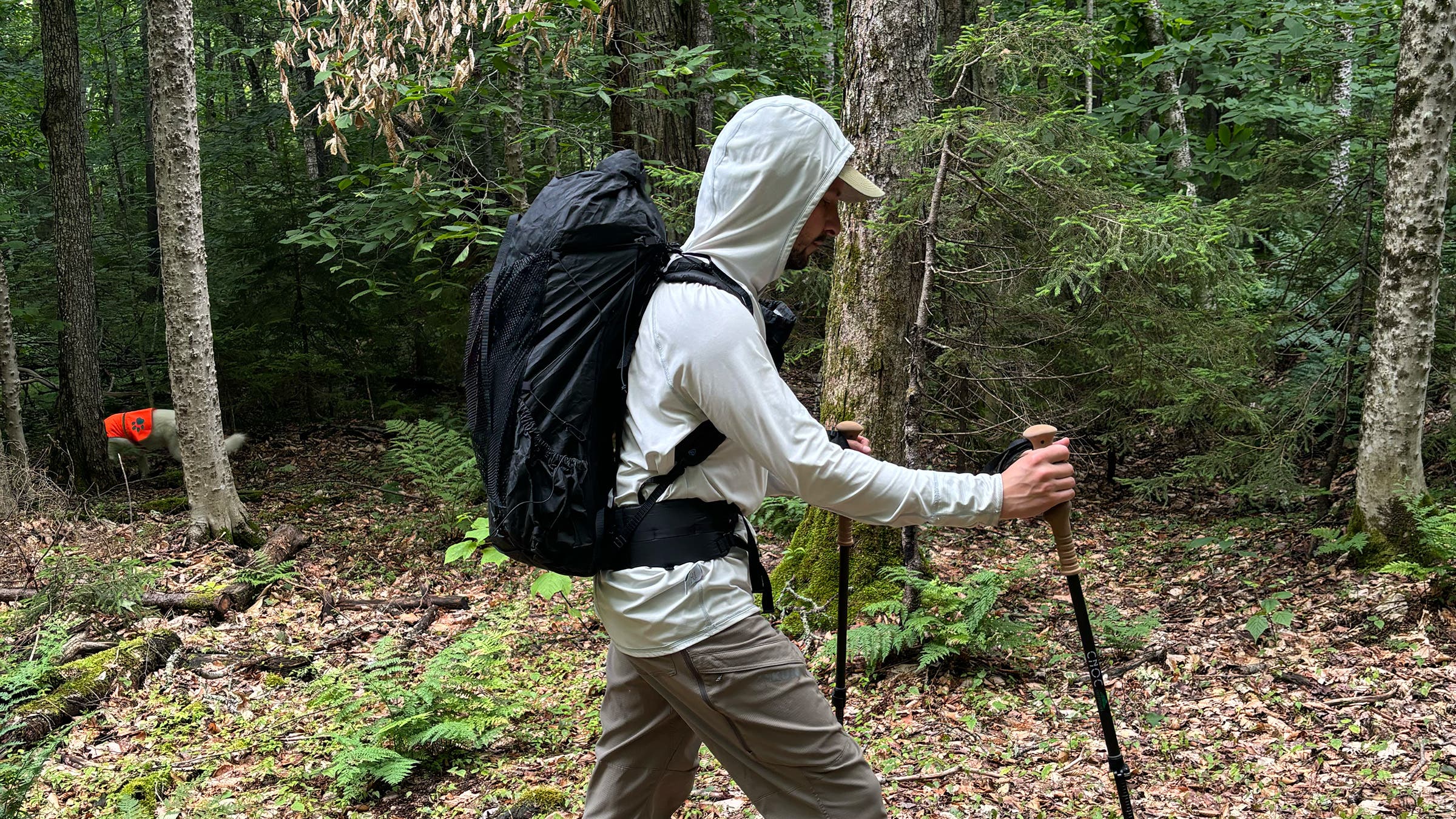
The discerning nature of the ultralight consumer is, however, a significant advantage for brands that can meet their expectations. Ultralighters are fundamentally rational consumers, prioritizing quality, design, features, price, and, of course, weight. If traditional brands can demonstrate superiority or parity across these critical metrics, they will undoubtedly find a receptive audience. Failure to do so, however, could lead to a surplus of high-priced, aesthetically pleasing ultralight gear finding its way to the sale racks, a testament to the enduring power of informed consumer choice within this specialized segment of the outdoor industry. The dynamic interplay between innovation, cost, and community endorsement will continue to shape the future of ultralight gear for years to come.