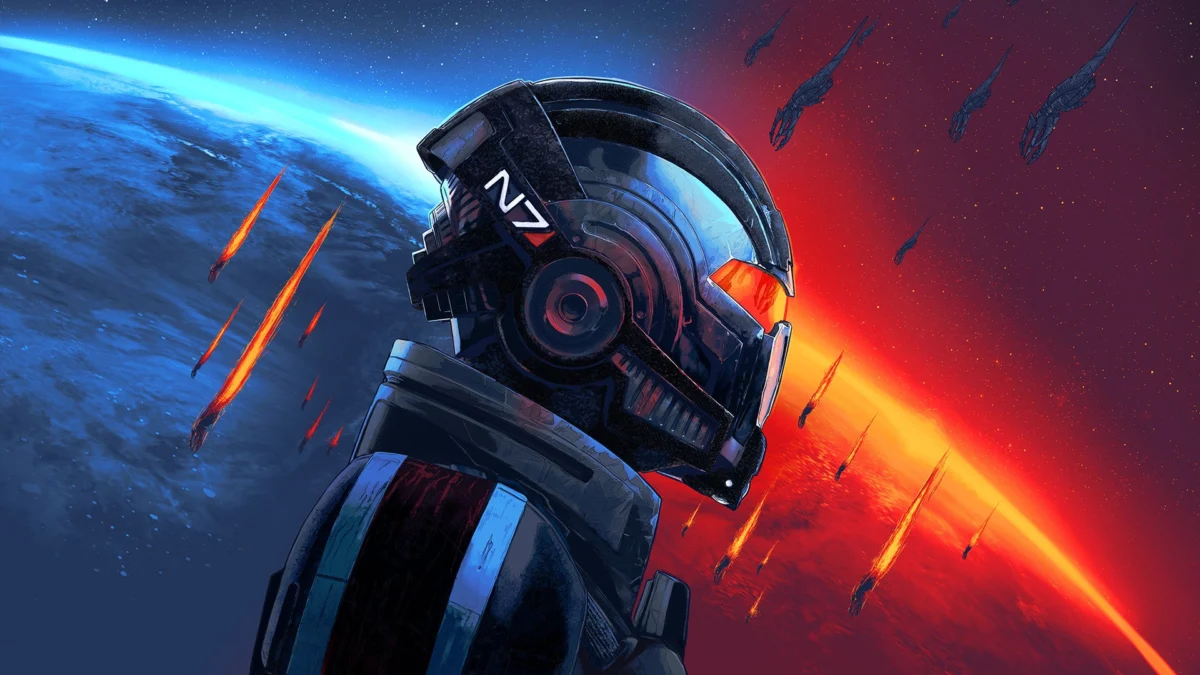
The gaming community has launched a significant campaign to preserve the legacy and future of one of the most iconic intellectual properties in interactive entertainment. Following the formal closure of BioWare—a studio synonymous with narrative-driven role-playing games—a petition on Change.org has surged past 187,000 signatures, reflecting a widespread demand for Electronic Arts (EA) to ensure the Mass Effect franchise is not abandoned in the wake of the studio’s shuttering.
The closure of BioWare marks a tectonic shift in the video game industry. It follows a series of turbulent financial restructuring efforts within Electronic Arts, which have included massive layoffs across its portfolio of internal studios. The dissolution of such a storied developer, known for defining the RPG genre through titles like Dragon Age and Mass Effect, has sent shockwaves through the industry, prompting questions regarding the stewardship of beloved narrative IPs under large-scale corporate ownership.
The Origins of the Call to Action
The petition, initiated by advocate Joe Smith, outlines a clear set of objectives that transcend mere sentimentality. Rather than focusing on reversing the corporate decision to close BioWare, the petition emphasizes the preservation of the Mass Effect universe as a cultural asset. The document calls for "decisive action" from EA, urging the company to allocate the necessary resources, including funding, staff, and development time, to maintain the high standards associated with the franchise.
Perhaps most significantly, the petition provides a strategic alternative: if EA is unwilling or unable to continue development internally, it should consider licensing the intellectual property to another studio. This suggestion highlights a growing trend among gamers and industry observers: the belief that when a parent company abandons an IP, it should grant third-party developers the opportunity to iterate on that vision, rather than letting the franchise languish in a state of permanent dormancy.
A Timeline of Corporate Restructuring and Decline
To understand the weight of this petition, one must look at the timeline of events that led to the current crisis. The instability began in earnest following a series of aggressive financial moves, including a $55 billion leveraged buyout involving interests from Saudi Arabia. Experts had warned that such significant financial maneuvers often result in austerity measures for internal departments.
- Mid-2023: Initial reports surface regarding the financial strain within EA, leading to rumors of potential consolidation across its studio network.
- Early 2024: Electronic Arts officially announces widespread job cuts, affecting not just BioWare, but also Respawn Entertainment, Maxis, Full Circle, and EA Motive. These cuts impacted thousands of employees, including veteran developers who had been with their respective studios for over a decade.
- The Closure: Following these cuts, BioWare’s operations were effectively ceased, bringing an end to the studio’s decades-long history.
- The Aftermath: The cancellation of the project known internally as "Mass Effect Universe" was confirmed, following the leak of internal development materials and a trailer that had previously circulated among industry insiders.
The Lost Future: Mass Effect Universe
The cancellation of the next entry in the series, tentatively titled "Mass Effect Universe," has been a primary driver of fan frustration. The project was not merely a rumor; recent revelations from content creators who served on the "Mass Effect Council"—a community feedback initiative—confirmed that development had been well underway. These creators noted that they had provided direct feedback on mechanics, narrative arcs, and character development, suggesting that the game was in a tangible, advanced stage of pre-production.
The existence of an internal trailer, which BioWare eventually acknowledged as authentic, served as a painful reminder of what could have been. For many fans, the cancellation of a game that promised to bridge the gap between the original trilogy and the future of the series represents a loss of closure for the overarching narrative of the Mass Effect saga.
Industry Reactions and Economic Implications
The sentiment surrounding the closure has been one of profound mourning and criticism. Across the industry, developers, journalists, and players have expressed sympathy for those affected by the layoffs. However, the economic implications are broader than the individual studio level. When a massive publisher like EA cuts ties with a studio like BioWare, it signals a broader shift in the "AAA" gaming landscape—a move away from high-budget, single-player narrative games toward service-based models and lower-risk development strategies.
The petition serves as a data point in this larger conflict. By demonstrating that 187,000 individuals are actively concerned with the fate of a specific IP, the petition provides a metric for the "brand equity" of Mass Effect. In the eyes of shareholders and corporate decision-makers, this engagement is a valuable commodity. The question remains whether EA will view this surge of interest as a commercial opportunity to revitalize the brand, or if the current corporate strategy will continue to favor consolidation over the long-term cultivation of legacy franchises.
The Case for IP Licensing
The proposal to license the Mass Effect IP to another studio is a compelling, if complex, solution. Historically, the gaming industry has seen mixed results from licensing agreements. However, proponents argue that studios with a deep passion for narrative-driven sci-fi could carry the torch of Mass Effect without the overhead of a massive conglomerate.
By offloading the development risk while retaining the rights, EA could potentially generate revenue from royalties while satisfying a fan base that feels increasingly alienated by the company’s recent strategic pivot. Furthermore, such an arrangement would preserve the legacy of the characters and the world-building that have defined the franchise since its 2007 debut.

Broader Impact on Narrative-Driven Gaming
The potential cessation of the Mass Effect universe is viewed by many as a broader threat to the diversity of narrative-driven games. As the industry moves toward trends like live-service games, battle royales, and mobile-first experiences, the "prestige" single-player RPG is increasingly under fire. Fans argue that the loss of BioWare’s output leaves a void in the market for deep, choice-based storytelling.
The "Mass Effect community" has long been a model for how players interact with and advocate for their favorite media. Through the years, this community has influenced the development of the games themselves—most notably through the public outcry following the original ending of Mass Effect 3, which eventually led to the release of the "Extended Cut" DLC. This history of engagement suggests that the current petition is not a one-off event, but rather a continuation of a long-standing dialogue between the developers and their audience.
Conclusion: A Waiting Game
As the petition count continues to climb, the pressure on Electronic Arts to issue a statement regarding the future of the Mass Effect brand intensifies. While a petition alone rarely dictates corporate policy, it serves as a powerful symbol of the emotional and financial investment players have made in the series.
For the time being, the future of Commander Shepard’s galaxy remains in limbo. Whether the franchise will be revived by a new team, relegated to a "legacy" status, or eventually sold off to a more willing developer, the outcome will likely serve as a case study for how major publishers manage their most valuable cultural properties in an era of unprecedented industry consolidation. For the 187,000-plus signatories, the goal is simple: ensure that the Mass Effect universe remains a living, breathing entity rather than a relic of the past.