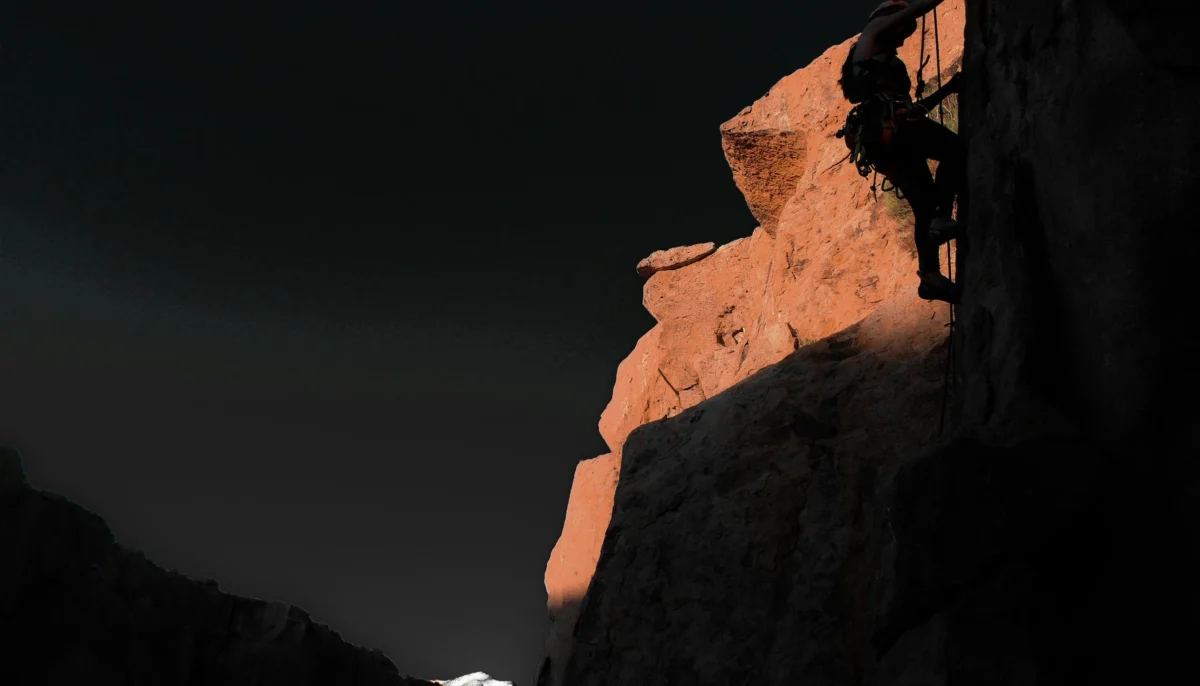
The reality of alpine climbing is that even the most meticulously planned expeditions can rapidly devolve into life-threatening emergencies. Whether due to sudden weather shifts, equipment failure, technical delays, or injury, climbers frequently find themselves "benighted"—forced to spend an unplanned night on a wall or a remote ridge. While the term "suffer bivy" is often used in climbing culture with a sense of dark humor, the physical and psychological toll of an exposed night in the mountains is a severe physiological challenge that often leads to hypothermia, shock, and poor decision-making. As the climbing community sees an increase in participation, mountain rescue organizations continue to report that a significant percentage of incidents are exacerbated by a lack of basic emergency preparedness.
The Anatomy of a Mountain Emergency
History in mountaineering is replete with instances where a relatively minor setback turned into a tragedy because the climbers lacked the means to endure a single night of exposure. In the high alpine, temperatures can drop below freezing even in mid-summer, and wind speeds on ridges can lead to rapid convective heat loss. According to incident data compiled by the American Alpine Club (AAC) in their annual Accidents in North American Climbing report, exposure is consistently cited as a contributing factor in fatalities that occur during prolonged rescues.
The chronology of a typical "benighted" scenario usually follows a predictable pattern: a climb runs over its projected timeline, followed by the onset of darkness which makes technical descent navigation nearly impossible, leading to a forced bivouac. When climbers reach this point without adequate insulation or signaling capabilities, the situation moves from a "difficult descent" to a "survival incident."
The 11 Pillars of Alpine Survival
To mitigate these risks, industry experts, including those who contribute to the definitive reference Mountaineering: The Freedom of the Hills, emphasize that packing for the worst-case scenario is not an act of pessimism, but one of professional duty.
1. Advanced Insulation Systems
While climbers often focus on weight-to-performance ratios for their active gear, the "emergency layer" serves a different purpose. Experts recommend carrying a high-loft synthetic puffy jacket. Unlike down, which loses its insulating properties when damp, synthetic insulation remains effective even if the climber is forced to sit in melting snow or freezing rain. This layer should be considered part of the "survival kit" rather than the "climbing kit."
2. Specialized First Aid and Signaling
A functional first-aid kit must address more than minor lacerations. It should include pressure dressings, basic trauma stabilization materials, and essential personal medications. Furthermore, the inclusion of an emergency whistle—which carries sound much further than a human voice—is a mandatory, low-weight requirement for signaling search and rescue (SAR) teams.
3. Redundancy in Repair
The ability to perform field repairs can mean the difference between a self-rescued party and one requiring external intervention. A minimalist kit should include high-tensile duct tape, a robust multi-tool, and bailing wire. These items allow for the temporary repair of broken crampons, torn clothing, or malfunctioning hardware.
4. Strategic Nutrition and Electrolyte Management
Metabolism is the body’s primary heat engine. In a cold-stress scenario, caloric intake is essential to maintain core body temperature. Rations should be calorie-dense and easily digestible. Furthermore, electrolyte-infused hydration is critical; severe dehydration can lead to cognitive decline, which is often the precursor to fatal navigational errors.
5. Illumination and Optical Reliability
The psychological impact of darkness in the alpine cannot be overstated. A high-lumen headlamp with a secondary, independent power source is non-negotiable. Modern LED technology has made long-burn-time lamps accessible, but climbers must ensure that battery chemistry is suited for extreme cold, as standard lithium-ion performance can degrade rapidly in sub-zero temperatures.
6. Fire-Starting Capabilities
In forested alpine approaches, the ability to build a fire serves a dual purpose: it provides a psychological anchor and a means of warmth that can prevent the onset of hypothermia. Waterproof matches and reliable tinder are essential. While fire is not always viable above the treeline, it remains a foundational survival skill in the transition zones.
7. Water Purification
Mountain runoff and snowmelt are often contaminated with pathogens, including Giardia and Cryptosporidium. Relying on untreated water can lead to gastrointestinal distress, which further accelerates dehydration. A lightweight, hollow-fiber membrane filter is an essential tool for any multi-day or remote-objective kit.
8. Emergency Sheltering
An emergency bivy sack or a sil-nylon tarp provides a micro-climate that can reduce wind-chill significantly. Research into heat-retention suggests that a vapor-barrier shelter is far more effective than an emergency space blanket, which offers minimal protection against conductive heat loss from the ground.
9. Ocular and Skin Protection
High-altitude environments increase UV exposure exponentially. Snow blindness and severe sunburn are not merely uncomfortable; they can incapacitate a climber, rendering them unable to navigate or operate climbing hardware. Polarized, high-UV-rated eyewear and physical sun protection remain critical components of the 11 essentials.
10. Navigational Literacy
Technology has revolutionized mountain travel, but over-reliance on smartphone GPS is a growing concern for rescue teams. A professional-grade satellite navigator, backed by a physical topographical map and a magnetic compass, remains the standard. Climbers should be capable of "handrailing" terrain features and calculating bearings without a digital interface.
11. Satellite Communication
The advent of satellite-linked messaging devices has fundamentally changed the risk profile of modern mountaineering. Devices such as the Garmin InReach or similar two-way satellite messengers allow for real-time coordination with search and rescue services. They also provide a critical link to weather forecasting services, which can help climbers identify dangerous incoming storms before they commit to an ascent.
Implications and Professional Analysis
The shift toward carrying these "emergency essentials" reflects a broader trend in professional mountain safety: the move toward self-sufficiency. Rescue professionals note that the most successful outcomes occur when climbers possess the skills to sustain themselves for 24 to 48 hours without external aid.
Statistically, the cost of carrying these items is negligible in terms of weight—often totaling less than two kilograms—while the potential benefit is absolute. Mountain guide services and alpine clubs are increasingly incorporating these survival protocols into their certification and training curricula, emphasizing that the "freedom" of the hills is predicated on the ability to survive the mountain’s indifference.
Ultimately, the decision to pack these items is a test of a climber’s discipline. By treating an unplanned night out as a foreseeable risk rather than a remote possibility, the climbing community can continue to push boundaries while ensuring that a simple error does not inevitably result in a tragedy. As the 2026 season progresses, the consensus among safety experts remains clear: the best mountaineer is not the one who avoids every bad situation, but the one who is prepared to survive it when it happens.