The automotive industry and Tesla enthusiasts worldwide are bracing for a definitive moment in electric vehicle history, as Tesla has officially confirmed that the next-generation Roadster will be unveiled on October 1. This announcement marks a critical milestone for a project that has been shrouded in mystery, speculation, and repeated delays for over a decade. After first showcasing a concept model in 2017—which itself was promised to be a successor to the original 2008 Roadster—Tesla is finally setting a concrete timeline to bring its most ambitious performance car to the public stage.
A Decade of Anticipation and Strategic Pivots
The journey of the second-generation Tesla Roadster is a testament to the shifting priorities of the Austin-based automaker. When the concept was first unveiled in 2017, Tesla promised a vehicle that would redefine the capabilities of electric propulsion, boasting acceleration figures and top speeds that challenged the world’s most elite hypercars. At the time, CEO Elon Musk suggested a 2020 release date, a window that would pass by as the company redirected its focus toward mass-market scalability.
In the years following the 2017 reveal, Tesla underwent a massive transformation. The company prioritized the rollout of the Model Y, the expansion of its global Gigafactory footprint, and the aggressive pursuit of artificial intelligence, robotics, and full self-driving (FSD) software. During this period, the Roadster became a secondary objective, often mentioned in passing during earnings calls but consistently pushed back in the product roadmap.
For investors and industry analysts, the delay was seen as a necessary trade-off. By focusing on volume production and the maturation of its autonomy stack, Tesla managed to secure its financial position and technological dominance. However, the absence of a flagship halo car left a void in the brand’s image. With the October 1 reveal now on the calendar, Tesla is signaling that its engineering resources are finally available to return to the enthusiast segment of the market.
The SpaceX Integration and Technical Speculation
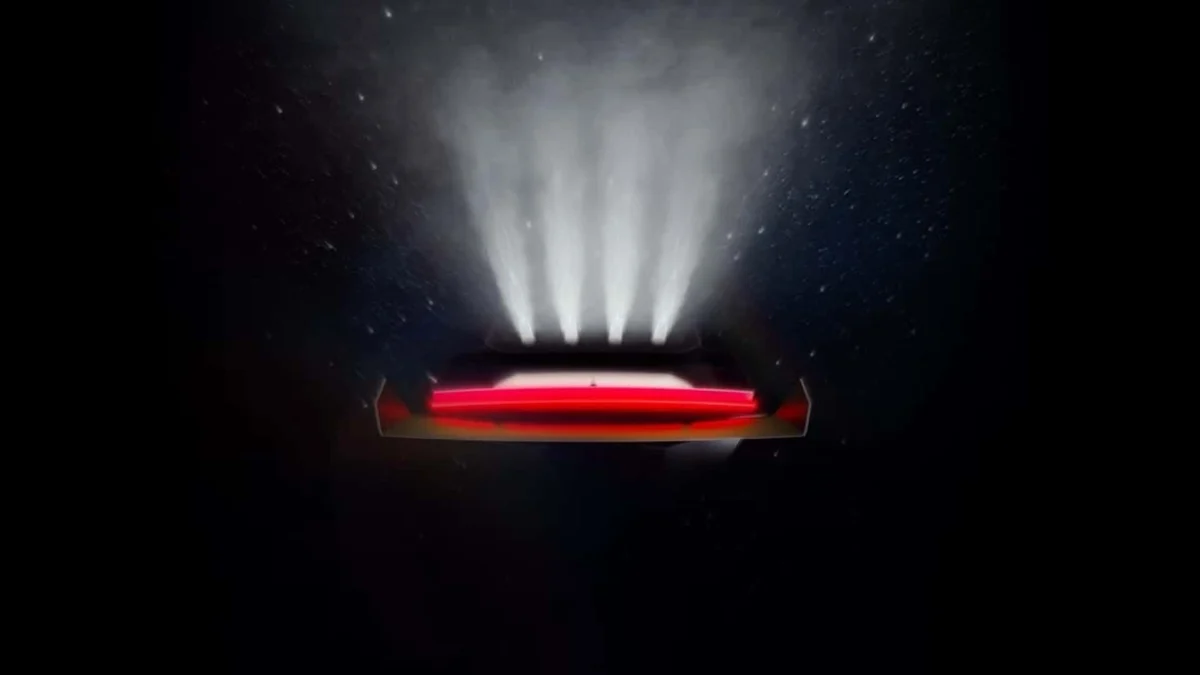
The most intriguing aspect of the upcoming reveal is the potential integration of aerospace technology. Recent teasers and reports suggest that the new Roadster may feature a "SpaceX package," which includes cold gas thrusters integrated into the body of the vehicle. This technology, derived from rocket engineering, is intended to provide significant boosts to acceleration, cornering, and braking performance.
Reports from outlets such as The Information suggest that Tesla is considering a two-tiered strategy for the vehicle. The first is a highly exclusive, limited-edition "flying" variant—or at least one equipped with the thruster hardware—which would likely serve as a technology demonstrator. The second is a traditional, road-legal model intended for consumer purchase.
Technical experts note that incorporating cold gas thrusters into a street-legal vehicle presents immense regulatory and engineering challenges. The noise, the high-pressure gas storage requirements, and the sheer force exerted by these systems suggest that the "flying" version might be restricted to track use or controlled demonstration environments. It is highly probable that the production model available for sale will prioritize traditional high-performance electric architecture, with the more radical aerospace elements reserved for a halo demo vehicle designed to showcase Tesla’s engineering prowess and its synergy with SpaceX.
The Swan Song of the Driver-Centric Era
Tesla’s internal messaging has framed the new Roadster as more than just a car; it is described as the company’s "swan song" for human-operated vehicles. Lars Moravy, Tesla’s VP of Engineering, has previously referred to the model as the "last, best driver’s car." This rhetoric reflects a broader transition within the automotive sector, where the industry is aggressively pivoting toward autonomous, software-defined mobility.
As Tesla continues to develop its robotaxi platforms and refine its vision for a driverless future, the Roadster represents a final tribute to the thrill of manual control. By delivering a vehicle that pushes the boundaries of traditional physics—0-60 mph times under two seconds, massive torque, and advanced aerodynamic features—Tesla is attempting to capture the hearts of driving enthusiasts one last time before the company’s portfolio shifts entirely toward utility and autonomy.
Implications for the EV Hypercar Market
The arrival of the new Roadster will place Tesla in direct competition with an emerging class of electric hypercars, including the Rimac Nevera, the Pininfarina Battista, and the Lotus Evija. These vehicles have already set the standard for high-voltage performance, with price tags often exceeding $2 million.
Tesla’s entry into this market will be measured by its ability to marry its proprietary battery technology with a chassis capable of handling such immense power. While legacy hypercar manufacturers rely on bespoke manufacturing processes, Tesla brings a manufacturing-at-scale advantage. However, the high-end luxury market typically demands a level of material finish, interior refinement, and exclusivity that Tesla has not historically prioritized. The October 1 reveal will likely determine whether Tesla intends to compete as a boutique luxury manufacturer or if it will maintain its philosophy of minimalist, tech-forward design at the extreme performance level.
Financial and Market Sentiment
For shareholders, the Roadster is a symbolic asset. While the car will likely represent a small fraction of Tesla’s total unit sales, it plays a vital role in brand equity. A successful, record-breaking launch could reinforce Tesla’s reputation as the leader in EV innovation, potentially providing a boost to consumer interest in the brand’s more affordable models.
Analysts remain divided on the impact of the car on Tesla’s bottom line. Some argue that the development costs associated with such a high-performance, low-volume vehicle could be better spent on the "Model 2" or other affordable platform developments. Conversely, others argue that the halo effect of the Roadster provides invaluable marketing, keeping Tesla at the forefront of the technological conversation.
What to Expect on October 1
The industry is looking for concrete answers on three fronts: price, performance, and production availability. While deposits for the Roadster have been held by Tesla for years, the final pricing has remained fluid. Expectations are that the vehicle will be priced in the hundreds of thousands, potentially crossing the million-dollar threshold for the specialized thruster-equipped models.
Furthermore, the reveal will likely focus on the integration of the vehicle into the wider Tesla ecosystem. Will it feature the latest generation of FSD hardware? Will it be compatible with the current Supercharger network, or will it require a bespoke high-voltage charging solution?
Ultimately, the October 1 event is designed to restore confidence in Tesla’s ability to execute on long-term promises. After years of the "maybe next year" narrative, the company is under pressure to provide a clear, undeniable path to delivery. Whether the new Roadster acts as a technological showpiece or a commercial reality, it stands as the most anticipated vehicle in the history of the company. As the date approaches, the eyes of the automotive world will be fixed on Tesla to see if it can indeed deliver a vehicle that lives up to the decade-long wait.