










For fifty years, the What Hi-Fi? Awards have served as the definitive benchmark for the consumer audio industry, providing a rigorous, expert-led evaluation of the equipment that defines the listening experience. As the publication celebrates its golden anniversary, the 2026 edition of these awards highlights a market that remains remarkably vibrant. Despite the rapid rise of streaming services and wireless convenience, the demand for high-fidelity hardware has spurred manufacturers toward a new era of engineering innovation, resulting in a selection of winners that push the boundaries of what is possible at every price point.
Half a Century of Sonic Scrutiny
The journey of What Hi-Fi? began in 1976, an era defined by vinyl records, cassette tapes, and the burgeoning interest in component-based audio systems. Over the last five decades, the publication has transitioned from testing turntables to evaluating complex multi-room streaming setups and sophisticated active speaker systems. Throughout these 50 years, the core mission has remained unchanged: to guide consumers toward the most accurate and enjoyable musical reproduction possible.
The 2026 awards process was described by the judging panel as one of the most challenging in the publication’s history. The competitive nature of the speaker market has intensified, with brands increasingly integrating sophisticated digital signal processing (DSP) and advanced material sciences into entry-level models. This year’s consensus reflects a shift toward products that offer not only superior sonic performance but also greater aesthetic integration into modern living spaces.
The 2026 Speaker Roll of Honour
This year’s winners span a diverse range of categories, from desktop solutions to floorstanding giants, reflecting the multifaceted nature of modern home audio.
Entry-Level and Compact Systems
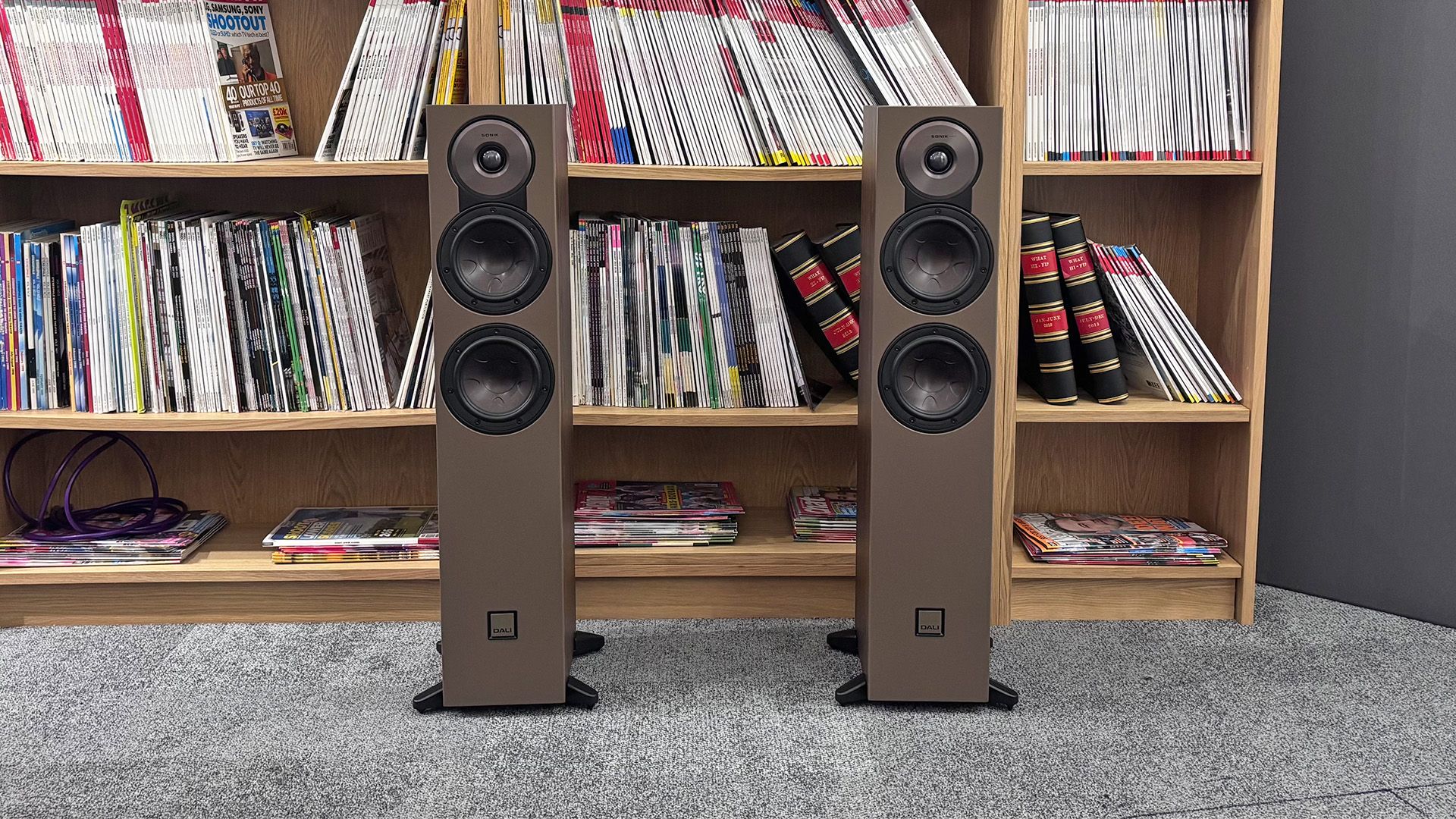
The Dali Kupid has claimed the title for the best entry-level standmount speaker. Recognized for its rhythmic agility and "pint-sized" footprint, the Kupid represents a significant achievement in delivering high-energy sound from a compact chassis. Similarly, the Dali Sonik 1 has emerged as a first-time winner, noted for its "blissfully unfussy" nature and robust build quality, signaling Dali’s strong position in the current market.
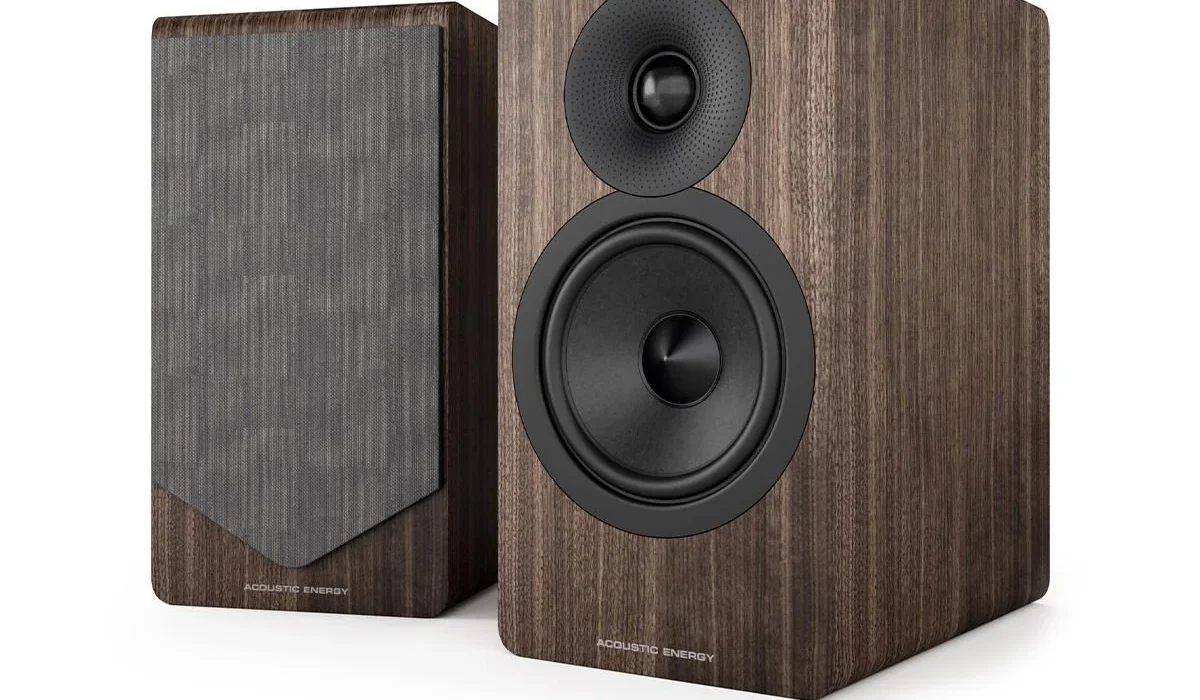
For those seeking high-performance standmounts under the £1,000 threshold, the Acoustic Energy AE300 Mk2 has been distinguished for its controlled bass and commendable detail retrieval. The Epos ES-7N, meanwhile, has captured the attention of reviewers for its ability to produce a large, forthright sound despite its diminutive dimensions, making it a highly accommodating choice for smaller rooms.
The Desktop and Active Revolution
Desktop audio continues to be a growth sector, and the Ruark MR1 Mk3 has successfully defended its crown. Its ability to maintain a robust, versatile sound in a small form factor remains a benchmark for the category. In the realm of active speakers, Fyne Audio has made a significant impact with the Fyne Audio Cubitt 5. As the company’s first foray into active technology, the Cubitt 5 has been lauded for its exceptional connectivity and balanced, insightful sonic presentation. KEF’s Coda W, meanwhile, has been awarded in the upper-tier active speaker category, prized for its dynamic capabilities and clarity when paired with vinyl-focused systems.
Floorstanding Performance
The floorstanding category remains the centerpiece of many high-end systems, and the competition here was particularly fierce. The Wharfedale Diamond 12.3i has continued its legacy, securing another award for its dramatic presentation. While reviewers noted the model is slightly more sensitive to placement than its predecessors, its performance remains a class leader.
PMC has dominated several categories this year, with the PMC Prodigy 5 providing what is arguably the most cohesive sound in its class. By balancing natural vocal reproduction with refined, snappy bass, it has set a high standard. Fyne Audio’s F502S also reclaimed a spot on the winner’s podium, praised for its musicality and superior sonic integration. For the high-end enthusiast, the Pro-Ac D20R remains a "must-listen" floorstander, offering the kind of dynamic punch and transparency usually reserved for significantly more expensive designs.
Technical Analysis: The Shifting Landscape of Audio Engineering
The prevalence of manufacturers like PMC and Fyne Audio across multiple categories in 2026 suggests a broader trend: the "trickle-down" effect of high-end acoustic engineering. Modern measurement tools, including laser interferometry and advanced FEA (Finite Element Analysis) software, have allowed smaller, more affordable speakers to achieve levels of cabinet rigidity and driver linearity that were impossible to manufacture at scale just ten years ago.
Furthermore, the shift toward active speakers—where the amplifier and crossover are built into the cabinet—represents a fundamental change in consumer behavior. By eliminating the need for separate amplifiers, cables, and external DACs, manufacturers are catering to a generation of audiophiles who prioritize minimalist, clean setups without sacrificing the sonic fidelity that separates high-end hardware from mass-market consumer electronics.
Industry Implications and Market Outlook
The 2026 Awards offer more than just a list of recommended products; they provide a snapshot of an industry that is thriving despite global economic headwinds. The willingness of consumers to invest in specialized audio equipment—whether it be a pair of desktop speakers or high-end floorstanders—indicates that the "experience economy" is alive and well in the home.
For retailers and manufacturers, the 2026 winners list serves as a vital barometer of consumer sentiment. As streaming platforms begin to offer higher-resolution lossless audio as standard, the "weak link" in many consumer chains is no longer the source material, but the hardware used to reproduce it. This realization is driving a cycle of upgrades that is likely to sustain the industry for years to come.
Looking Toward the Future
As the What Hi-Fi? publication enters its second half-century, the landscape of audio is poised for further disruption through Artificial Intelligence (AI) and room-correction technologies. While the speakers recognized in this year’s awards excel in traditional acoustic design, the next five years will likely see an increase in speakers that can autonomously adjust their frequency response to suit the unique acoustics of a listener’s room.
However, as the 2026 winners demonstrate, the fundamental physics of sound reproduction—the interaction between a drive unit, a cabinet, and the air—remains the heart of the craft. Whether it is the punchy rhythm of a Dali standmount or the delicate, articulate highs of a Pro-Ac floorstander, the essence of the hobby remains rooted in the pursuit of emotional engagement through superior sound.
For consumers, the advice remains consistent: the best speaker is one that suits both the listening environment and the listener’s personal preference. With the 2026 What Hi-Fi? Awards providing a curated roadmap of excellence, the path to a high-quality home audio experience has never been clearer. As the industry looks forward, the convergence of traditional craftsmanship and modern digital innovation promises to keep the passion for high-fidelity audio burning for decades to come.