








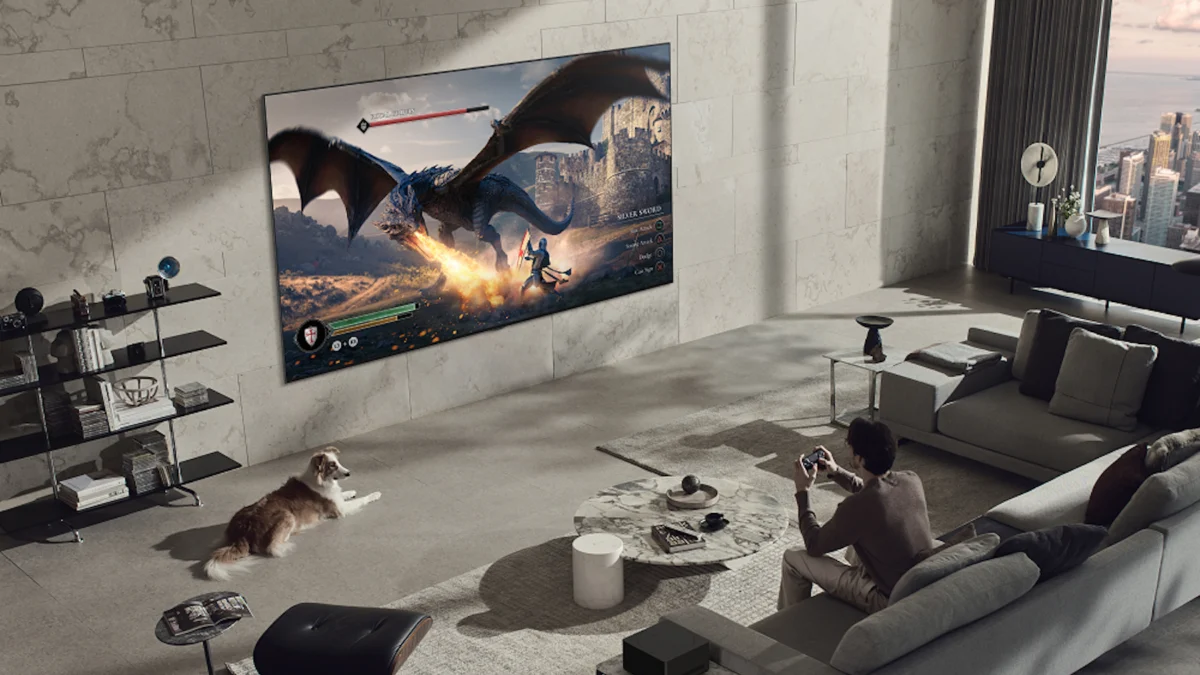
For over a decade, the ultra-large television segment—defined as displays exceeding 100 inches—has been the exclusive domain of Mini LED and projection technology. While OLED (Organic Light Emitting Diode) panels have long been heralded as the gold standard for contrast, black levels, and color accuracy, the technology has remained tethered to smaller form factors, typically topping out at 97 inches. Technical hurdles, particularly the prohibitive manufacturing costs associated with larger substrates and the high failure rates during production, have prevented manufacturers from scaling OLEDs to compete with the sheer size of Mini LED behemoths. However, a significant industrial pivot in China suggests that this status quo is nearing an abrupt end.
The Strategic Capital Injection
A major shift in the global display supply chain was confirmed this week as reports emerged regarding a massive capital infusion into LG Display’s manufacturing infrastructure. According to data released by the market research firm TrendForce, a consortium involving the Guangzhou Development Zone Holdings Group Co., Ltd. has finalized a deal with LG Display to inject RMB 1 billion (approximately £112.45 million) into the LG Display Optoelectronics Technology plant in Guangzhou, China.
This joint venture is not merely a routine maintenance upgrade; it is a fundamental reconfiguration of the plant’s assembly capabilities. The stated objective of this investment is to integrate advanced, large-format assembly lines specifically designed for 77-, 83-, 97-, and—most significantly—111-inch OLED panels. By localizing this production capability within the Guangzhou hub, LG Display is positioning itself to bypass traditional logistical and yield bottlenecks that have historically hampered the feasibility of ultra-large OLED panels.
Chronology of the OLED Scaling Challenge
To understand the significance of this development, one must look at the historical progression of large-screen display technology. In the early 2010s, OLED was largely confined to small mobile devices and medium-sized monitors. By 2015, the industry had mastered the production of 55- and 65-inch panels, which became the standard for high-end home cinema.
The push toward 77 inches and above began in earnest around 2018, yet manufacturers faced the "yield wall." Producing a large OLED panel requires a perfectly uniform deposition of organic materials across a massive glass substrate. Even microscopic impurities can lead to dead pixels, which, at a 100-inch scale, render the entire panel defective. Because the cost of the glass substrate is so high, a low yield rate makes the final consumer price point unsustainable.
While Mini LED technology—which relies on traditional LCD panels paired with thousands of tiny backlighting zones—avoided these yield issues, it could never match the self-emissive nature of OLED, where each pixel acts as its own light source. The announcement of the 111-inch module line marks the first time that an industry-leading firm has established a dedicated, mass-production-ready module line specifically for this size class. This shift represents a transition from experimental "proof of concept" units to a viable, scalable commercial roadmap.
Market Dynamics and Manufacturing Efficiency
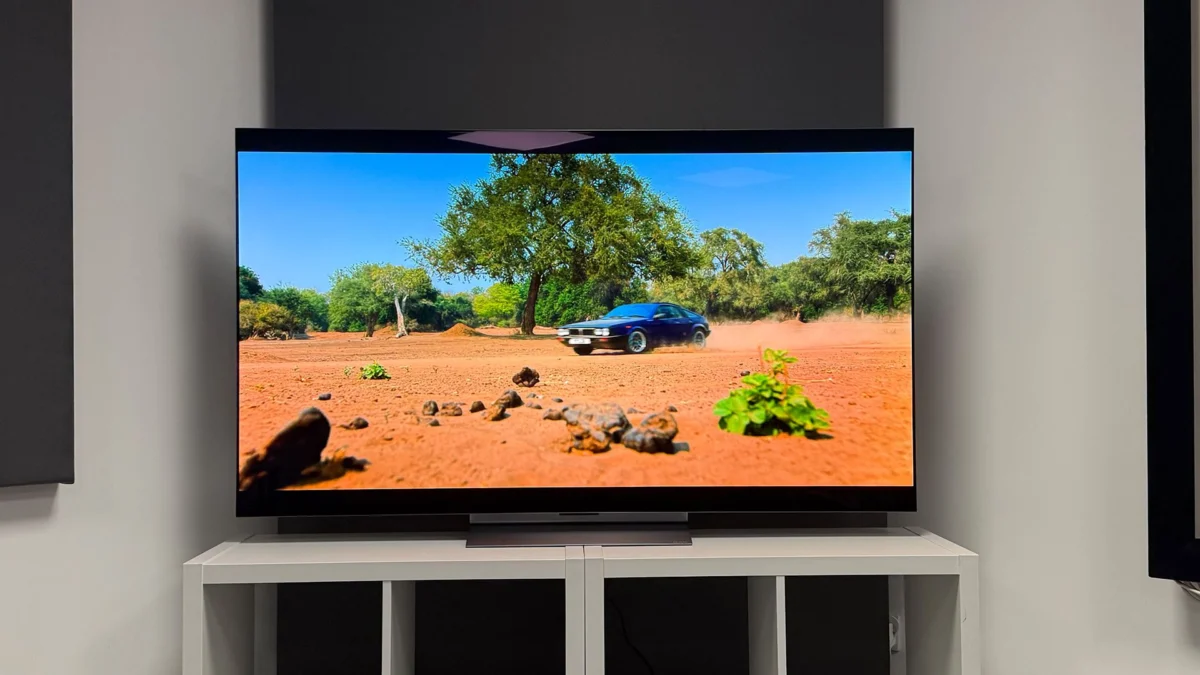
The implications for the current market landscape are profound. Currently, consumers looking for a 100-inch display are almost forced to settle for Mini LED or high-end laser projectors. While Mini LED has seen significant performance gains, it still suffers from "blooming" or "halo" effects—a byproduct of its backlit architecture. OLED’s inherent ability to turn individual pixels completely off allows for perfect blacks, a feature that becomes even more impactful at the immersive, cinema-like scale of 111 inches.
Industry analysts suggest that this investment will likely lead to a reduction in the "premium tax" currently associated with ultra-large OLEDs. The high failure rate has long been the primary driver of cost. By optimizing the production process in Guangzhou—a region known for its robust display component ecosystem—LG Display is expected to improve throughput efficiency. Increased yield rates mean lower costs per unit, which theoretically allows manufacturers to pass savings to the consumer.
Broader Implications for the Television Industry
The entry of 111-inch OLED panels into the production pipeline creates a direct competitive challenge to the dominance of projector-based home theaters. For years, if a viewer wanted a 110-inch image, they required a dedicated projection room with specific ambient light controls. A 111-inch OLED panel would offer a "direct-view" solution that is vastly brighter, sharper, and more vibrant, capable of operating in standard living room conditions.
Furthermore, this development signals a strategic pivot by LG Display to secure its footprint in China, a move that acknowledges the region’s increasing dominance in the global display manufacturing supply chain. By partnering with a state-owned investment firm, LG Display has effectively de-risked a massive infrastructure project, ensuring that the necessary capital is available to navigate the complex engineering required to scale up to 111 inches.
The Road Ahead: Consumer Expectations
While the foundations for 111-inch OLED TVs are currently being poured, industry observers caution that mass adoption is not immediate. Building the production line is the first step; validating the yield and ramping up to full-scale assembly will take time. Furthermore, the retail price of such a device will undoubtedly remain in the "ultra-premium" category for the foreseeable future.
However, the precedent is set. Just as 65-inch OLED TVs were once prohibitively expensive and are now commonplace, the move to 111 inches is the logical next step in the evolution of consumer display technology. Brands will likely begin testing the market with limited-run, luxury models before a broader rollout.
Ultimately, the investment in the Guangzhou plant is a clear indicator of where the high-end TV market is heading. By tackling the manufacturing constraints that have kept OLEDs below the 100-inch threshold, the industry is preparing to deliver the next generation of home entertainment. Whether these massive panels will become standard fixtures in high-end living rooms or remain exclusive, niche products will depend on the successful implementation of this new manufacturing route. For now, the "100-inch barrier," which has stood as a hard limit for OLED technology, is finally beginning to crumble.