












A Life Dedicated to the Arts
Born in 1940 in Mirfield, West Riding of Yorkshire, England, Stewart’s path to international stardom was rooted in the rigorous discipline of the British theatrical tradition. He joined the Royal Shakespeare Company (RSC) in 1966, a tenure that would span decades and solidify his reputation as one of the preeminent Shakespearean actors of the 20th century. His stage presence—commanding, resonant, and deeply intellectual—became his signature.
His transition to the screen began in the late 1960s with roles in British television, including the long-running series Coronation Street. However, it was his 1971 Broadway debut that began to bridge the gap between his classical roots and the global stage. Over the following decades, Stewart moved seamlessly between high-concept science fiction and the works of the Bard, never sacrificing the integrity of his craft for the sake of mainstream popularity. In 2010, his contributions to drama were formally recognized by Queen Elizabeth II, who knighted him at Buckingham Palace, an honor he famously characterized as "an unlooked-for honor" that served as a testament to his lifelong dedication to the arts.

The Picard Phenomenon: Redefining the Hero
While his theatrical pedigree was immense, it was his casting as Captain Jean-Luc Picard in Star Trek: The Next Generation (1987–1994) that fundamentally altered the trajectory of his career. At a time when science fiction television was often viewed as a secondary medium, Stewart’s portrayal of the captain of the USS Enterprise brought an unprecedented gravitas to the genre.
Unlike his predecessor, William Shatner’s Captain James T. Kirk, whose leadership was often defined by impulsive action and rugged charisma, Stewart’s Picard was an introspective diplomat. He was a man who preferred a negotiation to a phaser fight, a scholar who carried a copy of Shakespeare’s Sonnets on his nightstand, and a leader who governed with empathy and moral complexity. This portrayal not only saved the Star Trek franchise from potential obscurity following the original series but established a new archetype for the "thinking man’s hero" in television. The show’s success cemented Stewart as a cultural icon, leading to several feature films and, decades later, a successful return to the character in Star Trek: Picard.
Beyond the Bridge: A Diverse Cinematic Portfolio
Stewart’s versatility was further evidenced by his successful transition into the blockbuster era. He became a staple of modern cinema through his portrayal of Professor Charles Xavier in the X-Men film franchise, starting in 2000. As the mentor to a team of disenfranchised mutants, Stewart’s performance echoed the same paternal wisdom and intellectual authority he had brought to Picard. He successfully navigated the demands of big-budget action films while maintaining a sense of humanity that grounded the fantastical elements of the Marvel universe.

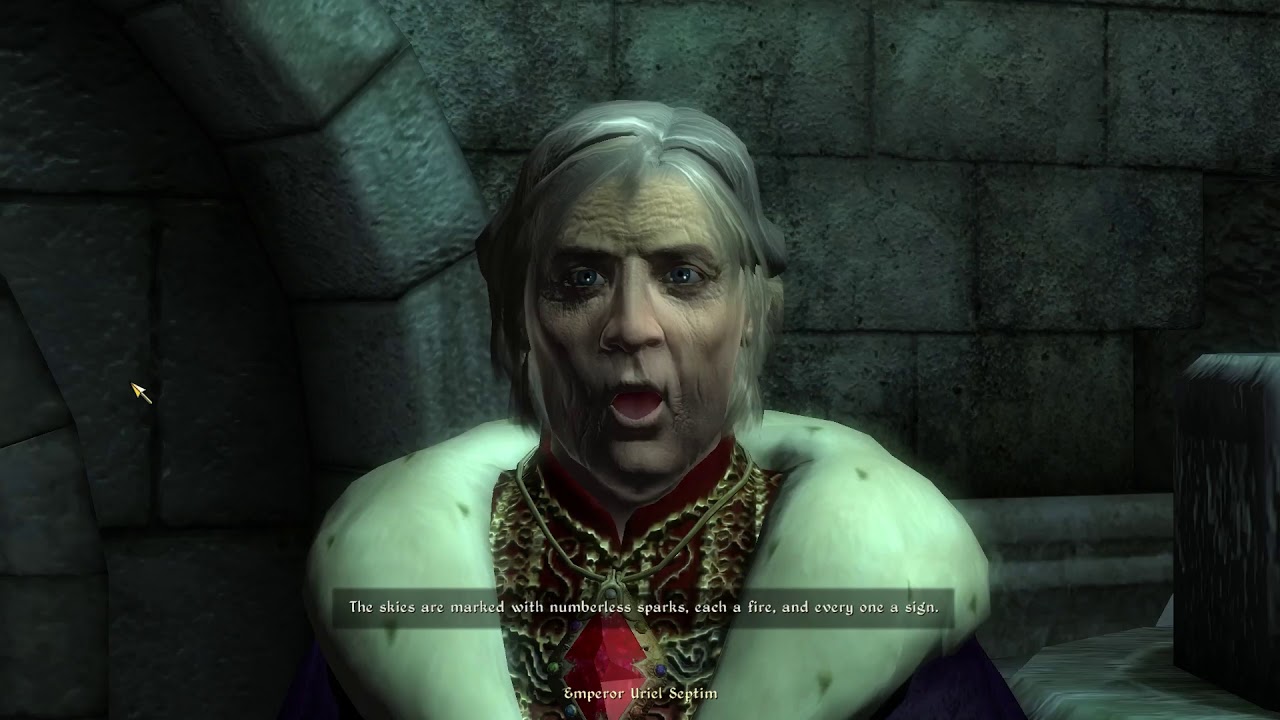
His filmography, however, extended far beyond these two pillars. He displayed a penchant for both the surreal and the dramatic, appearing in David Lynch’s Dune (1984) and John Boorman’s Excalibur (1981). These roles showcased an actor who was never content to remain in a single lane, constantly seeking projects that challenged his range. His voice, noted for its rich, sonorous quality, also made him one of the most sought-after narrators and voice actors in the industry, lending gravity to video games such as The Elder Scrolls IV: Oblivion, where his portrayal of Emperor Uriel Septim VII remains a gold standard for voice performance in gaming.
Chronology of a Legacy
- 1940: Born in Mirfield, West Yorkshire.
- 1966: Joins the Royal Shakespeare Company, beginning a lifelong association with classical theater.
- 1971: Debuts on Broadway, marking the start of a distinguished international stage career.
- 1987: Debuts as Captain Jean-Luc Picard in Star Trek: The Next Generation.
- 2000: First appearance as Professor Charles Xavier in X-Men.
- 2010: Knighted by Queen Elizabeth II for his services to drama.
- 2020: Returns to the screen as Jean-Luc Picard for the series Star Trek: Picard.
- 2026: Passes away at age 86 after a battle with Alzheimer’s and Lewy Body dementia.
Professional Reactions and Global Tributes
The outpouring of grief following the announcement has been global, with colleagues from every stage of his career paying tribute. William Shatner, whose relationship with Stewart was marked by a long-standing, playful rivalry within the Star Trek fandom, expressed his profound sorrow on social media. "He was a friend, a colleague, and a magnificent actor," Shatner wrote. "From the stage to the bridge of the Enterprise, he brought intelligence, grace, and a deep sense of humanity to everything he did."
The sentiment was echoed by the wider entertainment industry, with tributes pouring in from theatrical institutions in London and New York, as well as the scientific and academic communities that found inspiration in his portrayal of exploration and diplomacy. Stewart’s influence was not merely professional; for many, he was a symbol of the virtues of leadership and the importance of lifelong learning.

The Implications of His Departure
The passing of Sir Patrick Stewart marks the end of an era for the British acting tradition that bridged the 20th and 21st centuries. His career serves as a case study in the evolution of the modern actor—one who could move effortlessly between the boards of the West End and the high-tech sets of a Hollywood production.
His later work in Star Trek: Picard provided a poignant, valedictory look at the nature of aging, duty, and the legacy one leaves behind. By choosing to explore the vulnerabilities of his most famous character in his final years, Stewart mirrored his own life’s philosophy: that growth is a process that never truly concludes.
Final Arrangements
In accordance with his family’s wishes, the focus remains on the celebration of his life and the contributions he made to both the arts and the charities he supported. The family has requested that, in lieu of flowers, memorial contributions be directed toward the Johns Hopkins Alzheimer’s Disease Research Center Fund and the Alzheimer’s Foundation of America.
As the curtain falls on a career that spanned nearly seven decades, the legacy of Sir Patrick Stewart remains secure. He leaves behind a body of work that will continue to be studied, watched, and admired, ensuring that the man who taught us to "make it so" will be remembered for his invincibility of spirit and his grace in the face of life’s final, most difficult, transition. He is survived by his wife, Sunny Ozell, and his family, who were by his side until the end.