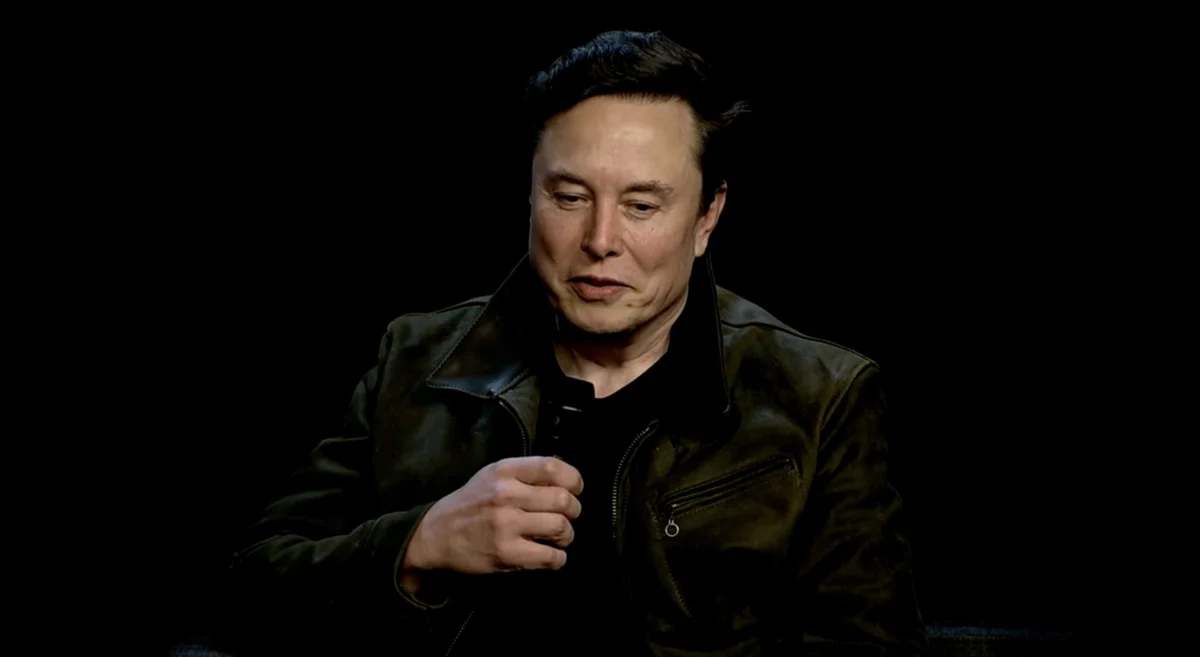



The landscape of autonomous transportation is undergoing a profound transformation, shifting from experimental trials to consumer-facing conveniences. Tesla has officially expanded its "quiet mode" feature from its newly debuted Cybercab platform to the operational Model Y Robotaxi fleet currently servicing metropolitan regions like Dallas and Houston. This software enhancement is designed to optimize the passenger experience for individuals utilizing driverless taxi services for late-night commutes or extended journeys. By addressing cabin ambiance, Tesla is incrementally realizing a long-held vision articulated by Chief Executive Officer Elon Musk: transforming vehicular travel into a passive, restorative experience where passengers can rest undisturbed between origins and destinations.
Evolution of the Autonomous Passenger Experience
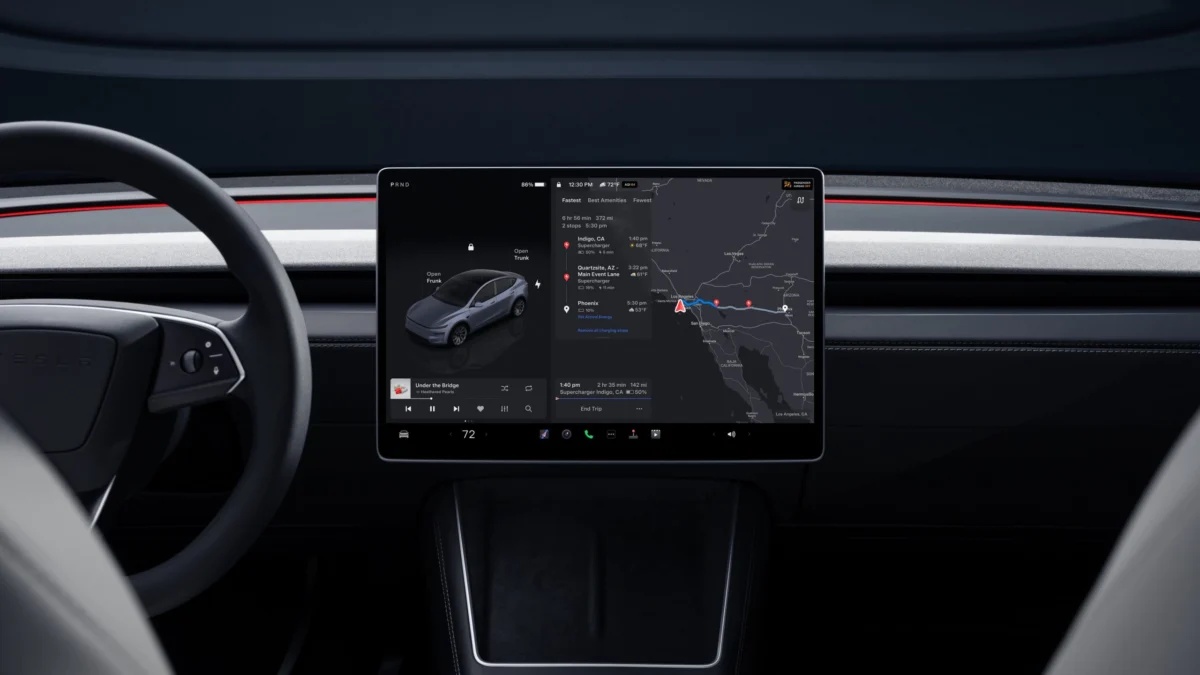
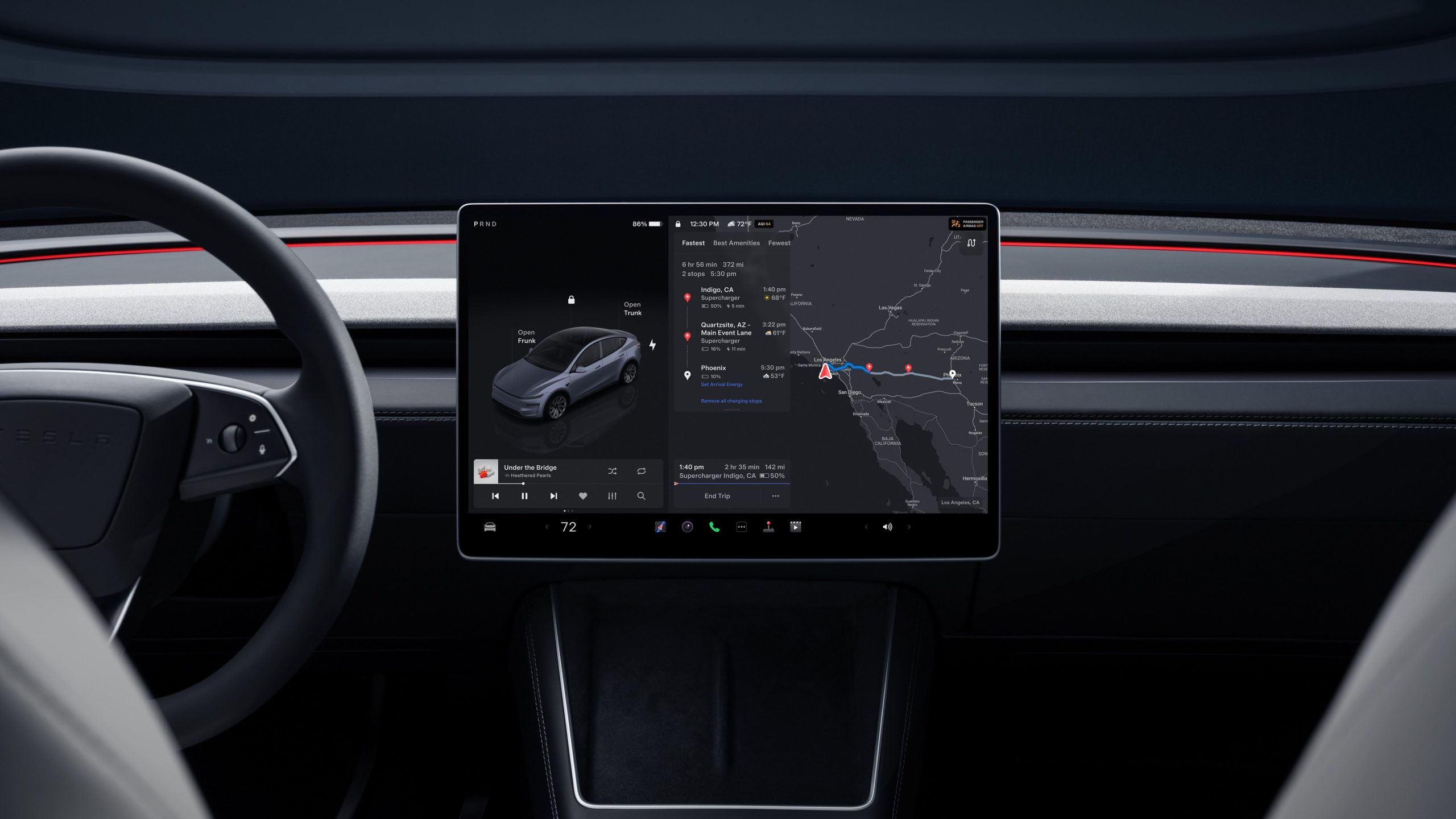
The integration of quiet mode into the Model Y Robotaxi fleet represents a calculated step toward refinement in autonomous public transport. When activated via a discreet crescent moon icon located in the bottom-right corner of the vehicle’s central navigation display, the interface undergoes a comprehensive blackout. Non-essential visual elements—including the active map, media player interface, application shortcuts, and interactive AI prompts from Grok—are entirely suppressed.
Instead, the display transitions to a minimal aesthetic, presenting only vital situational awareness markers such as the destination, an "Arriving soon" notification, and a clear prompt reading, "Tap display to exit quiet mode." To ensure safety and utility remain uncompromised, critical passenger controls—including cabin climate settings, audio volume adjustments, the vehicle support portal, and a prominent "Pull Over" safety mechanism—remain accessible. A single tap anywhere on the dark screen immediately restores the full interface.

This software update follows closely behind other subtle acoustic and operational refinements introduced to the Robotaxi ecosystem. Observers monitoring the Dallas test fleet recently noted that autonomous turn signals now emit an audible chime for the first four blinks before going completely silent, reducing repetitive cabin noise during navigation. While Tesla has consistently deployed these updates without publishing exhaustive release notes, the cumulative effect is a deliberate engineering focus on passenger comfort and reduced sensory stimulation.
A Decade-Long Vision Realized
The capability to sleep safely inside a moving vehicle has been a cornerstone of Elon Musk’s public roadmap for autonomous driving technology for over ten years. The chronology of this ambition reveals a deliberate evolution from theoretical concepts to tangible software features:
- October 2014: Musk publicly projected that true autonomous driving would emerge within five or six years, allowing passengers to enter a vehicle, sleep, and awaken upon arrival at their destination.
- April 2017: Speaking at a TED conference, Musk refined his stance, acknowledging that achieving 99.9 percent reliability was insufficient for passenger comfort, emphasizing that true autonomy must eliminate the anxiety associated with occasional system failures.
- December 2019: Following consumer requests for a dedicated "Nap Mode" that would maintain climate control systems and wake occupants with an integrated alarm, Musk briefly acknowledged the feature’s viability on social media.
- October 2024: During the high-profile "We, Robot" unveiling event in Austin, Texas, Musk re-emphasized the transition from supervised to unsupervised Full Self-Driving (FSD), framing the ability to sleep en route as the ultimate benchmark of success.
- April 2025: During Tesla’s first-quarter earnings call, Musk designated the sleep test as the definitive "acid test" for widespread commercial deployment, expressing confidence in its availability across numerous U.S. cities.
- October 2026: The deployment of quiet mode in commercial Model Y Robotaxis in Texas bridges the gap between Musk’s long-term vision and daily commuter reality.
Broader Implications for Urban Mobility and Shared Fleets
The convergence of autonomous vehicle deployment and passenger-centric software updates carries substantial implications for the urban mobility market. As Tesla scales its driverless Model Y operations in cities like Dallas and Houston—complemented by promotional incentives such as free initial rides for first-time users—the expectations for ride-hailing services are shifting.
Traditional rideshare models rely on human interaction, navigation chatter, and dynamic radio selections. In contrast, autonomous ride-hailing environments strip away the driver, leaving the passenger alone with the vehicle’s interior ecosystem. Features like quiet mode acknowledge the psychological shift required for mass adoption of driverless transport. By granting passengers absolute control over light, sound, and privacy, Tesla is mitigating the lingering psychological barriers associated with relinquishing control to an algorithmic chauffeur.
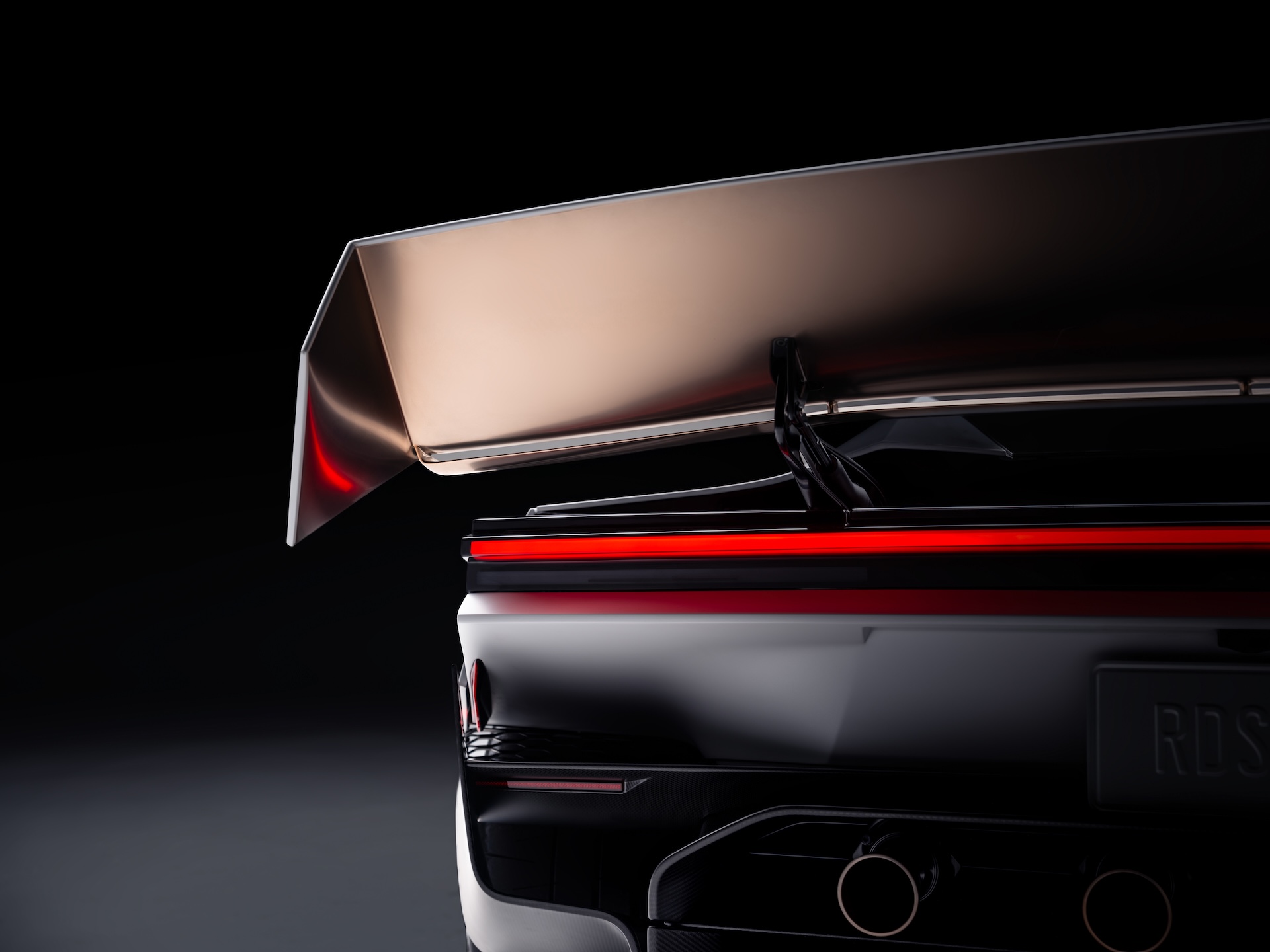
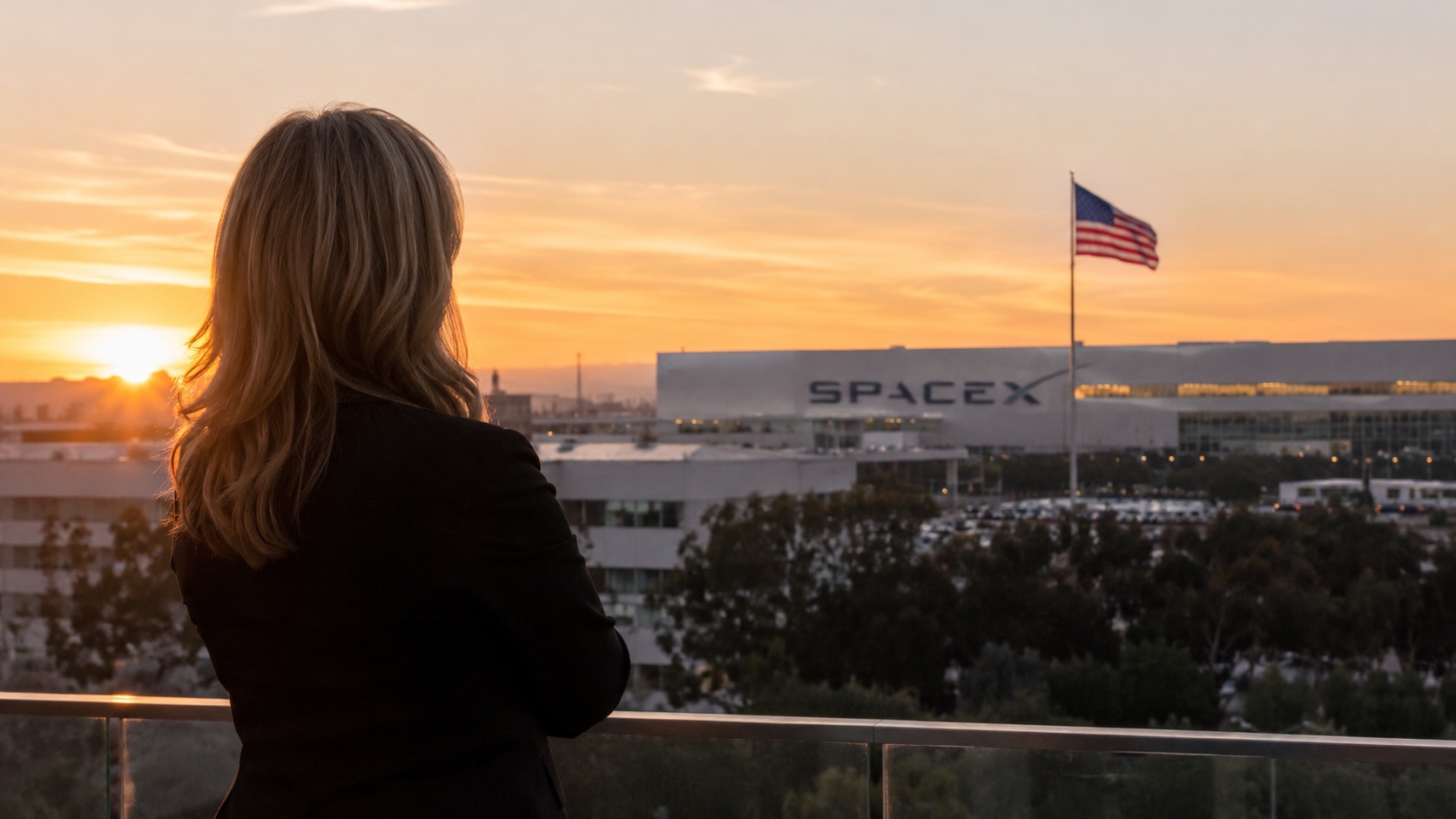
Furthermore, the simultaneous corporate developments linking Tesla and SpaceX—such as the recent public display of the next-generation Roadster at SpaceX headquarters and ongoing discussions regarding a potential corporate merger—highlight a shared engineering philosophy. Both entities prioritize vertical integration, rapid iteration, and the relentless optimization of hardware and software performance. Whether scaling sea-level thrust in Raptor rocket engines or refining user interface experiences in autonomous electric vehicles, the underlying methodology remains focused on eliminating friction and maximizing operational efficiency.
As regulatory frameworks evolve and driverless fleets expand into additional metropolitan areas, the line between personal vehicle ownership and on-demand autonomous transit continues to blur. Innovations like quiet mode suggest that the future of personal transit will prioritize not merely getting from point A to point B, but how effectively the transit window can be reclaimed for rest, productivity, or leisure.