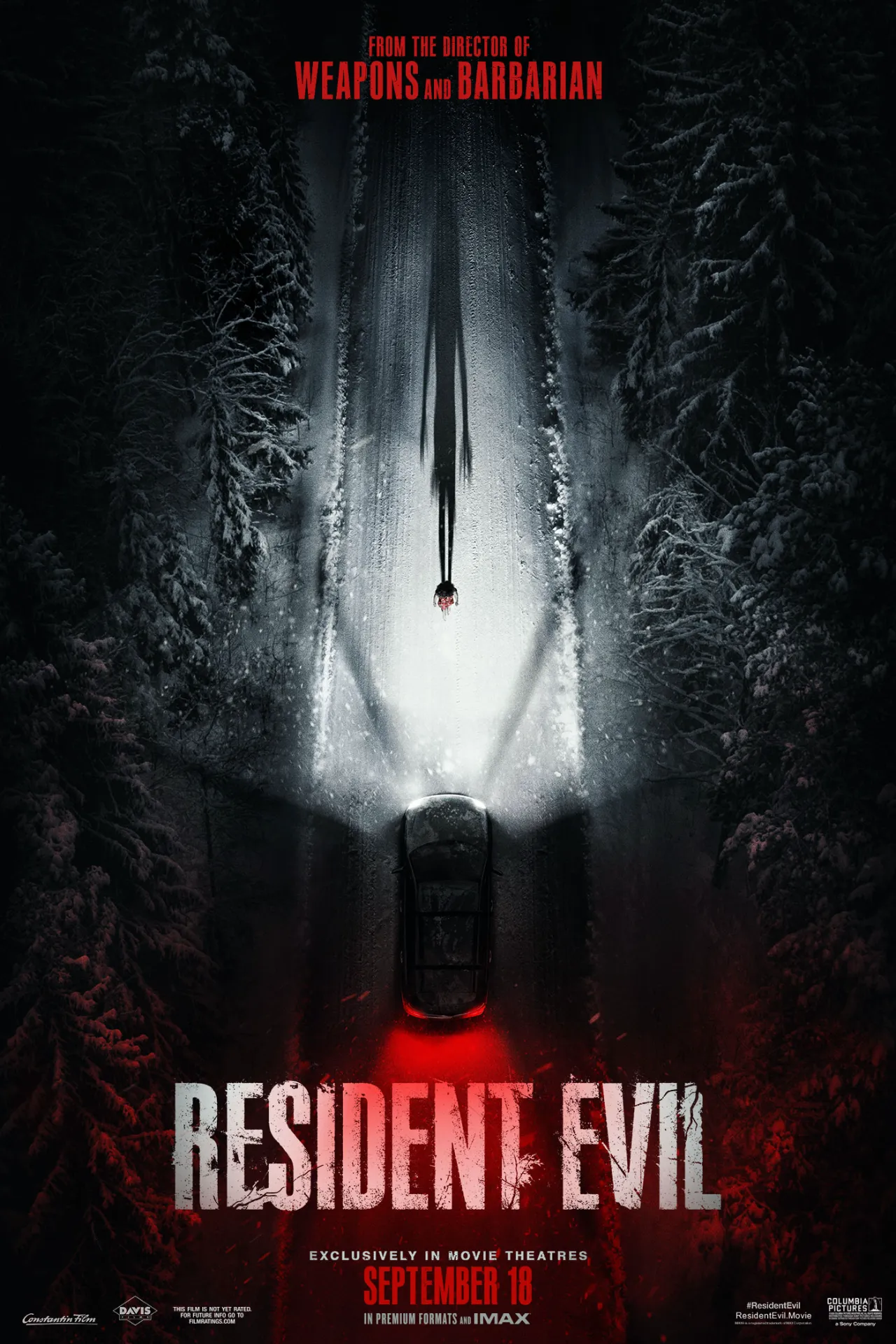
Sony Pictures has officially confirmed that a new live-action "Resident Evil" film is slated for release in 2026, with Zach Cregger, acclaimed director of the horror hit "Barbarian," attached to write and direct the project. This announcement signals a significant strategic move by the studio to reinvigorate the long-running horror franchise on the big screen, aiming for a fresh, terrifying vision that reportedly harks back to the survival horror roots of the original video game series. The development comes as the "Resident Evil" intellectual property continues to thrive across various media, from highly successful video game remakes to animated features and television adaptations, underscoring its enduring global appeal.
The Enduring Legacy of Resident Evil
The "Resident Evil" franchise, known as "Biohazard" in Japan, first exploded onto the gaming scene in 1996 with Capcom’s groundbreaking survival horror title for the PlayStation. It quickly revolutionized the genre, blending intricate puzzles, limited resources, and jump scares with a compelling narrative centered on the nefarious Umbrella Corporation and its deadly viral outbreaks. The series introduced iconic characters such as Chris Redfield, Jill Valentine, Leon S. Kennedy, and Claire Redfield, who have become synonymous with zombie apocalypse lore. Over nearly three decades, the core video game series has spawned numerous sequels, spin-offs, and remakes, collectively selling over 150 million units worldwide, establishing itself as Capcom’s best-selling franchise.
The franchise’s cinematic journey began in 2002 with Paul W.S. Anderson’s "Resident Evil," starring Milla Jovovich as Alice, an original character created for the films. This initial film launched a highly successful six-movie saga that, while commercially prosperous, often diverged significantly from the game’s established lore and character arcs, evolving into more action-oriented blockbusters. The original film grossed over $103 million worldwide on a $33 million budget, setting the stage for sequels like "Resident Evil: Apocalypse" (2004), "Resident Evil: Extinction" (2007), "Resident Evil: Afterlife" (2010), "Resident Evil: Retribution" (2012), and "Resident Evil: The Final Chapter" (2016). Cumulatively, the Jovovich-led series earned over $1.2 billion globally, making it the highest-grossing film series based on video games until surpassed by the "Sonic the Hedgehog" films.
However, critical reception for these films was generally mixed to negative, particularly among fans of the video games who desired a more faithful adaptation. This sentiment led to a 2021 reboot attempt, "Resident Evil: Welcome to Raccoon City," which aimed to more closely adapt the storylines of the first two games. Directed by Johannes Roberts, this film featured a cast portraying iconic game characters. Despite its intentions to appeal to purists, "Welcome to Raccoon City" also received lukewarm reviews and underperformed at the box office, grossing only $41.8 million worldwide against a $25 million budget. The new 2026 film marks yet another attempt to capture the essence of the franchise, seemingly learning from past efforts by bringing in a fresh, proven voice in the horror genre.
Zach Cregger’s Vision for a Terrifying Reboot
The selection of Zach Cregger to helm the "Resident Evil" reboot is a bold and intriguing choice, reflecting Sony Pictures’ commitment to a distinct creative direction. Cregger gained widespread critical acclaim for his 2022 horror film "Barbarian," which he also wrote and directed. "Barbarian" was lauded for its unpredictable plot twists, unsettling atmosphere, and effective blend of psychological horror with moments of dark humor. It achieved a strong critical consensus, holding a 93% "Certified Fresh" rating on Rotten Tomatoes and grossing over $45 million worldwide on a modest $4.5 million budget, signaling Cregger as a significant talent in contemporary horror.
Cregger’s approach to "Resident Evil" is anticipated to lean heavily into the psychological and atmospheric horror elements that defined his previous work, moving away from the more action-heavy focus of earlier film adaptations. Early indications suggest Cregger aims to honor the dark, tense atmosphere of the early "Resident Evil" games, emphasizing suspense and dread over overt jump scares. This focus aligns perfectly with the survival horror genre’s core tenets, where players are often under-resourced and vulnerable, constantly on edge. The director has reportedly expressed a desire to deliver a truly terrifying experience, suggesting a meticulous attention to world-building and character vulnerability within the zombie-infested world of "Resident Evil."
While specific plot details remain under wraps, Cregger’s dual role as writer and director implies a cohesive vision from conception to screen. His creative control is expected to allow for a more singular and perhaps more faithful interpretation of the source material’s terrifying potential. Fans are eagerly awaiting how Cregger will balance the franchise’s rich lore and beloved characters with his unique directorial style, promising a fresh yet familiar take on the beloved franchise.
Production Timeline and Studio Strategy
The production for the "Resident Evil" 2026 film is reportedly in its nascent stages. Zach Cregger has finalized his agreement with Sony Pictures, which holds the film adaptation rights to the "Resident Evil" franchise. The studio is keen on capitalizing on the renewed interest in the series, particularly following the immense success of Capcom’s recent video game remakes. Titles like "Resident Evil 2 Remake" (2019), "Resident Evil 3 Remake" (2020), and "Resident Evil 4 Remake" (2023) have not only been critical darlings but also commercial powerhouses, drawing in both veteran fans and new players with their stunning graphics, modernized gameplay, and intense horror experiences. The "Resident Evil 2 Remake" alone sold over 13.9 million units as of March 2024, demonstrating the franchise’s strong commercial viability.

These game remakes have successfully reminded audiences of the series’ enduring appeal and its capacity for genuine horror, creating a fertile ground for a cinematic reboot that aligns with this renewed appreciation. Sony Pictures’ decision to invest in a new film, especially with a director known for impactful horror, reflects a calculated strategy to tap into this existing fan base and potentially attract new audiences who might be unfamiliar with the original games but appreciate well-crafted horror cinema.
Current projections suggest that the film will enter its primary production phase, including principal photography, in early 2025. This timeline allows Cregger ample time for script development, casting, and extensive pre-production to ensure his vision is meticulously realized. The casting process is likely to be a critical point of interest, as fans will closely scrutinize who will embody the iconic characters from the games. The success of this reboot will largely depend on its ability to strike a balance between respecting the source material and offering a compelling, original cinematic experience.
Zach Cregger’s Expanding Horror Universe
Beyond the highly anticipated "Resident Evil" project, Zach Cregger is demonstrating a prolific output in the horror genre. His burgeoning career highlights a rising star in Hollywood, especially within the horror landscape. One of his other significant upcoming projects is a new horror film titled "Weapons," for which he has secured a substantial budget of approximately $270 million from New Line Cinema. This considerable investment underscores the industry’s confidence in Cregger’s ability to deliver high-quality, commercially viable horror content.
The details surrounding "Weapons" are scarce, but the budget figure alone suggests a large-scale production, potentially indicating an ambitious and expansive horror narrative. New Line Cinema, a studio long associated with iconic horror franchises like "A Nightmare on Elm Street" and "The Conjuring" universe, entrusting such a significant budget to Cregger further solidifies his standing as a director capable of handling major genre projects. This project, alongside "Resident Evil," positions Cregger as a pivotal figure in shaping the future of mainstream horror cinema.
His previous work, "Barbarian," released in 2022, was a sleeper hit that captivated audiences and critics alike. Starring Georgina Campbell, Bill Skarsgård, and Justin Long, the film subverted expectations at every turn, building tension through claustrophobia and psychological dread rather than relying on conventional horror tropes. Its narrative complexity and effective scares resonated widely, proving Cregger’s knack for innovative storytelling within the genre. The film’s success provided him with the necessary cachet to tackle larger projects and franchises, culminating in his current involvement with "Resident Evil."
Broader Impact and Implications
The announcement of a new "Resident Evil" film directed by Zach Cregger has significant implications for both the franchise and the horror genre. For "Resident Evil," it represents another attempt to find its footing in live-action cinema after a series of adaptations that, while sometimes financially successful, often struggled to satisfy the core fanbase. Cregger’s track record with "Barbarian" suggests a shift towards a more character-driven, suspenseful horror that could potentially offer a more authentic adaptation of the games’ oppressive atmosphere. This could lead to a more critically acclaimed and fan-approved film, finally breaking the "video game movie curse" for "Resident Evil."
For the horror genre, Cregger’s increased involvement in high-profile projects signals a continued trend towards directors with unique, independent horror sensibilities being given larger platforms. The success of films like "Barbarian" demonstrates that audiences are receptive to innovative, character-focused horror that prioritizes genuine scares and narrative depth over spectacle. If Cregger’s "Resident Evil" can replicate the success of his previous work while honoring the beloved source material, it could set a new standard for video game adaptations and solidify his reputation as a master of modern horror.
The path to a successful video game adaptation is fraught with challenges, primarily the delicate balance between satisfying existing fans and appealing to a broader audience. Cregger’s stated intention to honor the early games’ atmosphere while introducing fresh elements indicates an awareness of this challenge. His vision of psychological horror, rather than just creature features or action sequences, holds the potential to deliver a truly unsettling and memorable "Resident Evil" experience that resonates deeply with the core ethos of the franchise.
The 2026 release of the new "Resident Evil" film, under the creative guidance of Zach Cregger and the backing of Sony Pictures, marks a pivotal moment for one of gaming’s most iconic horror franchises. With a renewed focus on terrifying experiences and a director celebrated for his innovative approach to horror, expectations are high for a film that could finally do justice to the legendary world of "Resident Evil."