







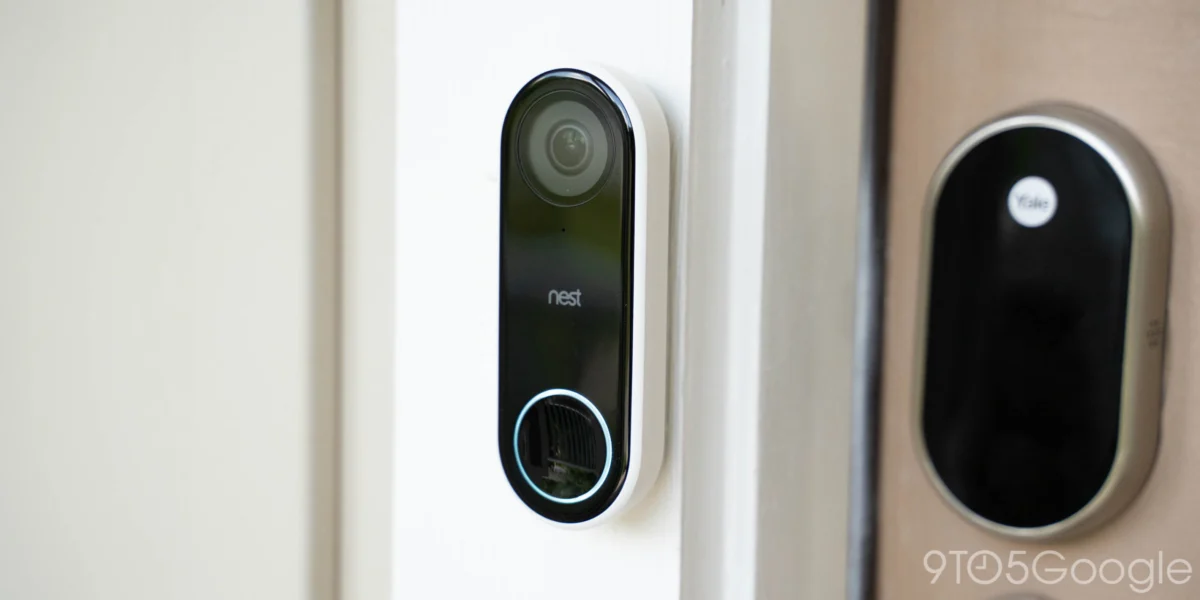
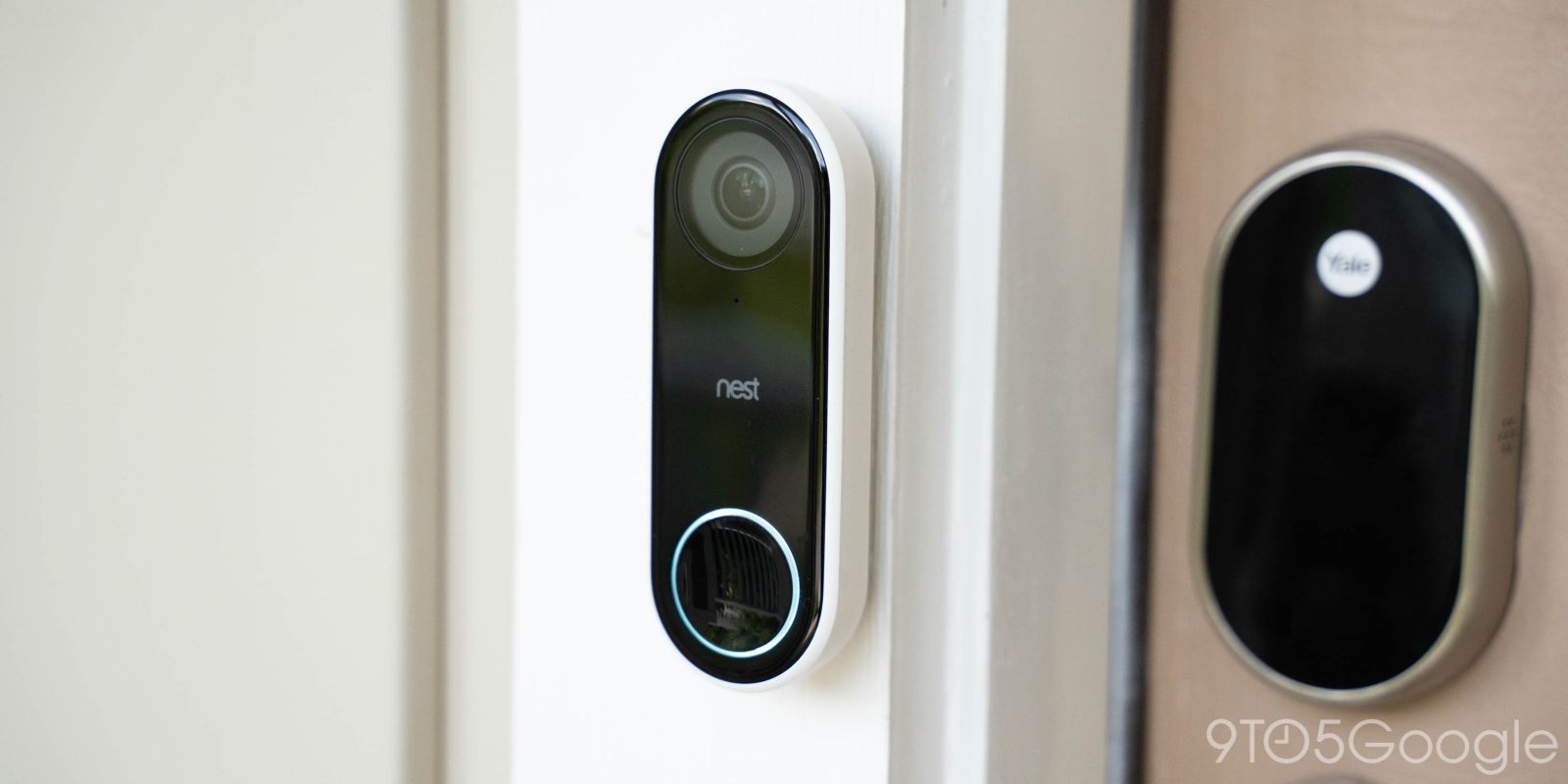
The legacy Google Nest Doorbell, colloquially known as the Nest Hello, is currently at the center of a significant technical outage that has rendered its core feature—the live video feed—inaccessible for a growing number of users. Over the past several days, a surge of reports on community forums and social media platforms has highlighted a systemic failure within the Google Home app, preventing owners of the first-generation wired doorbell from viewing real-time footage of their doorsteps. While notifications regarding motion and visitors continue to reach smart displays and mobile devices, the inability to access the live stream represents a critical loss of utility for a device marketed primarily as a security tool.
A Chronology of the Outage
The current instability appears to have intensified in late October 2026, coinciding with a firmware update pushed by Google to its legacy Nest hardware. While the exact correlation between this update and the current stream failure has not been officially confirmed, user reports began to aggregate in high volumes shortly after the software deployment.
Historically, the transition from the legacy "Nest" ecosystem to the unified "Google Home" app has been a multi-year project for the tech giant. This migration process has involved complex backend shifts in how video data is encoded, transmitted, and displayed. The current disruption follows a pattern of intermittent bugs that have plagued long-term users as Google attempts to sunset its older infrastructure in favor of modern, integrated protocols.
Between late October and the present date, dozens of individual support threads have been opened on the official Google Nest Help forums. These reports consistently describe the same behavior: the Google Home app displays a spinning loading icon indefinitely when a user attempts to open the camera feed, often followed by a generic error message indicating that the camera is "unavailable" or "offline," despite the device clearly maintaining a stable connection to the local network and the internet.
Technical Context and Potential Causes
For many tech-savvy users, the current situation has invited speculation regarding the underlying transport protocols used by Google’s smart home ecosystem. A prevailing theory among the community is that the issues stem from Google’s ongoing implementation of WebRTC (Web Real-Time Communication) to handle video streams. WebRTC is designed to provide low-latency communication, which is ideal for video doorbells where a delay of even a few seconds can mean the difference between catching a delivery person or missing them entirely.
However, migrating older, first-generation hardware to newer protocols is a delicate engineering task. The Nest Hello was originally built on an architecture that relied heavily on proprietary protocols optimized for the legacy Nest app. As Google pushes these older devices to communicate via the modern Google Home app stack, compatibility layers may be failing. Some users have attempted to clear their cache, reinstall the Google Home app, or factory reset their doorbells, but these troubleshooting steps—which are standard for minor connectivity issues—have proven ineffective, suggesting that the problem resides on Google’s server-side infrastructure rather than individual hardware units.
The Scope of the Disruption
The impact of this failure is not limited to the Nest Doorbell (wired, 1st gen). While the primary volume of complaints centers on the doorbell, scattered reports indicate that other legacy Nest cameras are experiencing similar issues with live stream connectivity. This suggests a broader degradation of the backend services that support first-generation Nest devices.
Despite the loss of live view, the devices are not entirely "bricked." Notifications continue to function, and users report that Nest Hub displays successfully receive alerts and, in some cases, still attempt to load a stream, though the result remains the same: a persistent connection failure. This bifurcation of functionality—where the device can detect motion but cannot display the video—is a hallmark of a handshake or authentication failure between the doorbell’s hardware-level stream and the application-level interface.
The Silence from Google
As of the time of this report, Google has not issued a formal statement acknowledging a service outage or confirming that a fix is in development. The company’s standard support channels have largely provided boilerplate responses, instructing users to check their Wi-Fi signal strength, power cycle their routers, or ensure their app is updated to the latest version. These responses have caused significant frustration among the user base, as many have already performed these steps and verified that their internet connectivity is robust.
The absence of an official acknowledgment is particularly notable given the scale of the feedback. With hundreds of users contributing to threads on Reddit and the Google Help forums, the data points clearly toward a widespread service-side event. In the consumer electronics industry, silent outages of this nature often lead to diminished consumer trust, especially for products that serve a security-sensitive function.
Broader Implications for the Smart Home Industry
This situation underscores the inherent risks associated with cloud-dependent hardware. The "Nest Hello" was once the gold standard for video doorbells, praised for its sharp optics and reliable, 24/7 continuous recording. However, as manufacturers like Google move toward unified app environments, the reliance on centralized cloud servers means that even a perfectly functioning piece of hardware can be rendered obsolete or ineffective due to server-side configuration changes.

The implications for the smart home industry are significant. Consumers are increasingly wary of "planned obsolescence" or the degradation of older products through software updates. When a device that costs hundreds of dollars loses its core functionality, it raises questions about the long-term viability of smart home investments. If a major player like Google cannot maintain support for its first-generation flagship doorbell, it sets a concerning precedent for the lifecycle of modern smart devices.
Furthermore, this event highlights the fragility of integrated ecosystems. By forcing users into the Google Home app, the company has created a single point of failure. Had the legacy Nest app remained a viable, standalone alternative, it is possible that users could have bypassed the current issues by reverting to older software. By consolidating these services, Google has streamlined the experience for the user but also narrowed the margin for error when system-wide updates go awry.
Looking Ahead
Until Google confirms the root cause, users are effectively in a holding pattern. The company has a history of resolving these types of backend issues through "silent" updates—patching the server-side code without requiring a firmware update or a user-facing software release. However, the lack of communication creates a vacuum of information that can lead to unnecessary device replacements or customers defecting to competing platforms like Ring or Eufy.
For those currently affected, the best course of action remains documented participation in official support threads. While individual troubleshooting may not resolve the issue, the aggregation of logs and device information provided by users in these threads helps Google’s engineering teams isolate the bug.
Moving forward, the tech industry will likely face increased scrutiny regarding how it handles the "end-of-life" or "transition" phases for smart home hardware. As the market matures, consumers will demand greater transparency when features are removed or broken by software updates. For now, the owners of the Nest Hello must wait to see if the engineering team can restore functionality to what remains one of the most popular video doorbells ever produced. The incident serves as a stark reminder that in the world of the Internet of Things, the user does not always own the full functionality of the device they purchased, as that functionality is frequently tethered to the health and stability of the manufacturer’s cloud network.