









Android users can finally breathe a sigh of relief when it comes to keeping tabs on their personal belongings. Google has officially begun rolling out a long-awaited and vital feature for its Android Find Hub network: "Notify when left behind" alerts for compatible Bluetooth trackers. This development marks a significant step forward for the platform, addressing a glaring feature gap that has separated Android’s tracking ecosystem from Apple’s equivalent service for years.
The introduction of proactive separation alerts transforms Find Hub from a reactive locating tool—one that only helps you find an item after it is already lost—into an active preventive measure. As Bluetooth trackers like the Motorola Moto Tag, Chipolo tags, and various third-party hardware continue to proliferate across the consumer technology market, the ability to receive an immediate notification the moment a user walks away from their keys, wallet, or luggage has become an industry-standard expectation. With this rollout, Google is meeting that expectation head-on, closing the gap in its tracking infrastructure and providing millions of Android users with greater peace of mind during daily commutes, travel, and routine outings.
The Evolution of Android’s Tracking Ecosystem
To fully appreciate the significance of this update, it is necessary to examine the evolution of Google’s device-locating services. For many years, Android relied on the legacy "Find My Device" service, which was primarily tailored toward locating misplaced smartphones, tablets, and select pairs of connected earbuds. However
, the ecosystem lacked a unified, crowdsourced network capable of rivaling Apple’s expansive Find My infrastructure, which leverages hundreds of millions of active iOS devices worldwide to passively and securely ping lost items.
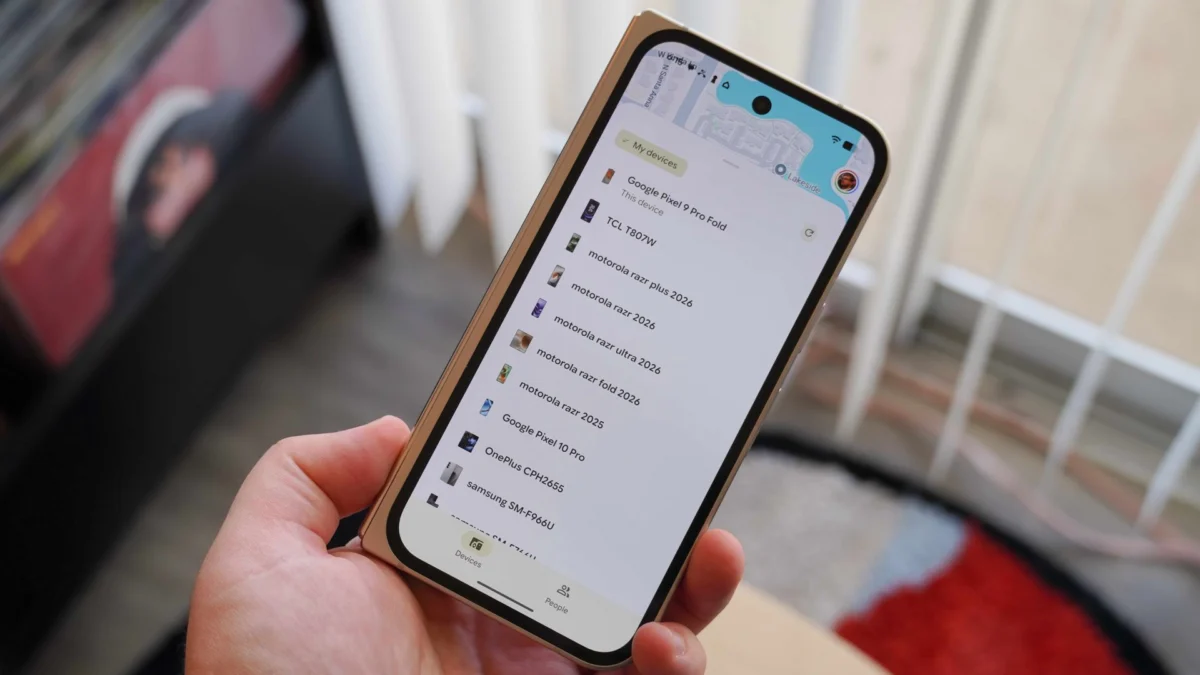
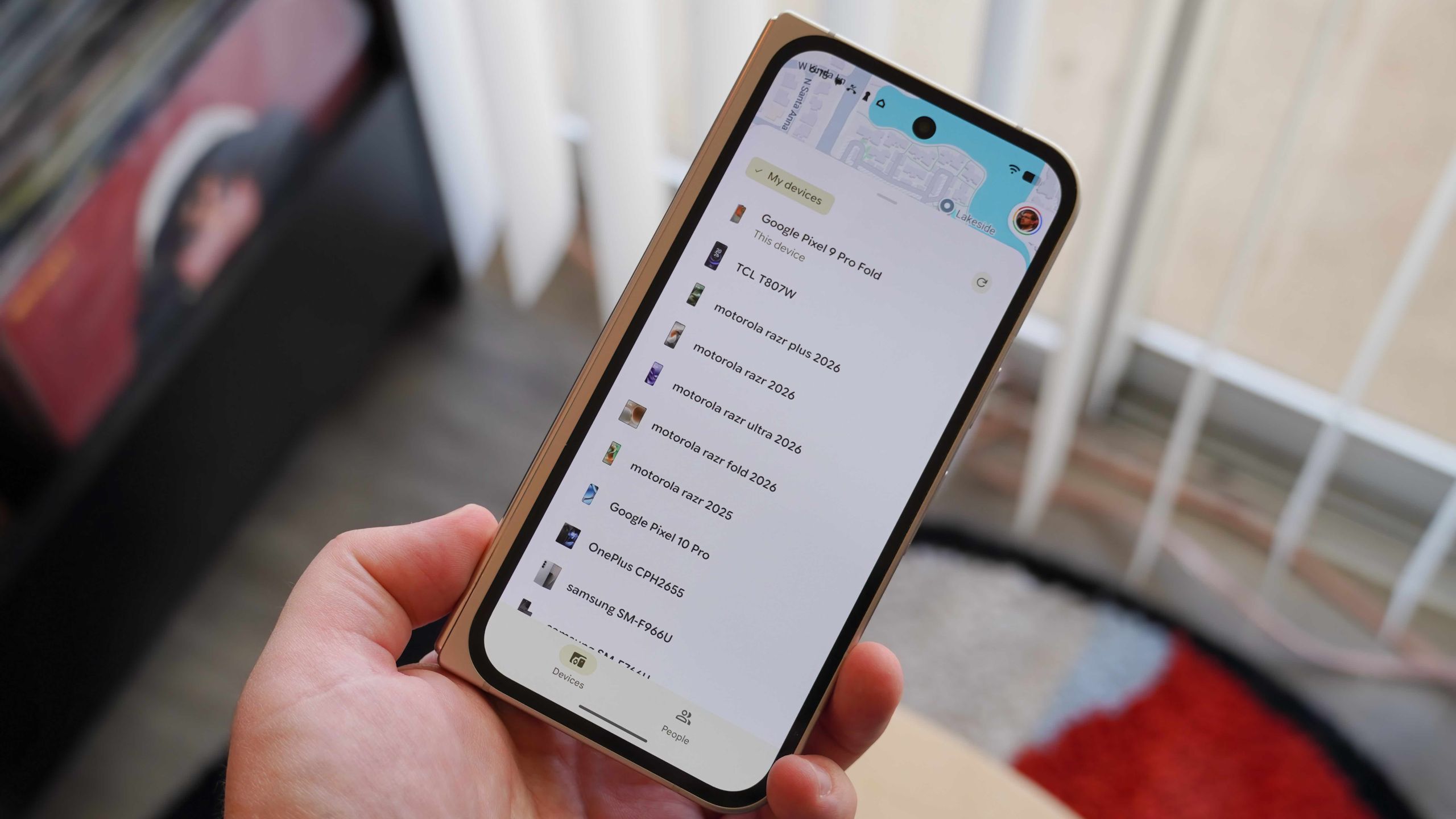
Recognizing the immense consumer demand for a robust asset-tracking network, Google announced a massive overhaul of its tracking platform, rebranding and expanding the infrastructure into the modern Find Hub ecosystem. Rolled out widely last year, the revamped platform introduced a modernized, unified user interface designed to track a wide variety of items—ranging from core Android hardware and connected accessories to third-party Bluetooth trackers and even location-sharing contacts—all within a single, centralized dashboard.
Despite the successful launch of the new interface and the subsequent introduction of specialized tracking tags from manufacturers like Motorola and Chipolo, early adopters quickly noted a notable omission. While users could view the last known location of their tracker on a map or force the device to emit an audible chime when standing nearby, the system completely lacked automated proximity alerts. If a user left a bag containing a tracker at a coffee shop or dropped a wallet in a rideshare vehicle, Find Hub remained silent until the owner consciously realized the item was missing and manually opened the application to check its coordinates.
How the "Notify When Left Behind" Feature Works
The newly deployed "Notify when left behind" functionality resolves this critical workflow limitation. Operating quietly in the background, the feature leverages the Bluetooth Low Energy (BLE) connection between the user’s Android smartphone and the registered tracking tag.
When the distance between the smartphone and the Bluetooth tracker exceeds a specific threshold—effectively breaking the direct continuous connection—the Find Hub application instantly registers the separation. The system then dispatches a push notification directly to the user’s mobile device, alerting them that they may have left a specific item behind. This early warning system allows users to retrace their steps immediately, significantly reducing the window of opportunity for an item to be permanently lost, stolen, or damaged.
Enabling the functionality is designed to be straightforward for everyday consumers. Users must navigate to the Find Hub application on their Android device, select the specific Bluetooth tracker they wish to configure from their inventory list, and access the device’s dedicated settings menu. Within these parameters, the "Notify when left behind" toggle can be activated. At present, early deployments indicate that the feature is strictly bound to dedicated Bluetooth trackers, meaning categories like wireless headphones and smartwatches are excluded from separation alerts for the time being, though industry analysts speculate that Google may broaden support to additional hardware tiers in future software iterations.
A Long-Overdue Response to Apple’s Ecosystem Lead
The introduction of separation alerts is widely viewed by industry experts as a necessary catch-up measure against Apple, which introduced its own separation alerts for AirTags and Find My network accessories years ago. Apple’s ecosystem has long benefited from proactive notifications, which train users to rely on their iPhones to safeguard everyday carry items.
By failing to provide parity in this specific feature category at the initial launch of the Find Hub network, Google placed its hardware partners at a competitive disadvantage. Consumers heavily weigh the convenience of proactive loss prevention when deciding which tracking ecosystem to invest in. With Google finally bridging this functional divide, Android users no longer have to compromise on core safety features when purchasing tracking tags from brands like Motorola, Pebblebee, and Chipolo.
Broader Market Implications and Privacy Safeguards
The expansion of the Find Hub network comes at a time of heightened scrutiny and innovation within the personal tracking market. As miniaturized Bluetooth trackers become ubiquitous, tech giants have faced intense pressure from consumer advocacy groups and law enforcement agencies to balance convenience with robust anti-stalking protections.
Google and Apple previously collaborated on an industry-wide specification designed to detect unauthorized tracking devices across both Android and iOS platforms, ensuring that malicious actors cannot secretly slip a tracker into a person’s pocket or vehicle without detection. The rollout of Find Hub’s new notification feature operates safely within these strict privacy parameters, ensuring that the background monitoring required for separation alerts does not compromise user data security or open new vectors for unwanted tracking.
Furthermore, the maturity of the Find Hub network relies heavily on the participation of Android’s massive global install base. Because the network depends on nearby Android devices anonymously relaying location data from lost trackers, every software enhancement that makes the ecosystem more attractive to consumers ultimately strengthens the overall network effect. As more users adopt Bluetooth trackers equipped with these active alerts, the density and reliability of the crowdsourced location web will continue to scale proportionately.
Looking Ahead: What’s Next for Find Hub
As the "Notify when left behind" feature continues its phased rollout to Android users worldwide, attention is already turning toward what enhancements Google might introduce next. Consumer feedback loops consistently point to features such as trusted locations—allowing users to designate safe zones like home or the office where left-behind notifications are automatically suppressed—as highly desirable additions. While Google has not yet confirmed a timeline for such advanced configurations, the steady cadence of updates to the Find Hub framework demonstrates a clear institutional commitment to refining the platform into a premier asset-management utility.
For now, the arrival of separation alerts represents a watershed moment for Android accessory management. For frequent travelers, commuters, and anyone prone to misplacing their essentials, the days of discovering a lost wallet only upon arriving home are rapidly coming to an end. Google’s latest software enhancement ensures that Android users are finally equipped with the proactive tools necessary to keep their most valuable possessions secure in an increasingly mobile world.