









The Technical Evolution of Laptop Displays
The current generation of 4K-capable laptops is characterized by a shift toward advanced panel technologies, primarily OLED and Mini-LED. Unlike traditional IPS panels, which utilize a constant backlight, OLED technology allows for self-emissive pixels. This capability results in near-infinite contrast ratios, as individual pixels can be completely deactivated to produce true blacks. This is particularly advantageous for colorists and editors working with high-dynamic-range (HDR) content.
Furthermore, the industry standard for evaluating these displays has shifted toward the DCI-P3 color gamut. Originally developed for the digital cinema industry, DCI-P3 provides a color space roughly 25% wider than the legacy sRGB standard. Modern standards suggest that for professional-grade work, a display should ideally cover at least 85% to 100% of the DCI-P3 spectrum. As of 2025, manufacturers are prioritizing these metrics to ensure that what a designer sees on their screen translates accurately to finished, broadcast-ready media.
Performance Benchmarks and Hardware Integration
The 2025 landscape for high-resolution laptops is dominated by hardware designed to bridge the gap between mobility and raw computational power. Industry benchmarks, such as Geekbench 6, demonstrate a significant performance divide between standard ultrabooks and these high-performance workstations.
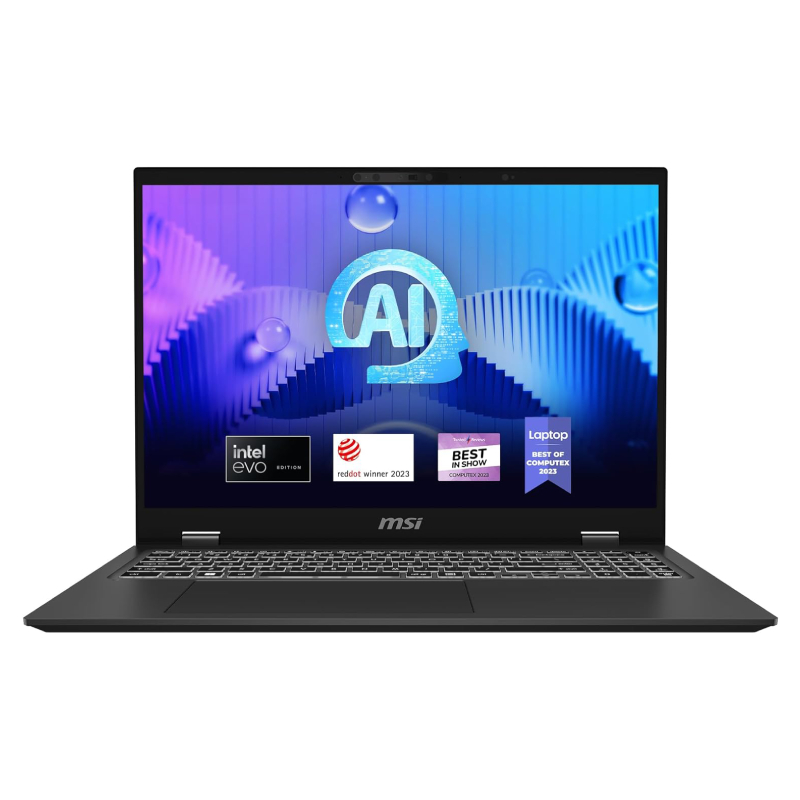
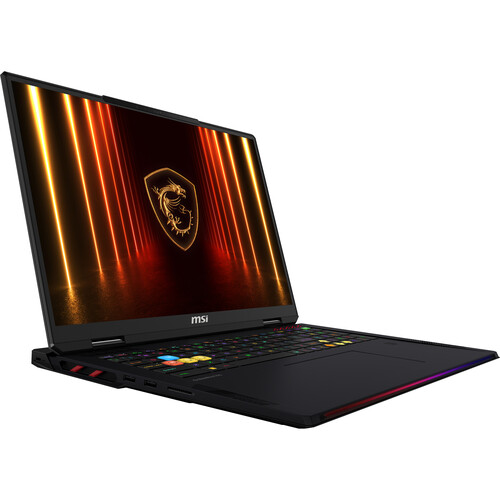
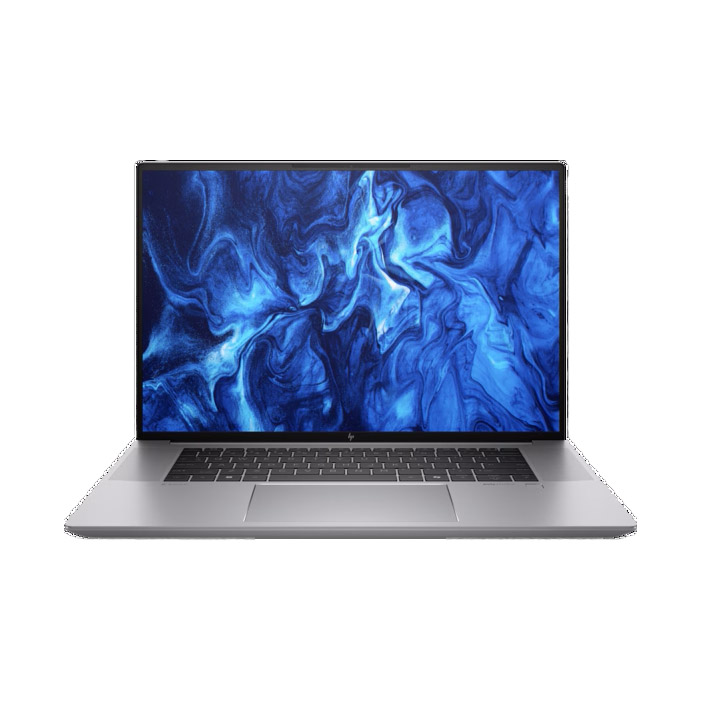
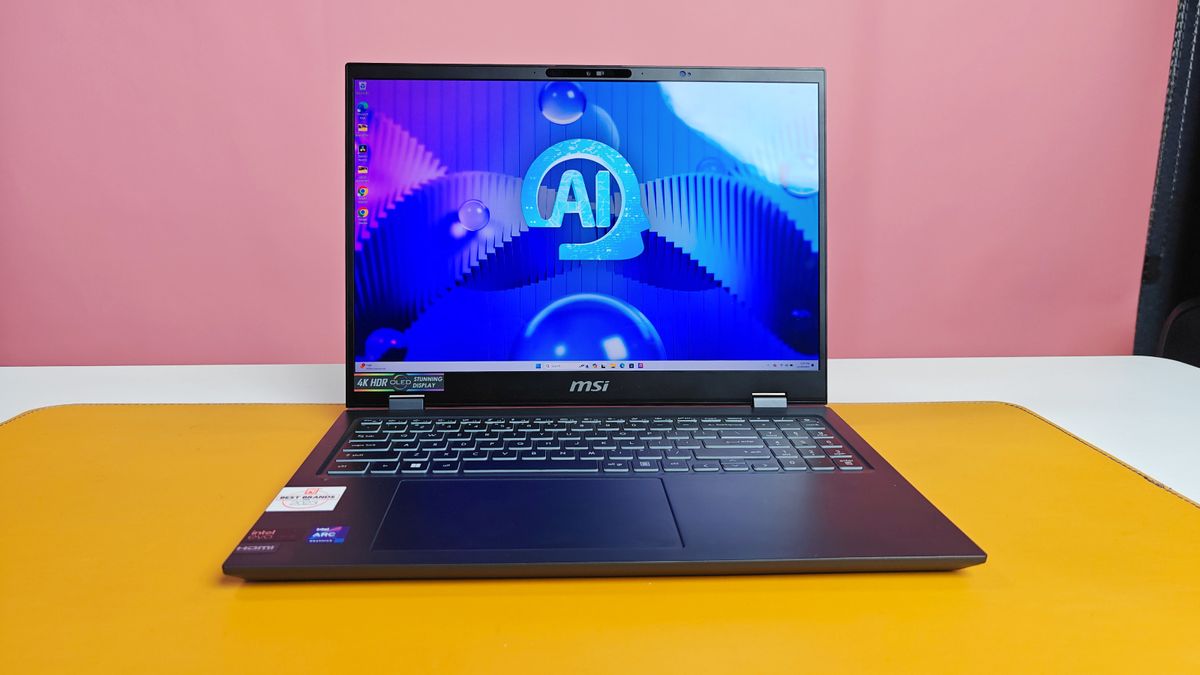
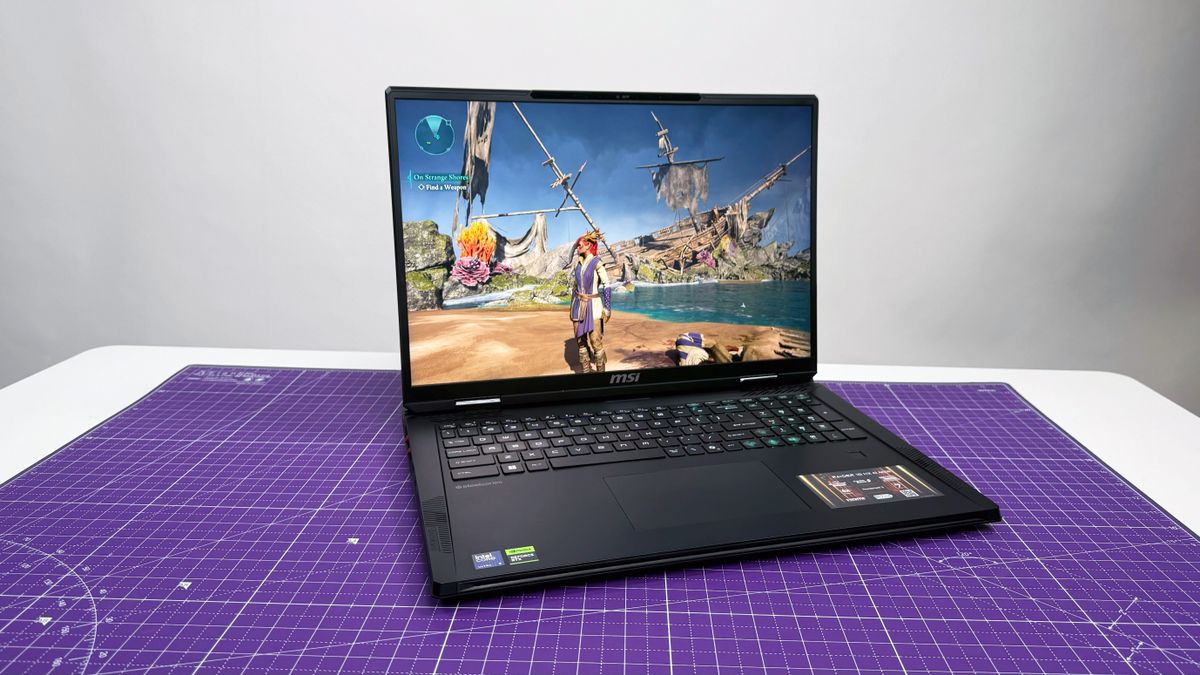
For example, the MSI Prestige 16 AI Evo has emerged as a leader in the overall category, utilizing the Intel Core Ultra 7 155H processor. It balances efficiency with an impressive multicore score of 13,310. Conversely, dedicated gaming-focused powerhouses like the MSI Raider 18 HX AI, equipped with an Nvidia RTX 5080 GPU and an Intel Core Ultra 9 285HX, push performance boundaries with Geekbench scores exceeding 21,800. These machines are increasingly being adopted by engineers and data scientists who require the stability of professional-grade GPUs, such as the Nvidia RTX Ada Generation cards found in the HP ZBook Studio 16 G11.
Strategic Product Chronology and Market Positioning
The evolution of the "4K laptop" has been marked by a series of significant hardware refreshes over the past twelve months. As of June 3, 2025, manufacturers shifted their focus toward integrating AI-driven processing units (NPUs) to handle localized machine learning tasks, reducing the load on the CPU and GPU.
The transition from the MSI Titan 18 HX to the MSI Raider 18 HX AI, for instance, reflects a broader industry trend of prioritizing "AI-readiness" alongside raw graphical output. This timeline of innovation underscores a race to minimize the thermal bottlenecks that historically plagued thin-and-light high-resolution laptops. Manufacturers are now utilizing vapor chamber cooling and advanced thermal management software to sustain high clock speeds during 4K video rendering—a task that previously required massive desktop towers.
Comparative Analysis of Leading Models
Selecting a 4K-ready machine requires a trade-off between portability, battery endurance, and raw power.

- MSI Prestige 16 AI Evo: Best suited for the mobile professional. It offers an optimal balance of a 13-hour battery life and a high-resolution OLED panel, proving that high-density screens no longer necessitate a tether to an AC outlet.
- MSI Raider 18 HX AI: Representing the pinnacle of desktop replacement, this unit is designed for users who prioritize performance over weight. While the 7.8-pound chassis and short battery life (under 3 hours) make it unsuitable for travel-heavy workflows, its Mini-LED display reaches 668 nits of brightness, far exceeding industry averages for gaming laptops.
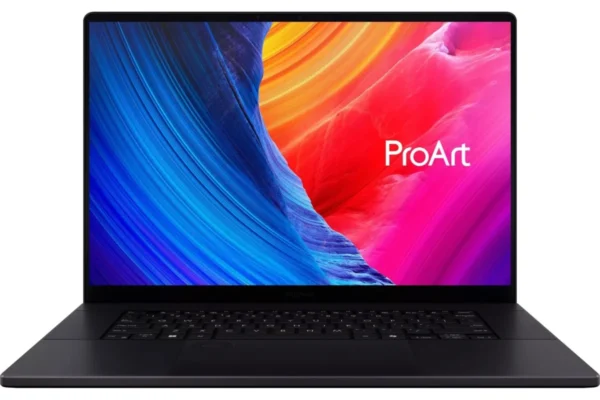
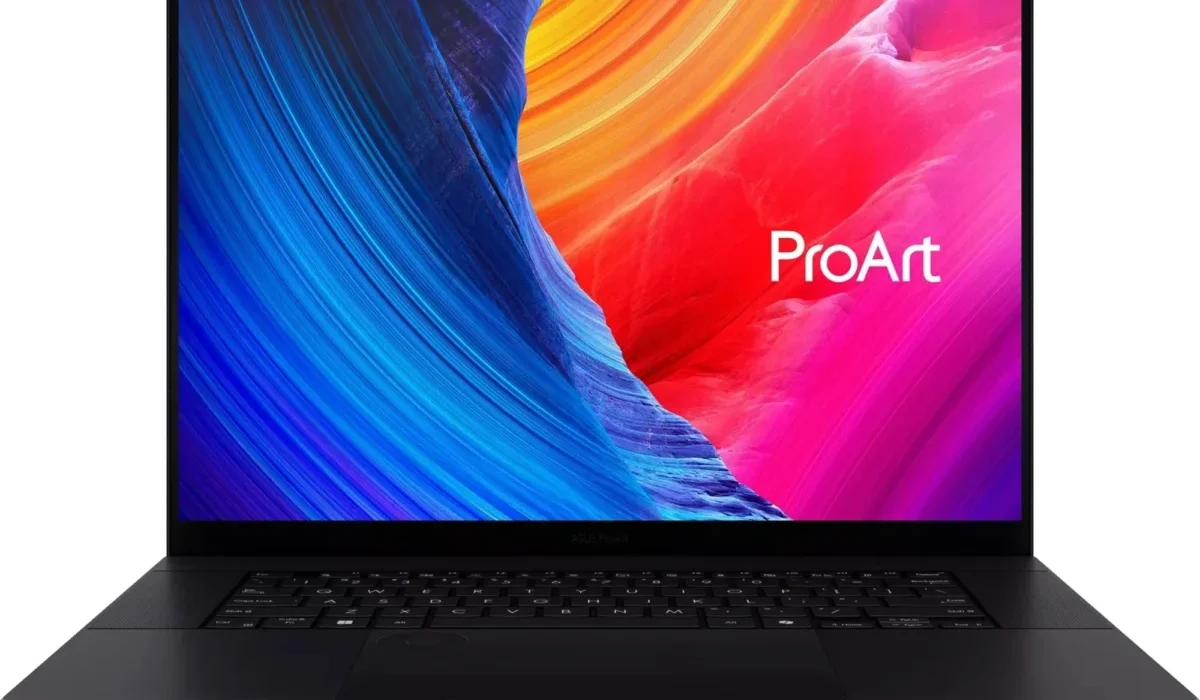
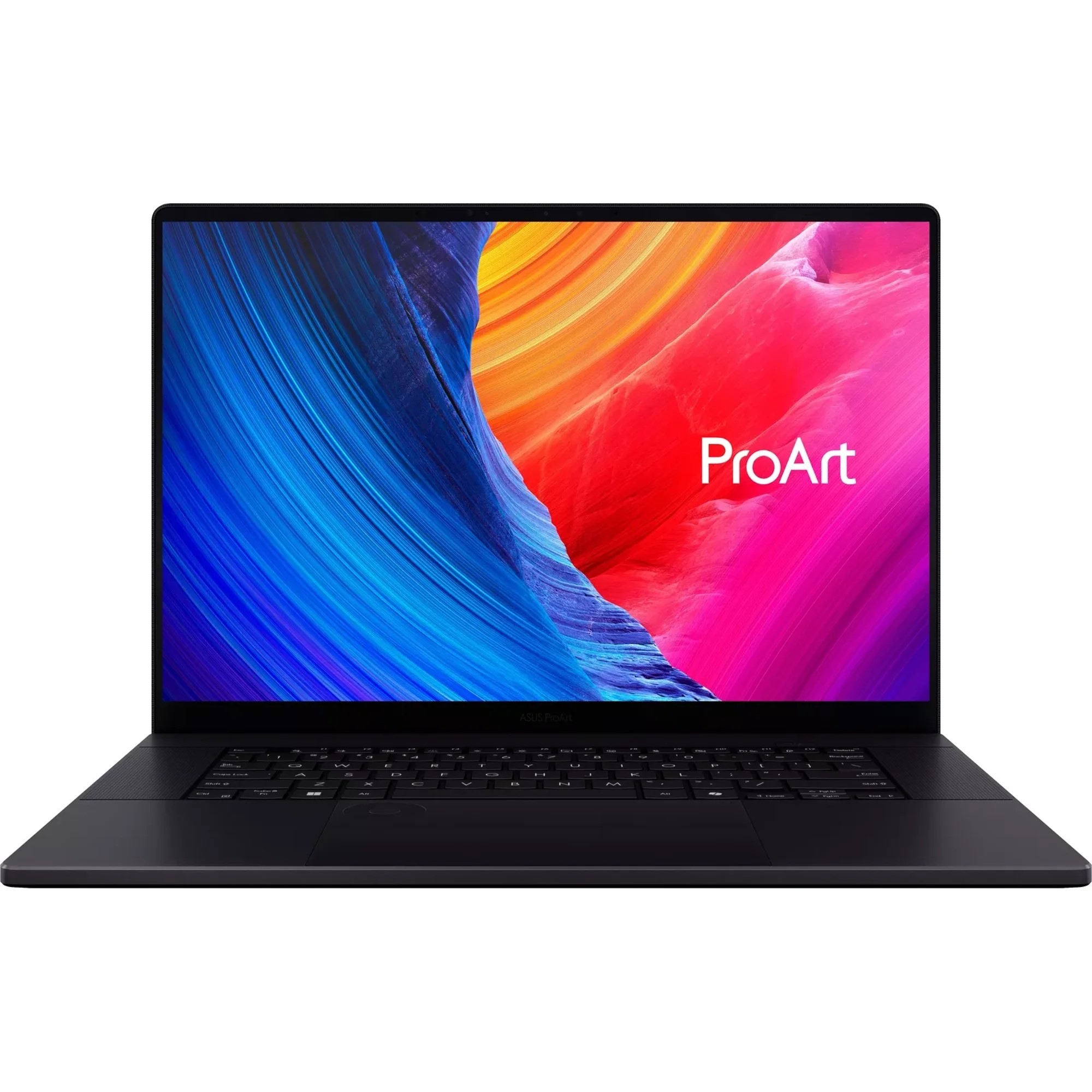
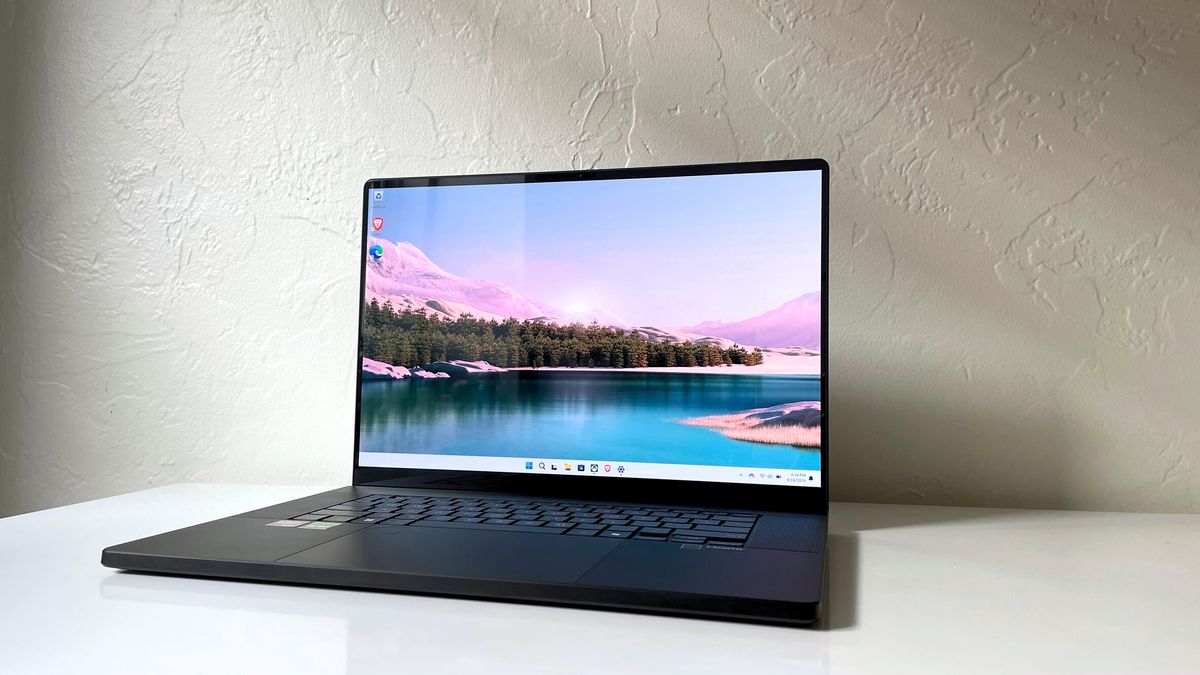
- Asus ProArt P16: Positioned as a direct competitor to Apple’s high-end offerings, this device utilizes AMD’s Ryzen AI 9 architecture. It serves as a middle-ground solution for Windows-based creators who need significant graphical power (RTX 4070) without the extreme price premiums of mobile workstations.
- HP ZBook Studio 16 G11: The definitive choice for CAD, 3D modeling, and engineering. Its stability-focused hardware configuration is designed for long-duration rendering tasks rather than peak burst performance.
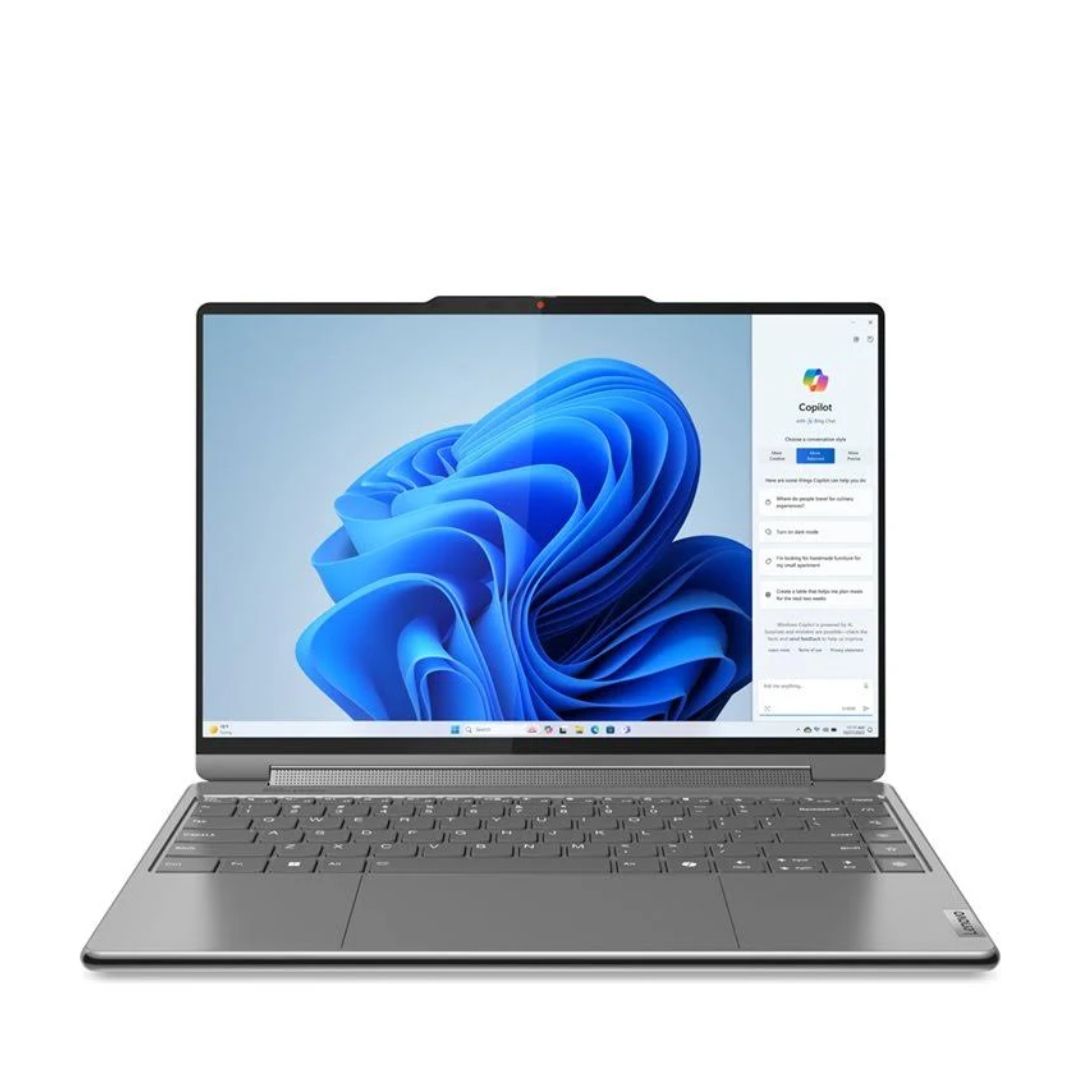
- Lenovo Yoga 9i Gen 9: Serving the 14-inch form factor, this 2-in-1 device targets digital artists who require a touch-sensitive, color-accurate interface that functions as both a laptop and a drawing tablet.
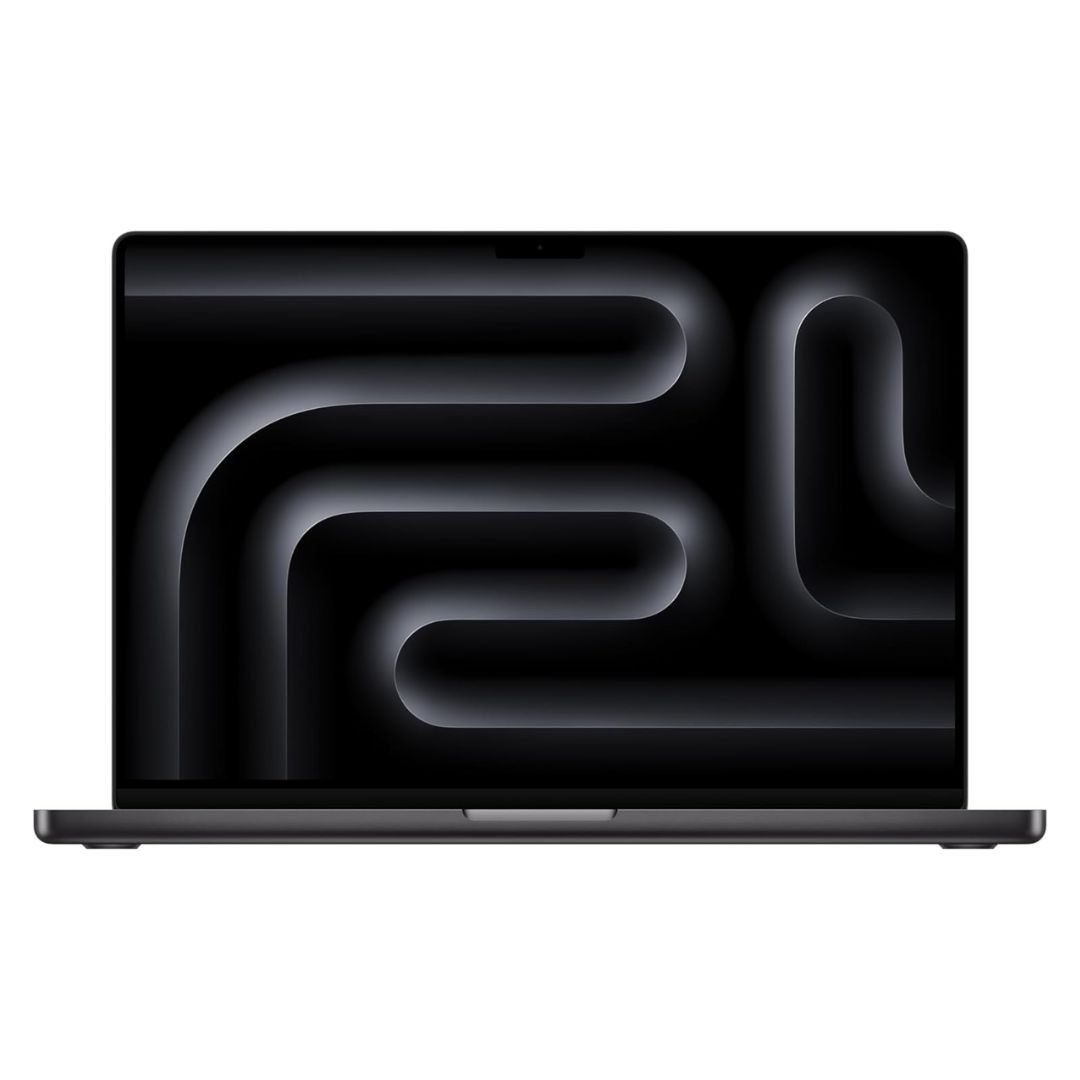
- Apple MacBook Pro 16 M4 Pro: Although its resolution of 3456 x 2234 is technically shy of standard 4K, its Liquid Retina XDR display and unparalleled M4 Pro power efficiency make it the industry benchmark for creators. Its 20-hour battery life remains the gold standard in the laptop industry.
Implications for Future Creative Workflows
The increasing accessibility of 4K and "near-4K" displays on mobile hardware has significant implications for remote work and global collaboration. As high-resolution content becomes the baseline for internet consumption, the necessity for hardware that can process and view such content in real-time has become critical.
However, the trend toward higher resolution displays has created a "battery-life dilemma." Because 4K displays contain millions more pixels than standard panels, they require more power to illuminate. Manufacturers are currently attempting to solve this via more efficient panel architecture, such as LTPO (Low-Temperature Polycrystalline Oxide) backplanes, which can adjust refresh rates dynamically to save energy.
Professional Selection Criteria: A Guide
When selecting a high-resolution laptop, professionals should prioritize the following factors:
- Aspect Ratio: While 16:9 remains the standard for video consumption, many creative professionals are shifting toward 16:10 displays. The additional vertical space is highly beneficial for timeline-based software, such as Adobe Premiere Pro or DaVinci Resolve.
- Thermal Management: A 4K display is often paired with high-performance internals. Prospective buyers should investigate the cooling solutions of a device to ensure that the laptop does not "throttle" or reduce performance during intensive tasks.
- Connectivity: 4K workflows often involve external storage arrays and high-speed peripherals. A robust selection of Thunderbolt 4 or USB4 ports is essential for ensuring data throughput remains consistent with the capabilities of the high-resolution display.
- Panel Type: For users who work in dark environments, OLED is the superior choice for its contrast levels. For users who frequently work in outdoor or brightly lit environments, Mini-LED or high-brightness IPS panels are necessary to combat screen glare.
Industry Outlook
The, market for 4K laptops is expected to continue its upward trajectory as professional-grade software becomes more optimized for high-density displays. The shift from "optional upgrade" to "standard expectation" for creative laptops is nearly complete. As manufacturers continue to refine the battery-efficiency of these high-resolution panels, the barriers to entry for portable, high-fidelity creative work will continue to diminish. For the consumer, this translates to a broader array of choices, ensuring that regardless of whether one is a film student, a professional architect, or a data analyst, there is a device capable of rendering their work with the clarity it demands.