












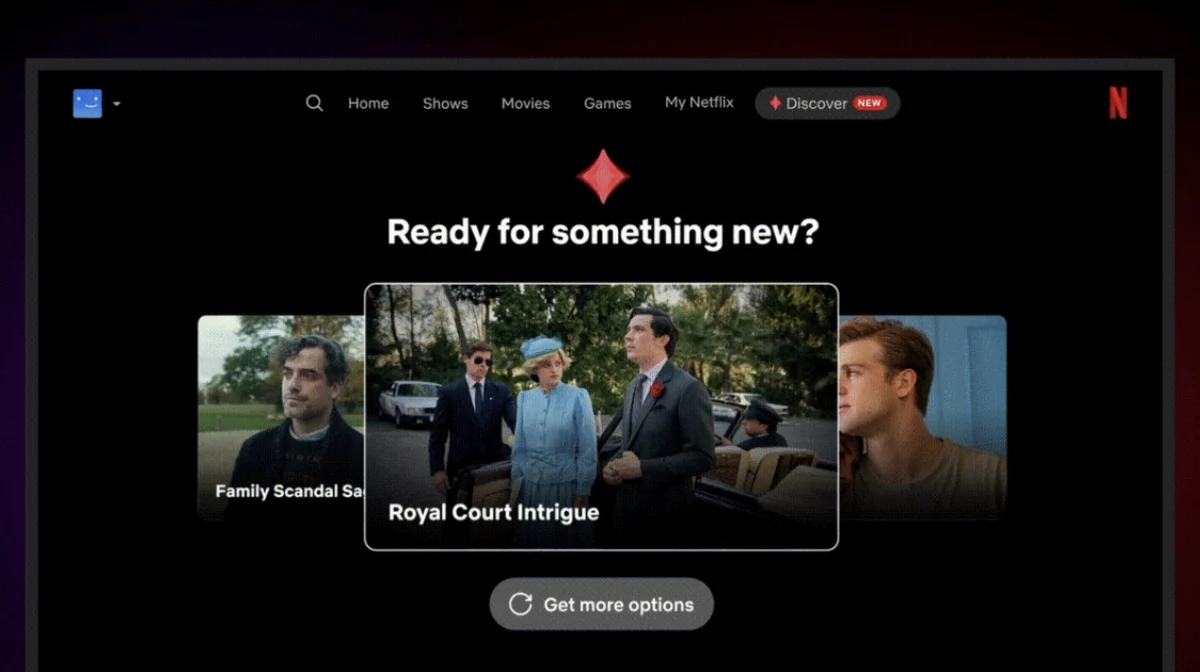
Netflix is rolling out a new feature called AI Discover in an effort to address one of the most persistent frustrations of the modern streaming era: decision fatigue. Designed to replace traditional, rigid genre presets and endless browsing loops, the new tool relies on conversational, theme-based prompts to handpick movies and television series tailored to a viewer’s immediate emotional state or viewing intent. Currently in its early testing phase, the initiative marks a significant step forward in how streaming platforms leverage artificial intelligence to curate massive libraries of digital content.
Moving Beyond Static Catalogs: The Mechanics of AI Discover
For years, streaming services have organized content using standardized categories such as action, comedy, drama, and documentary. While these genre-based menus serve as a functional directory, they often fail to capture the nuanced psychological states of viewers. A user looking for a lighthearted comedy after a stressful workday might still struggle to find the right title within a massive, undifferentiated list of hundreds of funny movies.

AI Discover fundamentally changes this dynamic by shifting the user interface toward theme-based, mood-driven discovery. According to company disclosures, the system allows subscribers to articulate what they are in the mood to watch using broad, flexible concepts. Instead of picking a genre, a viewer can select or input atmospheric themes—such as a family-friendly film, an uplifting narrative, a mild thriller, or a quick-watch presentation suitable for a tight schedule. The artificial intelligence engine then scans the platform’s vast library to surface content that matches these specific qualitative parameters.
The user experience is designed to be iterative rather than absolute. As a subscriber scrolls through a generated selection of titles, the interface dynamically updates to offer additional related themes. Furthermore, if the initial batch of recommendations does not quite hit the mark, users can tap a "Something Different" or "Get More Choices" button to cycle through alternative options that remain tethered to the original mood description.
Fine-Tuning and Preference Retention
A major challenge for algorithmic recommendation engines is avoiding repetitive suggestions or failing to learn from user rejections. AI Discover incorporates a built-in feedback mechanism labeled "Tune Your Recommendations" for every suggested film and television show.

This feature grants viewers granular control over their content stream. Users can designate a specific title as a permanent preferred pick, ensuring it remains prioritized in future suggestions. Conversely, if a recommendation is unwelcome, the user can instruct the system never to suggest that title again. The artificial intelligence retains this negative feedback permanently; subsequent requests for content matching similar themes will consciously exclude the rejected media. By shifting control back to the viewer while simultaneously training the underlying model, Netflix hopes to build a more responsive and trusted discovery loop.
Roll
out Status, Limitations, and Availability
As of its initial launch phase, AI Discover is being deployed in a controlled, limited rollout restricted to subscribers in the United States. Furthermore, the test is currently confined to the platform’s television application interface and exclusively supports English-language prompts.

Netflix has indicated that the initial test pool is relatively small, but deployment parameters will expand progressively over the coming weeks to gather broader user engagement data. Subscribers included in the initial testing cohort can easily identify the tool within the application’s top navigation row, where the Discover icon appears paired with a "New" badge. There is no official timeline yet regarding a broader global rollout or expansion to mobile and web browsers, as the company is likely waiting to analyze initial engagement metrics and server-side processing loads before committing to a wider release.
Background Context: The Evolution of Streaming Recommendation Engines
Netflix’s experimentation with generative AI and advanced natural language processing represents the latest chapter in a long history of algorithmic curation. When the company transitioned from a DVD-by-mail rental service to an online streaming platform in 2007, its early recommendation systems relied heavily on collaborative filtering—comparing the viewing histories and ratings of millions of users to predict what an individual might enjoy.
Over the subsequent two decades, these systems evolved to incorporate machine learning models that analyze thousands of micro-tags, ranging from pacing and tone to cinematic style and character arcs. Despite these technological leaps, the fundamental user experience remained largely visual and passive: users were presented with rows of pre-determined carousels based on past behavior, often leading to the phenomenon colloquially known as "Netflix browsing purgatory," where subscribers spend more time deciding what to watch than actually consuming content.

Industry analysts note that as streaming libraries continue to expand and fragmentation forces platforms to curate thousands of hours of original and licensed content, traditional UI paradigms are reaching their limits. Tools like AI Discover reflect an industry-wide push to make content discovery feel more conversational, mirroring the way human curators or friends might suggest a movie based on a casual conversation about one’s mood.
Industry Implications and Broader Impact
The introduction of mood-based, conversational discovery tools could have far-reaching implications for the broader entertainment and technology sectors. As competitors such as Disney+, Amazon Prime Video, and Max continuously refine their own recommendation algorithms, the successful normalization of AI-driven curation on Netflix could establish a new industry standard for user interaction.
For content creators and independent studios, algorithmic shifts of this nature carry both opportunities and risks. On one hand, theme-based discovery could help surface lesser-known titles, documentaries, and international series that might otherwise remain buried beneath the platform’s heavily promoted blockbuster releases. Because AI Discover focuses on specific narrative moods and thematic elements rather than sheer star power or traditional box-office metrics, niche content that precisely fits a psychological niche could find a more receptive, targeted audience.

On the other hand, reliance on proprietary artificial intelligence models to gatekeep discovery places immense power in the hands of platform algorithms. If the underlying models favor certain types of metadata or inadvertently develop systemic biases in how they interpret human moods, independent creators could find their work filtered out of critical discovery funnels.
As the test phase for AI Discover continues to expand across the United States, industry observers will closely monitor user adoption rates and feedback metrics. Whether conversational, mood-based curation ultimately cures the modern streaming audience of endless scrolling remains to be seen, but Netflix’s latest initiative signals a clear commitment to reshaping the digital living room experience through advanced artificial intelligence.