








The technological landscape of the twenty-first century is defined by an uncompromising, rapid cadence of artificial intelligence development. For legacy technology titans, maintaining a dominant market position requires not merely iterative improvements, but radical, forward-looking transformations. In recent years, Apple Inc. has frequently found itself on the defensive, facing sustained public and investor criticism that its internal artificial intelligence initiatives are lagging significantly behind formidable industry competitors such as OpenAI, Google, and Microsoft.
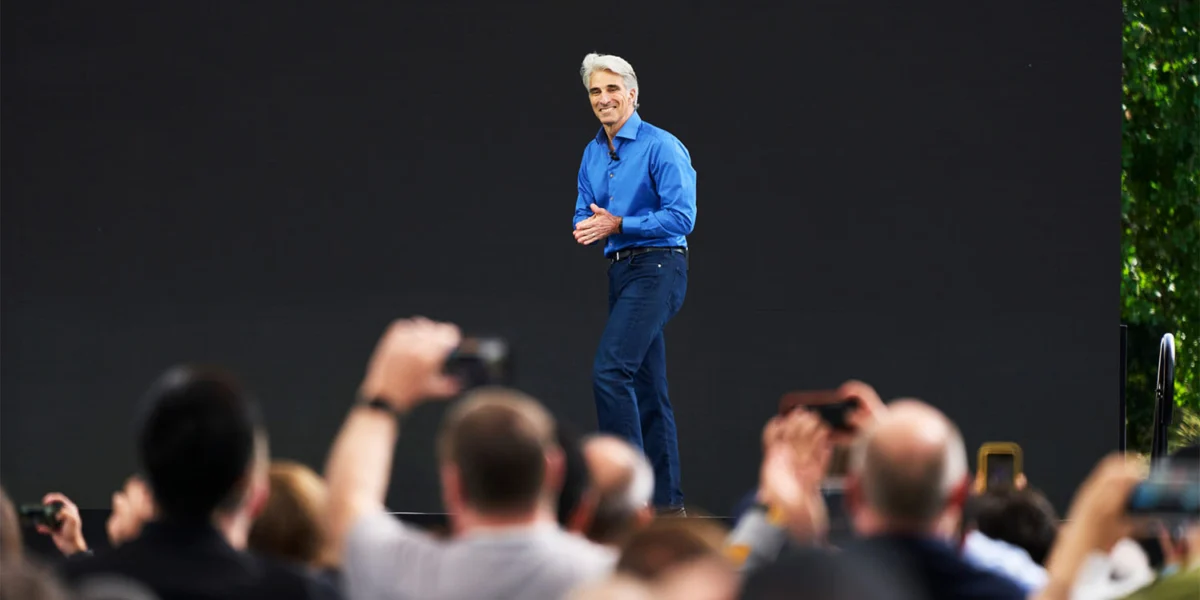
Now, internal pressures at the Cupertino-based giant have reached a critical juncture. According to recent reporting by Bloomberg’s Mark Gurman, newly appointed Apple Chief Executive Officer John Ternus has intervened directly in the company’s software strategy. Ternus reportedly held a high-stakes, closed-door meeting with longtime Software Engineering Senior Vice President Craig Federighi, demanding an immediate acceleration of Apple’s overarching software and artificial intelligence roadmaps. This high-level friction illuminates mounting executive tensions over how swiftly Apple can—and must—adapt to an AI-first paradigm.
The Growing Urgency from the Executive Suite
At the core of the friction between Apple’s executive suite and its software leadership is a fundamental divergence in philosophy regarding speed versus meticulous refinement. For decades, Apple’s defining characteristic has been its deliberate, measured approach to new technologies. The company has historically preferred to enter markets late, refining existing concepts until they meet stringent standards of user experience and hardware integration. However, the generative AI boom has fundamentally broken the traditional rules of consumer technology adoption.
In the wake of last year’s dismissal of Apple’s former AI leader—which left Federighi formally acting as the company’s de facto AI czar—CEO John Ternus has made it clear that the current pace of innovation is insufficient. Ternus is reportedly frustrated by what he perceives as a lingering organizational reluctance to embrace artificial intelligence with the aggressive urgency demonstrated by industry rivals. During their recent private summit, Ternus pressed Federighi to move decisively beyond incremental updates to Siri, urging the software division to conceptualize transformative, agentic AI capabilities that can rival or surpass emerging third-party platforms.
Despite these sharp directives, current indications suggest that Craig Federighi’s immediate position at Apple remains secure. Insiders note that Federighi has historically prioritized operational continuity over establishing a formal succession plan, cementing his status as one of the most powerful and entrenched executives in the consumer electronics industry. Nevertheless, the directive from Ternus signals that even the most established leaders must conform to the new operational imperatives dictated by the generative AI era.
A Hands-On Management Style Under Scrutiny
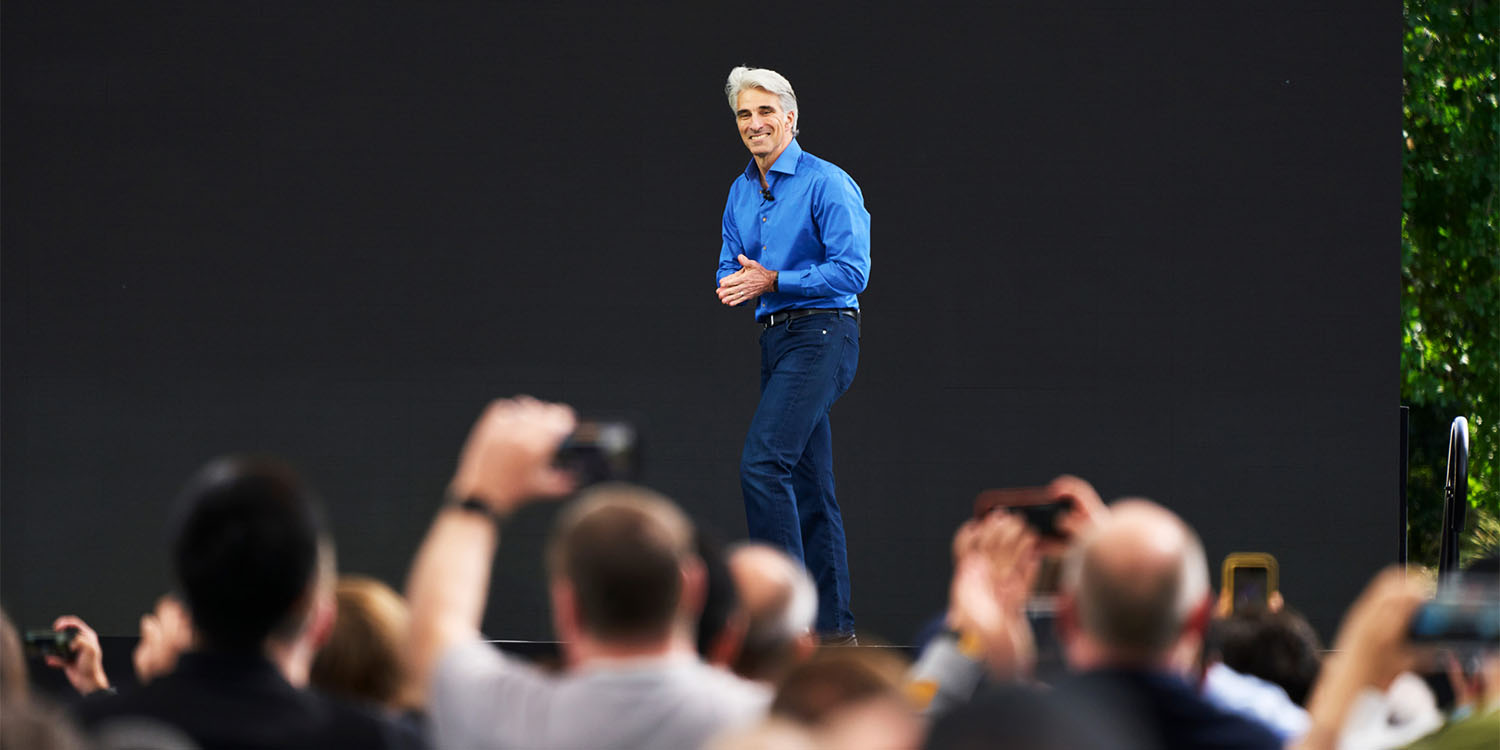
The pressure from the executive suite also brings longstanding internal criticisms of Federighi’s management style into sharper focus. Known across the industry for his charismatic keynote presentations and meticulous attention to detail, Federighi is equally recognized within Apple for maintaining an intensely hands-on role in day-to-day software development and major architectural decisions.
While this micro-level engagement historically fostered the polish and consistency that define iOS, macOS, and iPadOS, it has increasingly become a bottleneck in the fast-moving AI sector. According to internal sources speaking to Bloomberg, Federighi’s dominant presence in product meetings can leave surprisingly little room for competing concepts to gain structural traction. Furthermore, Federighi possesses an exceptional command of technical minutiae, utilizing his formidable debating skills to vigorously challenge and push back against engineering proposals that do not align with his vision.
This rigorous, highly centralized approach has fostered moments of frustration among members of Apple’s software engineering and design teams. Several employees have expressed concerns that they possess limited autonomous influence over the long-term trajectory of flagship products. Compounding this structural challenge is a temporal mismatch: while hardware engineering organizations operate on predictable, multi-year product horizons, Federighi’s software planning cycles have traditionally focused tightly on 12-to-18-month windows. Bridging this strategic gap is widely considered essential if Apple hopes to successfully orchestrate large-scale, foundational AI architectures.
Leadership Turbulence: Mike Rockwell Contemplates Departure
The friction within Apple’s software organization is not isolated to the office of the software chief. Additional executive volatility threatens to complicate the company’s technological transition. Mike Rockwell, a pivotal figure within Apple’s executive ranks who spearheaded the development of the groundbreaking Vision Pro mixed-reality headset and subsequently assumed leadership over Siri AI development, is reportedly seriously considering stepping down from his post.
Rockwell’s potential departure—whether resigning from his role as Vice President of Siri Engineering or leaving the corporation entirely next year—would represent a significant strategic blow to Apple. Rockwell was instrumental in engineering the revitalization of Siri following a heavily publicized, multi-year delay that frustrated consumers and investors alike. Losing an executive of his technical pedigree during a period of critical transformation would undoubtedly strain Apple’s ongoing efforts to overhaul its voice assistant into a sophisticated, context-aware AI agent.
The Broader AI Strategy and Organizational Adaptation
In tandem with these executive pressures, Apple is actively experimenting with innovative development pipelines designed to accelerate coding output and product delivery. Recognizing the transformative potential of advanced coding agents, Apple has reportedly begun restructuring its engineering workflows to grant software developers up to 50 percent more dedicated time for coding and exploratory research. By reducing the administrative and procedural overhead traditionally required for manual integration, the company hopes to foster an environment where rapid experimentation can flourish.

This structural pivot aligns with broader industry trends toward agentic AI systems—software architectures capable of autonomously executing complex multi-step workflows on behalf of the user. Reports indicate that Apple is aggressively exploring the implementation of advanced, ChatGPT-style dot-like agents for future iterations of iOS, tentatively mapped for release later in the decade. These next-generation tools aim to transition Siri from a simple reactive query responder into a proactive digital assistant capable of managing sophisticated tasks across applications.
Industry Analysis and Future Implications
The unfolding developments at Apple underscore a profound historical irony: the very operational discipline and meticulous quality control that propelled the company to a multi-trillion-dollar valuation now threaten to impede its agility in the artificial intelligence era.
For decades, Apple’s closed ecosystem and deliberate product rollouts shielded the company from competitive disruption. However, artificial intelligence does not operate on traditional hardware development timelines. It is a data-driven, hyper-competitive domain where velocity, continuous learning loops, and algorithmic iteration dictate market leadership.
The intervention of CEO John Ternus marks a pivotal psychological and strategic turning point for Apple. By challenging Craig Federighi to abandon incrementalism in favor of radical acceleration, Ternus is signaling to Wall Street, consumers, and internal stakeholders alike that the status quo is no longer tenable.
Whether this top-down pressure will succeed depends heavily on Apple’s ability to decentralize its engineering culture. For Federighi, this may require loosening his firm grip on the software organization, empowering secondary leaders to take ownership of nascent technologies, and fostering an institutional culture that embraces calculated risk over absolute perfection. As Apple navigates this high-stakes transition, the coming months will determine whether the Silicon Valley pioneer can successfully reinvent its internal machinery to lead the next generation of intelligent computing.