The dawn of 2026 ushered in a new personal initiative for Stephen Casimiro, founder and editor of Adventure Journal, as he embarked on a year dedicated to embracing challenges. This endeavor, initially envisioned as a series of ambitious monthly feats, was recalibrated to align with the practicalities of daily life, ultimately focusing on a singular, overarching objective: spending at least 100 nights sleeping outdoors. This decision reflects a broader trend of individuals seeking meaningful personal growth and connection with the natural world amidst the complexities of modern living.
Casimiro’s reflection, published in the current issue of Adventure Journal, details the genesis of his "Year of Doing Hard Things." The concept began with an expansive list of formidable undertakings, ranging from strenuous physical activities to explorations of the unknown and avenues for personal development. However, the pragmatic realities of existing professional and personal commitments necessitated a more focused approach. The initial, more ambitious plan, while intellectually stimulating, proved unfeasible for someone not operating as a professional athlete with unlimited time and resources. This realization, according to Casimiro, served as a valuable exercise in prioritizing true desires.
The Evolution of a Personal Challenge
The initial brainstorming phase for the "Year of Doing Hard Things" involved identifying a diverse array of challenging activities. While the specific items on Casimiro’s original, truncated list were not fully enumerated in the provided text, the overarching themes suggested a desire for significant personal growth and engagement with the outdoors. The process of creating this list, he notes, generated considerable enthusiasm. However, the subsequent step of cross-referencing these ambitions with his existing schedule revealed the significant constraints imposed by prior commitments.
"Although I count many professional athletes as friends, I am not one myself, and I don’t have the portfolio, time, or resources to turn my life over to full-time adventure-seeking," Casimiro explained. "My adventures—and my hard things—have to fit within the context of my relationships and prior commitments, the same as yours." This candid assessment highlights a common dilemma faced by many individuals striving to balance personal aspirations with the demands of contemporary life, including careers, family responsibilities, and social obligations.
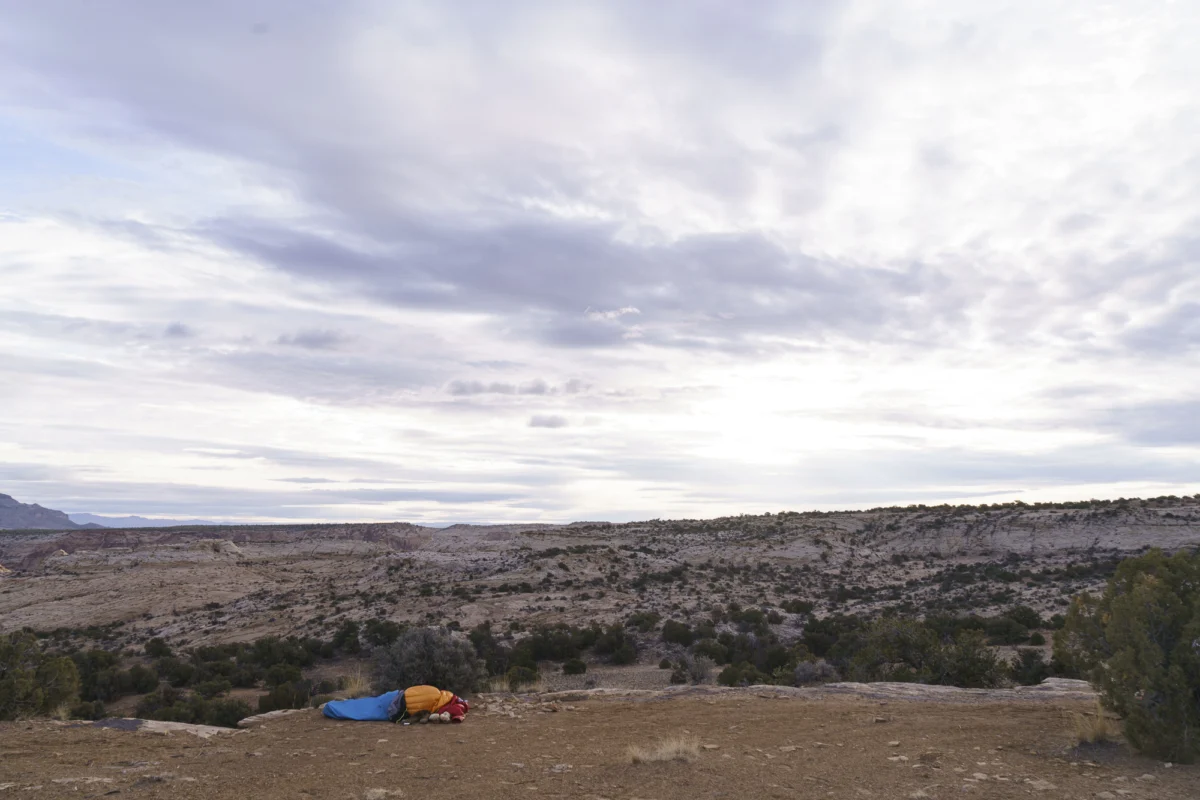
The reevaluation process, however, proved instrumental in clarifying Casimiro’s deepest motivations. While acknowledging a desire for hard physical effort, exploration, and personal growth, he identified a more fundamental longing: "mostly, I want more time outside, connecting with and learning more about nature." This distillation of his aspirations led to the selection of sleeping outside for at least 100 nights as his primary challenge for 2026.
The Significance of the 100-Night Outdoor Challenge
While some outdoor enthusiasts might consider sleeping outdoors a regular occurrence, Casimiro posits that the commitment to 100 nights represents a significant undertaking that will demand sustained dedication and focus throughout the year. This goal is not intended to be solely about enduring hardship but also about enriching the experience of being outdoors. The challenge is designed to be adaptable, incorporating opportunities for new explorations, summit ascents, and environmental stewardship, such as participating in trash cleanup efforts.
"My wife points out this is more fun than hard, and I agree," Casimiro shared. "Some of you probably do this every year. But my thinking is that 100 nights will be a stretch. It will require commitment and focus all year long. It can and will include seeing new places and climbing peaks and picking up trash. And it doesn’t preclude me from embracing my initial list; indeed, in the last month I’ve gone on hikes with two new friends." This perspective underscores the idea that personal challenges can be both rewarding and enjoyable, fostering a positive relationship with difficulty.
Overcoming Inertia: The True Hardship
Casimiro identifies the most significant hurdle in undertaking any challenging endeavor not as the act of perseverance when faced with difficulty, but rather the initial act of overcoming inertia and simply beginning. This sentiment resonates with psychological research on motivation and habit formation, which often points to the initial stages of commitment as the most demanding. The "activation energy" required to start a new behavior or pursue a difficult goal can be substantial.
His hope in sharing his journey and progress throughout 2026 is to inspire others to engage in a similar process of self-reflection. By examining their own "truest goals, dreams, desires," Casimiro aims to encourage a commitment to what is most important in their lives. This philosophy is rooted in a profound appreciation for the finite nature of life and the imperative to make the most of the present.
"The hardest thing, I believe, is not whether you push on when you feel like quitting. It’s overcoming inertia and starting in the first place," Casimiro articulated. "My hope in writing about hard things, and in talking about my progress as the year unfolds, is that it will encourage you to consider your truest goals, dreams, desires, and to commit yourself to what’s most important. As far as I know, we only get one go-round, at least in these bodies, and there’s no time like now to make the most of it. So let’s go do our hard things."
Broader Implications and the Appeal of Analog Experiences
Casimiro’s initiative, while deeply personal, taps into a broader cultural conversation about the value of tangible experiences and intentional living in an increasingly digital and fast-paced world. The accompanying advertisement for Adventure Journal’s print subscription, with the tagline "GIVE YOURSELF THE GIFT OF ANALOG," further reinforces this theme. In an era dominated by screens and virtual interactions, the appeal of analog experiences—whether it be reading a physical magazine, sleeping under the stars, or engaging in any challenging, real-world pursuit—offers a powerful counterpoint.
The act of choosing a "hard thing" and committing to it can serve multiple purposes:
- Personal Growth: Pushing boundaries fosters resilience, develops problem-solving skills, and builds self-confidence.
- Connection with Nature: Direct engagement with the natural environment can improve mental well-being, reduce stress, and cultivate environmental awareness.
- Mindfulness and Presence: Challenging activities often require focused attention, encouraging participants to be more present in the moment and less distracted by everyday concerns.
- Re-evaluation of Priorities: The process of defining and pursuing a personal challenge can lead to a clearer understanding of what truly matters in life, prompting adjustments to habits and commitments.
The Adventure Journal’s emphasis on analog experiences and Casimiro’s personal "Year of Doing Hard Things" suggest a growing recognition of the need for intentional engagement with the physical world and a deliberate cultivation of personal challenges that contribute to a richer, more fulfilling life. As individuals navigate the complexities of the 21st century, the pursuit of "hard things" – redefined and personalized – offers a potent pathway to meaning and self-discovery. The year 2026, for Casimiro and potentially for his readers, is an invitation to embrace difficulty not as an obstacle, but as a fundamental component of a life well-lived.