The sprawling, intricate universe of Grand Theft Auto has long been a fertile ground for the creativity and ingenuity of its dedicated modding community. However, a recent development by a modder known as Dryxio has pushed the boundaries of what was previously thought possible, uniting three of the franchise’s most iconic titles—Grand Theft Auto III, Grand Theft Auto: Vice City, and Grand Theft Auto: San Andreas—into a singular, interconnected multiverse. This unprecedented achievement allows players to traverse between the distinct worlds of Liberty City, Vice City, and San Andreas through fully functional, real-time portals that act as seamless windows into adjacent realities, fundamentally transforming the player experience and offering a tantalizing glimpse into the future of open-world game design.
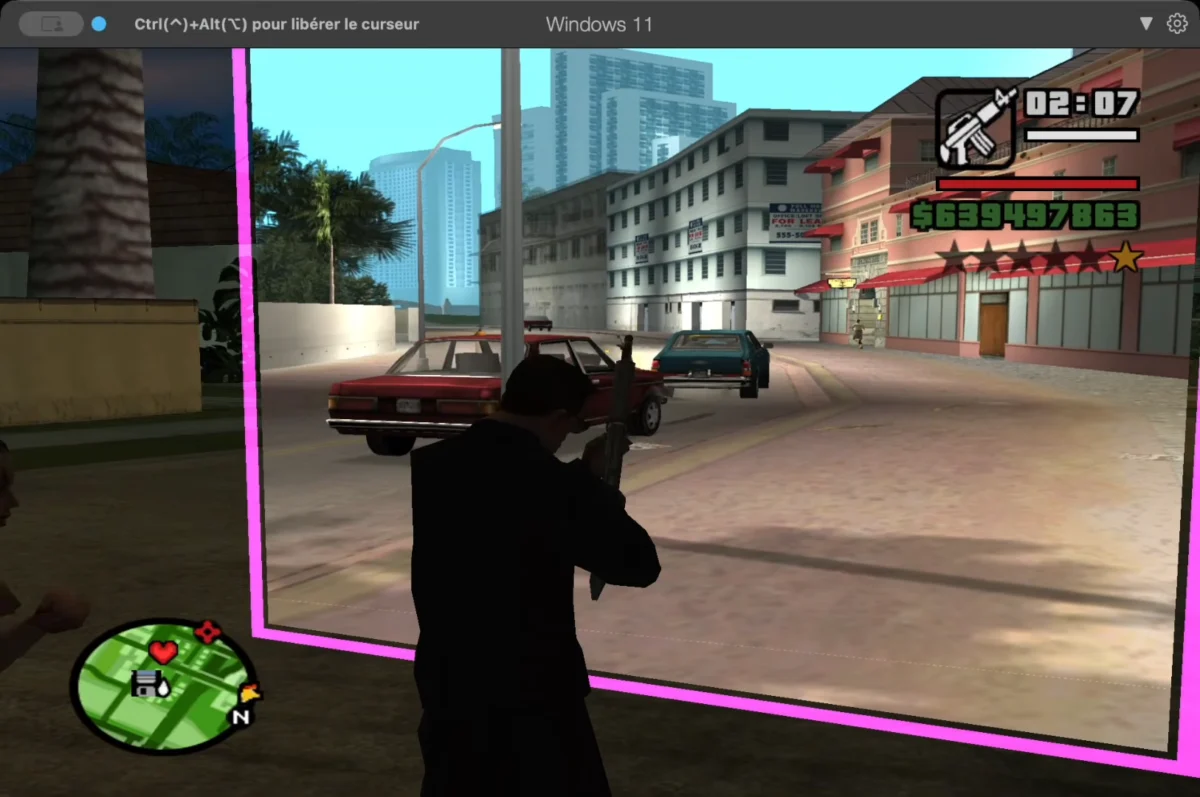
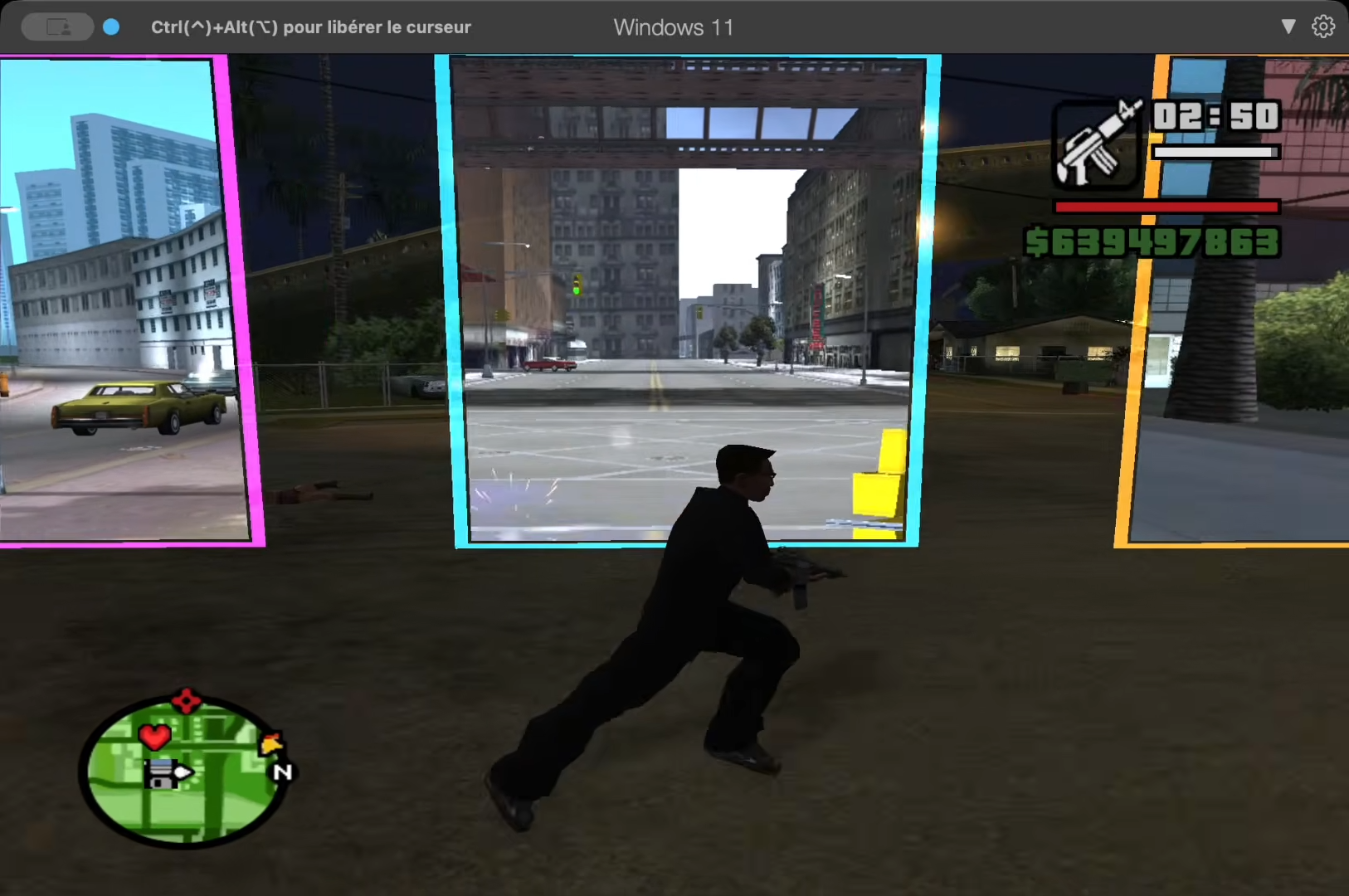
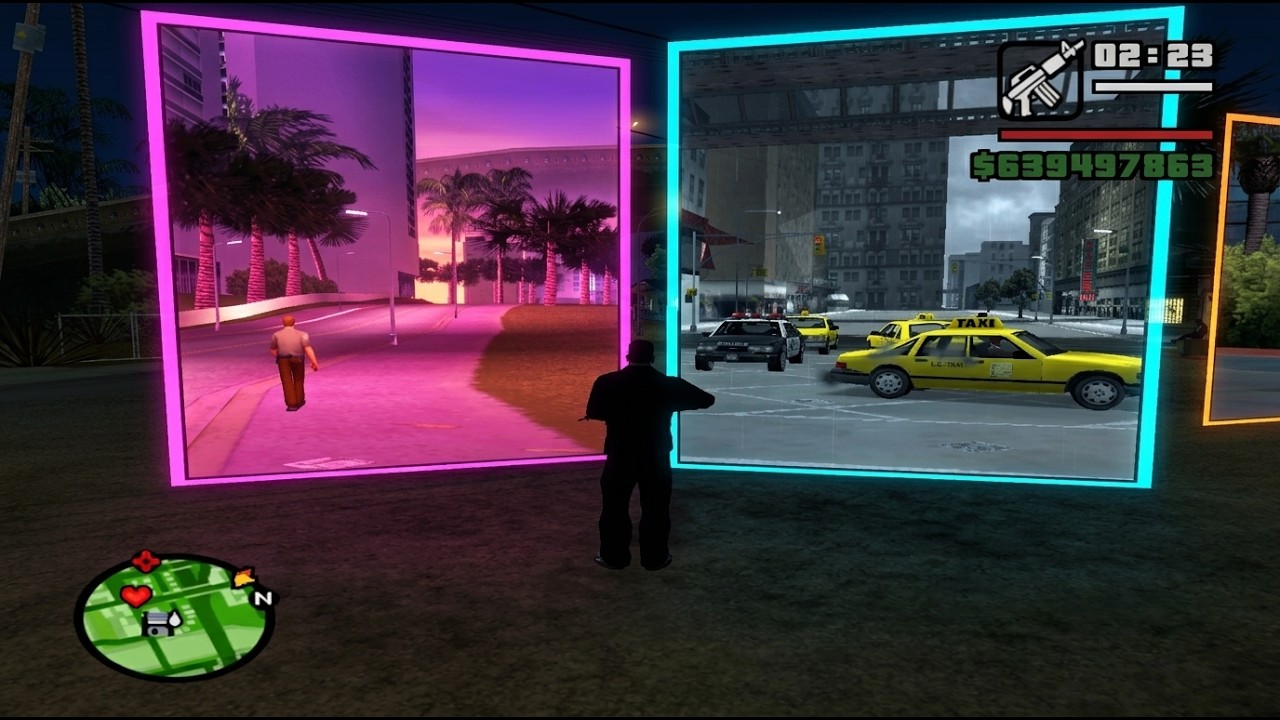
The core of Dryxio’s innovation lies in its ability to run all three games simultaneously within a single process, sharing a unified Direct3D device. This sophisticated technical feat enables the creation of portals that are not mere loading screens or cutscenes, but live GPU textures reflecting the active state of another game world. When a player approaches and steps through one of these ethereal pink gateways, the transition is instantaneous and fluid, devoid of any discernible loading times. The game seamlessly switches its active engine to the destination title, while the previous game continues to run in the background, maintaining its state, AI, and environmental dynamics. This continuous operation ensures that the worlds truly feel alive and interconnected, rather than merely linked by static transitions.
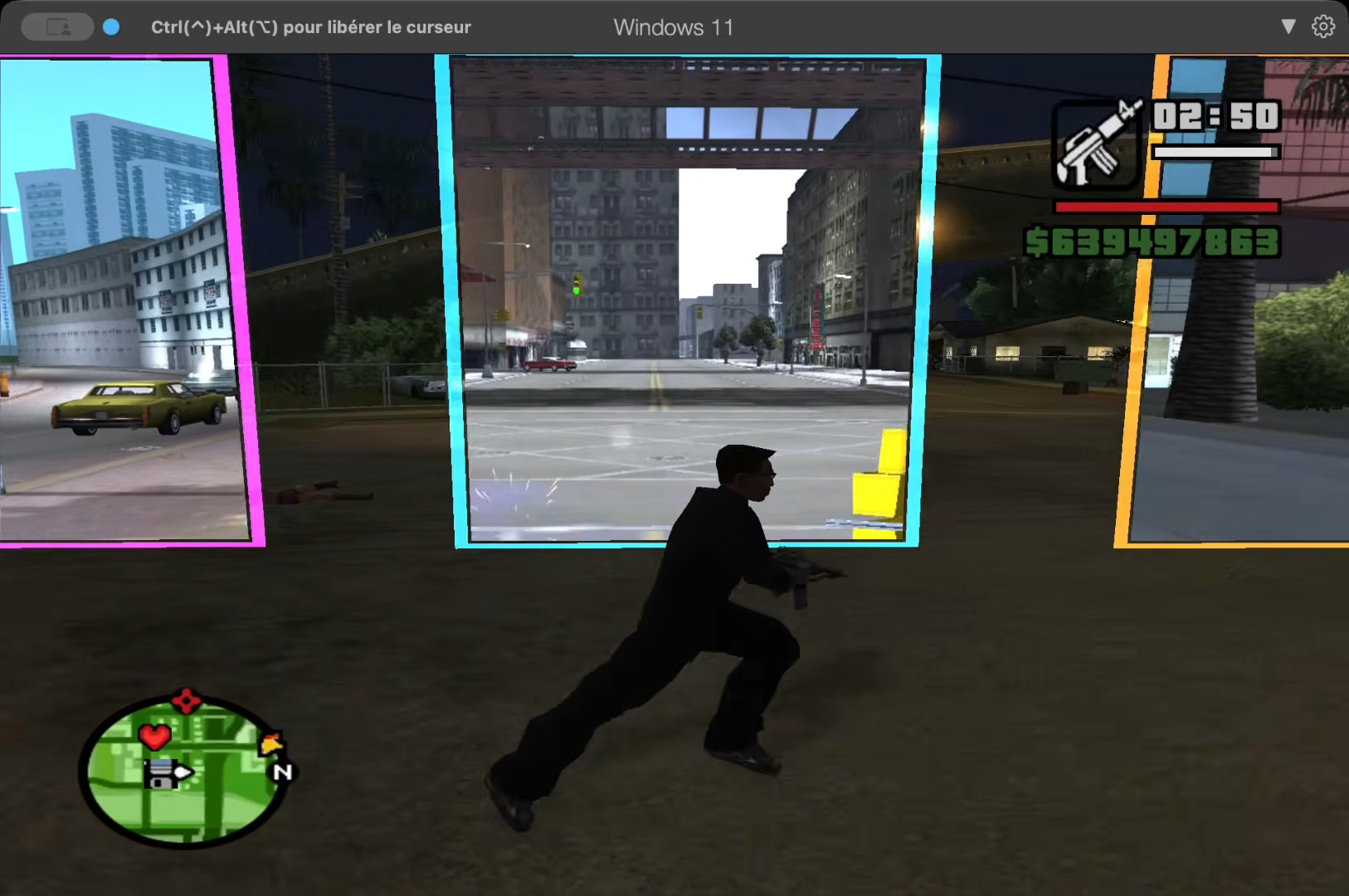
A demonstration video released by Dryxio vividly illustrates the mod’s incredible capabilities. It opens with the protagonist CJ in Grove Street, San Andreas, engaging in combat with non-player characters (NPCs) located in a different area of the same game. The player then approaches a luminous pink portal, and, remarkably, can fire into the portal, affecting NPCs in the Vice City world on the other side. Stepping through, CJ is seamlessly transformed into Tommy Vercetti, the protagonist of Vice City, now free to explore the vibrant, neon-soaked streets of the 1980s. After causing a controlled amount of chaos, the player can return through the portal, re-emerging in San Andreas as CJ, only to then venture into a third portal leading to the gritty, early 2000s urban landscape of Liberty City from GTA III, repeating the cycle of exploration and interaction. The ability to shoot into another game world and observe its real-time reaction before even entering is a particularly striking feature, highlighting the depth of the interaction enabled by this mod. Furthermore, the mod empowers players to dynamically place these portals anywhere within any of the three game worlds, offering an unparalleled level of customization and creative freedom.
The technical underpinnings of this mod are as ambitious as its conceptual design. The explanation provided by the modder reveals that the simultaneous execution of GTA III, Vice City, and San Andreas is made possible by sharing a single Direct3D device, the API responsible for rendering graphics on Windows platforms. Crucially, the portals themselves are rendered as live GPU textures, meaning they are continuously displaying the real-time output of another game instance. This is a significant departure from common modding techniques that might use pre-rendered videos or static images to simulate a portal effect. The transition between games is achieved through an "engine swap," a highly complex process where the active rendering and gameplay logic seamlessly shifts from one game’s engine to another without interruption.
This level of integration is largely facilitated by the diligent work of the community’s reverse-engineering projects. Specifically, Dryxio modified re3 and reVC, which are open-source projects that have meticulously decompiled the original source code of Grand Theft Auto III and Grand Theft Auto: Vice City into clean, readable C++ code. For Grand Theft Auto: San Andreas, the plugin-sdk was utilized to interface with its engine. A key challenge in combining these games stems from their original use of the proprietary RenderWare engine. RenderWare, while revolutionary for its time, was not designed to render multiple disparate spatial scenes simultaneously within a single process. To circumvent this limitation, Dryxio leveraged librw, an open-source reimplementation of the RenderWare engine. By compiling all three games using librw into a single, unified process, the modder effectively overcame the architectural barriers of the original engine, enabling the unprecedented cross-game functionality. Each game within this multiversal setup retains its full native functionality, including its distinct artificial intelligence behaviors, traffic patterns, physics simulations, save game systems, unique missions, and individual settings, ensuring an authentic experience for each title. The absence of loading screens during portal transitions is a testament to the efficiency and sophistication of this integrated system.
The Grand Theft Auto franchise’s rich history of modding began almost as soon as its PC versions were released, with players eagerly diving into the game files to tweak textures, introduce new vehicles, create custom missions, and even develop elaborate total conversions. From the early days of Grand Theft Auto III in 2001, followed by Vice City in 2002 and San Andreas in 2004, the PC platform became a playground for digital architects. Mods like ‘Hot Coffee’ for San Andreas sparked controversy, while others like ‘San Andreas Multiplayer’ (SA-MP) and ‘Multi Theft Auto’ (MTA) laid the groundwork for large-scale online multiplayer experiences long before Rockstar officially introduced Grand Theft Auto Online. These community efforts have consistently pushed the envelope, often delivering experiences that rival or even surpass official content in terms of innovation and player engagement. The re3 and reVC projects, which began gaining significant traction around 2017-2018, represented a critical turning point. By providing clean, reverse-engineered source code, they opened up unprecedented possibilities for deep-level modifications and bug fixes that were previously impossible with binary patching alone. Dryxio’s multiversal mod stands as a monumental achievement in this storied timeline, arguably the most technically complex and ambitious single-player mod ever conceived for the series.
This mod also arrives in the wake of the highly anticipated, yet largely criticized, Grand Theft Auto: The Trilogy – The Definitive Edition, released by Rockstar Games in late 2021. The official remaster package, developed by Grove Street Games, was plagued by numerous technical issues, graphical glitches, and a perceived lack of polish, leading to widespread disappointment among fans and critics alike. Many players felt that the Definitive Edition failed to adequately update the beloved classics, with some even preferring the original PC versions with community-made graphical enhancements. In this context, Dryxio’s mod serves as a powerful testament to the passion and technical prowess residing within the modding community, often outshining official efforts in delivering truly innovative and high-quality experiences for these classic titles. It underscores the immense potential of open-source development and reverse-engineering initiatives when applied to legacy games.
The broader implications of Dryxio’s multiversal mod extend beyond the Grand Theft Auto franchise. Technically, it demonstrates a novel approach to game engine integration and real-time rendering across distinct game worlds. The concept of "live GPU textures" as portals could inspire new mechanics in future game development, offering seamless transitions and persistent world states that enhance immersion. Creatively, the mod unlocks unprecedented gameplay possibilities. Imagine missions that span across all three cities, where objectives started in Liberty City could conclude in San Andreas, or where characters from one era could interact with those from another. This fusion could lead to entirely new forms of storytelling and emergent gameplay scenarios that were previously unimaginable within the confines of single-game environments. The mod exemplifies how community-driven innovation can challenge conventional game design paradigms and push the boundaries of interactive entertainment.
However, the groundbreaking nature of this mod is invariably accompanied by significant legal considerations. The "elephant in the room," as the original article subtly puts it, is the potential for copyright infringement claims from Rockstar Games and its parent company, Take-Two Interactive. Historically, Take-Two has maintained a stringent stance on intellectual property, particularly concerning mods that directly utilize or alter their copyrighted game assets. While Rockstar has generally tolerated single-player cosmetic or gameplay-altering mods, especially for older titles, projects that delve into the core engine or combine multiple games can attract closer scrutiny. The re3 and reVC projects themselves faced initial legal challenges from Take-Two, resulting in takedowns, though they were later allowed to continue after a period of legal wrangling, particularly following the negative reception of the Definitive Edition.
Dryxio’s mod, by integrating three distinct copyrighted titles and their assets into a single executable, arguably represents a complex derivative work. The use of reverse-engineered code, even for projects like re3 and reVC which aim for compatibility and preservation, exists in a legal grey area. While the modder’s intent is clearly to enhance and celebrate the original games, and not for commercial gain, Take-Two’s legal department might view it as an unauthorized alteration and distribution of their intellectual property. The term "vibe-coding" used by the modder, while humorous, underscores the passionate, experimental nature of such projects, often undertaken without explicit legal clearance.
As of now, the mod is not publicly available, and the community eagerly awaits its potential release. The anticipation highlights the immense demand for innovative fan-made content, especially when official releases fall short. Should it become available, it would undoubtedly set a new benchmark for what is achievable in game modding. The technical brilliance demonstrated by Dryxio is not just a testament to human ingenuity but also a powerful statement about the untapped potential within existing game architectures and the creative power of a dedicated community. While the shadow of potential legal action looms, for now, this multiversal Grand Theft Auto mod stands as a beacon of what dedicated modders can accomplish, challenging both technical limitations and commercial expectations within the gaming industry. Its existence alone serves as a compelling case study for the interplay between proprietary software, open-source initiatives, and the boundless creativity of players.