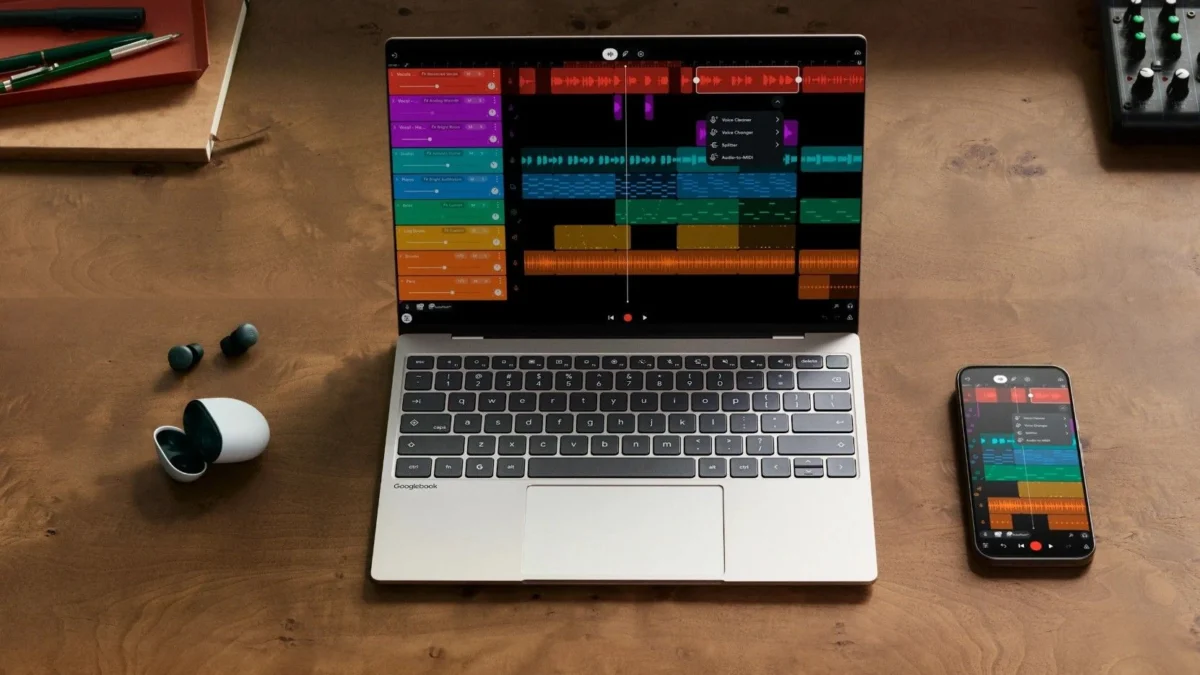
Google has officially entered a new era of personal computing with the launch of the Googlebook, a premium lineup of laptops designed to bridge the gap between Android mobile ecosystems and high-performance desktop environments. Announced on September 21, pre-orders for the inaugural collection of devices are now live across major retailers, including the Google Store and Best Buy, with prices starting at $899. Built in collaboration with industry heavyweights Acer, ASUS, Dell, HP, and Lenovo, this initial release represents Google’s most serious and cohesive attempt yet to establish a dominant foothold in the premium laptop market.
The rollout marks a significant strategic pivot for Google. While previous hardware efforts often experimented with bifurcated operating systems or niche software layers, the new Googlebook line is built from the ground up to integrate deeply with Android. By uniting high-end hardware manufacturing from traditional PC vendors with Google’s proprietary software and artificial intelligence framework, the company aims to deliver a seamless user experience that challenges entrenched competitors in the productivity and consumer tech sectors.
Design, Hardware Specifications, and Craftsmanship
The initial wave of Googlebooks showcases a diverse design language tailored by each participating manufacturer. Ranging from custom-engineered keyboards to cinematic audio configurations, the laptops utilize premium materials such as aluminum, magnesium alloy, and carbon fiber. This construction yields chassis that are exceptionally light, sleek, and durable, designed to compete directly with elite ultraportable machines on the market.
Beneath the exterior, the hardware specifications are robust. The devices feature high-resolution touchscreens scaling up to 2.8K OLED displays, offering vibrant color accuracy and deep contrast levels. For navigation and input, manufacturers have integrated responsive haptic glass trackpads alongside backlit keyboards. Energy efficiency is a primary focus, with the laptops delivering up to 14 hours of battery life on a single charge, supported by advanced thermal management systems.
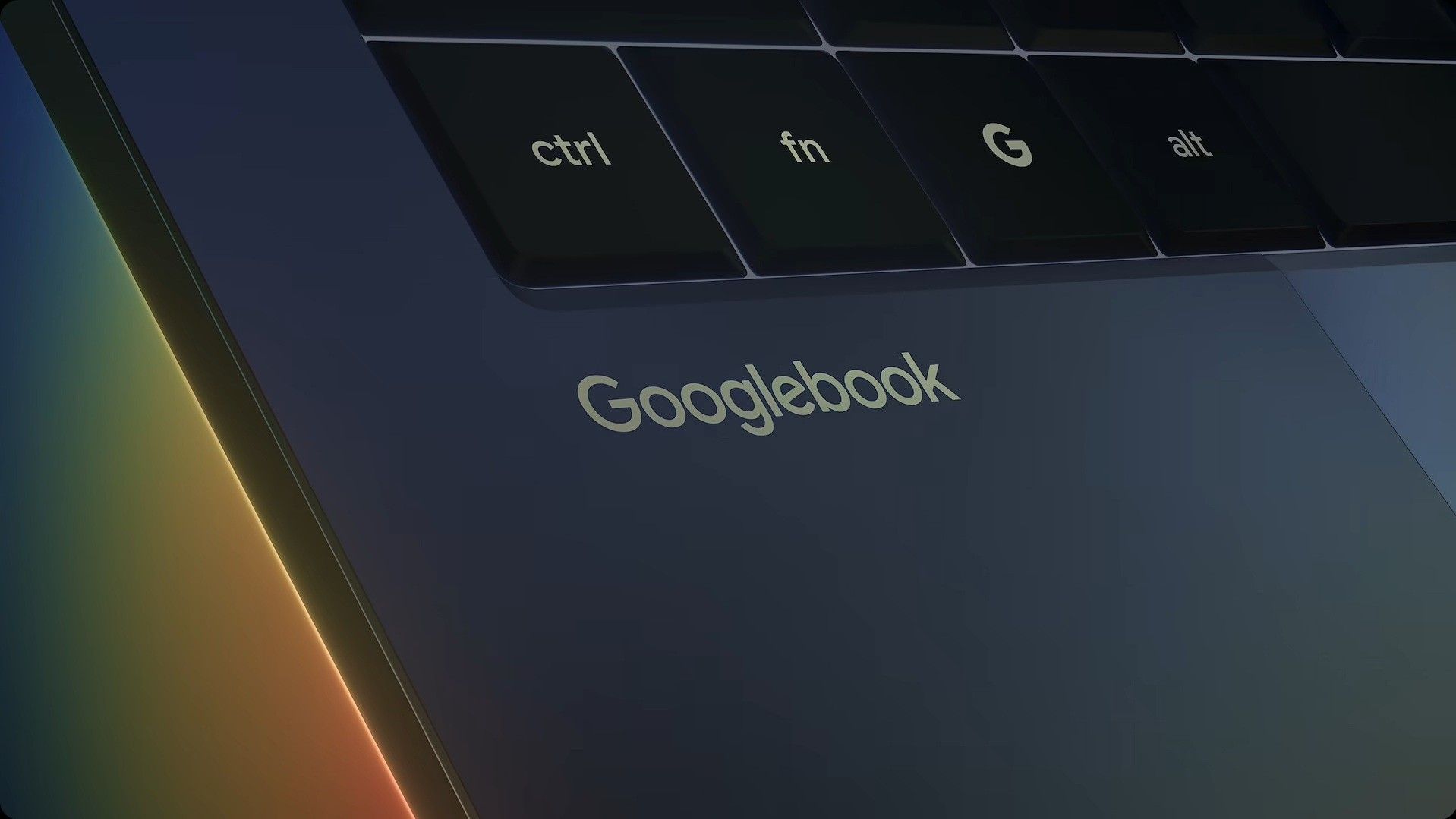
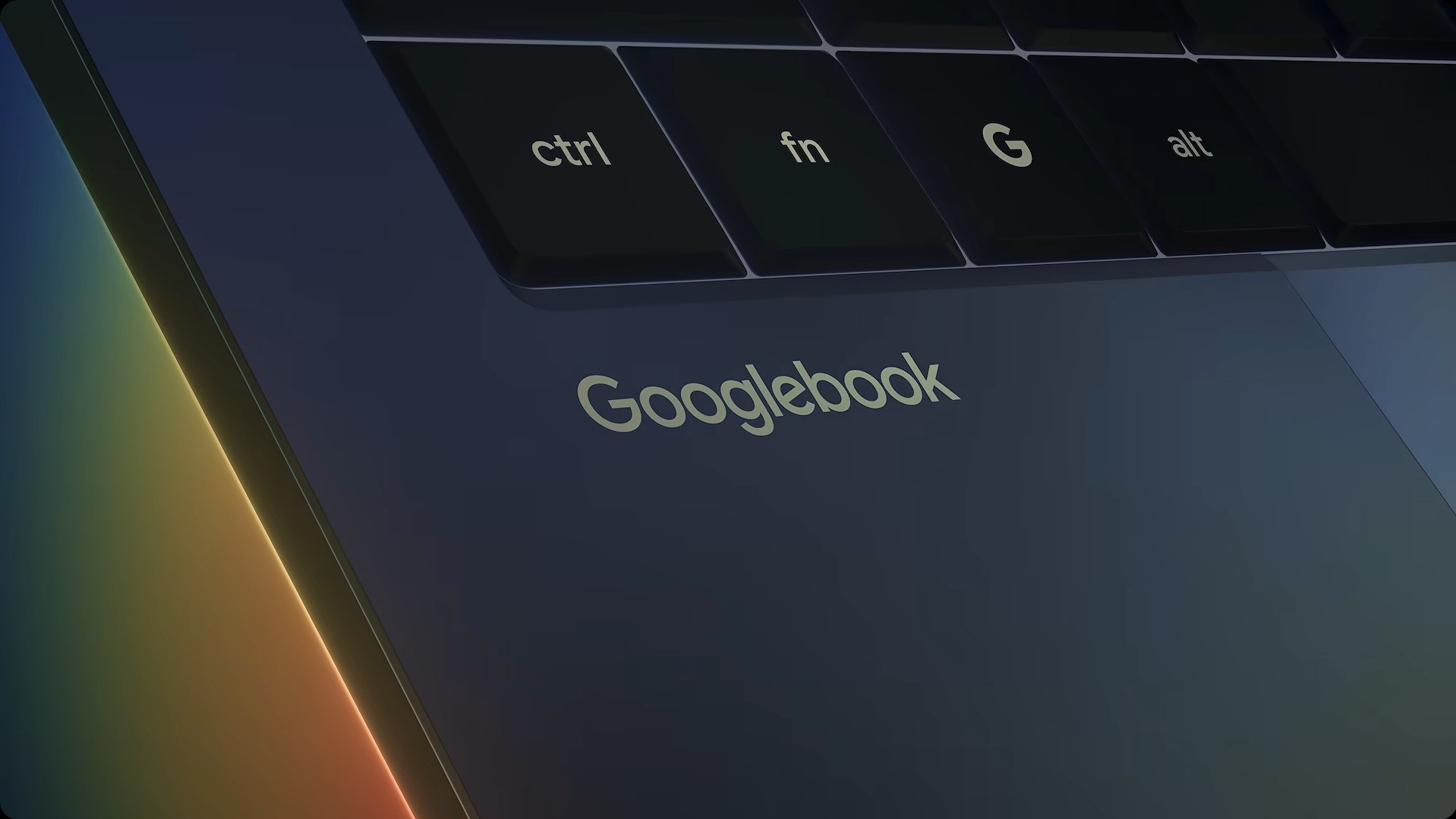
A standout aesthetic and functional throwback returning in this lineup is the Glowbar. Originally conceptualized in earlier Google hardware iterations, the illuminated strip lights up upon system startup, provides real-time visual updates regarding battery percentage, and displays dynamic animations when interacting with Gemini, Google’s onboard artificial intelligence assistant.
Under the hood, the performance engine driving these machines is Qualcomm’s Snapdragon X Elite processor. Featuring a 12-core Oryon CPU architecture capable of clocking speeds up to 4GHz, the processor endows the Googlebook with substantial computational power capable of handling intensive multitasking, creative workloads, and machine-learning operations locally on the device.
Android Integration and Ecosystem Synergy
Google’s software strategy for the Googlebook centers on absolute continuity between mobile and desktop environments. The laptops are engineered to bring the comprehensive functionality of Android—including access to the Google Play Store—directly to a larger form factor.
Upon initial sign-in, the user profile migrates seamlessly. Settings, saved Wi-Fi networks, credentials, and message histories synchronize automatically, allowing users to pick up active projects or travel itineraries without friction. Cross-device synergy is further reinforced through app casting, a feature that lets users mirror and interact with active mobile applications directly on the laptop screen. Furthermore, a centralized Files app enables direct navigation, searching, and management of files and media stored locally on a connected Android smartphone.
Software compatibility extends beyond standard productivity tools. Major creative applications, such as Adobe Photoshop and Lightroom, are fully optimized for the platform. Entertainment and gaming capabilities are similarly robust, supported by native Play Store integration and a complimentary one-year subscription to NVIDIA GeForce NOW included with every Googlebook purchase, enabling access to AAA gaming titles via cloud streaming.
Gemini AI Integration and Advanced Features
Artificial intelligence is woven deeply into the fabric of the Googlebook operating system, spearheaded by Gemini. Among the prominent AI capabilities introduced is the "Magic Pointer" utility, first previewed at Google I/O. By performing a distinct wiggling motion with the cursor, users can summon Gemini contextually relative to whatever content is currently displayed on their screen, allowing for immediate contextual assistance, summarization, or task execution.
Additional productivity enhancements include features ported from the broader Google hardware ecosystem, such as "Rambler," an advanced text-refinement tool designed to automatically edit out conversational filler words from transcribed dictation. Users can also utilize "Create My Widget," an AI-driven tool that dynamically generates custom desktop widgets tailored to display specific, user-defined metrics and information feeds.
Launch Timeline, Pricing, and Regional Availability
Following the commencement of pre-orders on September 21, the physical release schedule varies by region. Official retail shelf availability in the United States is slated for October 4. International markets will follow closely behind, with launches in Canada, the United Kingdom, Ireland, France, Germany, and Australia scheduled for October 5.
To incentivize early adoption, Google has bundled promotional perks with initial purchases, including extended access tiers for Google AI Pro and YouTube Premium. Pricing across the hardware spectrum begins at $899, with higher-tier configurations scaling upward depending on the specific manufacturer, memory allocations, and storage capacities selected by the consumer.
Market Implications and Industry Analysis
The launch of the Googlebook arrives at a pivotal juncture for the personal computer industry, which has increasingly embraced ARM-based architectures and on-device artificial intelligence capabilities. By partnering with established PC original equipment manufacturers (OEMs) rather than relying exclusively on first-party manufacturing, Google has mitigated supply chain risks while ensuring wide distribution across commercial and consumer retail channels.
Industry analysts note that the success of the Googlebook will hinge largely on consumer reception of its deep Android integration and the performance maturity of the Snapdragon X Elite architecture under demanding desktop workflows. If adoption rates meet expectations, the platform could redefine consumer expectations regarding interoperability between mobile operating systems and traditional laptop form factors, establishing a new benchmark for cross-device ecosystem design.