A Pattern of Development and Community Speculation
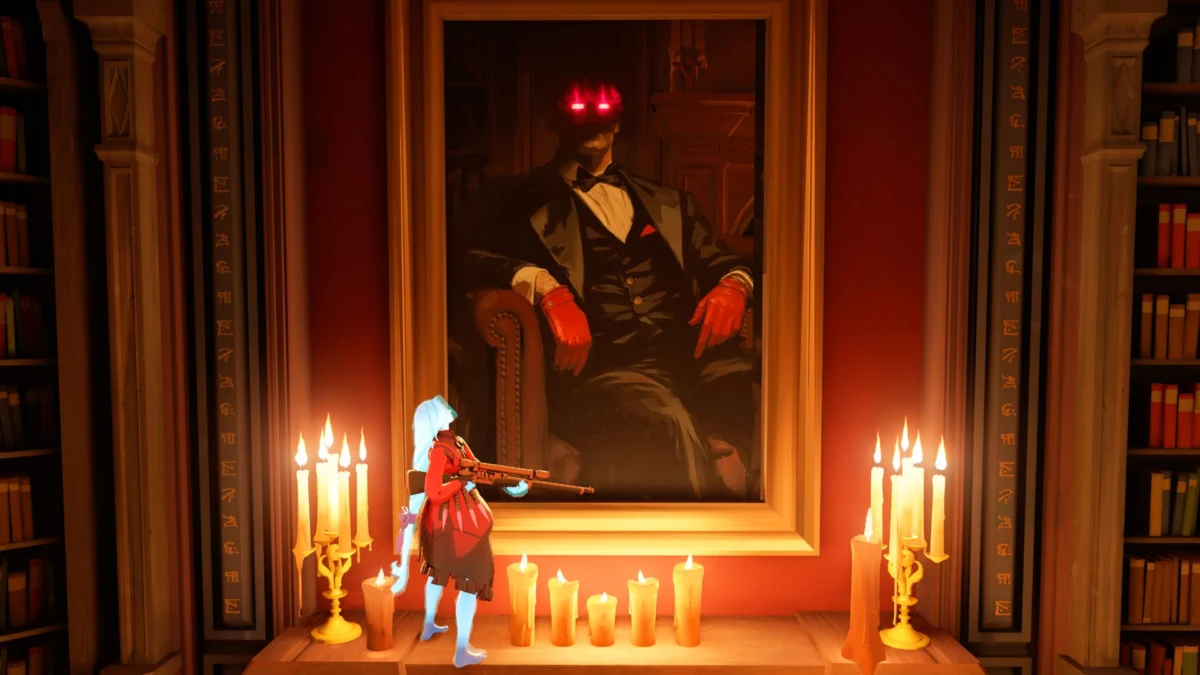
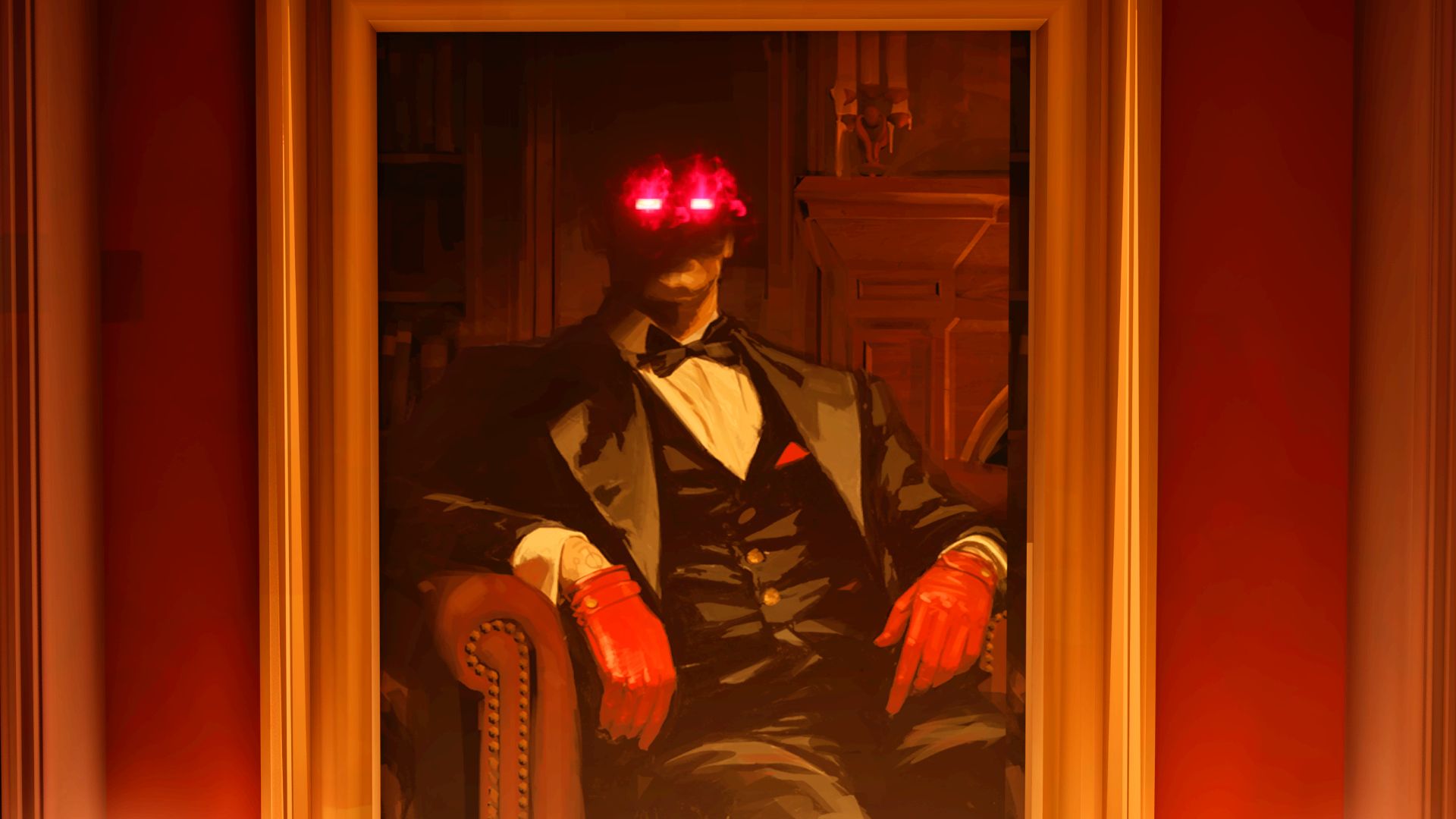
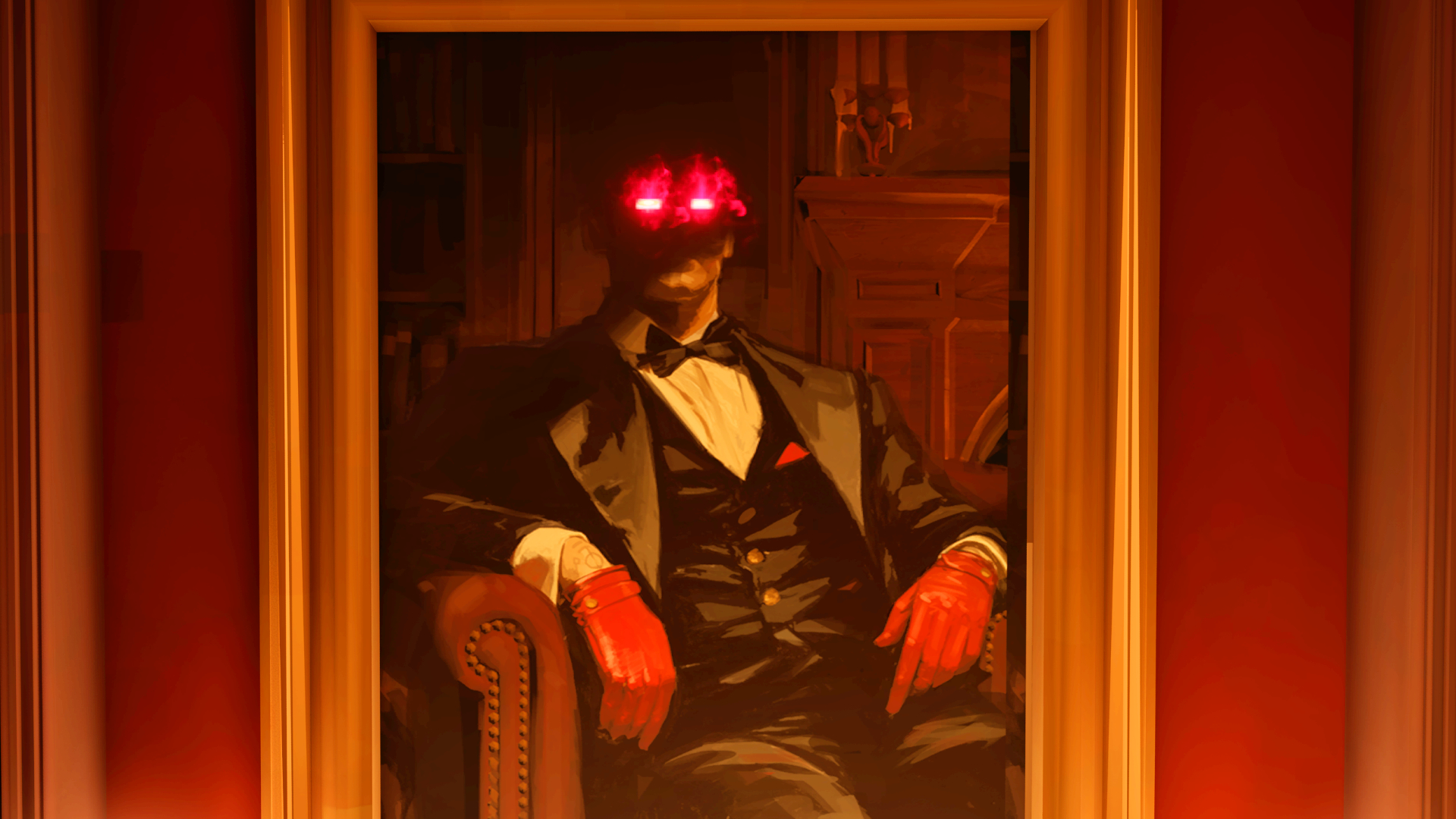
The correlation between the portrait’s luminosity and major game updates is not merely anecdotal. The last instance of this visual phenomenon occurred shortly before the release of the "Old Gods, New Blood" update. That specific patch served as a watershed moment for Deadlock, introducing a suite of six new heroes, a complete overhaul of the game’s patron mechanics, and a brand-new game mode. The scale of that update fundamentally shifted the perception of the game, moving it away from its status as a niche, internal Valve project toward a more polished and expansive competitive offering.
The community’s ability to decode these signals has become a hallmark of the Deadlock player base. Known for their meticulous attention to detail, players have even monitored external indicators, such as anomalous food delivery patterns to Valve’s offices, to predict patch timelines. While these methods are often tongue-in-cheek, they underscore the intense level of engagement from a player base that has grown accustomed to Valve’s unconventional communication strategy. The developer’s penchant for "silent" updates—where the game client evolves significantly without traditional marketing cycles—has turned the main hub into a primary information source.
Official Confirmation and Development Timeline
The speculation surrounding this latest visual update was put to rest by a member of the development team operating under the alias "Yoshi" on the official Deadlock Discord server. In a brief but definitive statement, Yoshi confirmed that the team is planning to release a "major content update" early next week. This confirmation provides a concrete timeline for a community that has spent weeks analyzing minor balance patches and searching for clues in the game’s backend files.
Since the recent overhaul of the game’s ranked matchmaking system and the subsequent launch of its first competitive season, updates have been largely restricted to granular balance adjustments. These small-scale changes, while necessary for meta-stability, have left players hungry for more substantial content. The upcoming patch is expected to address this void, likely introducing new hero rotations or substantial map revisions that have been subject to intense community debate.
Technological and Aesthetic Evolution
Beyond the addition of new characters, the upcoming update is expected to address several lingering aesthetic and structural inconsistencies. Dataminers have already identified evidence of updated models for the game’s defensive structures, known as "towers." These findings align with broader efforts by Valve to unify the game’s 1950s urban fantasy aesthetic. Currently, certain environmental assets still exhibit a "placeholder" quality, which stands in stark contrast to the high-fidelity character designs and complex vertical map architecture.
This iterative approach to development—where assets are consistently swapped for higher-quality versions—is a hallmark of the Valve development process. By involving a core group of testers in the early stages, the studio is able to gather telemetry on map flow and hero utility before finalizing the visual language of the game. The rumored inclusion of a PvE-focused mode, while still speculative and likely in the early stages of production, further suggests that the studio is testing the limits of the game’s engine and its ability to handle cooperative, narrative-driven gameplay alongside its traditional competitive MOBA format.
The Broader Implications for the MOBA Genre
The significance of these frequent updates extends beyond the immediate content additions. Deadlock represents a departure from traditional MOBA design, incorporating elements of hero shooters and verticality that have rarely been attempted at this scale. By maintaining a high frequency of updates, Valve is essentially conducting a massive, ongoing beta test that allows for rapid pivots in design philosophy.
The transition from a restricted, invite-only environment to a more open, feature-complete state is a delicate process. Valve’s strategy appears to be one of "polishing by attrition," where the game’s most glaring imperfections are smoothed out via constant community feedback and data analysis. Whether this specific update will include the lifting of invite restrictions remains unclear. However, the sheer volume of work currently being funneled into the project suggests that the developers are moving toward a more public-facing release window.
Looking Toward the Future
As players prepare for the upcoming patch, the focus remains on how these changes will impact the current meta. The recent ranked mode updates, which have proven to be a source of both excitement and frustration for the community, provide a baseline for what to expect. Many players are struggling to climb back to their previous competitive standing after the reset, and any new content—particularly new heroes—will inevitably cause significant shifts in win rates and strategic viability.
Valve’s commitment to the game is evident in the frequency of these updates. In an industry where titles often launch in a "finished" but stagnant state, Deadlock’s growth is characterized by a fluid, constantly changing landscape. The glowing portrait, while a simple graphical element, serves as a bridge between the developers and the players. It represents the ongoing dialogue between the studio’s creative vision and the demands of an increasingly professionalized competitive scene.
Ultimately, the, "major content update" arriving next week will be judged not just by the volume of content, but by its ability to resolve the technical and design debt that currently exists in the game. With the community’s eyes firmly fixed on the hub portrait, the pressure on Valve to deliver a substantial, game-changing update is higher than ever. As the studio continues to refine the experience, the integration of new mechanics and the removal of unfinished placeholders will likely be the primary metrics for success in the coming months. For now, the players wait, analyze, and continue to participate in what has become one of the most transparently iterative development cycles in modern gaming.