









Just over a month after the completion of Paramount’s high-profile acquisition of Warner Bros. Discovery—a deal that resulted in the corporate rebranding of the entity to Skydance—the newly formed organization has confirmed a significant reduction in its workforce within its gaming division. This development marks the latest wave of layoffs to hit the interactive entertainment sector, highlighting the volatile nature of industry consolidation and the ongoing struggle to harmonize disparate game development studios under a single corporate umbrella.
The cuts, which were confirmed by a company spokesperson in a statement to Variety, have begun to impact multiple departments across the studio. While the exact number of affected employees remains undisclosed by the firm, social media disclosures from former and current staff members paint a picture of widespread disruption. Multiple employees have taken to LinkedIn to express their departure from the company, with several senior-level staff members confirming that entire sub-teams have been dismantled.
The Anatomy of the Restructuring
The current workforce reduction is a direct consequence of the organizational friction inherent in merging two massive media entities. Prior to the recent acquisition, the gaming landscape for these companies was fragmented. Paramount operated through two distinct entities: Skydance Interactive, known for its virtual reality titles, and Skydance New Media, which focused on narrative-driven, AAA-style cinematic experiences. Earlier this year, these two entities were consolidated into a singular entity, Skydance Games Studio, with the aim of streamlining operations and centralizing production pipelines.
However, the absorption of Warner Bros. Games—a legacy division that has historically operated with a vastly different scale, budget, and development philosophy—has added layers of complexity to the post-merger integration. Warner Bros. Games has seen a tumultuous period over the last 24 months, struggling to capitalize on the massive success of 2023’s Hogwarts Legacy. Despite high-profile releases like Mortal Kombat 1, the division has faced criticism regarding its long-term strategy, leading to its characterization as a "relatively minor" asset by industry peers like Netflix during the early phases of the acquisition talks.
A Timeline of Integration and Instability
The sequence of events leading to this week’s layoffs began in early 2024, when the initial merger discussions between Paramount and Warner Bros. Discovery intensified. The transition period, intended to harmonize the intellectual property (IP) portfolios of both companies, has been marked by significant delays in major projects.
- Q1 2024: Paramount announces the consolidation of Skydance Interactive and Skydance New Media into a unified Skydance Games Studio.
- Mid-2024: The acquisition deal is finalized. The company pivots to a new operational strategy, focusing on high-priority titles such as the anticipated Teenage Mutant Ninja Turtles: The Last Ronin and the Marvel-licensed project Marvel 1943: Rise of Hydra.
- Late 2024: Reports emerge regarding the development status of Marvel 1943: Rise of Hydra. The game, which was originally positioned as a flagship title, has faced multiple delays, with no firm release window currently attached to the project.
- Current Date: Skydance announces a "reorganization and operational shift," leading to the layoff of personnel across various departments, including engineering, design, and AI programming.
Impact on High-Profile Development Pipelines
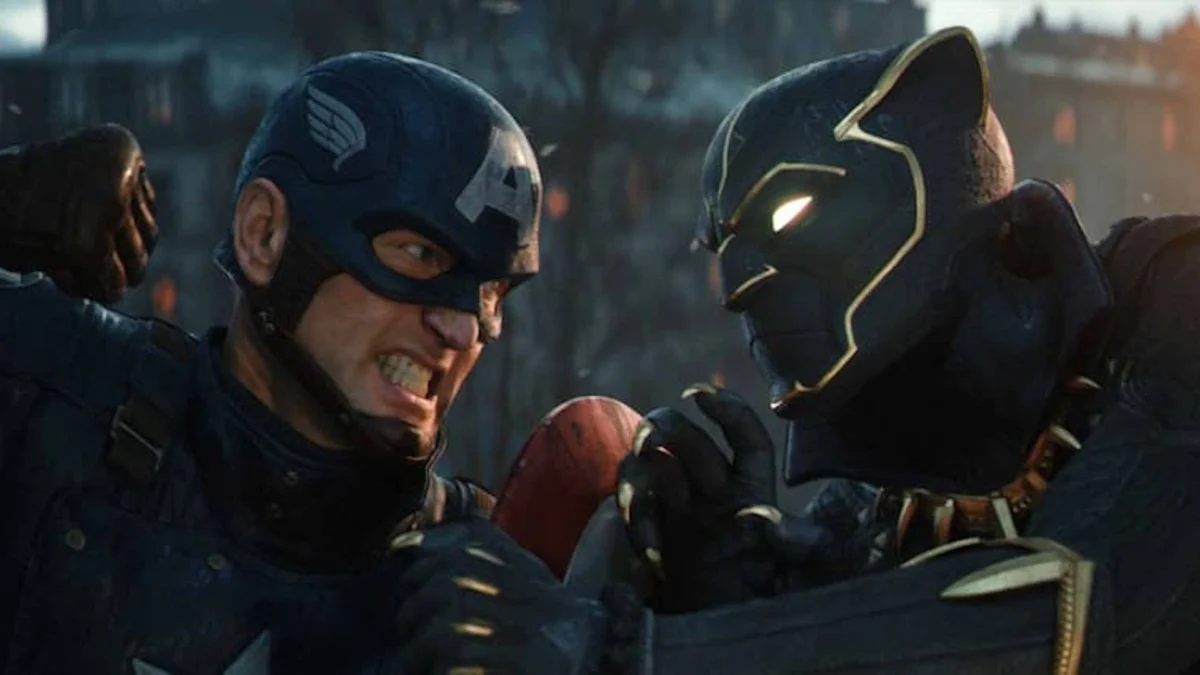
The uncertainty surrounding these layoffs has cast a shadow over the studio’s most visible upcoming titles. Marvel 1943: Rise of Hydra, directed by industry veteran Amy Hennig, has been a centerpiece of the company’s marketing efforts. The game, which features a narrative interplay between Captain America and Black Panther, was designed to showcase the power of next-generation engines. However, the loss of core team members—including gameplay and AI programmers—raises valid questions about the project’s development velocity and potential further delays.
Similarly, the status of Teenage Mutant Ninja Turtles: The Last Ronin remains a focal point for industry observers. As an adaptation of a darker, more mature comic book series, the project carries significant expectations. The sudden reduction in staff suggests that the studio is prioritizing specific core projects while abandoning or significantly scaling back "non-essential" initiatives.

Corporate Rationale and Official Response
In response to the growing discourse surrounding the layoffs, a spokesperson for Skydance issued a formal statement, framing the decision as a strategic pivot toward "long-term growth."
"As part of our ongoing efforts to position Skydance Games for long-term growth and success, we are implementing reorganization and operational shifts across a few areas of our business," the statement noted. "We have stepped back and taken some time to consider where we are investing our efforts and have made the difficult decision to scale down some of our projects. As a result, there are roles impacted. This is not a reflection of the talent, dedication, or creativity of those affected and we are grateful for their contributions."
The company emphasized a commitment to transparency, though the lack of specific details regarding the project cuts leaves a void that has been filled by speculation regarding which titles have been deprioritized or canceled outright.
The Broader Industry Context
The situation at Skydance is symptomatic of a larger trend of "right-sizing" in the gaming industry. Following the unprecedented hiring sprees of the pandemic era (2020–2022), the industry has entered a period of contraction. Data from industry analysts suggest that over 20,000 gaming-related jobs were lost globally in 2024 alone, as companies face higher development costs, longer production cycles, and a more competitive marketplace.
The "valuation" of game studios has become a central point of contention in media mergers. When Netflix leadership previously assessed the value of Warner Bros. Games, they noted that the division was "relatively minor" in the broader scope of a global media conglomerate. This perception has translated into a culture of austerity where gaming divisions are expected to demonstrate immediate, scalable profitability—a feat that is notoriously difficult to achieve in the high-risk, high-cost world of AAA game development.
Analysis: The Risks of Consolidation
The primary risk for Skydance moving forward is the "brain drain" associated with mass layoffs. The loss of veteran staff, as noted by lead engineer David Vera, who observed the loss of "a ton of great talent," directly impacts institutional knowledge. In complex game development, the loss of engineers who understand the proprietary engines and workflows of a project can result in months of lost productivity as remaining staff struggle to fill the gap.
Furthermore, the morale impact on the surviving workforce cannot be understated. When a company describes its staff as "talented and dedicated" in a layoff announcement, it often serves to underscore the perceived injustice of the decision to those still employed, leading to potential attrition of key creative leads who may seek more stable environments.
As Skydance attempts to navigate the integration of its varied studios, the industry will be watching closely to see if the "operational shifts" translate into a more efficient, focused development house or if the loss of human capital ultimately degrades the quality and viability of their upcoming slate. For now, the focus remains on how the company will stabilize its internal teams and whether it can deliver on the promises made to fans and stakeholders regarding its high-profile Marvel and TMNT properties. The coming quarters will be critical in determining whether this painful restructuring yields the long-term success the company envisions or if it merely delays the inevitable challenges of operating a massive, multi-faceted games division in an increasingly difficult economic climate.