






Google has officially initiated the rollout of its latest software update for the Google Home ecosystem, marking a significant step in the company’s ongoing effort to integrate advanced artificial intelligence into the residential smart environment. The update addresses a range of long-standing technical grievances, most notably the persistent "Live View" connectivity issues that have plagued legacy Nest Cam users, while simultaneously deepening the functional integration of Gemini across smart displays and automated routines.
Chronology of the Live View Technical Crisis
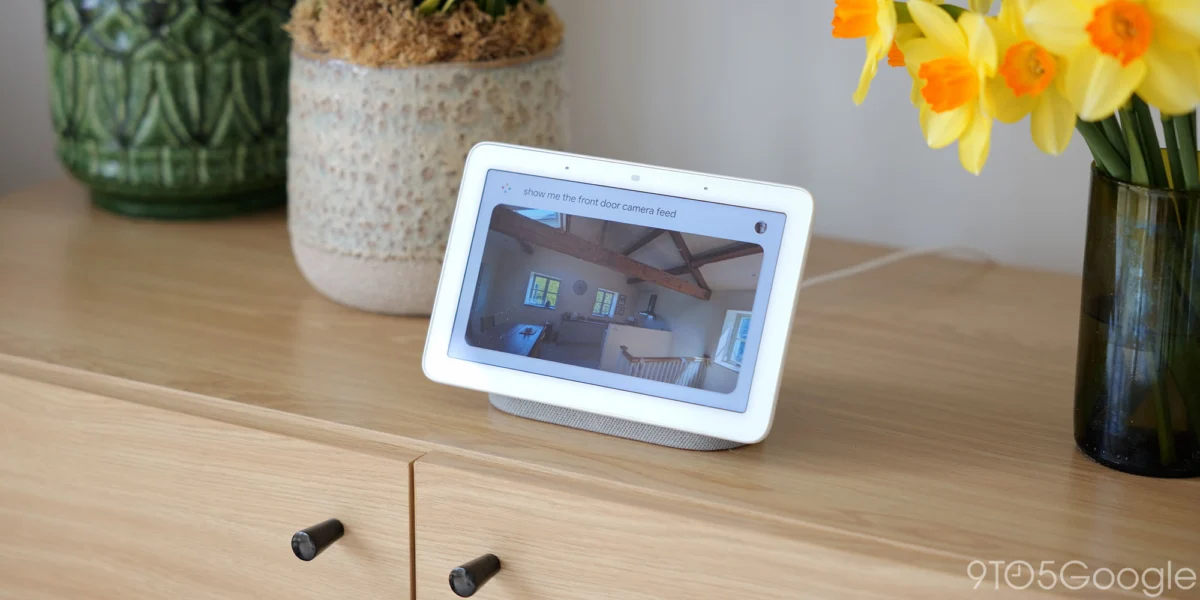
For many users, particularly those still operating the legacy Nest Hello video doorbells, the past several months have been defined by intermittent outages of the "Live View" feature. This capability, which allows homeowners to stream real-time video directly from their doorbells to their smartphones or Nest Hubs, became increasingly unreliable toward the end of 2026.
Reports began surfacing in early November 2026, documenting a systemic failure where users would trigger a live feed only to be met with a static image or a connection timeout error. The issue was exacerbated by the transition period between the legacy Nest app and the modern Google Home interface. With this latest update, Google has finally implemented a firmware-level patch that stabilizes these connections. Furthermore, the update provides a functional grace period for owners of unmigrated Nest Hello devices, allowing them to remove these offline units from the Google Home application—a task that was previously impossible if the device was stuck in an unresponsive state.
Gemini Integration: Enhancing Conversational Intelligence
The core of this update focuses on the ongoing "early access" phase of Gemini’s integration into Google Home. As Google pivots away from the older Google Assistant framework, the company is prioritizing more natural, context-aware interactions.
The update introduces three primary pillars for Gemini users:
- Faster Execution: Improvements have been made to the latency of smart home triggers, meaning commands—such as dimming lights or locking doors—are processed with a noticeable reduction in delay.
- Refined Voice Feedback: Gemini is moving toward a more conversational tone, reducing the robotic cadence that has characterized smart speakers for the better part of a decade.
- Optimized Broadcasts: The speed at which users can send audio messages across multiple speakers within the home has been improved, a critical feature for households utilizing multi-room setups.
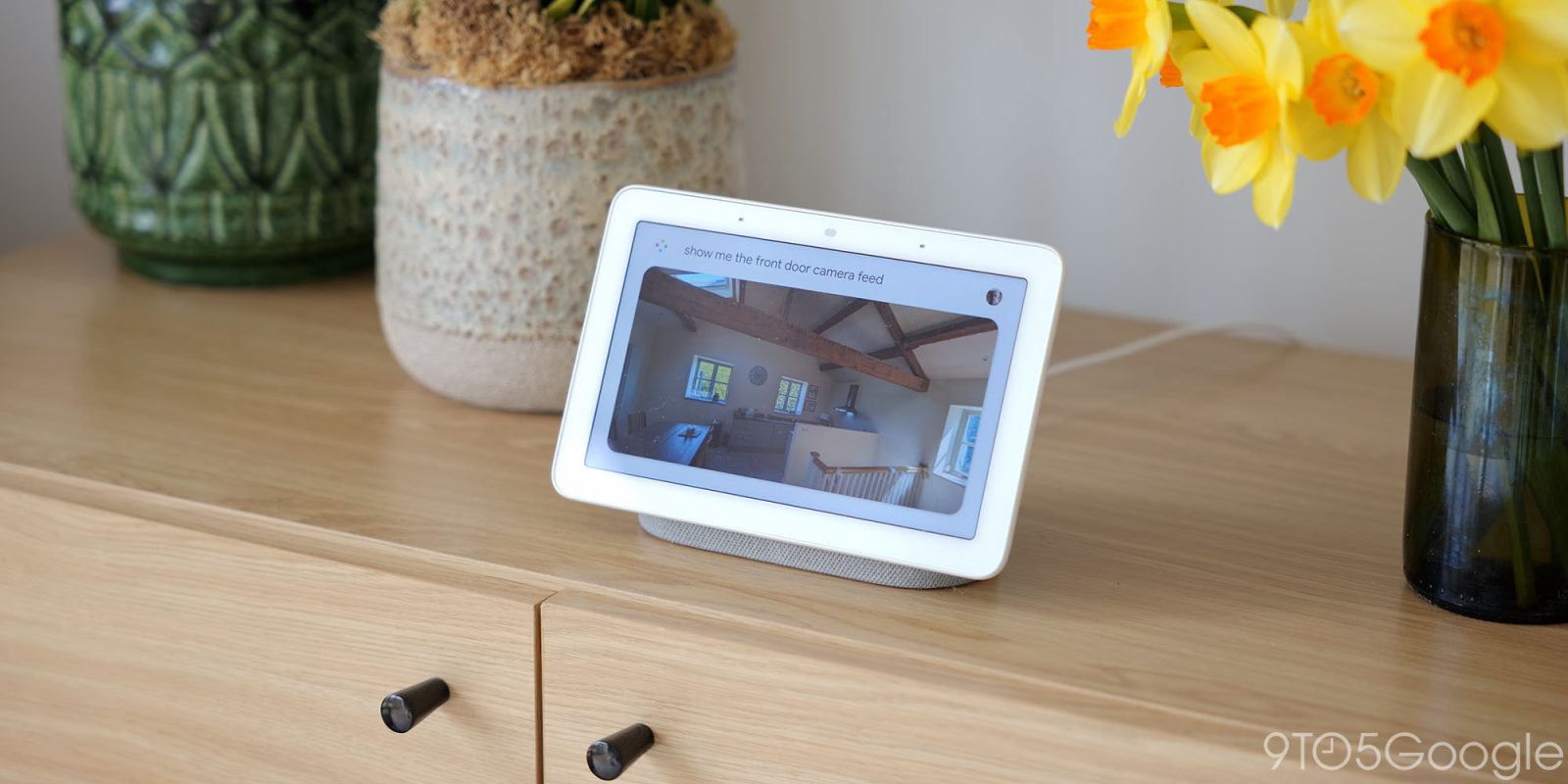
Perhaps the most significant visual change is the implementation of "Visual Answers" on Nest Hub devices. When a user asks a query, the smart display will now pull relevant imagery to augment the verbal response. This shift reflects a broader trend in AI hardware: moving away from purely auditory interfaces toward multi-modal displays that provide information "at a glance." This is particularly useful for queries involving local weather, home security status, or recipe instructions, where a visual aid can convey more data in a second than a ten-second verbal explanation.
Expanded Control and Infrastructure
Beyond the AI-driven updates, Google is reorganizing the back-end infrastructure of the Google Home app. A new "Google Home Premium" page has been introduced in the settings menu, signaling a potential shift in how Google intends to monetize its smart home services. While specific pricing or feature tiers have not been fully disclosed, the inclusion of this page suggests a move toward subscription-based value-added services, likely involving advanced security analytics or extended cloud storage for camera footage.
For power-conscious households, the introduction of an "Eco Mode Everywhere" toggle for those with multiple Nest Thermostats is a strategic move. This feature allows users to force all connected climate control units into an energy-saving state with a single tap, rather than adjusting each device individually. This development aligns with the broader industry trend toward sustainability and energy management, as utility costs continue to rise globally.
Furthermore, Google is expanding its partnership with the digital wallet ecosystem. Support for "Home Keys" in Google Wallet is being extended to a wider array of compatible smart locks. This integration allows users to treat their smartphone as a physical key, utilizing NFC technology to unlock doors, a feature that has seen high adoption rates in enterprise environments and is now becoming standard for high-end residential setups.
AI Agent Evolution: The Rise of the MCP
One of the most technically ambitious aspects of the update is the enhancement of the Google Home Model Context Protocol (MCP) connections. By allowing AI agents to interface directly with automations, Google is effectively turning the Google Home app into a command center for third-party smart home devices.
The scope of these agent-controlled devices now includes:
- Climate Control: Thermostats and air purifiers.
- Environmental Safety: Smoke and carbon monoxide alarms.
- Household Maintenance: Robot vacuums and kitchen appliances.
- Infrastructure: EV chargers and complex lighting effects.
By enabling these agents to perform "status checks," Google is allowing for more robust automation scripts. For instance, a user could theoretically instruct an AI agent to "ensure the house is secure and ready for the evening," prompting the system to check if the oven is off, the EV charger is active, the doors are locked, and the smoke alarms are reporting a green status. This transition from simple "if-this-then-that" programming to agent-based orchestration represents the next frontier in smart home technology.
Broader Impact and Industry Analysis
The update comes at a time when the smart home industry is facing a plateau in consumer adoption due to fragmentation and privacy concerns. By consolidating controls and prioritizing reliability—as seen in the Nest Cam fixes—Google is attempting to address the "fragmentation fatigue" that has frustrated early adopters.

The focus on Gemini suggests that Google is betting on AI as the primary driver for future growth. The challenge for the company, however, remains the transition from legacy hardware to the new software paradigm. There are millions of older Nest devices still in use, and the technical debt associated with these products often hinders the rollout of newer features.
"The industry is currently in a state of ‘AI-first’ transition," notes a market analyst familiar with the smart home sector. "Google is attempting to prove that its AI isn’t just a gimmick, but a functional layer that makes disparate devices—from vacuums to security systems—cohesive. If they can maintain this level of support for legacy hardware while pushing the boundaries of AI, they may succeed in capturing the user base that has grown wary of the ‘smart home’ label."
Looking Ahead
While official details regarding specific updates for individual smart speakers remain limited, Google has confirmed that a rolling release is currently underway. These updates generally arrive in waves, prioritized by region and hardware version to ensure stability.
For the average consumer, this update provides immediate benefits in the form of improved connectivity and a more intuitive display experience. However, the long-term implications of the "Google Home Premium" settings page and the expansion of the Model Context Protocol will likely define the company’s strategy for the next fiscal year. As the ecosystem continues to evolve, the distinction between a "smart home" and a "connected, autonomous environment" will likely blur, with Google positioning its Gemini-powered infrastructure at the center of that evolution.
Users are encouraged to check the Google Home app store page for any pending firmware updates, particularly those utilizing Nest Cams, as these patches are critical for the continued functionality of home security equipment. As Google continues to iterate on its AI agents, the reliance on these automated systems will only increase, placing even greater pressure on the company to maintain the high standard of reliability that users expect from their home infrastructure.