









The gaming industry reached a significant milestone on November 11 as The Elder Scrolls V: Skyrim celebrated its fifteenth anniversary, a testament to the game’s enduring legacy in the open-world role-playing genre. Despite heightened anticipation from the global community regarding the status of the long-awaited successor, The Elder Scrolls 6: Sentinel, Bethesda Game Studios has officially clarified that no new information will be forthcoming in the immediate future.
The clarification arrived via a direct communication from the official Bethesda Game Studios social media account on Reddit. Addressing a thread filled with fan speculation regarding a potential reveal tied to the anniversary, the developer explicitly stated, "Hey everyone, wanted to pop in to say that we aren’t going to have any big announcements tomorrow. We’re excited you’re excited, but we will not be sharing anything new on Sentinel for some time."
This statement effectively cools the fervor that had been building since the formal naming of the project earlier this month. While the title Sentinel has provided a concrete focal point for speculation, Bethesda’s communication serves as a reminder of the company’s long-term development cycles and its current strategy of measured, infrequent updates.
A Chronology of Development and Anticipation
The journey toward the next installment of The Elder Scrolls has been one of the most protracted development cycles in modern gaming history. To understand the current climate of fan expectation, it is necessary to examine the timeline of events that have defined the studio’s output over the last decade and a half.
- November 11, 2011: The Elder Scrolls V: Skyrim launches, becoming a cultural phenomenon that would remain at the top of sales charts and player count statistics for years.
- June 10, 2018: During their E3 press conference, Bethesda Game Studios releases a brief, atmospheric teaser trailer for The Elder Scrolls 6, confirming the game is in early development.
- September 6, 2023: Bethesda releases Starfield, the studio’s first new intellectual property in 25 years. This release was widely viewed as a prerequisite for the full-scale development of The Elder Scrolls 6.
- November 2024: Bethesda officially confirms the subtitle of the next mainline entry as The Elder Scrolls 6: Sentinel.
- November 11, 2024: Skyrim reaches its 15th anniversary. Despite rampant community speculation, the developer confirms that no further details regarding Sentinel are imminent.
The Weight of Legacy: Why the Wait Feels Eternal
The extended silence surrounding The Elder Scrolls 6 is largely attributed to the immense success of its predecessor. Skyrim remains a cornerstone of the industry, having been ported to almost every major gaming platform, from the Xbox 360 and PlayStation 3 to the Nintendo Switch and modern PC iterations. According to data provided by Bethesda in previous years, the game has sold well over 60 million copies globally.
This level of saturation has created a unique "sequel paradox." On one hand, the fanbase is eager for a technological and mechanical evolution of the series. On the other hand, the sheer volume of content, mods, and community-driven longevity inherent in Skyrim has made the necessity for a replacement less urgent from a business standpoint compared to other franchises.
Industry analysts suggest that the development of Starfield acted as a major technological bridge for the studio. The Creation Engine 2, utilized for Starfield, is expected to serve as the foundation for Sentinel. By focusing on a new IP first, Bethesda essentially stress-tested the engine architecture they intend to use for the return to Tamriel, ensuring that the next Elder Scrolls title meets the high performance and fidelity standards expected by modern audiences.
Official Responses and Community Sentiment
The reaction from the player base has been a mix of resigned understanding and continued frustration. The Reddit thread in which Bethesda intervened serves as a microcosm of this sentiment. While many users expressed disappointment, the studio’s direct intervention was largely praised as a responsible way to manage expectations and prevent the spread of misinformation during a high-profile anniversary event.
From a public relations perspective, Bethesda’s strategy appears to be one of "radio silence" until a project is firmly in its final stages of production. This approach contrasts with other major publishers who often engage in multi-year marketing campaigns. For Bethesda, the focus remains on the "gameplay-first" reveal, a tradition established during the lead-up to Fallout 4 and Starfield.
Anniversary Celebrations: Marking the Milestone
While Sentinel news remains off the table, Bethesda has opted to commemorate the 15th anniversary of Skyrim through its existing ecosystem. The company is leaning into the longevity of the franchise by incentivizing players to revisit the world of Skyrim through various promotions:
- Discounting the Catalog: Across all major digital storefronts, Skyrim has received significant price reductions, aiming to onboard a new generation of players who may have missed the original release.
- The Elder Scrolls Online Integration: The MMO companion, The Elder Scrolls Online, has launched a "Season Two: Echoes of Skyrim" event. This includes making the "Greymoor" chapter—which focuses on the frozen northern reaches of the province—free to base-game owners.
- Golden Pursuit Campaign: A time-limited event running until December 2, 2024, offers players exclusive cosmetic rewards and in-game items themed around the history and aesthetic of Skyrim.
These activities underscore a strategic decision to keep the "Elder Scrolls" brand in the public consciousness without needing to rely on active news about the upcoming sequel.

Implications for Future Development
The confirmation that Sentinel is not yet ready for public discourse provides a window into the current state of Bethesda Game Studios. Following the acquisition of ZeniMax Media by Microsoft, the pressure to deliver a high-quality title that can sustain the company’s reputation for the next decade is immense.
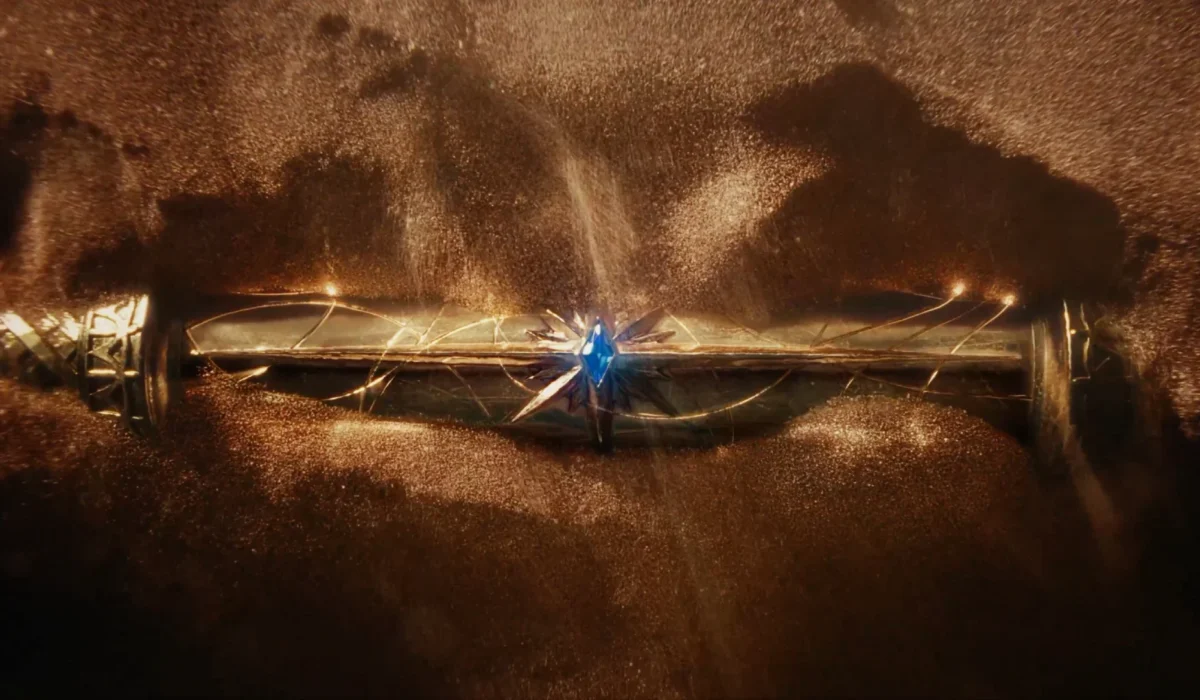
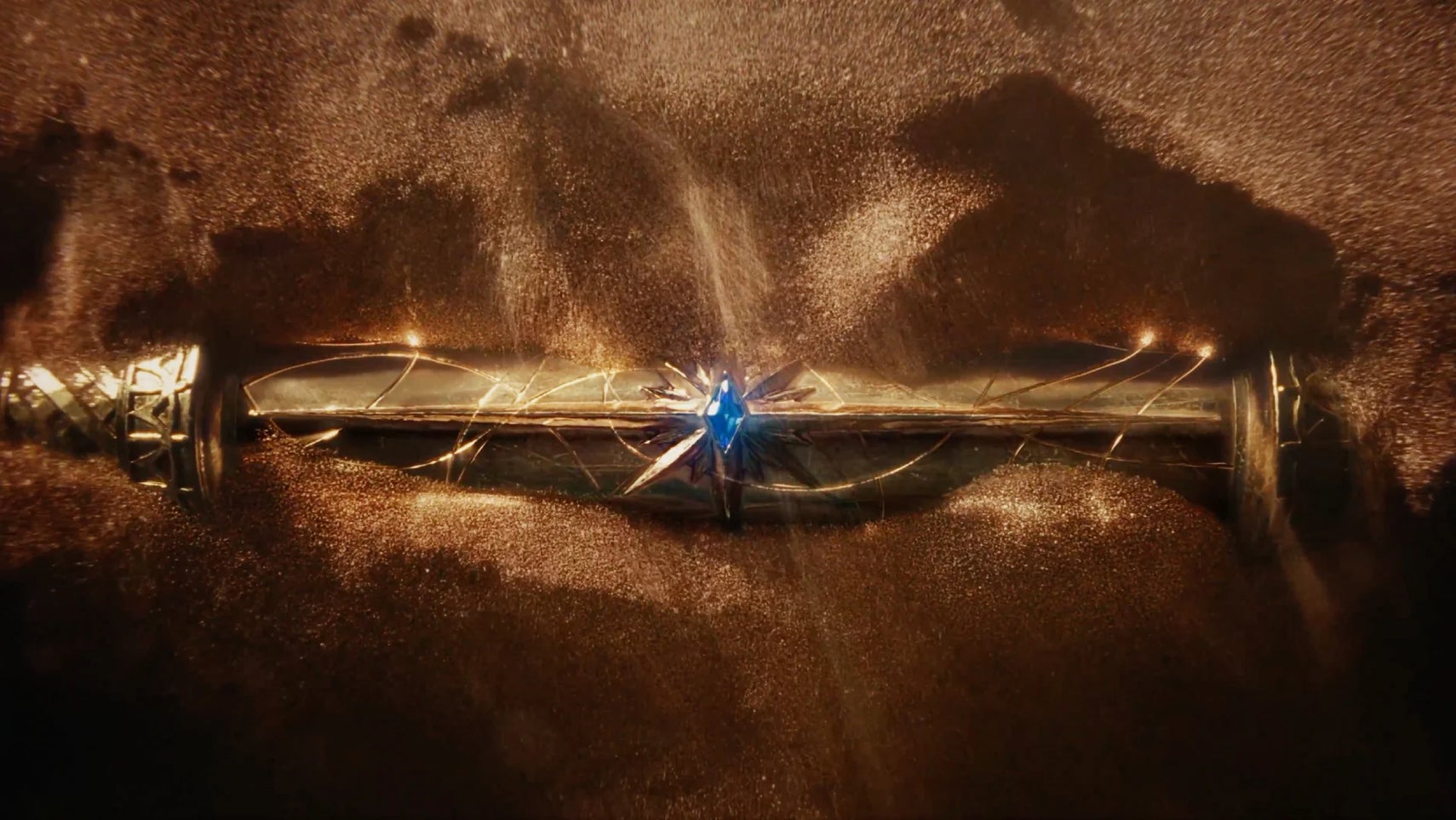
The fact that the game has a confirmed title—Sentinel—suggests that the core vision, setting, and narrative scope are locked in. The challenge for Bethesda now lies in the "polishing phase" and the technical hurdles of creating a world that feels as expansive as the lore demands. Sentinel, a city-state known in Elder Scrolls lore for its sophisticated culture and desert geography, suggests a departure from the rugged, mountainous terrain of Skyrim, implying a need for new environmental assets and climate systems.
Analysts observe that the studio is likely in the "heavy lifting" phase of development, where the massive scale of the game’s world is being populated and scripted. This phase is notorious for being the most labor-intensive part of the production cycle. By tempering expectations now, Bethesda is buying its developers the necessary time to refine the experience without the constant pressure of a looming, self-imposed deadline.
Conclusion
As the dust settles on the 15th-anniversary celebrations, the reality remains that The Elder Scrolls 6: Sentinel is a project for the future rather than the present. While the lack of new information may be disheartening to those who have waited since the 2018 reveal, it reflects the studio’s preference for quality over expediency.
For now, the legacy of Skyrim continues to hold the fort. The game’s enduring popularity, coupled with the massive, ongoing efforts to keep the franchise alive through The Elder Scrolls Online and community-led projects, ensures that the wait for Sentinel will not be entirely devoid of content. Bethesda has made its position clear: they are fully committed to the next chapter of the series, but they will dictate the pace at which that chapter is written. For the legions of fans worldwide, the mandate remains one of patience, as the studio works toward what it hopes will be another definitive experience in the annals of interactive entertainment.