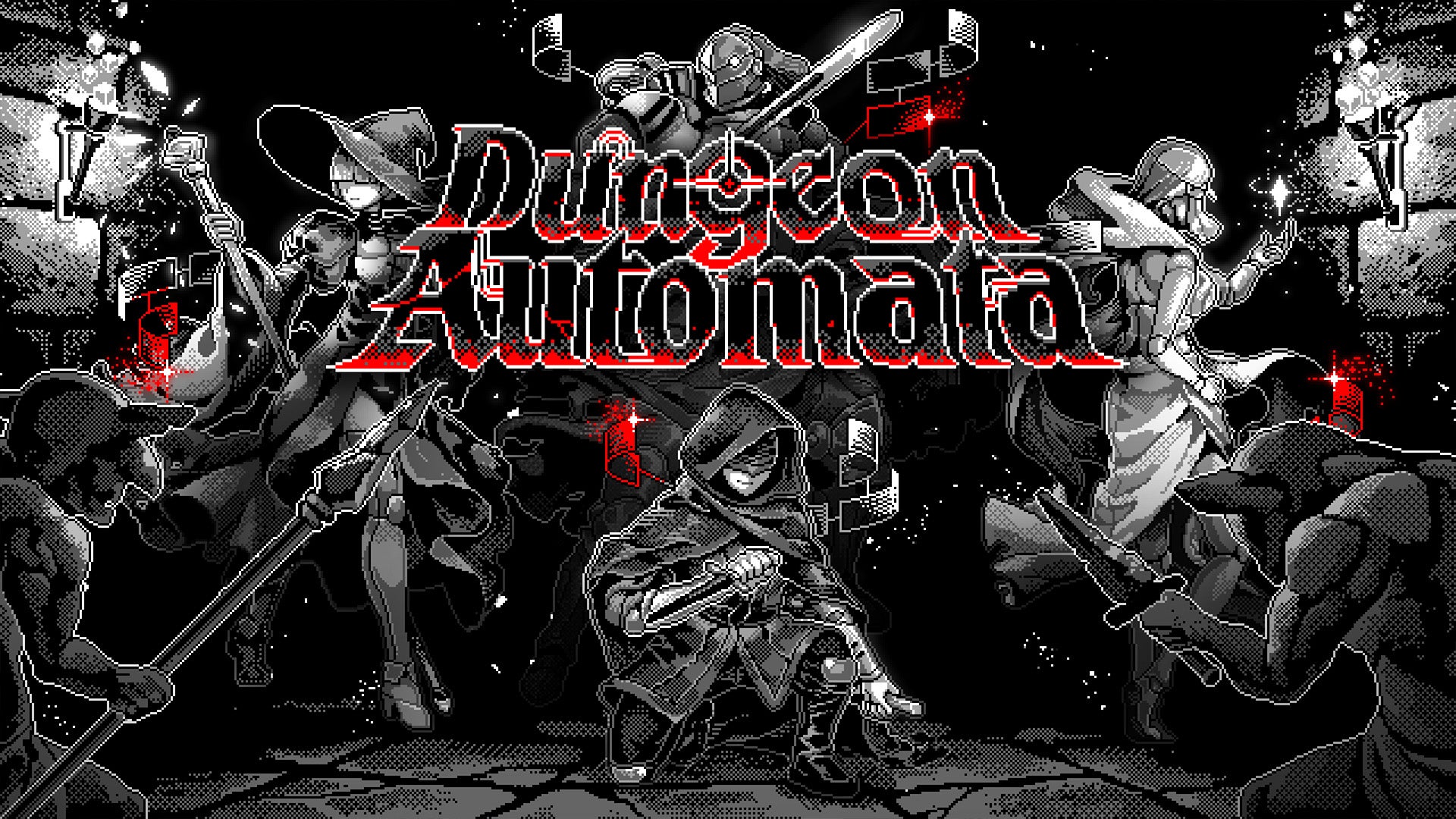
The dungeon crawler genre has long been defined by its high barrier to entry, characterized by grueling resource management, complex character statistics, and a methodical pace that demands total player focus. Historically, these titles have relied on real-time reflexes or turn-based tactical decision-making to overcome obstacles. However, the emerging sub-genre of "autologics" is beginning to shift this paradigm by placing the burden of success on pre-combat preparation rather than on-the-fly execution. Medium-Rare Games, the independent studio behind the recently announced title Dungeon Automata, is positioning its project at the forefront of this shift, offering a unique fusion of visual scripting and traditional fantasy exploration.
Core Mechanics and the Autologic Paradigm
Dungeon Automata distinguishes itself by replacing direct player control during combat with a sophisticated visual scripting system. Players act as architects of their party’s behavior, utilizing a node-based interface to define how their golems interact with the environment and adversaries. Unlike traditional dungeon crawlers where a player might manually select a "Heal" spell when a party member’s health drops below 30 percent, Dungeon Automata requires the player to establish this logic beforehand.
The system utilizes conditional "if-then" statements and node-linking to create automated decision trees. Players can command their units to prioritize specific targets, maintain distance from high-damage enemies, or execute complex support maneuvers based on real-time data from the field. This approach transforms the dungeon-crawling experience from an exercise in reflexes into an exercise in software engineering and optimization. By shifting the gameplay focus to the planning phase, the developer challenges the player to anticipate every potential scenario within a dungeon, as once the expedition begins, the player must observe the execution without the ability to intervene.
A Departure from Roguelike Conventions
A notable aspect of Dungeon Automata’s design philosophy is its deliberate rejection of the roguelike format. While many modern dungeon crawlers lean heavily into procedural generation to ensure replayability, Medium-Rare Games has opted for a handcrafted approach. Each level is meticulously designed, allowing players to build specific scripts tailored to the environmental hazards and enemy placements of a given stage.
This design choice has significant implications for the game’s difficulty curve. In a procedural roguelike, failure often results from a sudden, unexpected "run-ender" caused by randomized enemy spawns or loot drops. In Dungeon Automata, failure is instead viewed as a diagnostic exercise. If an expedition ends in defeat, the player is expected to review the "code" of their party members, identify the logical fallacy or inefficiency in their script, and refine the parameters before attempting the stage again. This structure favors a cycle of iterative improvement, appealing to players who enjoy the methodical nature of puzzle games and optimization-heavy simulations.
The Role of Yuzo Koshiro
The auditory presentation of Dungeon Automata is bolstered by the involvement of industry veteran Yuzo Koshiro. As one of the most prolific composers in video game history, Koshiro is widely recognized for his work on iconic franchises including Streets of Rage, Sonic the Hedgehog, and Shenmue. His inclusion in this project brings a high level of prestige to an independent title, signaling a commitment to a cohesive, high-quality atmosphere.
Koshiro’s work is historically characterized by its technical mastery of sound chips, particularly his innovative use of the FM synthesis capabilities of the Sega Genesis. By bringing a composer of his caliber on board, Medium-Rare Games is likely looking to capture the "crunchy," nostalgic aesthetic of 16-bit era dungeon crawlers while modernizing the gameplay mechanics. The synergy between Koshiro’s melodic, rhythmic style and the logical, systematic nature of the gameplay suggests that the developers are aiming for a distinct, high-energy experience that contrasts with the typically somber or ambient soundtracks found in the genre.
Chronology of Development and Public Reception
The announcement of Dungeon Automata and the release of its demo on the Steam platform mark the culmination of a development period focused on balancing accessibility with depth. The reveal trailer, showcasing the "Algolemeth" system, provided the first public look at the visual scripting interface.
- Initial Concept Phase: Medium-Rare Games began prototyping the "autologic" framework, focusing on how to make visual programming intuitive for players without a background in computer science.
- Prototype Refinement: The studio shifted focus toward creating the handcrafted levels that define the game’s progression, ensuring that each dungeon offers a unique logical challenge.
- Composer Collaboration: The partnership with Yuzo Koshiro was finalized, with the team emphasizing that the score would reflect both the technical nature of the golems and the fantasy setting of the dungeons.
- Demo Launch: The release of the public demo allowed the gaming community to test the logic-building mechanics, providing the developers with critical feedback regarding the UI and the learning curve of the node-linking system.
Analytical Perspective: The Future of Logic-Based Gameplay
The emergence of games like Dungeon Automata reflects a broader trend in the independent gaming sector: the gamification of logic and programming. By abstracting the complexities of coding into a visual language, these titles lower the barrier to entry for logic-heavy design, potentially attracting a wider audience than traditional programming-focused games.
From a design standpoint, the implications of this shift are profound. By removing the "active" element of combat, the game places total accountability on the player’s planning. If the party fails, it is a failure of logic, not a failure of thumb-stick coordination. This creates a psychological environment where the player feels a sense of ownership over their party’s AI. As the player watches their golems execute a complex, perfectly-optimized strategy that they themselves programmed, the sense of accomplishment is tied directly to their intellectual effort.
Furthermore, the choice to avoid procedural generation suggests a focus on "high-skill ceiling" content. Handcrafted dungeons allow the developers to create "hard puzzles" that require specific logic to bypass, ensuring that players cannot rely on luck to progress. This creates a clear, measurable path of mastery: as the player learns more about the scripting system, they become more capable of tackling increasingly complex environments.
Industry Impact and Market Position
The dungeon crawler genre has historically been a niche, yet incredibly loyal, market. Titles like Etrian Odyssey, Wizardry, and Shin Megami Tensei have set high bars for what fans expect in terms of difficulty and complexity. Dungeon Automata enters this market not as a traditional entrant, but as a disruptive force that seeks to evolve the genre’s DNA.
By targeting the intersection of fantasy dungeon crawling and logic-puzzle enthusiasts, Medium-Rare Games is positioning itself to capture a segment of the market that may have grown weary of the repetitive nature of standard roguelikes. The success of this title will likely depend on the depth and flexibility of its scripting system. If the logic nodes provide enough variety, the game could offer immense replayability through different "builds" of party behavior, even without the random elements of procedural generation.
As the industry continues to monitor the performance of the Dungeon Automata demo, the key metrics for success will be the player retention rate and the community’s ability to share and iterate on their scripts. The ability for players to exchange or discuss their "programming" setups could foster a vibrant, collaborative community—a hallmark of successful simulation and logic-based games.
Ultimately, Dungeon Automata stands as a testament to the fact that the dungeon crawler genre remains a fertile ground for innovation. By stripping away the need for real-time manual control and replacing it with the cerebral challenge of automation, Medium-Rare Games has provided a fresh perspective on a decades-old formula. With the backing of a legendary composer and a clear, focused vision for its mechanics, the title represents an intriguing case study in how developers can refine traditional genres through the application of modern, logic-based design principles. Whether or not it becomes a genre-defining staple, its commitment to a "handcrafted" experience in an era of procedural obsession is a significant and welcome creative choice.