Since its initial reveal in early June, the upcoming PlayStation 5 exclusive, God of War Laufey, has become an unexpected focal point of significant online debate and criticism. Much of the discourse has centered on the casting and portrayal of the titular character, Laufey, specifically the return of actress Deborah Ann Woll in the role she previously lent her voice to in God of War (2018). Despite a vocal segment of the online community expressing dissatisfaction, Woll has publicly stated her complete indifference to the backlash, expressing unwavering confidence in the quality of the new title.
A Resilient Response to Online Scrutiny
Deborah Ann Woll, known for her roles in television series such as True Blood and Daredevil, addressed the swirling controversies surrounding God of War Laufey during an interview at Florida Supercon with TikTok influencer "quinnphobic." Her response was one of remarkable composure and conviction. "Genuinely, I thought I was going to be much more offended by it, but one, I’m not on social media, so that helps, and two, I don’t know, I feel totally unbothered," Woll explained. She continued, emphasizing her belief in the project: "Because I just know it’s great. It’s okay if it’s not your cup of tea, but in no universe is it bad." This statement reflects a strong belief in the creative direction and execution of the game, a sentiment often echoed by those intimately involved in game development.
The criticism, largely surfacing since the game’s announcement and the release of its solitary trailer, appears to stem from a variety of sources, with a notable portion directed at Woll’s physical appearance and the in-game model of Laufey. Reports indicate that "certain pockets of misogynist gamers" have engaged in personal insults and derogatory comments, a concerning trend frequently observed within online gaming communities when character designs or casting decisions deviate from preconceived fan expectations. Woll’s ability to remain "unphased by the griping and groaning of certain sections of the online community" provides a refreshing counter-narrative to the often-toxic environment that can accompany major game announcements. Her measured response suggests a professional resilience in the face of what many might find discouraging.
Unpacking the Lore: Who is Laufey?
The decision to feature Laufey as the "eponymous character" in a God of War title marks a significant departure and expansion of the established lore, inviting both excitement and scrutiny from long-time fans. In the critically acclaimed God of War (2018) and its sequel God of War Ragnarök (2022), Laufey the Just, also known as Fárbauti, is Kratos’s deceased wife and Atreus’s mother. She is revealed to be a giantess, a powerful warrior who played a crucial role in the giants’ resistance against Odin and the Aesir. Her presence in these games is primarily through flashbacks, memories, and her lasting influence on Kratos and Atreus, particularly in shaping Atreus’s destiny as Loki. Deborah Ann Woll provided the voice for Laufey in the 2018 game, often heard through narration or during poignant flashbacks, her performance lending gravitas to the character’s mythical stature.
The current game’s title, God of War Laufey, strongly implies a narrative focus on this pivotal, yet previously off-screen, figure. This could manifest in several ways:
- A Prequel: Exploring Laufey’s life before she met Kratos, detailing her struggles, her role among the giants, and her confrontations with the Aesir. This would offer a unique perspective on the Norse mythological world, distinct from Kratos’s journey.
- A Spin-off: A standalone story within the God of War universe, perhaps occurring concurrently with or after Kratos’s saga, focusing on another aspect of Laufey’s legacy or a different character named Laufey, though the latter seems less likely given Woll’s reprisal.
- A Reimagining: A bold new take on the character, potentially altering aspects of her established story, though this would be a high-risk strategy for a beloved franchise.
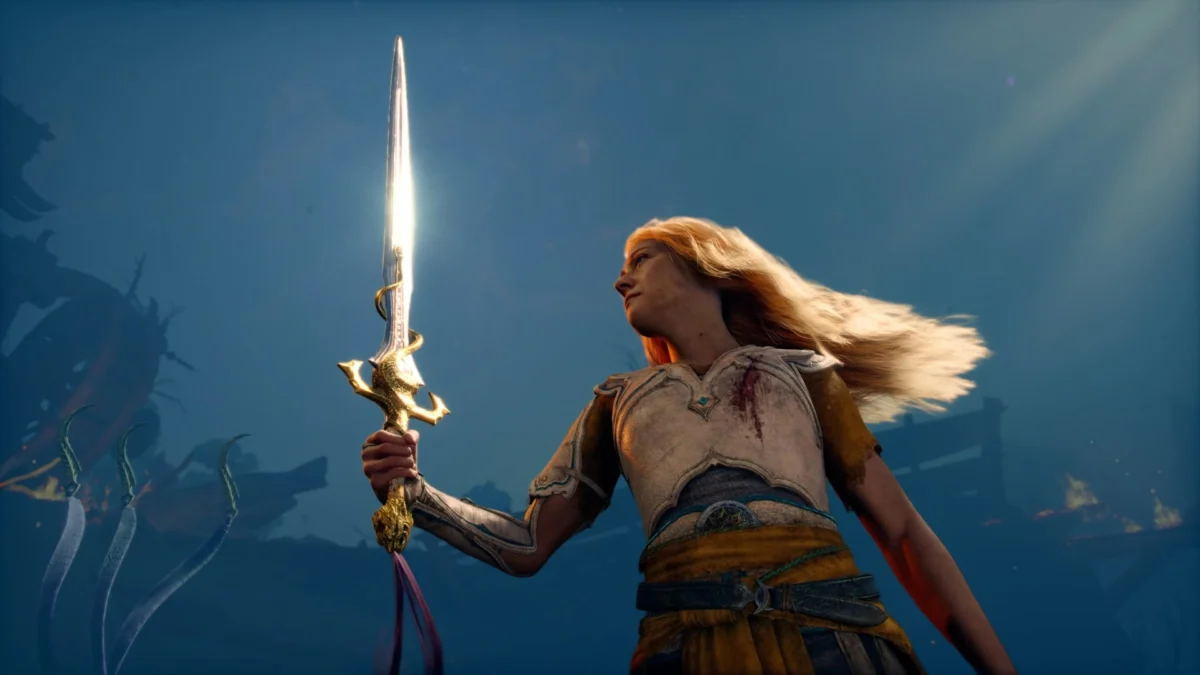
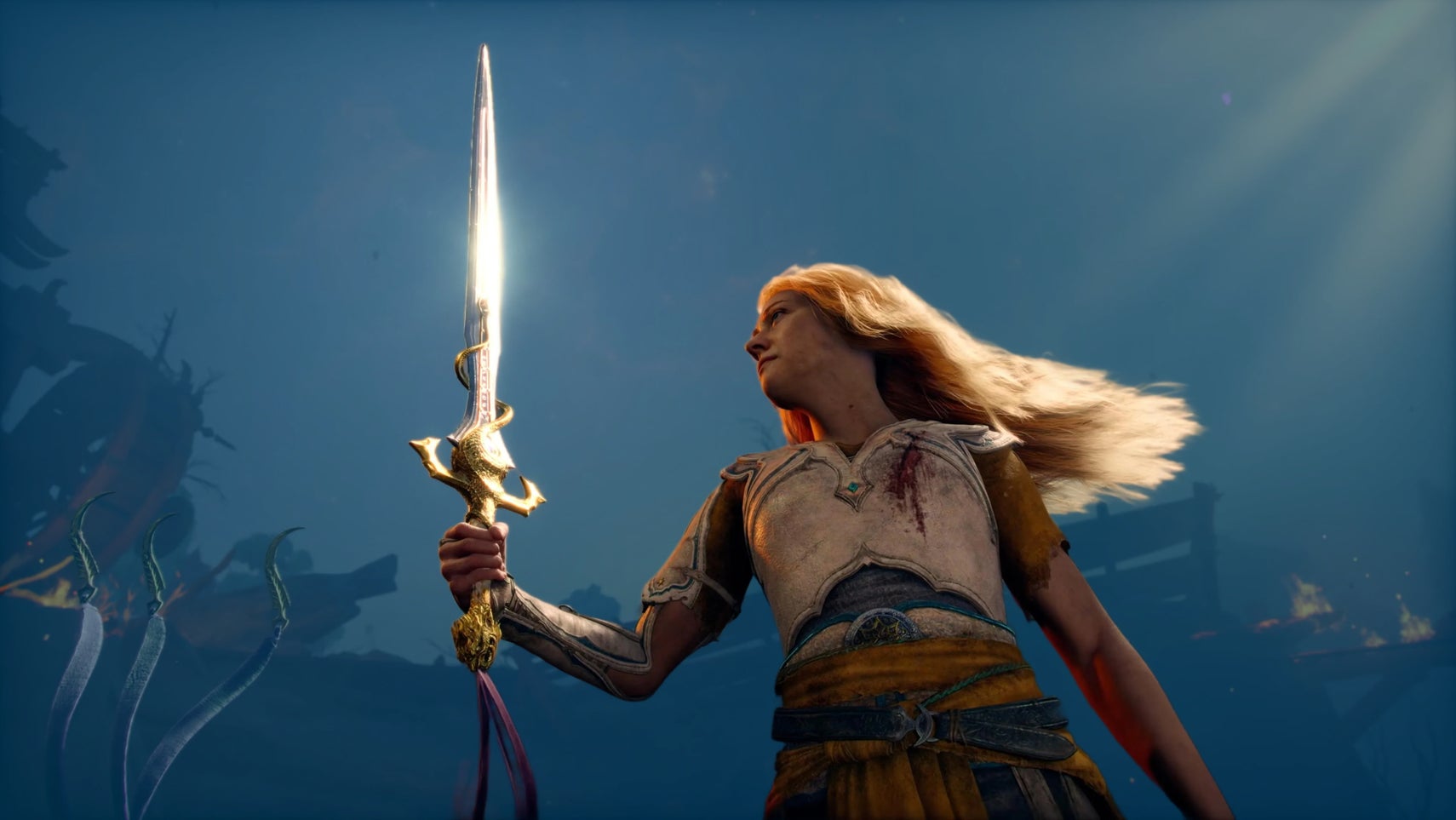
Given the image released alongside the article depicts Laufey in a more human-like form, wielding a sword, it suggests a dynamic, perhaps combat-oriented role for the character, a departure from her more ethereal presence in previous games. This shift in focus to a character previously relegated to backstory presents a fascinating opportunity for Santa Monica Studio to deepen the lore and explore new narrative avenues within the God of War universe. It also means that Deborah Ann Woll’s role will be substantially expanded, moving beyond voice-over work to a full performance capture, which naturally draws more attention to the visual representation of the character.
The Evolving God of War Saga: A Chronology of Development
The God of War franchise, initiated in 2005, has consistently been a flagship series for PlayStation, renowned for its epic scale, brutal combat, and compelling narrative. The original trilogy, set in ancient Greece, established Kratos as the Ghost of Sparta, a vengeful warrior battling the Olympian gods. The series underwent a soft reboot with God of War (2018), transitioning to Norse mythology, introducing Kratos as an older, more tempered father figure, and his son Atreus. This installment was a critical and commercial triumph, winning numerous Game of the Year awards and selling over 23 million copies worldwide by 2022, lauded for its mature storytelling, refined combat, and stunning visuals. Its sequel, God of War Ragnarök, released in 2022, continued this success, selling 15 million units by late 2023.
The development timeline for God of War Laufey suggests a protracted gestation period. According to the article, the concept of the game, including its "controversial jelly cube" element, was reportedly "discussed as far back as 2018." This indicates that ideas for expanding the Norse saga beyond Kratos’s immediate story were being explored even before the release of the first Norse game. The official announcement of God of War Laufey in "early June" (implied to be 2026, based on the video title "State of Play 2026") ignited public discussion, despite only one trailer being shown. The game is currently without a firm release date, but expectations point to a 2027 launch, positioning it as a key PlayStation 5 exclusive for the latter half of the console generation.
Further details released about God of War Laufey paint a picture of a game that aims to blend innovation with nostalgic elements. Despite PlayStation’s broader industry shift towards digital distribution, the game has been confirmed for a physical disc release, a decision that will likely be welcomed by collectors and those who prefer tangible media. This commitment to physical copies comes amidst recent announcements from PlayStation regarding a strategic winding down of physical media in certain business areas, making the decision for Laufey noteworthy.
Additionally, fans can anticipate "more Kratos in the future," suggesting that Laufey may not entirely sideline the iconic protagonist, or that further installments featuring him are already planned. Perhaps most intriguing for long-time players is the confirmation that the new game "is bringing back the combat from the original trilogy." This could imply a return to a more hack-and-slash, combo-heavy style, potentially with a fixed camera perspective, contrasting with the over-the-shoulder, more deliberate combat introduced in the 2018 soft reboot. The implications for gameplay are significant, promising a dynamic fusion of old and new mechanics. The mysterious "controversial jelly cube" remains an enigma, sparking speculation among fans about its narrative or gameplay significance, from a unique environmental puzzle to a new enemy type or even a metaphor for a plot element.
Navigating the Digital Fandom Landscape
The backlash faced by God of War Laufey and Deborah Ann Woll is not an isolated incident but rather indicative of a broader pattern within contemporary gaming culture, particularly when established franchises introduce new directions or character portrayals. Online gaming communities, while capable of fostering immense passion and creativity, can also become breeding grounds for intense negativity, often veering into harassment and misogyny. Actresses and female characters frequently bear the brunt of such attacks, often based on superficial judgments about appearance or perceived deviations from fan expectations.

Woll’s ability to distance herself from this "hateful online remarks" by not engaging directly with social media is a strategy many public figures adopt to maintain their mental well-being. Her confident assertion that the game is "great" and "not bad" underscores the subjective nature of artistic appreciation while also implicitly challenging the legitimacy of criticisms that descend into personal attacks. This situation highlights the ongoing challenge for game developers and publishers to navigate fan expectations while pursuing creative freedom, and for actors to perform their roles under intense public scrutiny. While a vocal minority may express discontent, the vast majority of the God of War fanbase likely awaits the game with open minds, eager to see how the narrative unfolds and how Laufey’s story is finally brought to the forefront. The initial trailer, despite its limited scope, would have generated considerable excitement among these receptive fans.
Broader Implications for PlayStation and the Franchise
The development and reception of God of War Laufey carry several significant implications for both the God of War franchise and PlayStation’s overarching strategy. Narratively, focusing on Laufey represents a bold expansion of the God of War universe beyond Kratos’s direct perspective. This diversification could allow Santa Monica Studio to explore other mythological figures and stories in greater depth, ensuring the longevity of the franchise beyond the current Norse saga. It signals a willingness to take risks and innovate with character focus, potentially paving the way for future spin-off titles centered on other key characters from the rich lore.
From a business perspective, the commitment to a physical disc release for God of War Laufey is noteworthy. While PlayStation has indicated a shift towards digital-first strategies, particularly with products like the PlayStation Portal and the rumored disc-less PS5 Slim, the decision to offer Laufey in a physical format suggests that flagship exclusives still warrant a traditional release to cater to a significant segment of the market that values physical ownership. This could be a strategic move to maximize sales and reach a broader audience, including those with limited digital infrastructure or who prefer to collect physical copies.
Furthermore, the article’s mention of "more Kratos games coming" confirms that despite the new focus on Laufey, the iconic protagonist remains central to the franchise’s future plans. This dual approach—exploring new characters while ensuring the continuation of the main narrative—could keep the series fresh and engaging for diverse fan segments. The return to "classic combat from the original trilogy" hints at a potential blend of gameplay styles, offering variety and appealing to fans of both the older and newer God of War entries.
In related news, the expansive God of War universe is also extending to television. An upcoming TV series adaptation, produced by Amazon, recently made headlines with the announcement of a recasting for Kratos due to an on-set accident involving the previous actor, Ryan Hurst. This development underscores the massive undertaking of adapting such a beloved property across different media and the challenges inherent in such large-scale productions. The interconnectedness of these projects—the new game and the TV series—demonstrates the continued importance of the God of War brand as a cornerstone of PlayStation’s intellectual property.
As God of War Laufey moves towards its anticipated 2027 release, it stands as a testament to the evolving nature of game development and fan engagement. Deborah Ann Woll’s confident stance in the face of criticism sets a precedent for how creators might navigate the increasingly vocal and polarized landscape of online fandom, while the game itself promises to be a significant new chapter in one of gaming’s most celebrated sagas, offering both familiar elements and bold new directions.