







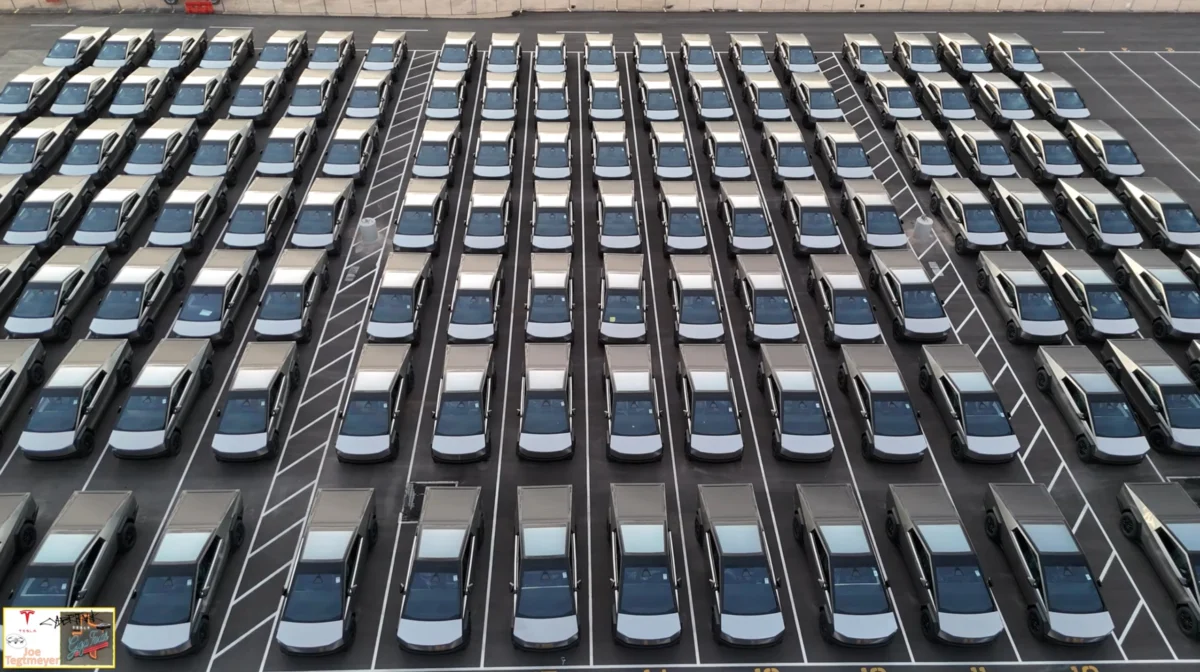
Tesla has announced plans to conclude production of its iconic, stainless-steel-clad Cybertruck by the middle of 2027. According to statements shared by Chief Executive Officer Elon Musk via social media platform X, the decision is designed to reallocate manufacturing capacity at Gigafactory Texas to support an accelerated scaling of the company’s upcoming autonomous vehicle, the Cybercab.
The announcement has sent ripples through the automotive industry and the dedicated community of electric vehicle enthusiasts. Since its initial delivery event in November 2023, the Cybertruck has served as a polarizing yet undeniable symbol of Tesla’s engineering ambition. Despite establishing itself as a prominent option within the electric pickup segment, the vehicle’s commercial trajectory has faced headwinds, largely driven by pricing adjustments and extended delays between its initial 2019 unveiling and actual market release.
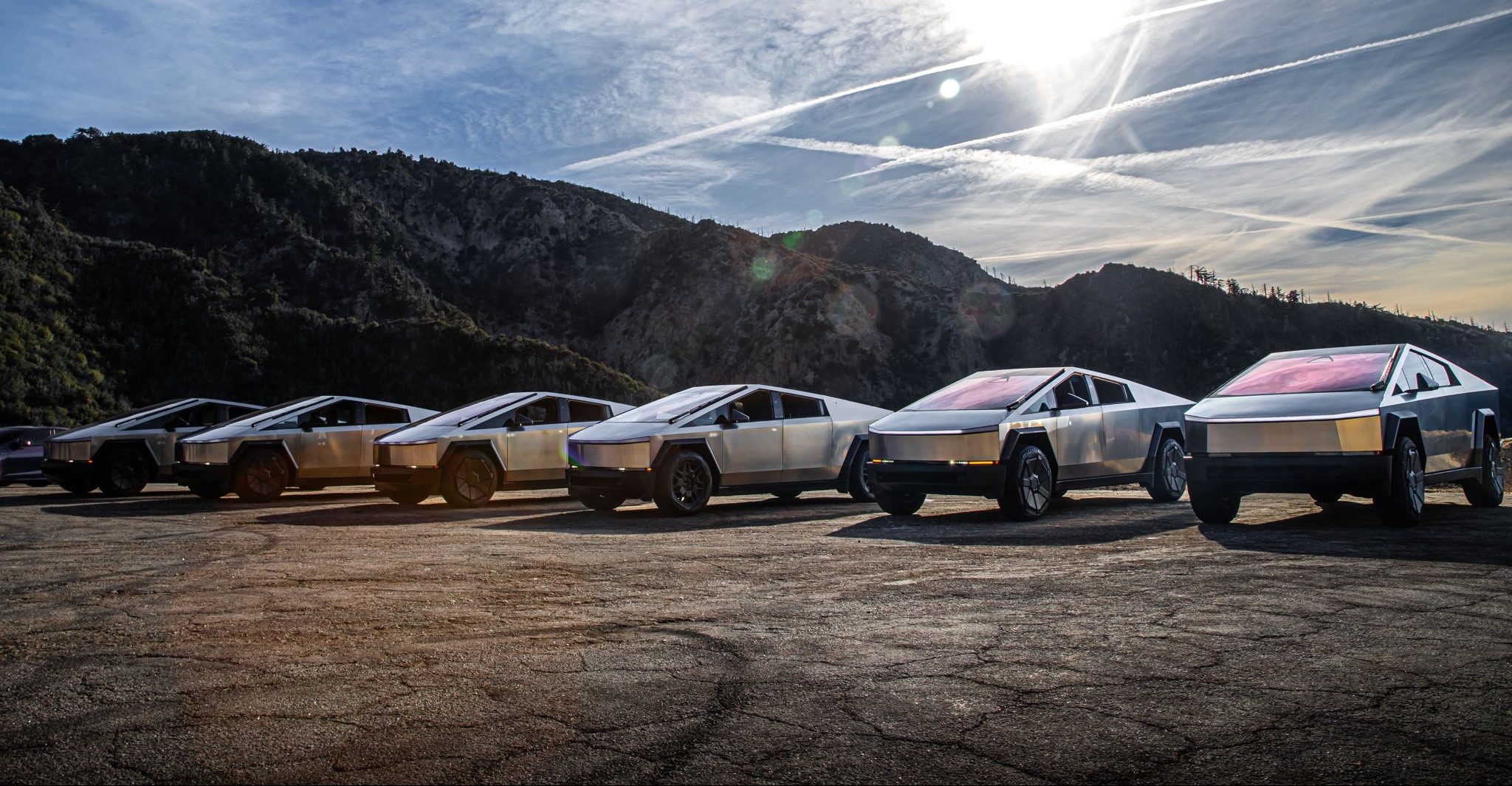
As Tesla pivots its primary manufacturing footprint toward a driverless future, the impending closure of Cybertruck assembly lines marks a definitive turning point in the company’s vehicle strategy.
A Shift in Strategic Priorities at Gigafactory Texas
The winding down of Cybertruck production is not merely a product cancellation; it represents a fundamental reallocation of industrial resources at Gigafactory Texas in Austin. Musk confirmed that the factory floor space and supply chain infrastructure currently dedicated to the all-electric pickup will be transitioned to accommodate increased production volume for the Cybercab.

Tesla’s long-term corporate thesis relies heavily on the realization of autonomous transport ecosystems. Rather than focusing on traditional consumer vehicle ownership models, the company is betting heavily on on-demand, autonomous robotaxi services designed to move passengers safely without human intervention. By phasing out a low-volume, high-complexity vehicle like the Cybertruck, Tesla aims to streamline its production lines for maximum output of autonomous platforms.
This transition underscores a broader corporate philosophy that prioritizes software-driven ride-hailing infrastructure over legacy vehicle form factors. Analysts and industry observers note that while the Cybertruck succeeded in pushing metallurgical boundaries and cementing brand loyalty, its complex manufacturing requirements—including ultra-hard stainless steel panels and specialized gigacasting techniques—presented unique operational hurdles compared to higher-volume passenger cars.
Chronology of the Cybertruck Program

The journey of the Cybertruck from concept to production, and its subsequent lifecycle, encompasses a distinct timeline of technological milestones, production scaling, and iterative engineering updates:
- November 2019: Tesla officially unveils the Cybertruck prototype in Los Angeles, California, showcasing its unconventional angular design and armored glass, which famously shattered during a demonstration.
- November 2023: Nearly four years behind schedule, the first production-spec Cybertruck units are handed over to customers at Gigafactory Texas, introducing features such as 48-volt vehicle architecture and steer-by-wire technology.
- 2024–2025: Tesla gradually ramps up production, introducing dual-motor AWD and tri-motor Cyberbeast variants while gradually rolling out features like the Powershare home backup system.
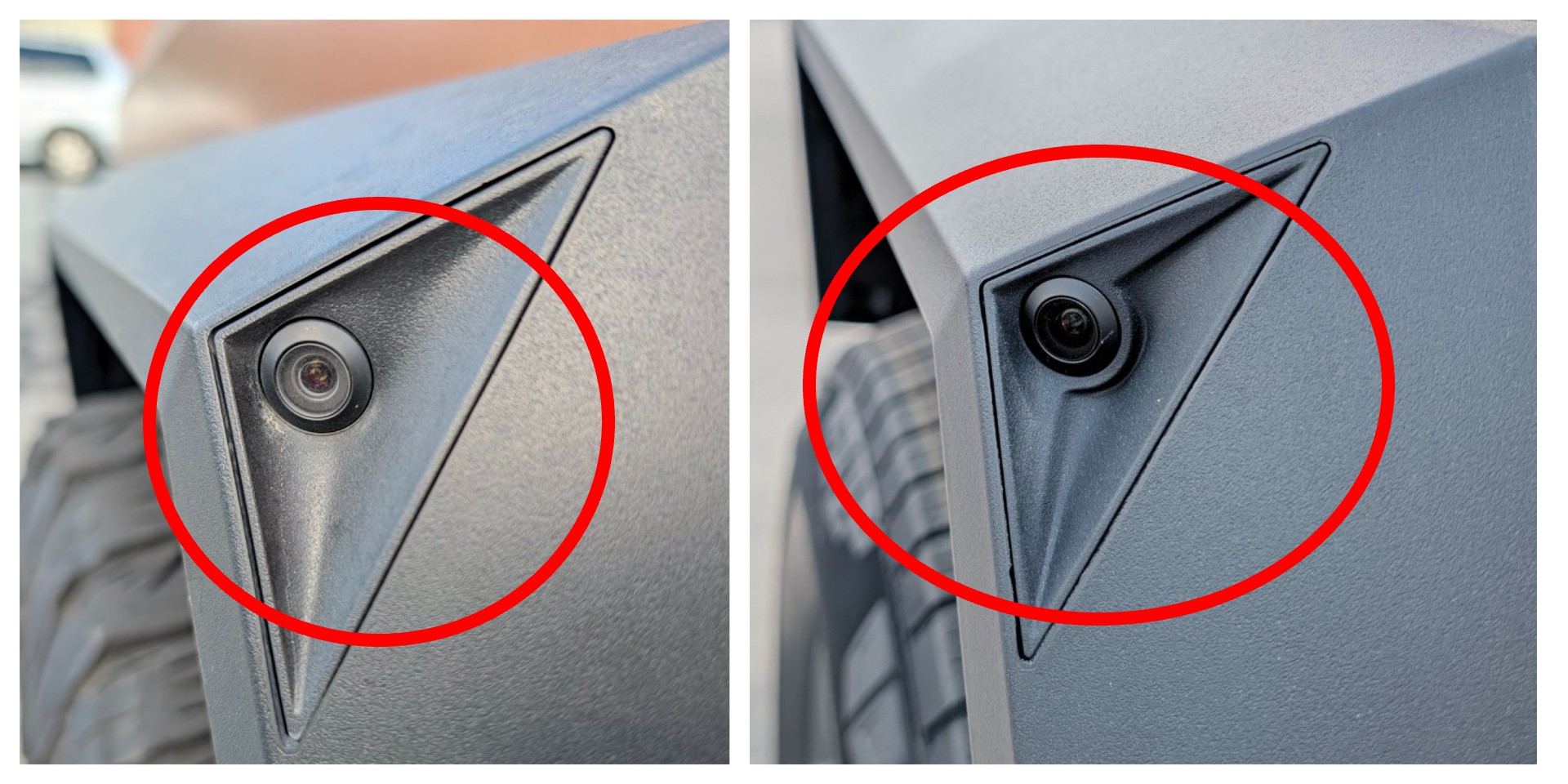
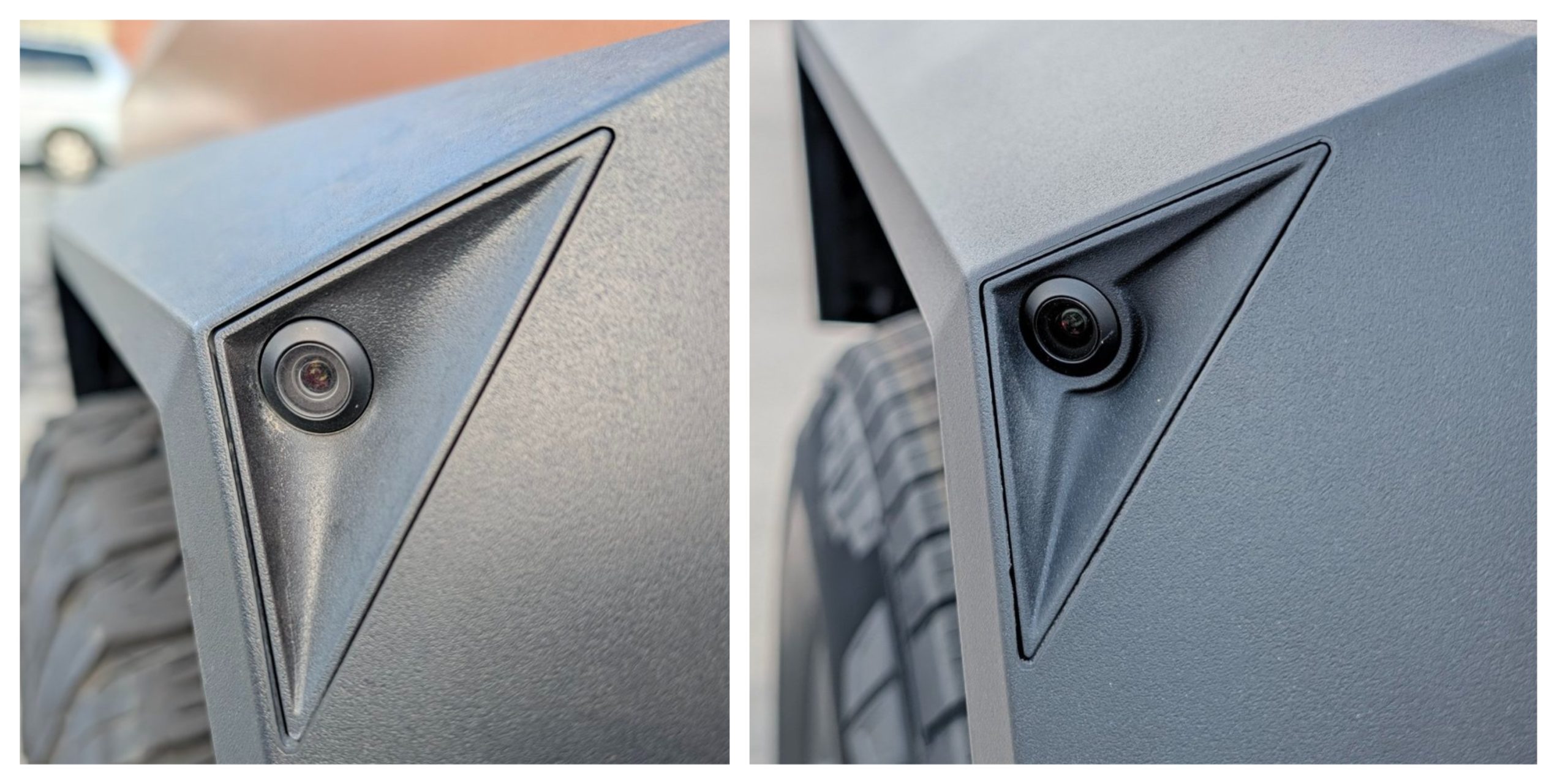
- September 2026: Tesla engineers, including Lead Engineer Wes Morrill, detail a series of continuous manufacturing updates, such as switching the underbody aero shield to a self-reinforming polypropylene and redesigning side camera housings for improved wet-weather visibility. Simultaneously, long-awaited integrations—such as Powerwall 3 compatibility with Powershare—are officially deployed.
- Mid-2027: Planned cessation of Cybertruck manufacturing at Gigafactory Texas to make way for scaled Cybercab production.
Iterative Engineering and Continuous Evolution
Throughout its production run, the Cybertruck served as a testbed for advanced automotive manufacturing techniques. Eschewing the traditional automotive industry model of sweeping, annual model-year overhauls, Tesla treated the vehicle as a continuously evolving platform.

Engineering updates were implemented dynamically on the assembly line as improvements were validated. For instance, Tesla replaced the vehicle’s original aluminum underbody aero shield with a self-reinforming polypropylene alternative. According to engineering disclosures, this material was lighter, more durable, significantly cheaper to produce, and optimized vehicle aerodynamics by refining underbody geometry.
Similarly, subtle geometric revisions to components such as the side repeater camera housings demonstrated Tesla’s commitment to passive functionality. By modifying the housing contours to manipulate localized airflow, engineers successfully used aerodynamic turbulence to clear water droplets away from the optical lenses during rainstorms. This change eliminated the need for complex, failure-prone active washer systems while improving the reliability of the vehicle’s Autopilot and Full Self-Driving suite.
Furthermore, the integration of Powershare technology with the Powerwall 3 ecosystem—finalized in late 2026 after iterative software and hardware certifications—showcased the vehicle’s utility as an energy storage asset. Able to power a standard household for days during grid outages, the system highlighted the diverse engineering achievements packed into the platform, even as overall vehicle output approaches its eventual conclusion.

Market Reception and Stakeholder Reactions
The news of the Cybertruck’s planned discontinuation has generated a spectrum of reactions from investors, analysts, and everyday consumers.
For many core supporters, the vehicle represents an emotional apex of Tesla fandom—a bold departure from conventional automotive styling that captured the public imagination. Online communities reacted with a mixture of disbelief and resignation. While some enthusiasts acknowledged the inevitability of Tesla’s pivot toward autonomy, others questioned the wisdom of phasing out a high-visibility flagship pickup in favor of a singular robotaxi focus.
Market analysts, including prominent industry voices like Gary Black, weighed in on the strategic implications, questioning whether Tesla might eventually consider introducing a more conventional pickup design to capture broader market share in the lucrative North American truck segment. However, current corporate communications suggest that Tesla’s leadership remains entirely committed to its autonomous transport thesis.
Broader Implications for Tesla’s Vehicle Lineup
The decision to sunset the Cybertruck leaves open questions regarding the future evolution of Tesla’s consumer vehicle portfolio. With production lines increasingly dedicated to autonomous platforms, the company’s long-term lineup appears to be consolidating around software-centric service models.
As Tesla reconfigures its manufacturing hubs to meet the projected demand for the Cybercab, the move underscores a ruthless prioritization of capital and operational efficiency. The lessons learned from developing the Cybertruck—ranging from structural casting innovations to low-voltage electrical architectures—will undoubtedly inform future generations of Tesla products. Nevertheless, the closure of the program signifies the end of an eccentric, highly publicized chapter in modern automotive history, leaving a distinct legacy on American roads.