








A Legacy of Marine Discovery
The journey of the Blue Planet franchise began in 2001, when the BBC’s Natural History Unit first broadcast the original series. It was the first-ever comprehensive look at the world’s oceans, utilizing then-pioneering underwater photography. The series not only captivated global audiences but also brought the fragility of marine life to the forefront of public consciousness. A sequel, Blue Planet II, followed in 2017, earning critical acclaim and a Primetime Emmy Award for its stunning visual narrative and focus on the impact of plastic pollution.
Blue Planet 3 represents the culmination of four years of rigorous production. The series aims to bridge the gap between classic observational storytelling and the latest in technological advancement. Production teams spent thousands of hours in the field, navigating some of the most inhospitable environments on Earth to capture footage that had previously eluded filmmakers.
Technological Innovations in Fieldwork
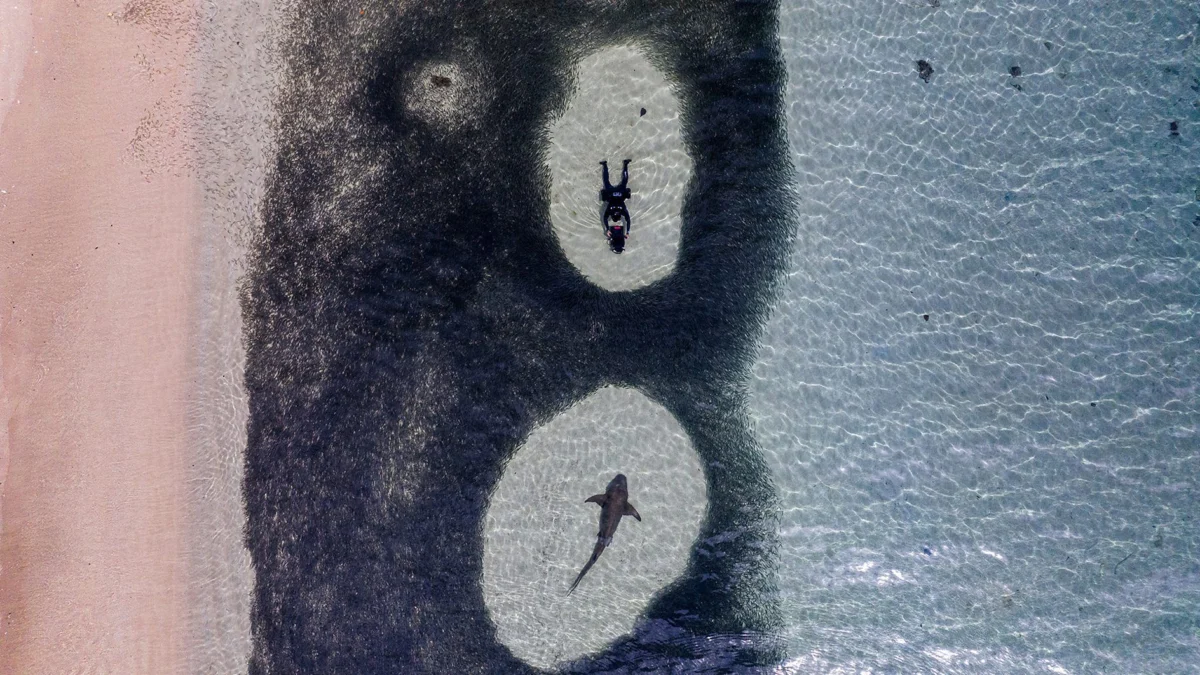
The production of this series marks a significant shift in how wildlife documentaries are captured. To achieve the level of detail required for modern high-definition broadcasts, the team employed a suite of cutting-edge tools. Among these are "splash drones," which provide low-altitude, stabilized aerial perspectives of marine life; long-term remote underwater 4K cameras that allow for continuous monitoring without human interference; and specialized "mini domes" that enable macro-photography of small creatures in their natural habitat.
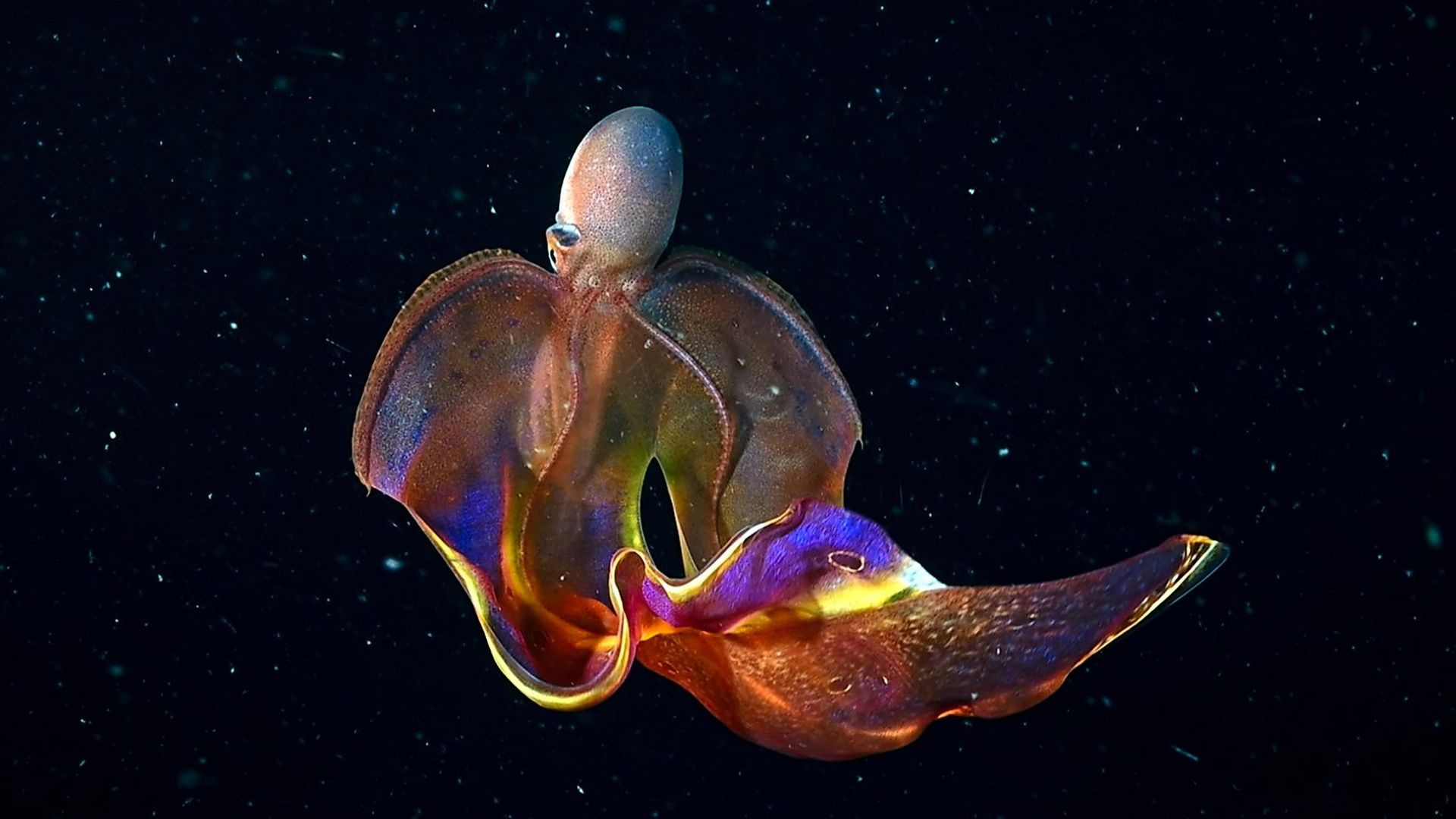
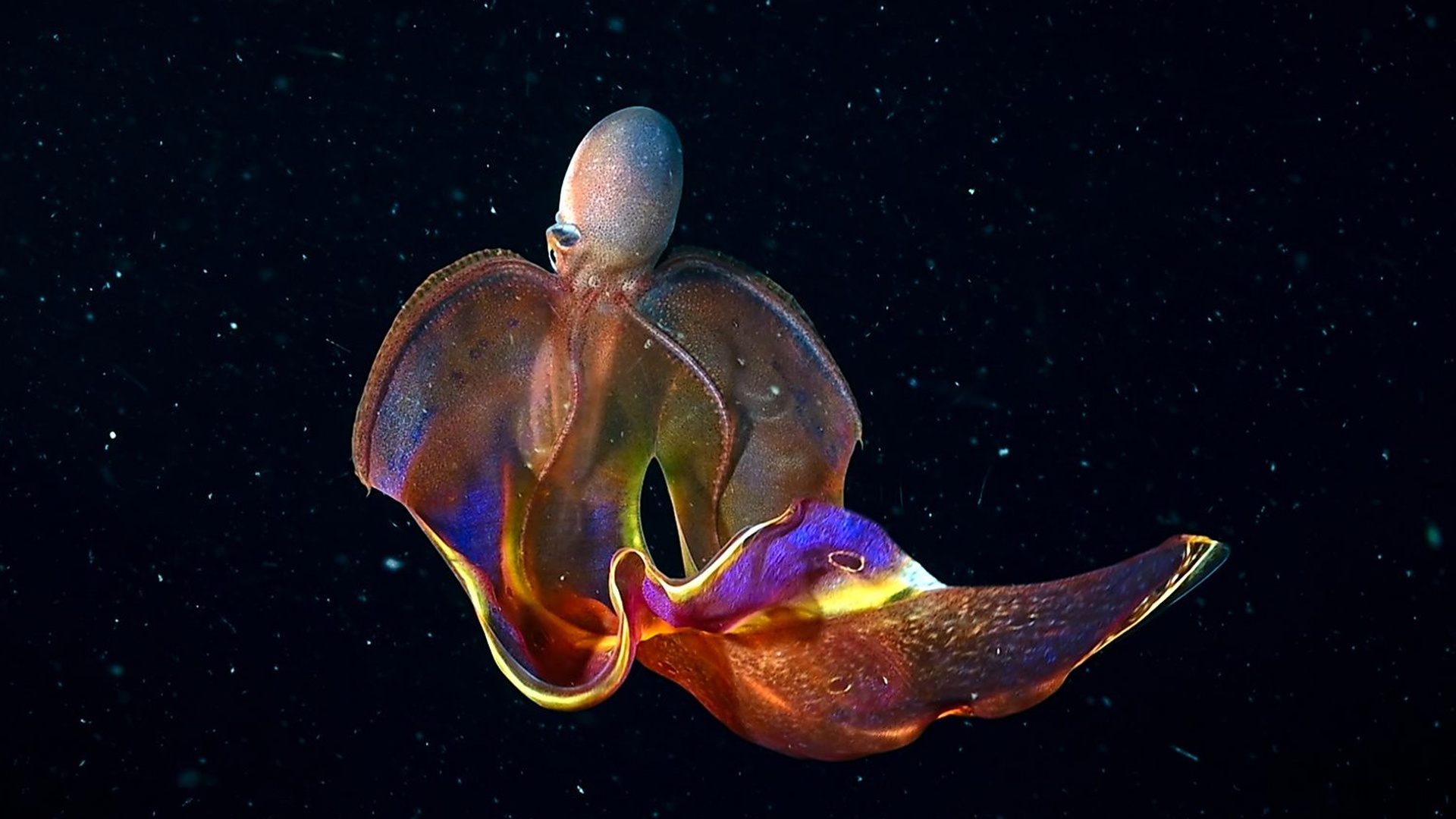
In a move that highlights the current era of digital skepticism, the producers made a deliberate aesthetic decision regarding the final footage. While technology could have been used to sharpen and "clean up" certain shots, the production team opted to retain grainier or cloudier footage in specific sequences. This transparency serves as a visual guarantee of authenticity, intended to assure viewers that the behavior captured is genuine and not a result of AI-generated enhancement or synthetic imagery.
Remarkable Behavioral Observations
The scope of the series is vast, showcasing behaviors that challenge our previous understanding of marine biology. Among the highlights is the documentation of bottlenose dolphins utilizing sea sponges as tools to protect their rostra while foraging for food on the seafloor—a complex learned behavior passed down through generations.
Furthermore, the series provides a rare look at swan-eating sea lions, a behavior that highlights the opportunistic nature of these predators in changing environments. Perhaps most striking is the inclusion of an octopus species that exhibits the ability to hunt on land, a transition between habitats that forces viewers to reconsider the evolutionary boundaries of marine life. The scale of the production is also evident in its coverage of massive crab swarms and the intricate social structures within polar ecosystems.
Global Viewing Guide and Accessibility
For audiences in the United Kingdom, the series is broadcast on BBC One at 8:00 PM GMT every Sunday, with full streaming availability on BBC iPlayer. Access to the platform requires a valid UK TV license and a registered BBC account.
For international viewers, the distribution model varies by region. In the United States, the series airs on BBC America and the streaming platform AMC+, with episodes debuting on Saturdays beginning January 23. The cost for an AMC+ subscription begins at $4.99 per month. In regions where the series does not yet have a confirmed broadcaster, such as Australia, viewers are often left to wait for regional licensing agreements to be finalized.
The Role of VPNs in Global Content Consumption
As global streaming rights become increasingly fragmented, many viewers have turned to Virtual Private Networks (VPNs) to access content. Using a VPN allows a user to route their internet traffic through a server in a different country, effectively masking their location. For a UK resident traveling abroad, a VPN can be used to connect to a local server, allowing them to log into their BBC iPlayer account and watch the series as if they were back in the UK.
While VPN services are widely used for security and privacy, their use for bypassing regional geoblocks is a legal grey area. It is important for users to note that most streaming platforms, including the BBC, include clauses in their terms of service prohibiting the use of technology to circumvent location-based restrictions. Furthermore, the use of such services does not absolve the user of the requirement to hold a valid TV license if they are accessing UK-based broadcast services.
Implications for Marine Conservation
Beyond its role as entertainment, the Blue Planet series has historically served as a catalyst for environmental policy change. The "Blue Planet Effect," a term coined by media analysts, refers to the surge in public concern regarding ocean health following the broadcast of the second series. The inclusion of sequences depicting the impact of human activity—such as plastic waste and climate-driven habitat loss—is expected to be a recurring theme in the third installment.
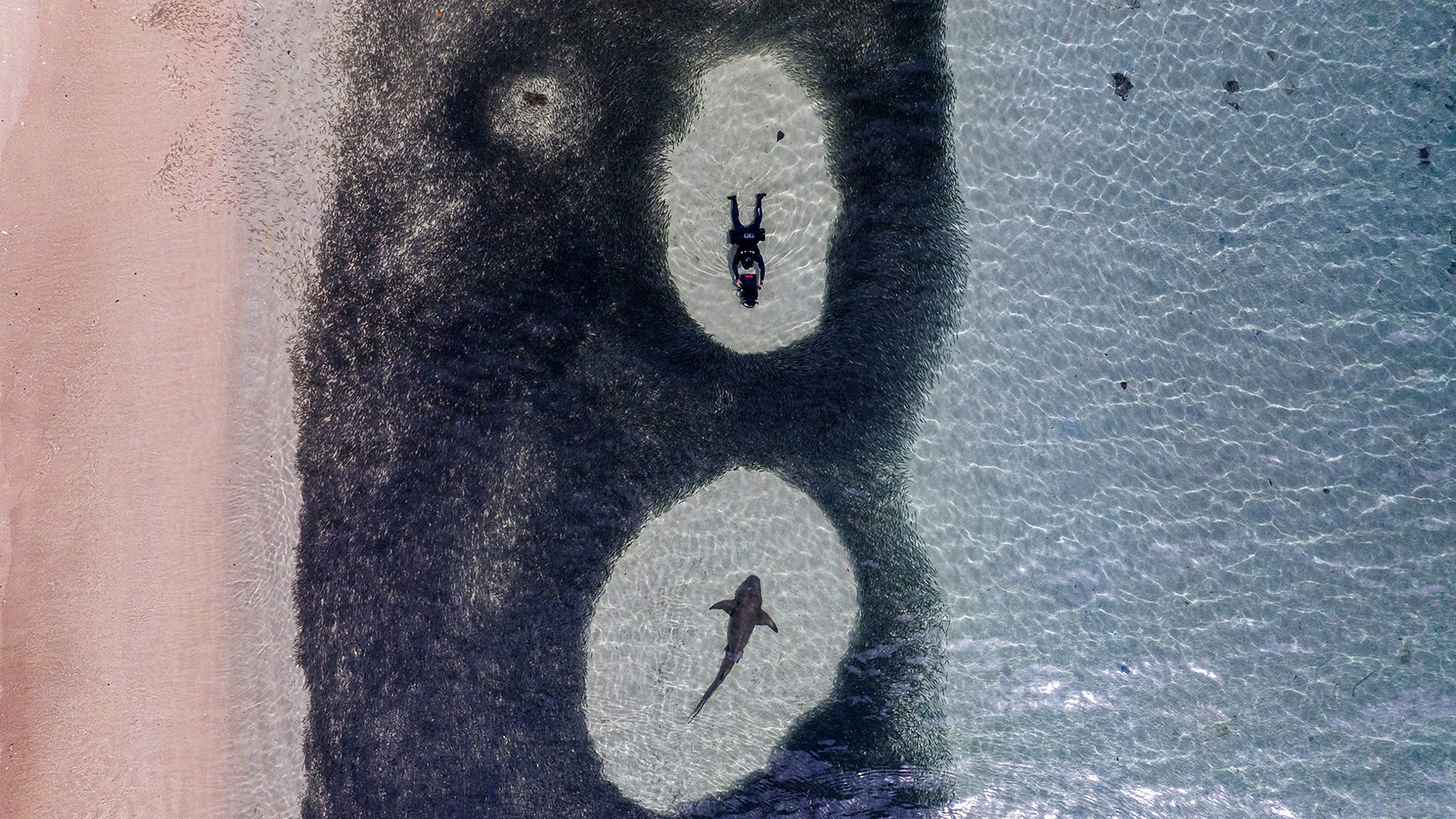
By highlighting the resilience of species in the face of warming waters and shifting currents, the series provides a data-backed narrative of the challenges facing our oceans. Scientists and environmentalists have long argued that the visual medium is one of the most effective tools for public education, and Blue Planet 3 continues this tradition by humanizing the struggles of marine life, from the smallest crustacean to the largest cetacean.
Technical Challenges and Future Outlook
Filming in 4K resolution remains the gold standard for wildlife documentaries, yet the BBC has not explicitly advertised 4K/UHD streaming availability for the entirety of this series on iPlayer. While much of the production was captured in high-resolution, the delivery of such content requires significant bandwidth and infrastructure, which is often reserved for specific high-profile events.
For viewers looking to experience the visual fidelity of the series to its full potential, the industry continues to push for wider adoption of 4K-upscaling OLED and Mini LED television sets. These display technologies provide the contrast ratios necessary to appreciate the depths of the ocean scenes, where light levels are often minimal.
Conclusion
As the third series of Blue Planet concludes the trilogy, it serves as a testament to the advancements in natural history filmmaking over the last quarter-century. By combining the legendary narrative style of Sir David Attenborough with the latest in remote sensing and underwater cinematography, the BBC has provided a comprehensive, albeit sobering, update on the state of the world’s oceans. Whether viewed through traditional broadcast channels or via modern streaming services, the series remains an essential piece of global television, urging a new generation of viewers to consider their relationship with the natural world.