The electric vehicle landscape continues to experience a period of rapid acceleration, marked by simultaneous breakthroughs in battery density, commercial freight electrification, and autonomous public transit infrastructure. In the latest episode of Electrek’s daily podcast, Quick Charge, hosts unpack a series of high-stakes announcements that are reshaping expectations for both consumer and commercial electric mobility. From Volkswagen and BYD introducing record-shattering performance and commercial capabilities to long-awaited updates regarding Tesla’s next-generation roadmap, the global EV sector is demonstrating that the transition away from internal combustion engines is entering an aggressive new phase of technological maturity.
Record-Setting Performance and the Evolution of Electric Super-Sedans
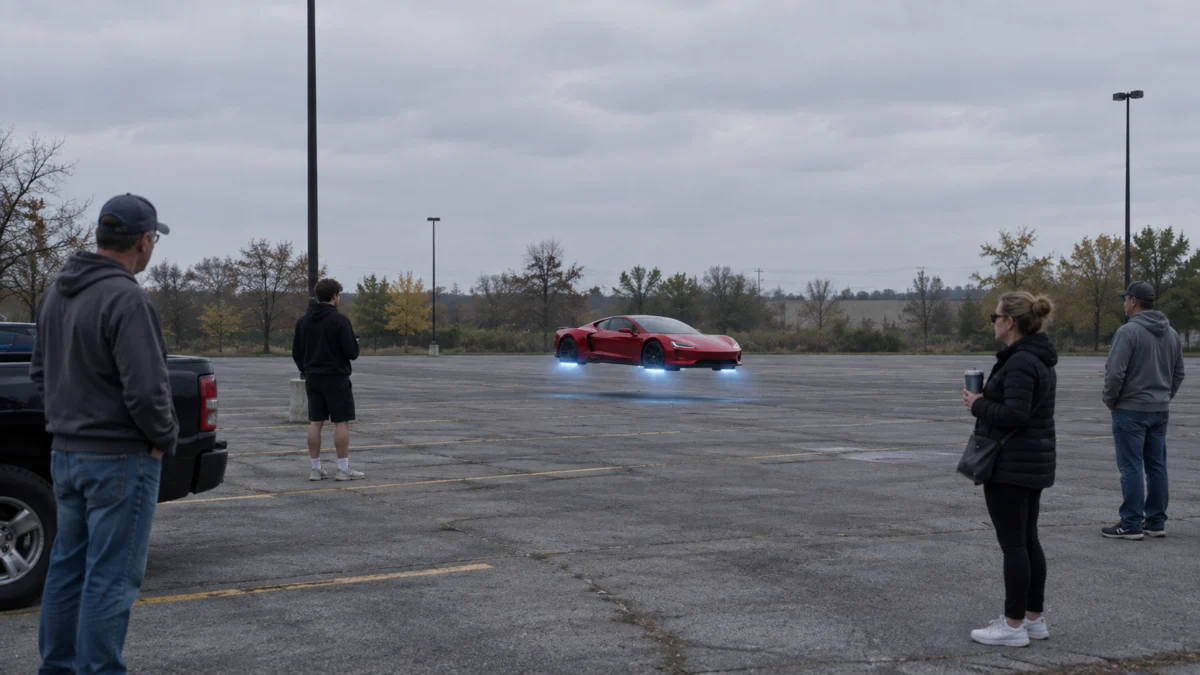
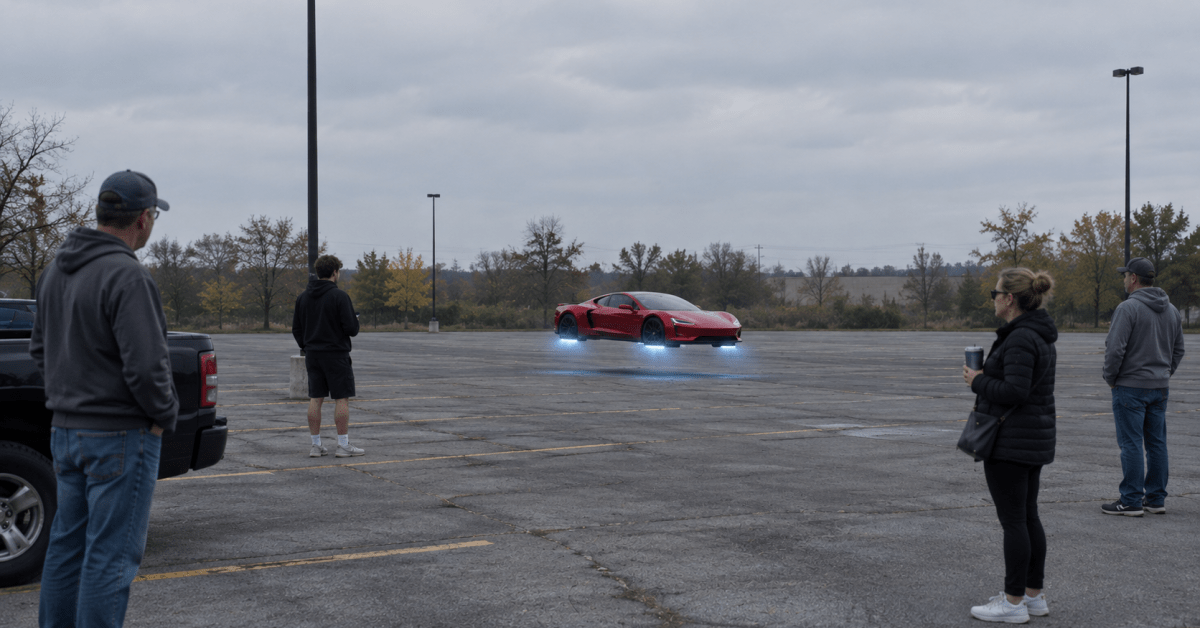
The conversation on the latest episode centers heavily on the emergence of a new breed of high-performance electric vehicles designed to challenge historical benchmarks for range, power, and efficiency. Volkswagen has officially entered the fray with a record-setting sporty EV engineered to push the boundaries of track capability while maintaining daily usability. This development arrives alongside discussions of the highly anticipated Tesla Roadster, which has captured public attention anew amid reports that a prototype is slated for a stationary or low-speed demonstration hovering around a designated parking lot area.
For years, the automotive industry has debated the feasibility of combining hypercar-level acceleration with practical everyday electric range. Tesla initially unveiled the second-generation Roadster concept with staggering performance claims, including a 0-to-60 mph time of under two seconds and a top speed exceeding 250 miles per hour. However, development timelines have faced repeated delays as engineering resources have been diverted toward scaling high-volume production vehicles, energy storage products, and full self-driving software iterations.
Despite the prolonged wait, the psychological impact of the Roadster on the broader performance EV segment remains profound. Traditional legacy automakers and nimble startups alike have used Tesla’s ambitious benchmarks to justify heavy investments in multi-motor architectures, advanced torque vectoring, and silicon-carbide inverter technologies. Volkswagen’s recent entry highlights this competitive pressure, proving that established automotive giants are no longer content to cede the high-performance electric crown to dedicated EV pure-plays.
Commercial Freight Revolutionizes With BYD’s Flash-Charging Semi
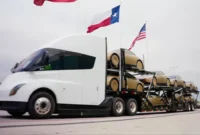
While consumer performance captures headlines, the commercial transport sector is undergoing an equally transformative shift. Global commercial vehicle giant BYD has officially rolled out a commercially available electric semi-truck boasting a 600-kilometer (approximately 373 miles) driving range, paired with a groundbreaking 1.5-megawatt "flash-charging" system.
The introduction of a 1.5-megawatt charging architecture represents a monumental leap forward for heavy-duty freight electrification. Historically, the primary bottleneck for electric semi-truck adoption has been the extensive downtime required to replenish massive battery packs. Standard DC fast chargers, while sufficient for passenger cars, prove inadequate for commercial haulers operating under strict federal hours-of-service regulations and tight logistics schedules. A 1.5-megawatt charging system drastically alters this equation, potentially reducing charging intervals to durations comparable to refueling a diesel tank during a mandatory driver break.
Industry analysts note that BYD’s immediate commercial availability places immense pressure on North American and European manufacturers. While companies like Tesla with the Semi, Daimler with the eCascadia, and Volvo Trucks have made significant strides in regional freight distribution, widespread adoption has been stifled by a lack of ultra-high-power charging corridors. BYD’s vertically integrated manufacturing model—spanning battery production, power electronics, and vehicle assembly—allows the company to deploy these advanced infrastructure-dependent solutions to the market at a scale that few competitors can currently match.
Global Autonomous Transit Takes Root in Zurich
Beyond private vehicles and commercial freight, the integration of Level 4 autonomous technology into public infrastructure is shifting from experimental pilot programs to permanent deployment. Zurich Airport has officially deployed a fleet of Level 4 autonomous shuttles, offering a glimpse into the future of campus and airport mobility.

Level 4 autonomy, as defined by the Society of Automotive Engineers (SAE), designates vehicles capable of operating without human intervention under specific operational design domains. Unlike Level 3 systems, which require a human driver to take over in emergencies, Level 4 vehicles are engineered to safely pull over or bring the vehicle to a complete stop if conditions exceed their operational parameters.
The deployment at Zurich Airport serves as a practical testing ground for autonomous public transit, a sector viewed by municipal planners as a critical solution to urban congestion and first-mile/last-mile transit gaps. The implementation coincides with extensive media evaluations of Tesla’s Cybercab, an autonomous vehicle concept designed entirely around the premise of ridesharing without traditional driver controls like steering wheels and pedals. Together, these developments underscore a broader industry consensus: the future of urban mobility will increasingly rely on software-defined, driverless transport networks.
Podcast Availability and Accessibility
For enthusiasts and industry professionals seeking a comprehensive breakdown of these developments, the latest episode of Quick Charge is available across all major podcast platforms. Audio-only versions can be streamed on Apple Podcasts, Spotify, and TuneIn, alongside an RSS feed compatible with third-party applications such as Overcast.
Produced multiple times per week, the podcast aims to deliver timely, high-voltage analysis of the electric vehicle market, clean energy infrastructure, and autonomous technology trends. Listeners and industry insiders with breaking news or commentary can reach the editorial team directly via email, while community engagement is encouraged through ratings and reviews on major podcast distributors.
Implications and Future Outlook

The convergence of record-setting consumer performance, ultra-fast commercial freight charging, and real-world autonomous transit deployments signals a critical inflection point for the global transportation sector. As battery chemistry continues to improve—yielding higher energy densities and faster charging capabilities—the economic and environmental arguments for internal combustion vehicles are rapidly diminishing.
However, significant challenges remain. The rapid scaling of megawatt-level charging infrastructure will require substantial upgrades to local electrical grids, necessitating coordinated investments from private utilities, municipal governments, and private enterprise. Similarly, regulatory frameworks surrounding Level 4 and Level 5 autonomy must evolve to ensure public safety while fostering continued technological innovation.
As manufacturers push forward into the latter half of the decade, the ability to successfully bridge the gap between ambitious concept reveals—such as the elusive Tesla Roadster—and high-volume commercial execution will ultimately separate market leaders from legacy also-rans. With companies worldwide aggressively competing across every vehicle class, the electric vehicle revolution is no longer a speculative future; it is an active, highly competitive global reality.